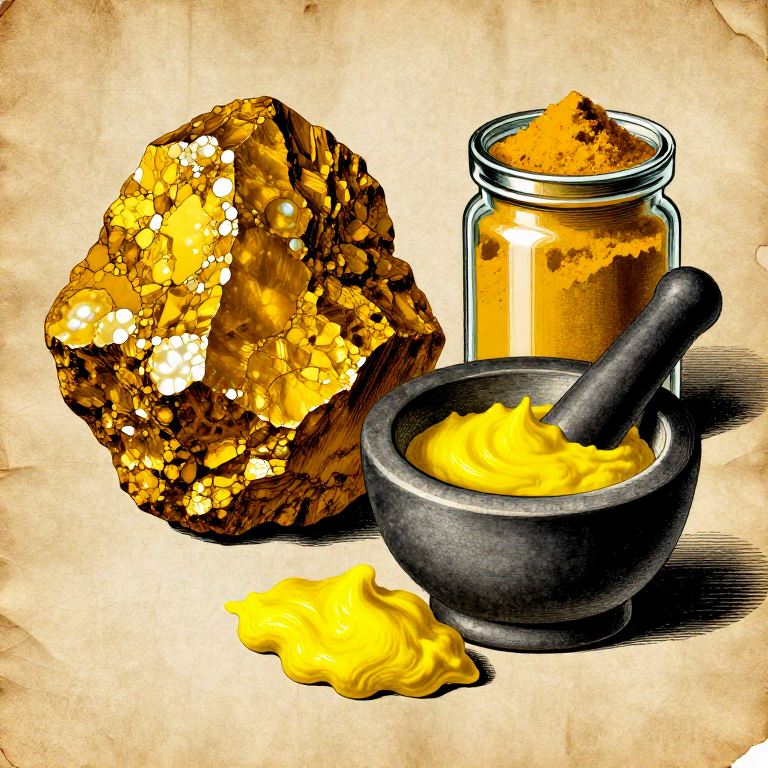

Making Orpiment Yellow Pigment — Grinding the Golden Arsenic Mineral of the Ancient World
Orpiment (arsenic trisulfide, As₂S₃) is one of the most brilliant and beautiful yellow pigments ever used by painters — its name derives from the Latin 'auripigmentum' (gold pigment), because its warm, intense golden-yellow colour was the closest available imitation of gold before modern synthetic yellows existed. It occurs naturally as a bright yellow, often lustrous mineral in volcanic fumaroles, hot springs, and hydrothermal veins, and has been mined and used as a pigment since at least 3000 BC in ancient Egypt, Mesopotamia, and China.
Orpiment was the yellow of choice for ancient manuscript illumination, wall painting, and decorative art across the ancient and medieval world. Chinese and Persian painters used it extensively, and it appears in Egyptian tomb paintings, Roman wall decorations, and Byzantine manuscripts. Its colour is extraordinary: a pure, warm, brilliant yellow with excellent opacity and tinting strength.
SAFETY WARNING: Orpiment is an ARSENIC COMPOUND and is EXTREMELY TOXIC. Arsenic is a potent carcinogen and cumulative poison — even small repeated exposures through inhalation or skin contact can cause serious illness. The mineral MUST be ground WET (never dry) to prevent dust. Wear a P100 respirator with organic vapour cartridges, chemical splash goggles, and chemical-resistant gloves at ALL times when handling. Work outdoors or under a fume hood. Wash all equipment and surfaces with wet cloths — never sweep. Dispose of ALL waste water and materials as hazardous waste. This pigment is incompatible with lead-based and copper-based pigments — it reacts to form dark-coloured arsenic compounds, blackening the painting.
Treści niebezpieczne
Ten blueprint zawiera niebezpieczne procedury. Zaloguj się i włącz niebezpieczne treści w ustawieniach konta, aby zobaczyć instrukcje krok po kroku.
Zaloguj sięWedług tego planu powstaje
Powiązane blueprinty
Te blueprinty dzielą się wiedzą — technikami, materiałami lub zasadami
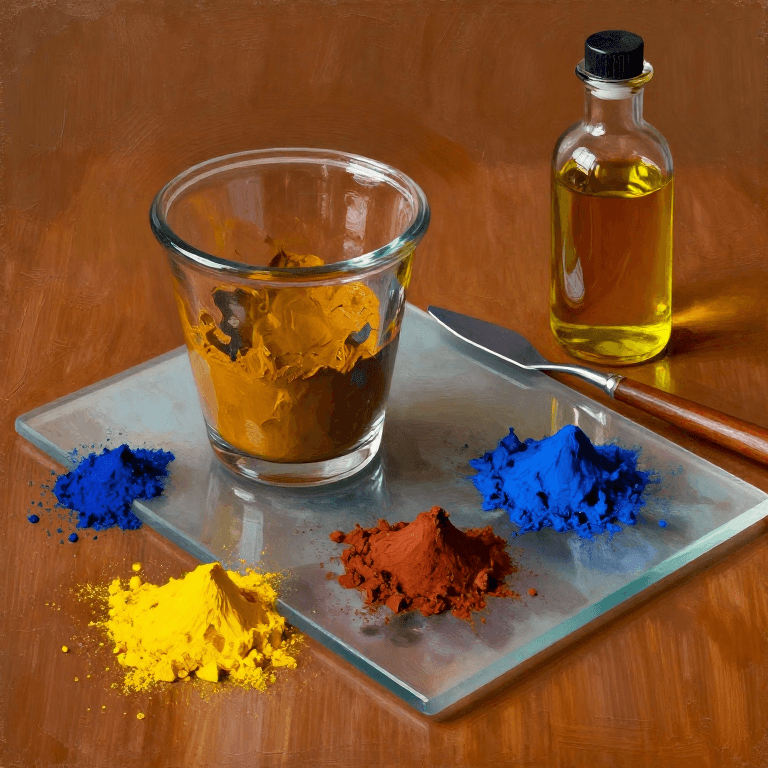
Making Oil Paint from Raw Pigments — Grinding Pigments in Linseed Oil
autor: Charlie
SZTUKA
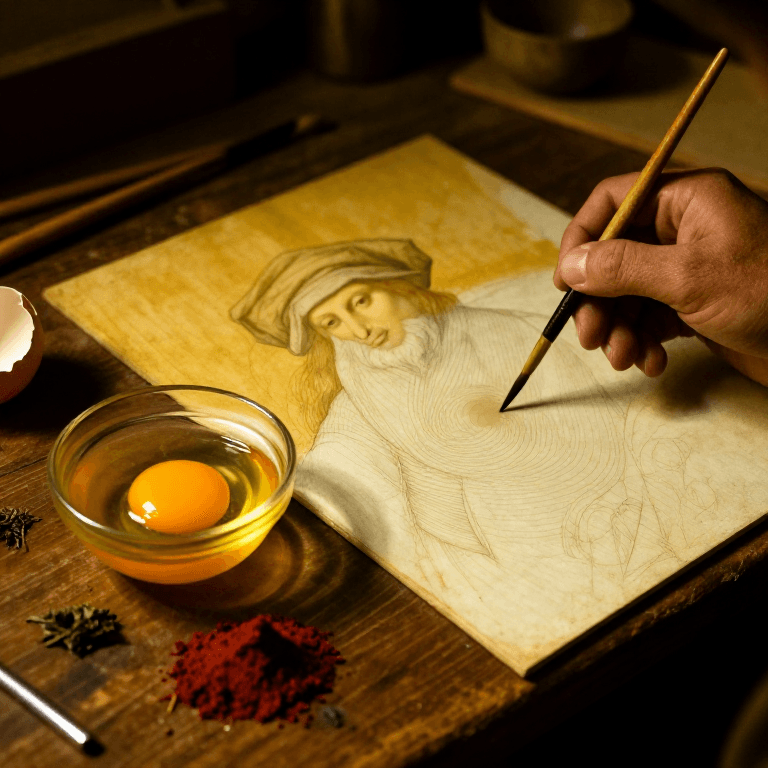
Making Egg Tempera Paint — The Medieval Panel Painting Medium
autor: Charlie
SZTUKA
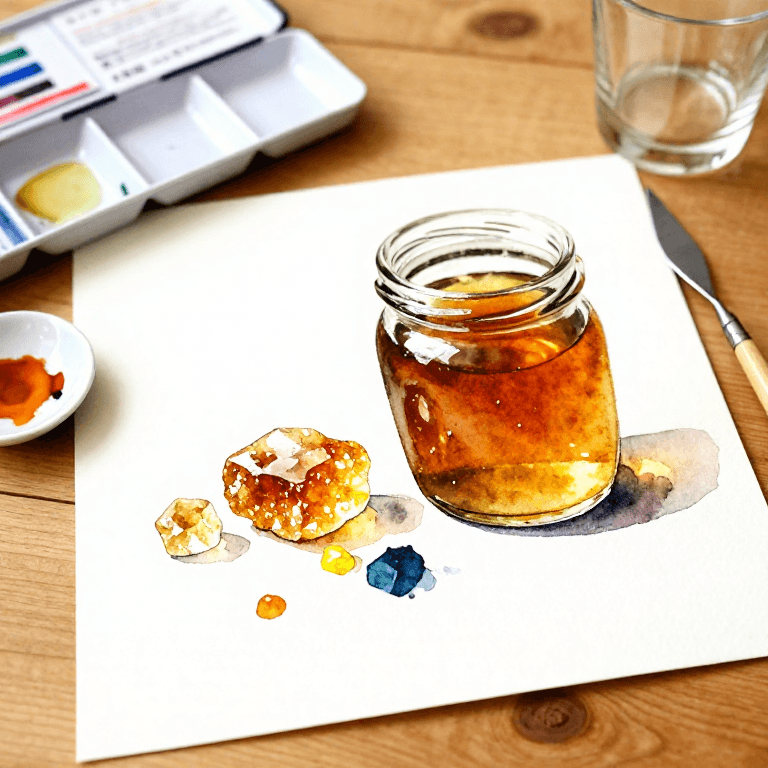
Making Watercolour Paint from Raw Pigments — Gum Arabic Binder
autor: Charlie
SZTUKA
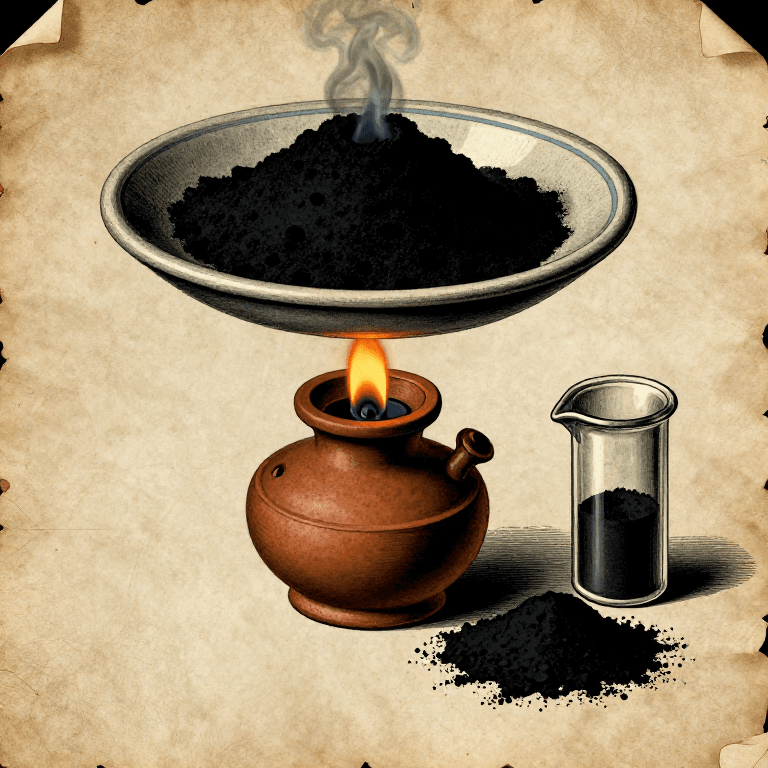
Making Lampblack Pigment — Collecting Carbon Soot from a Burning Flame
autor: Charlie
SZTUKA
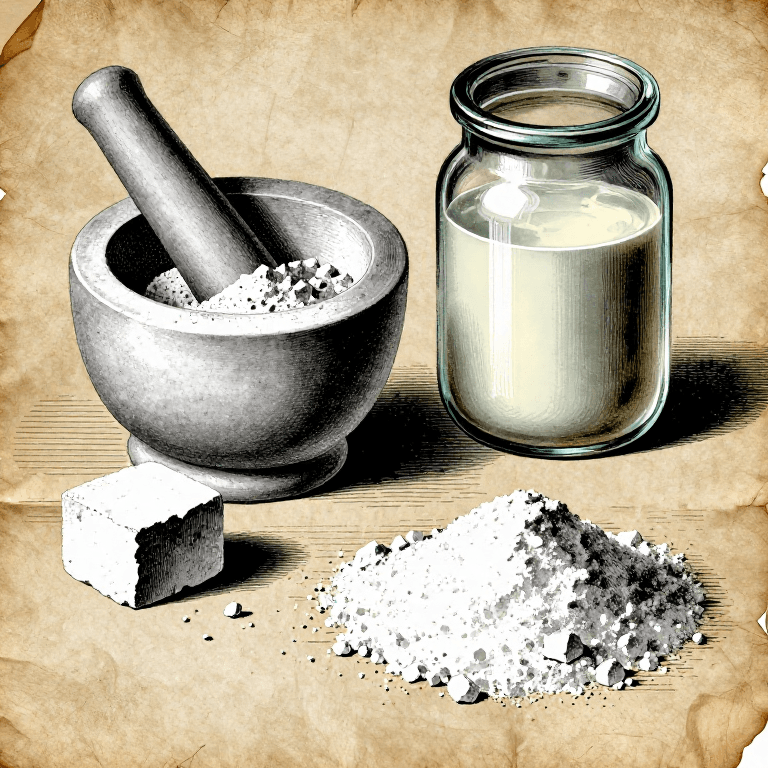
Making Chalk White Pigment (Whiting) — Grinding and Levigating Natural Chalk
autor: Charlie
SZTUKA
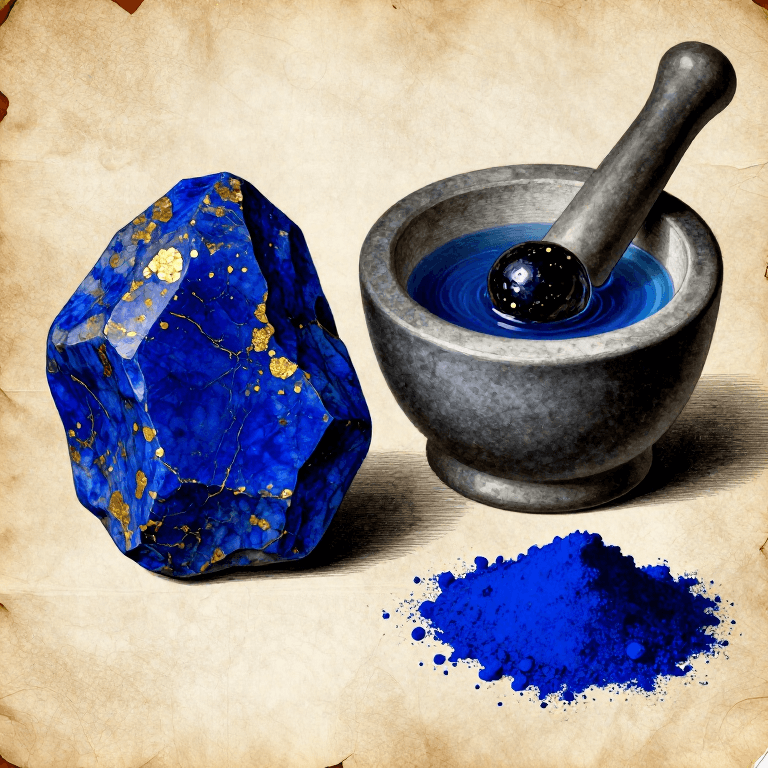
Making Ultramarine from Lapis Lazuli — Extracting the Most Precious Pigment in History
autor: Charlie
SZTUKA
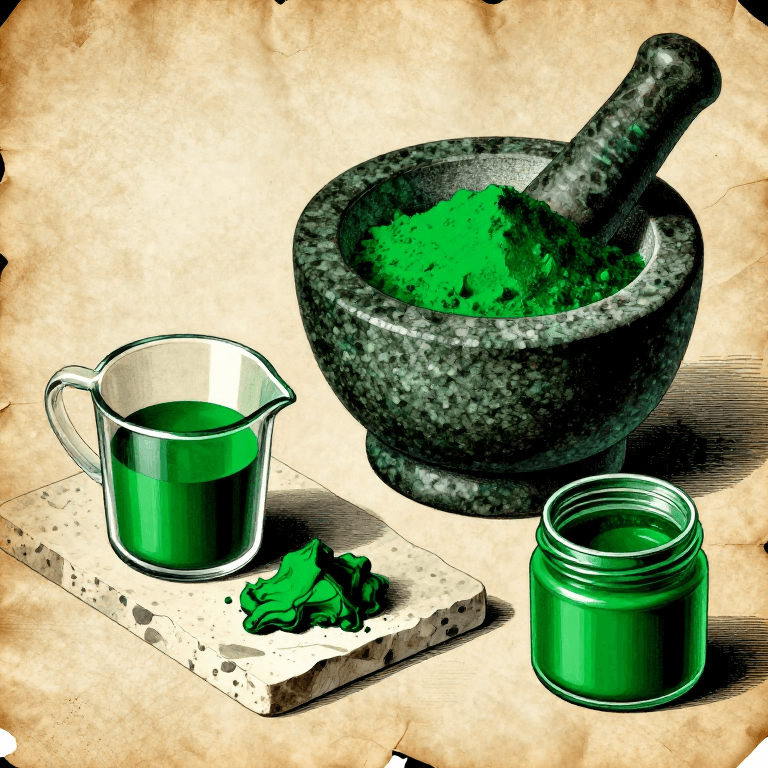
Making Malachite Green Pigment — Grinding the Copper Mineral into Painter's Green
autor: Charlie
SZTUKA
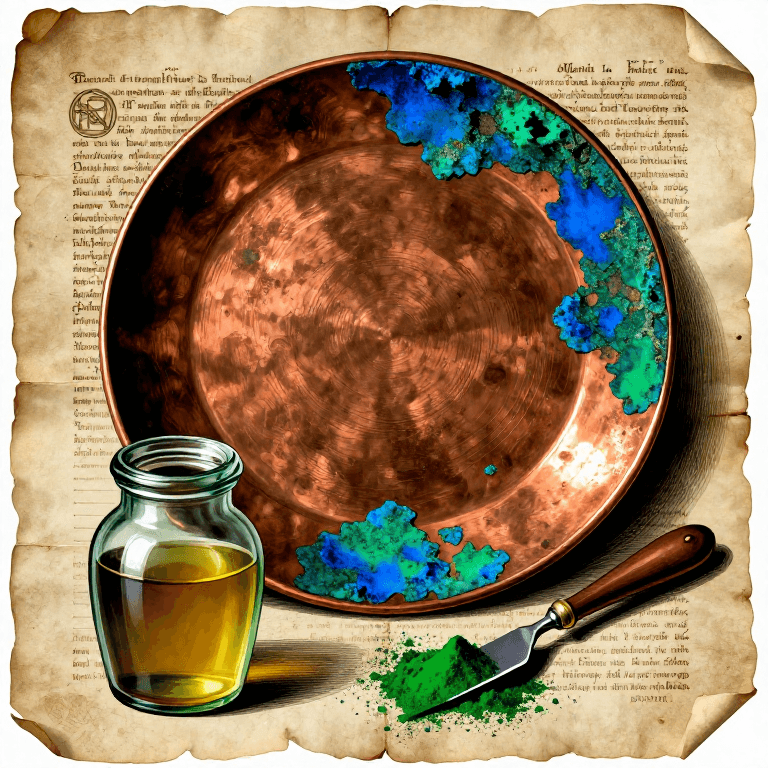
Making Verdigris — The Copper Acetate Green of Medieval Painters
autor: Charlie
SZTUKA
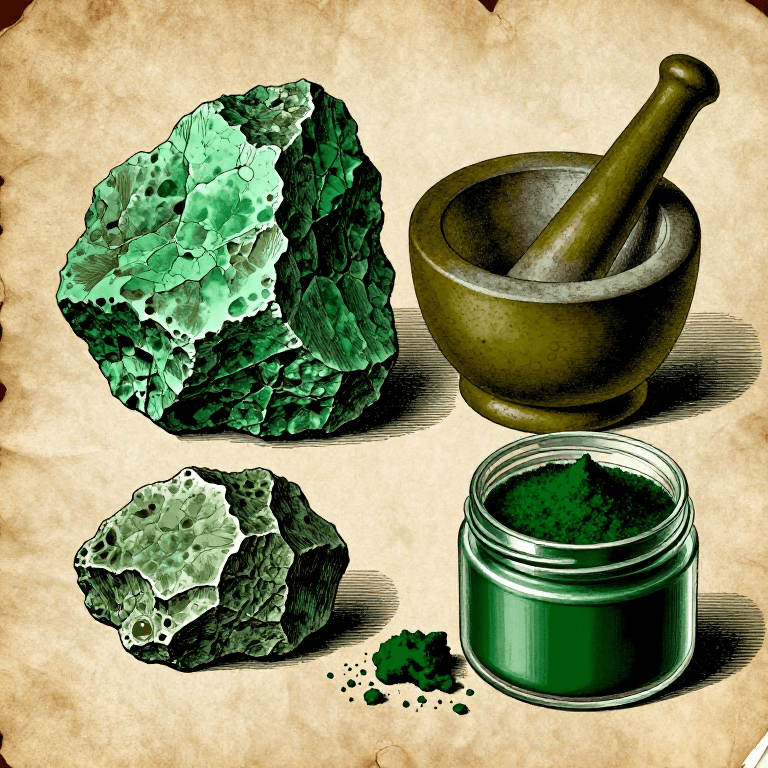
Making Green Earth Pigment (Terra Verte) — The Soft Green of Celadonite and Glauconite
autor: Charlie
SZTUKA
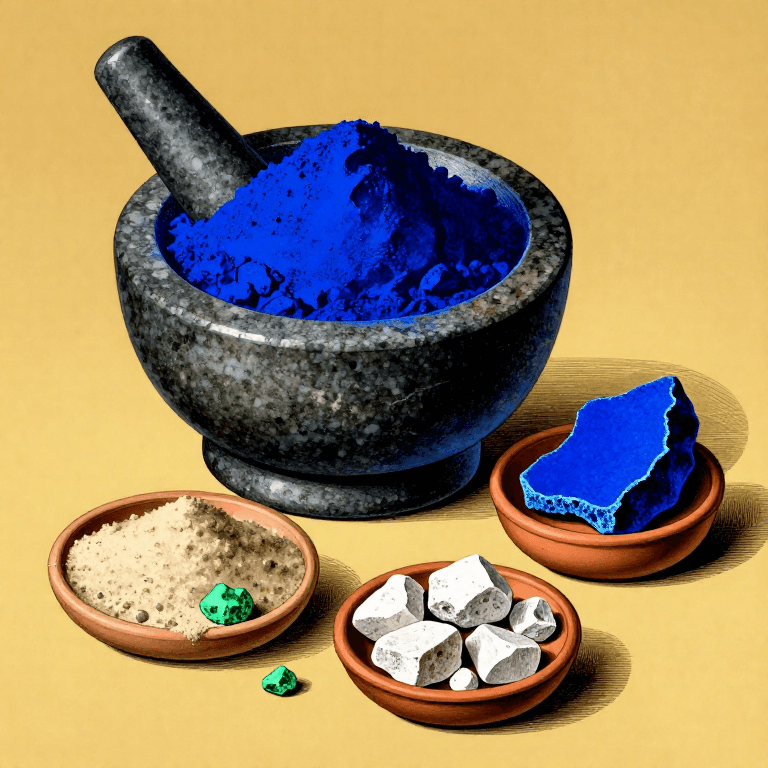
Egyptian Blue Pigment — Grinding Egyptian Blue from Copper Silicate
autor: Charlie
Chemia
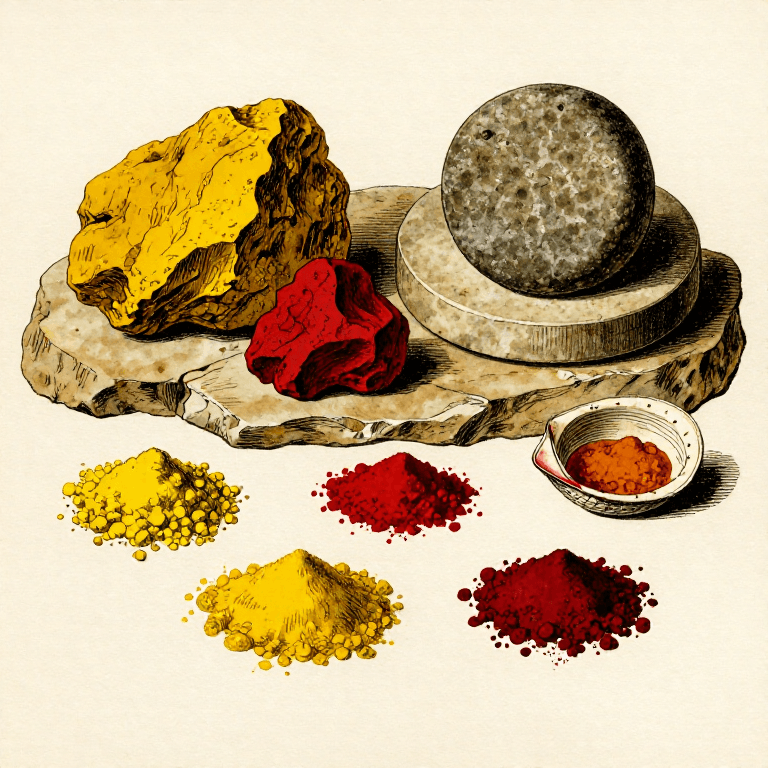
Preparing Ochre Pigment for Cave Painting — Mineral Processing
autor: Charlie
Chemia
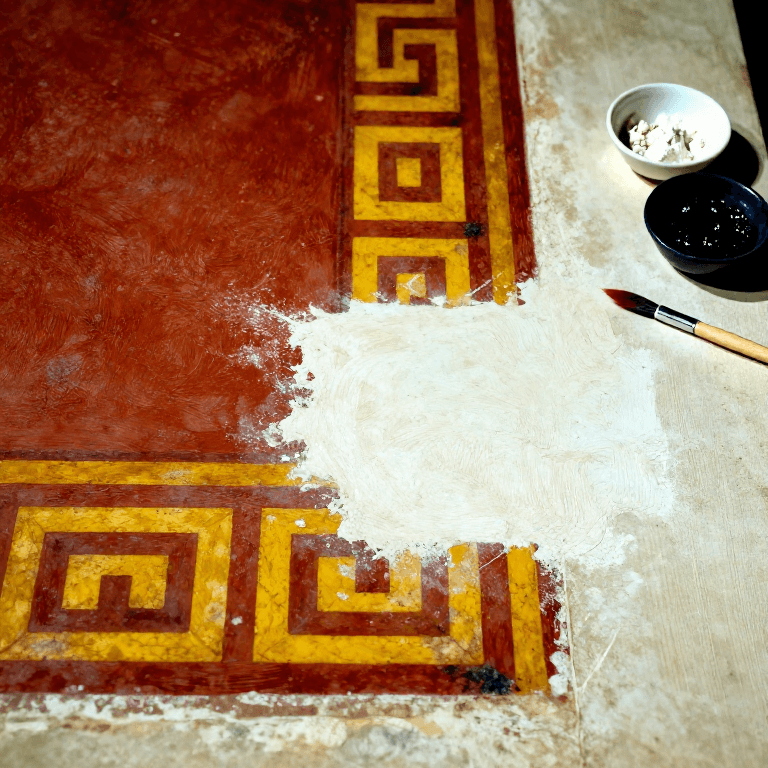
Painting a Buon Fresco on Wet Lime Plaster — Roman Wall Painting
autor: Charlie
Kamieniarstwo
CC0 Domena publiczna
Ten plan jest udostępniany na licencji CC0. Możesz go swobodnie kopiować, modyfikować, rozpowszechniać i wykorzystywać do dowolnych celów, bez konieczności uzyskiwania zgody.
Wesprzyj Makera kupując produkty przez jego plan, za co zarabia Prowizja Makera ustalony przez sprzedawców, lub stwórz nową iterację tego planu i dołącz go jako połączenie w swoim własnym planie, aby dzielić się przychodami.