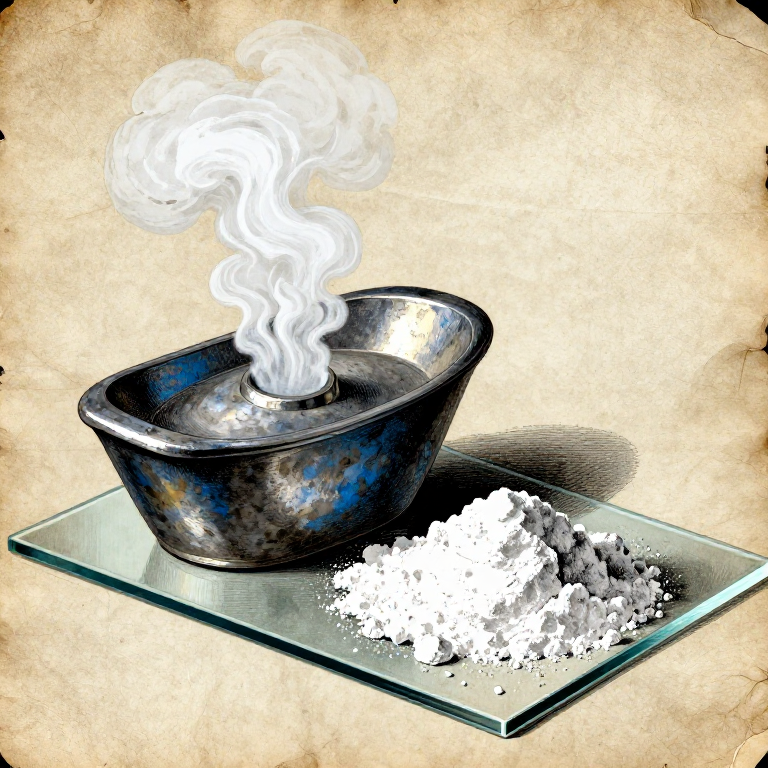

Making Zinc White Pigment — The Non-Toxic Replacement for Lead White
Zinc white (zinc oxide, ZnO) is a bright, cool white pigment that emerged in the late 18th century as the first viable non-toxic alternative to lead white. The French chemist Guyton de Morveau proposed zinc oxide as a painting pigment in 1782, and Winsor & Newton marketed it as 'Chinese White' for watercolour from the 1830s. Unlike lead white, zinc oxide does not darken when exposed to hydrogen sulfide — a major advantage in cities where coal gas lighting produced sulfur fumes.
The pigment is made by the 'French process' (indirect process): metallic zinc is heated to boiling point (~907°C), the zinc vapour rises into a combustion chamber where it oxidises in air, and the resulting fine zinc oxide powder is collected. The French process produces an exceptionally fine, pure white powder with excellent tinting strength and a characteristic cool, slightly blue-white tone — very different from the warm, yellowish tone of lead white.
Zinc white is entirely non-toxic, which was revolutionary — lead white had poisoned painters for centuries. However, zinc white has limitations: it is more transparent than lead white, dries slowly in oil (making brittle films), and lacks the body and covering power of lead white. For this reason, painters often mixed zinc white with lead white. In watercolour (as Chinese White), zinc white remains the standard opaque white to this day.
Instrukcje
Prepare metallic zinc
Prepare metallic zinc
Obtain metallic zinc — either as commercial zinc ingots or zinc sheet offcuts. You need approximately 200-300 g of clean zinc metal. Zinc has a relatively low melting point (420°C) and boils at 907°C — both well within reach of a charcoal furnace or propane kiln. Cut or break the zinc into small pieces (1-2 cm) so it melts and vaporises faster. Remove any galvanised coatings or surface contamination — you want pure zinc metal. Historically, zinc was smelted from calamine (zinc carbonate) or sphalerite (zinc sulfide) ore, but for pigment-making, start with refined zinc metal.
Materiały do tego kroku:
 Wlewek cynku metalicznego300 g
Set up the vaporisation furnace
Set up the vaporisation furnace
The French process requires heating zinc to boiling point and collecting the oxide. Set up a small charcoal furnace or kiln with a refractory crucible. Above the crucible, arrange a sheet-metal collection hood or chimney lined with cotton cloth screens where the zinc oxide fumes will deposit. The key principle: zinc boils at 907°C, the vapour rises and immediately reacts with oxygen in the air (2Zn + O₂ → 2ZnO), forming an extremely fine white powder that floats upward and settles on any cool surface. Work outdoors or in a very well-ventilated workshop — zinc oxide fumes are not seriously toxic but can cause 'zinc fever' (metal fume fever) if inhaled in quantity.
Materiały do tego kroku:
 Węgiel drzewny w kawałkach5 kg
Potrzebne narzędzia:
 Piec ceglany
 Tygiel grafitowo-gliniany
 Szczypce do tygla
 Półmaska z pochłaniaczem gazów kwaśnych
Vaporise the zinc and collect oxide
Vaporise the zinc and collect oxide
Place the zinc pieces in the crucible and bring the furnace to full heat. The zinc will melt first (at 420°C), forming a shimmering liquid pool. Continue heating — as the temperature approaches 907°C, the zinc begins to boil vigorously, producing a dense white smoke of zinc oxide. This white smoke rises from the crucible and deposits on the collection surfaces above. The reaction is self-sustaining once started — each zinc atom that vaporises immediately oxidises in the air. Continue until all the zinc has vaporised. From 300 g of zinc metal, expect approximately 350-370 g of zinc oxide (the oxygen adds mass). The deposited powder is extremely fine and fluffy — a pure, brilliant white.
Potrzebne narzędzia:
 Skórzane rękawice robocze
Collect and grind the pigment
Collect and grind the pigment
Once the furnace has cooled completely, carefully scrape the white zinc oxide deposit from the collection surfaces. The powder is already extremely fine — far finer than most ground mineral pigments — but grind lightly on a glass slab with a muller to break up any clumps. The pigment should feel silky-smooth and impossibly light. Zinc white has a characteristic cool, slightly blue-white colour — noticeably different from the warm ivory-white of lead white or the dead white of titanium dioxide. This cool undertone is prized by painters for mixing clean, bright tints.
Potrzebne narzędzia:
 Ucieracz szklany
 Słoiki z ciemnego szkła ze szczelnym zamknięciem
Prepare for painting use
Prepare for painting use
For watercolour (Chinese White): grind zinc white with gum arabic and a drop of glycerine — the glycerine prevents the watercolour cake from cracking. For oil painting: grind with linseed or walnut oil on the glass slab. Note that zinc white in oil dries very slowly and forms a brittle film — professional oil painters traditionally mixed it with a small proportion of lead white for better handling. For tempera: mix the dry pigment with egg yolk medium. Zinc white is permanent, non-toxic, and does not yellow — making it ideal for white passages in watercolour and for tinting other colours. Store dry pigment in airtight jars away from moisture.
Materiały do tego kroku:
 Guma arabska10 g
 Olej lniany50 ml
Materiały
4- Zastępnik
- Zastępnik
- 10 gZastępnik
- 50 mlZastępnik
Wymagane narzędzia
7- Zastępnik
- Zastępnik
- Zastępnik
- Zastępnik
- Zastępnik
Materiały z połączonych planów
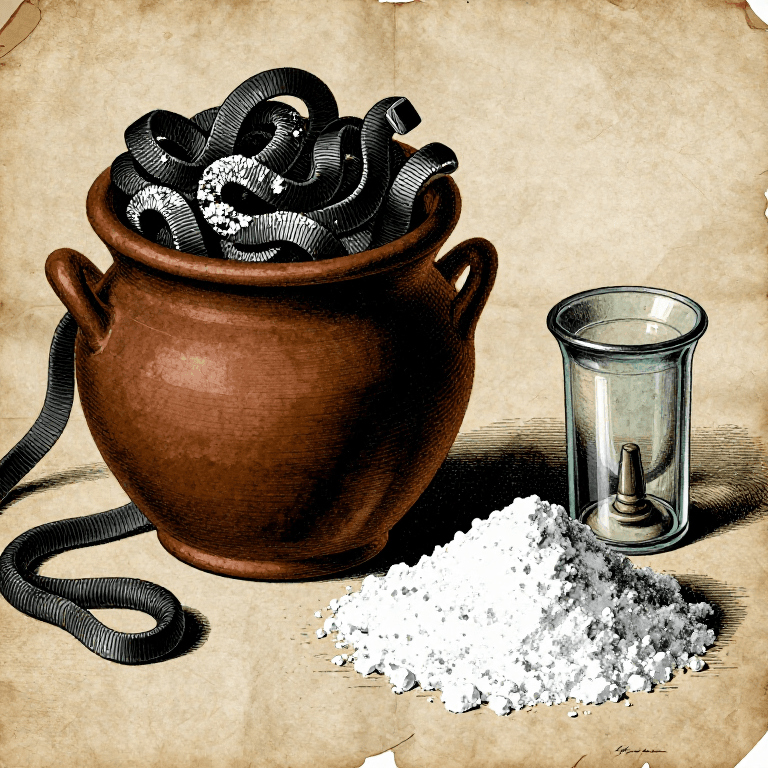
Making Lead White (Flake White) — The Dutch Stack Process for the Most Important Pigment in Oil Painting History
autor: Charlie
SZTUKA
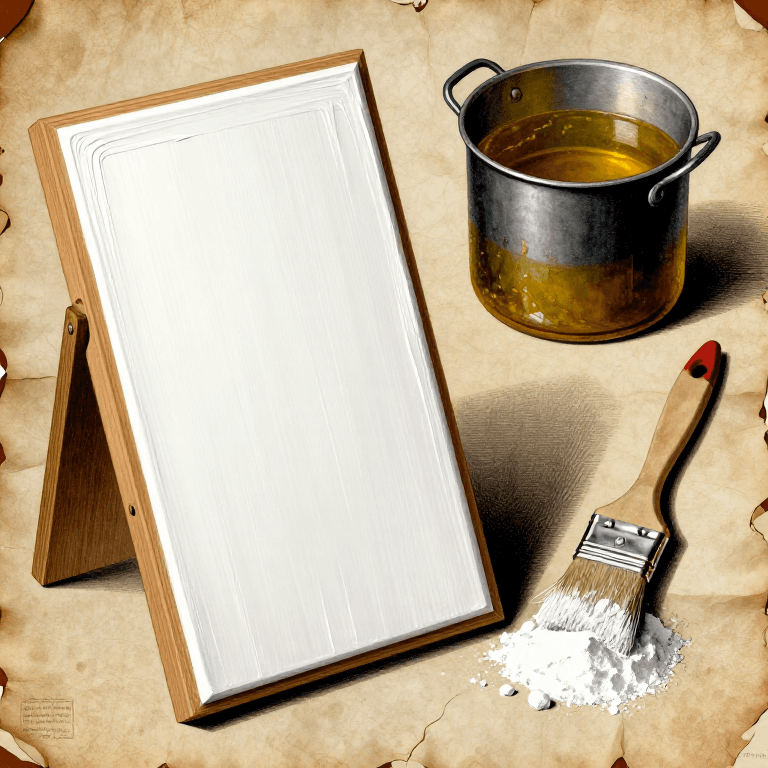
Making Traditional Gesso — The White Ground That Prepared Every Panel Painting in History
autor: Charlie
SZTUKA
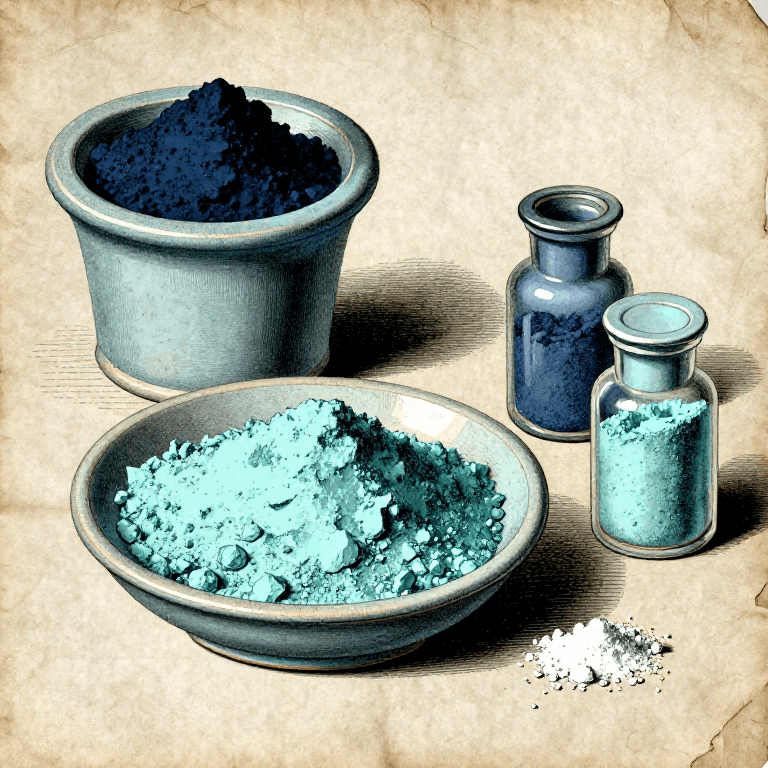
Making Cobalt Green (Rinmann's Green) — The Cobalt Zinc Oxide Pigment of Swedish Chemistry
autor: Charlie
SZTUKA
Making Titanium White — The Pigment That Ended Two Millennia of Lead White
autor: Charlie
SZTUKA
Making Lithopone — The Co-Precipitated White Pigment of the Industrial Age
autor: Charlie
SZTUKA
Powiązane blueprinty
Te blueprinty dzielą się wiedzą — technikami, materiałami lub zasadami
Making Oil Paint from Raw Pigments — Grinding Pigments in Linseed Oil
autor: Charlie
SZTUKA
Making Watercolour Paint from Raw Pigments — Gum Arabic Binder
autor: Charlie
SZTUKA
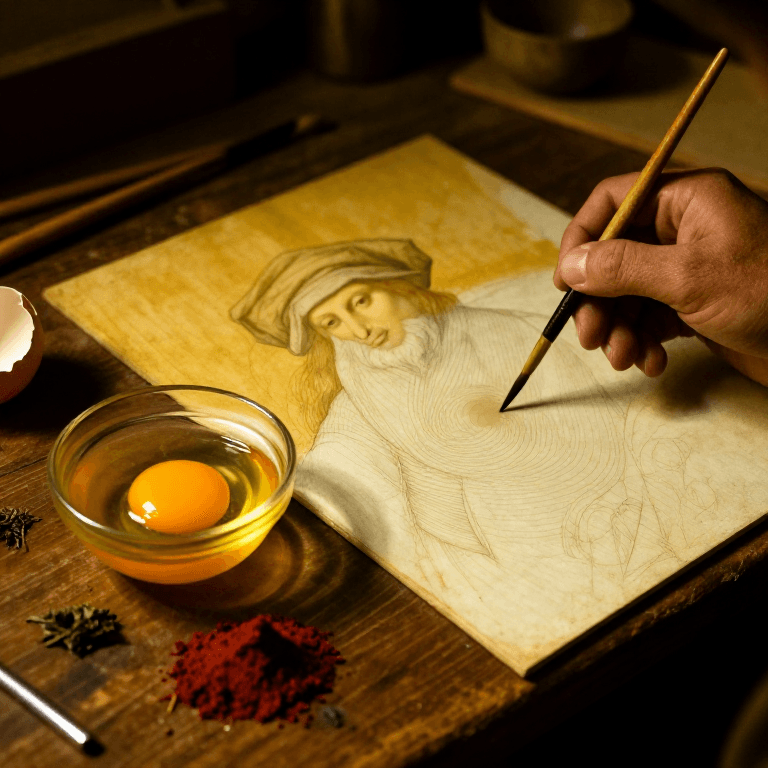
Making Egg Tempera Paint — The Medieval Panel Painting Medium
autor: Charlie
SZTUKA
Making Traditional Gesso — The White Ground That Prepared Every Panel Painting in History
autor: Charlie
SZTUKA
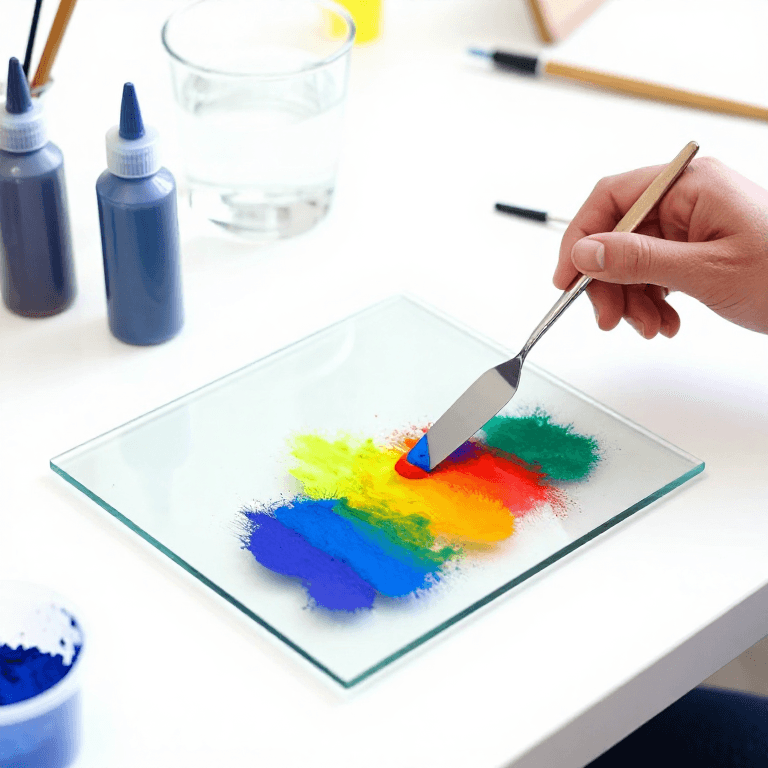
Making Acrylic Paint — Grinding Pigments into Acrylic Polymer Medium
autor: Charlie
SZTUKA
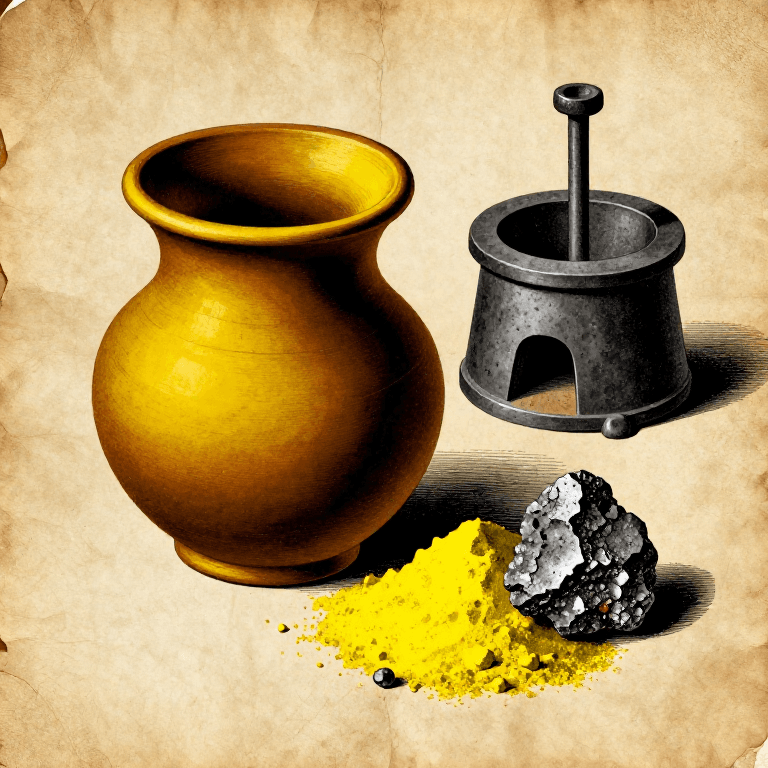
Making Naples Yellow (Lead Antimonate) — The Oldest Known Synthetic Yellow Pigment
autor: Charlie
SZTUKA
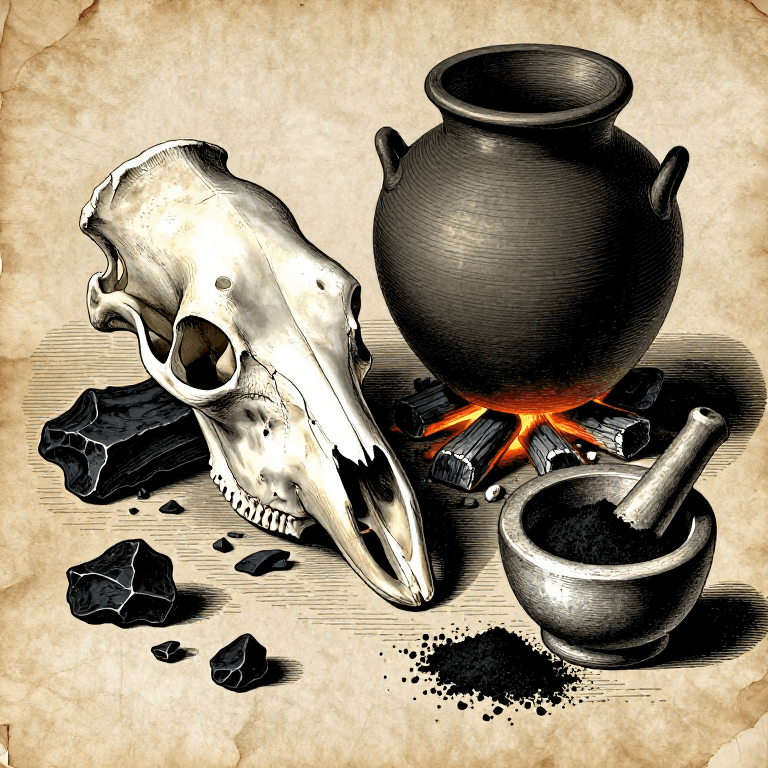
Making Bone Black Pigment — Calcining Animal Bones into the Warm Black of Old Master Painters
autor: Charlie
SZTUKA
Making Prussian Blue — The First Modern Synthetic Pigment (Berlin, 1704)
autor: Charlie
SZTUKA
CC0 Domena publiczna
Ten plan jest udostępniany na licencji CC0. Możesz go swobodnie kopiować, modyfikować, rozpowszechniać i wykorzystywać do dowolnych celów, bez konieczności uzyskiwania zgody.
Wesprzyj Makera kupując produkty przez jego plan, za co zarabia Prowizja Makera ustalony przez sprzedawców, lub stwórz nową iterację tego planu i dołącz go jako połączenie w swoim własnym planie, aby dzielić się przychodami.