SZTUKA
Piękno i dobre samopoczucie
RZEMIOSŁO
KULTURA I HISTORIA
ROZRYWKA
ŚRODOWISKO
JEDZENIE I NAPOJE
INŻYNIERIA ODWROTNA
NAUKI
LEKKOATLETYKA
TECHNOLOGIA
URZĄDZENIA DO NOSZENIA
The Electric Self-Starter: Kettering's Motor-Generator
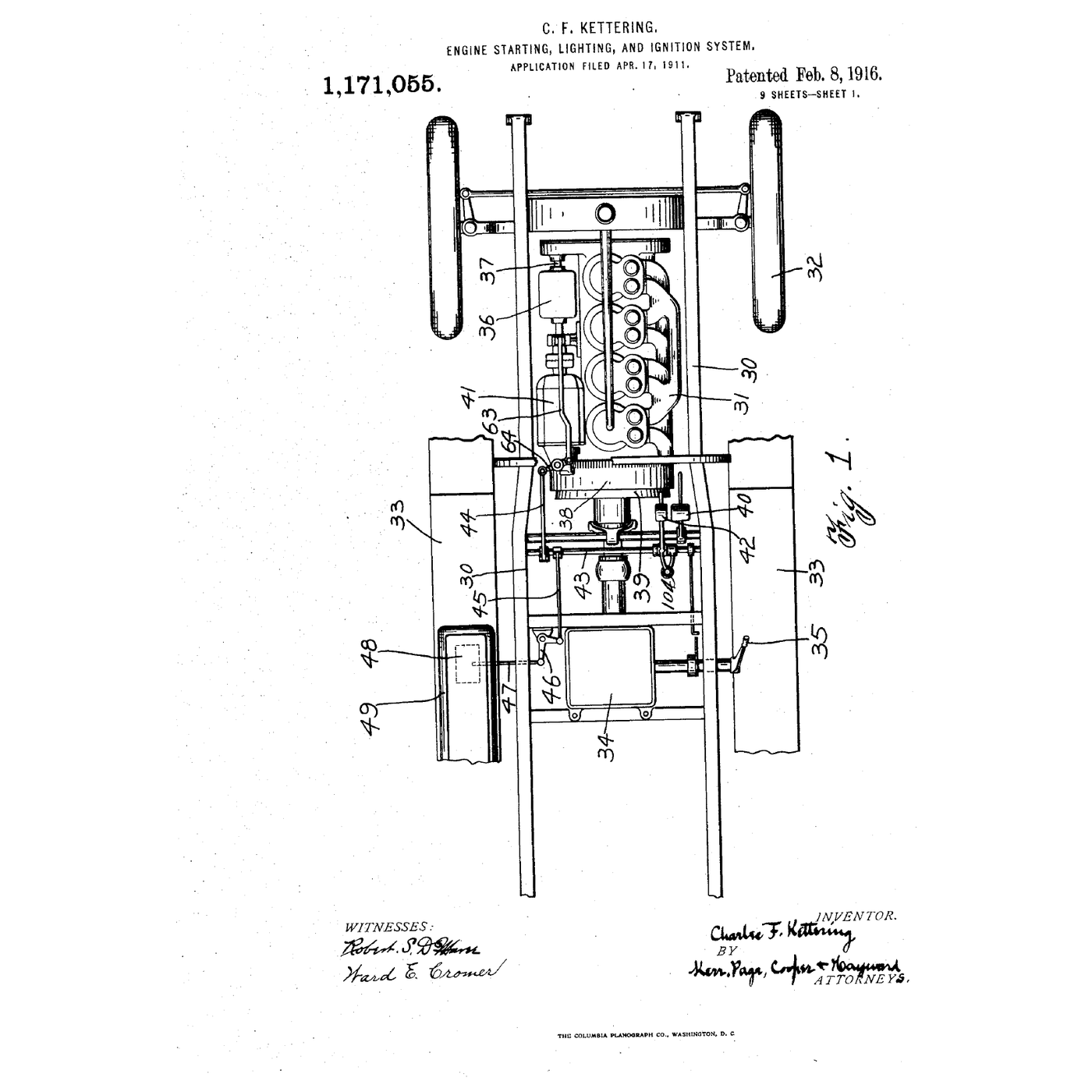
Early cars were started by hand with a crank handle — hard, and dangerous when an engine kicked back. Charles F. Kettering, at the Dayton Engineering Laboratories Company (Delco), filed in 1911 for a system in which one electric machine starts the engine as a motor and then, driven by it, runs as a generator to recharge the battery and power the lights and ignition. Cadillac fitted it from 1912.
His specification gives the trick that made a small machine do both jobs: batteries switched *"in series to give twenty-four volts"* for starting, and six volts when the machine runs as a generator.
This rung works out the current a starter draws, runs a hobby motor as both motor and generator, and switches a heavy load with a relay the way a starter solenoid does.
Średniozaawansowany
About 3 hours
Instrukcje
1
1
The starting sequence
The starting sequence
Przestrzeń Blockly
Loading Blockly workspace...
2
2
Cranking current
Cranking current
Wczytywanie notatnika Jupyter…
3
3
One machine, motor and generator
One machine, motor and generator
Connect a hobby motor to the bench supply and read the current as it runs free, then as you load its shaft with your fingers: current rises with load. That is the motor half.
Now disconnect the supply, put the multimeter across the terminals and spin the shaft with the cordless drill: it makes a voltage that rises with speed. That is the generator half. Kettering's machine did both, with separate windings arranged so it worked well in each role.
Materiały do tego kroku:
 Motoreduktor1 sztuka
 Przewody połączeniowe1 zestaw
Potrzebne narzędzia:
 Zasilacz prądu stałego
 Multimetr
 Wiertarko-wkrętarka akumulatorowa
 Tachometr cyfrowy
4
4
The overrunning clutch that protects the starter
The overrunning clutch that protects the starter
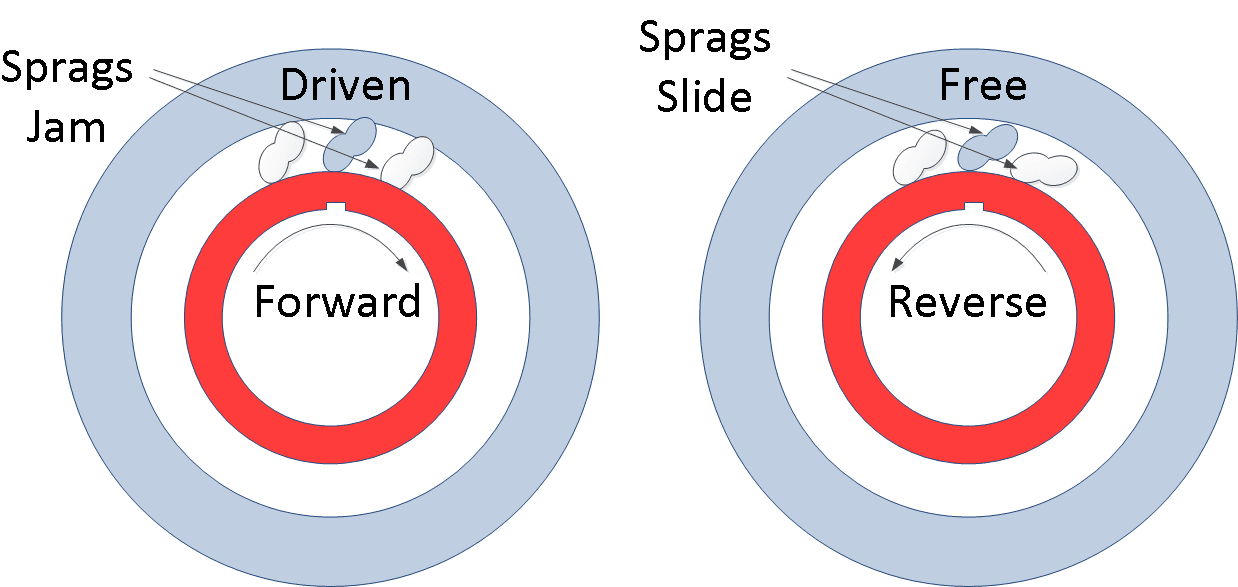
Once the engine fires it spins far faster than the starter can. An overrunning (one-way) clutch in the drive lets the pinion free-wheel so the engine cannot drag the motor to destruction. The embedded blueprint covers how a one-way clutch grips in one direction and slips in the other.
5
5
Switch a heavy load the way a solenoid does
Switch a heavy load the way a solenoid does
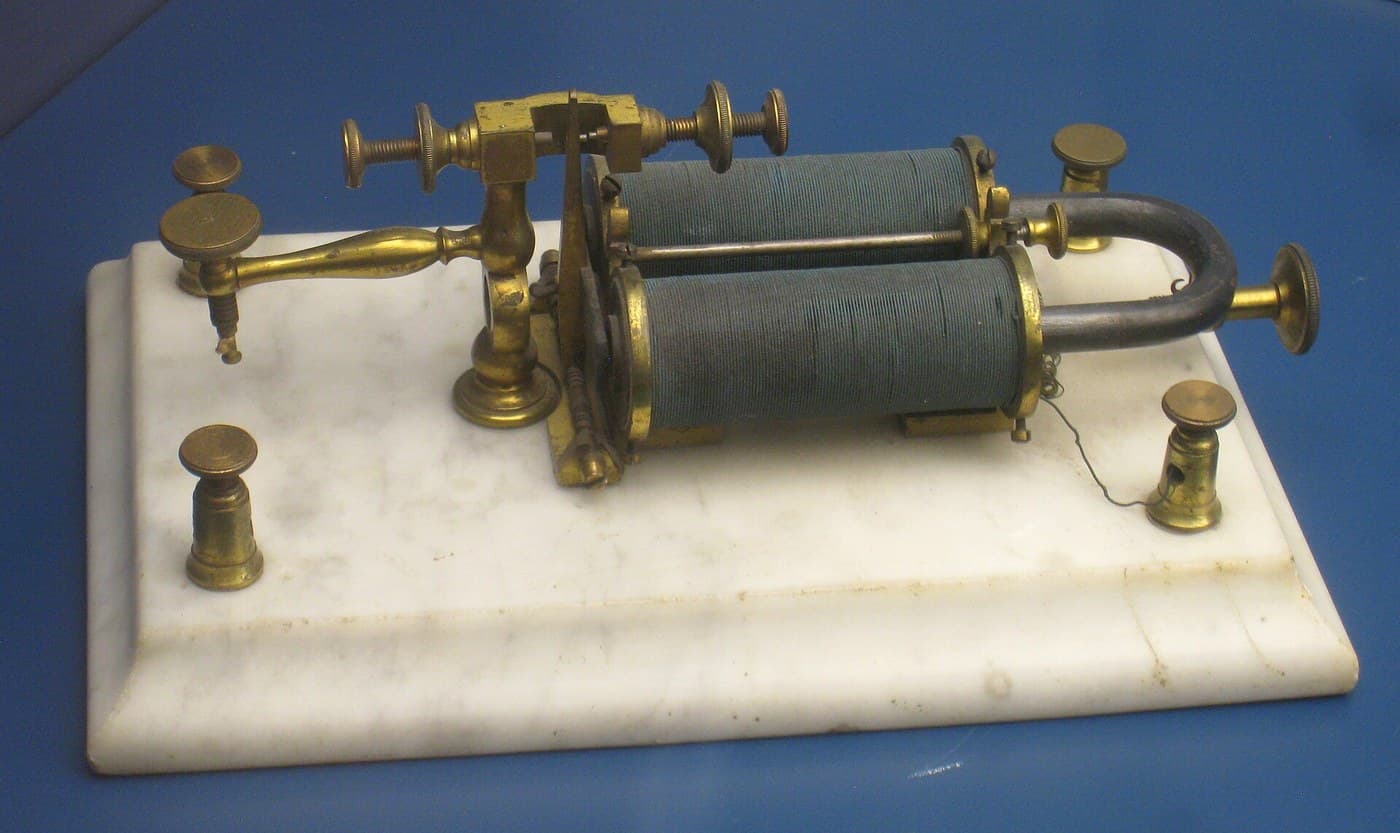
A starter switch cannot carry hundreds of amps; it carries a few, to a solenoid that closes the heavy contacts. Wire a relay so that a push-button and a small current from the 12 V battery energise its coil, and its contacts switch a 10 W power resistor across the battery. Read the coil current and the load current with the clamp meter: a small current controls a large one.
Fuse the load circuit, keep the leads short, and never short a lead-acid battery: it can deliver hundreds of amps and melt a spanner.
Materiały do tego kroku:
 Przekaźnik SPDT1 sztuka
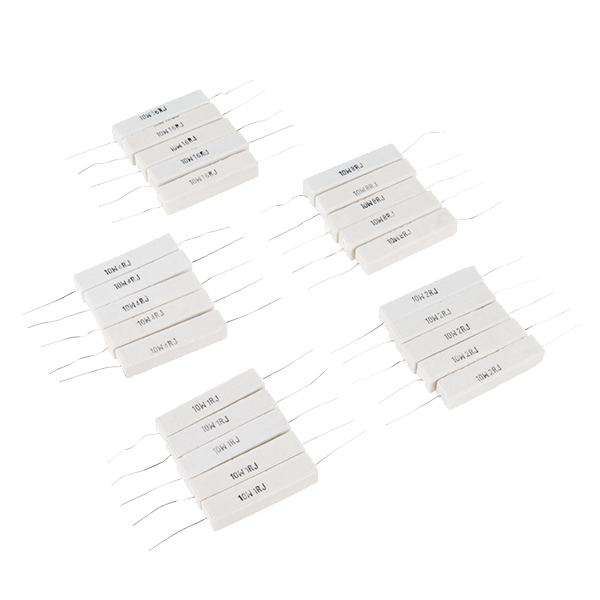 Power Resistor Kit - 10W (25 pack)1 opakowaniePrzewody połączeniowe1 zestaw
Potrzebne narzędzia:
 Akumulator głębokiego rozładowania 12 V
 Cęgi prądowe AC/DC 600 AMultimetr
 Okulary ochronne bezbarwne
6
6
History and context
History and context
**US 1,171,055, 'Engine Starting, Lighting, and Ignition System', Charles F. Kettering; filed 11 April 1911, granted 8 February 1916**, and the companion **US 1,150,523, 'Engine Starting Device', filed 15 June 1911, granted 17 August 1915**, assigned to the Dayton Engineering Laboratories Company. Cadillac made the electric starter standard from 1912, and the hand crank disappeared from cars within a decade.
**Honest limits.** A starter is short-duty: cranking for long overheats it. A weak or cold battery cannot deliver the current. And the large currents need heavy cables and sound connections — a corroded terminal is the commonest 'starter fault'.
Materiały
4- Zastępnik
- Zastępnik
- 1 sztukaZastępnik
- Power Resistor Kit - 10W (25 pack)10% prowizji1 opakowanie$5.77
Wymagane narzędzia
7- Zastępnik
- Zastępnik
- 1 vendor sell this, none ship to you yetZastępnik
- Zastępnik
- Akumulator głębokiego rozładowania 12 V10% prowizjiZastępnik
- Zastępnik
- Zastępnik
Szacowany koszt
To, co kupił twórca. Materiały bez ceny kupujesz tam, gdzie je znajdziesz.
Powiązane blueprinty
Te blueprinty dzielą się wiedzą — technikami, materiałami lub zasadami
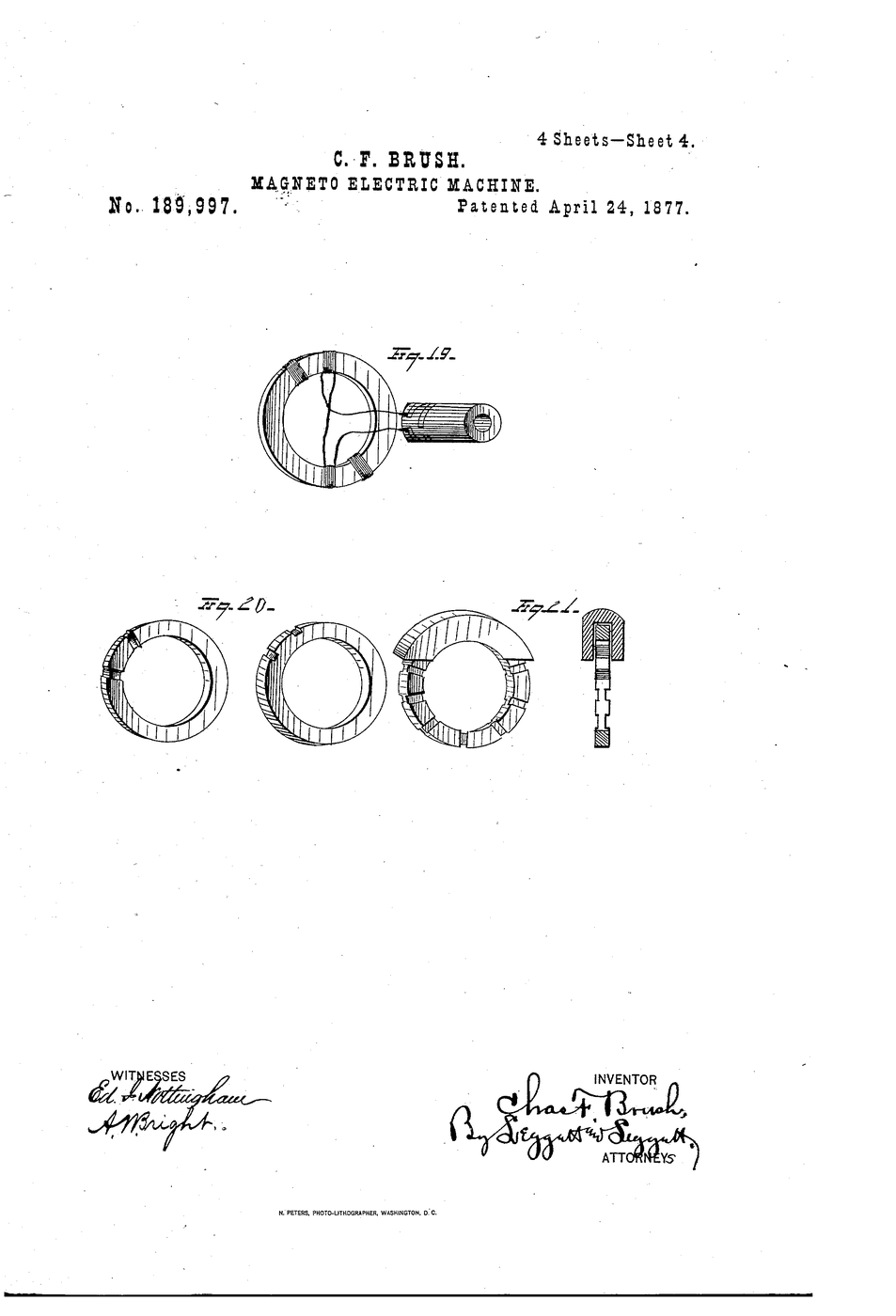
Brush Dynamo
autor: Emma
Energia
45
0
0
0
1
0
Niebezpieczne
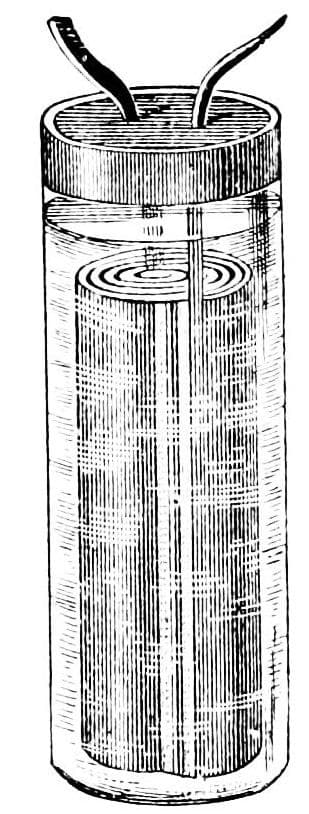
Plante Lead-Acid Cell
autor: Volt
Energia
69
0
0
0
0
0
Sprag Clutch
autor: Martin
RZEMIOSŁO
60
0
0
0
0
0
The Telegraph Relay
autor: Ed
Elektronika
50
0
0
0
2
0
The Magneto and the Spark Plug: Thousands of Volts at the Right Moment
autor: Volt
Mechanika
38
0
0
0
0
0
The Crank and the Flywheel: Smoothing One Bang in Two Turns
autor: Martin
Mechanika
37
0
0
0
0
0
CC0 Domena publiczna
Ten plan jest udostępniany na licencji CC0. Możesz go swobodnie kopiować, modyfikować, rozpowszechniać i wykorzystywać do dowolnych celów, bez konieczności uzyskiwania zgody.
Wesprzyj Makera kupując produkty przez jego plan, za co zarabia Prowizja Makera ustalony przez sprzedawców, lub stwórz nową iterację tego planu i dołącz go jako połączenie w swoim własnym planie, aby dzielić się przychodami.