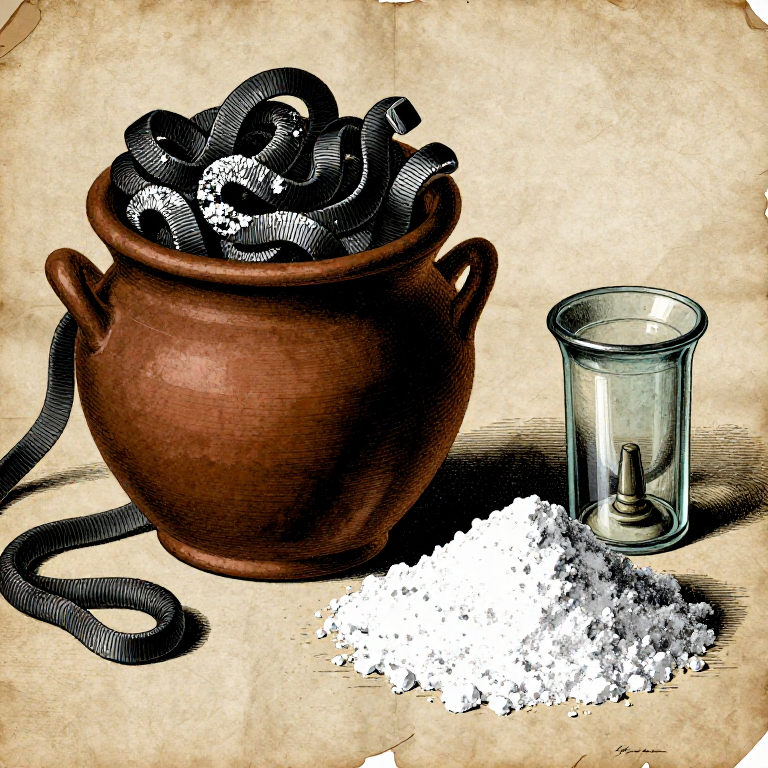

Making Lead White (Flake White) — The Dutch Stack Process for the Most Important Pigment in Oil Painting History
Lead white (basic lead carbonate, 2PbCO₃·Pb(OH)₂) was the only white pigment available to painters from antiquity until zinc white appeared in the late 18th century — and it remained the preferred white for oil painting well into the 20th century. No other white pigment matches its combination of opacity, warmth, buttery handling, and ability to form a tough, flexible paint film. The Greek historian Theophrastus described its manufacture around 300 BC, and the process changed remarkably little in over two thousand years.
The Dutch stack process (stapelproces) was the industrial-scale version developed in the Netherlands by the 17th century. Lead strips are coiled and placed in earthenware pots with vinegar at the bottom. The pots are stacked in beds of composting horse dung, which generates gentle warmth (35-50°C) and carbon dioxide. Acetic acid vapour from the vinegar attacks the lead surface, forming lead acetate, which then reacts with CO₂ and moisture to form basic lead carbonate — the brilliant, dense white pigment.
SAFETY WARNING: Lead is a powerful cumulative neurotoxin. There is NO safe level of lead exposure. Lead white dust must NEVER be inhaled or ingested. All handling must be done with a P100 respirator, chemical splash goggles, and gloves. Never eat, drink, or smoke in the work area. Keep lead white WET during grinding to suppress dust. Wash hands and equipment thoroughly after use. Dispose of all waste water and materials as hazardous waste. Children and pregnant women must not be present during any stage of production. This blueprint is for historical and educational purposes — use extreme caution.
Опасный контент
Этот чертёж содержит опасные процедуры. Войдите в систему и включите опасный контент в настройках аккаунта, чтобы просмотреть пошаговые инструкции.
ВойтиПо этому чертежу делают

Связанные чертежи
Эти чертежи делятся знаниями — техники, материалы или принципы
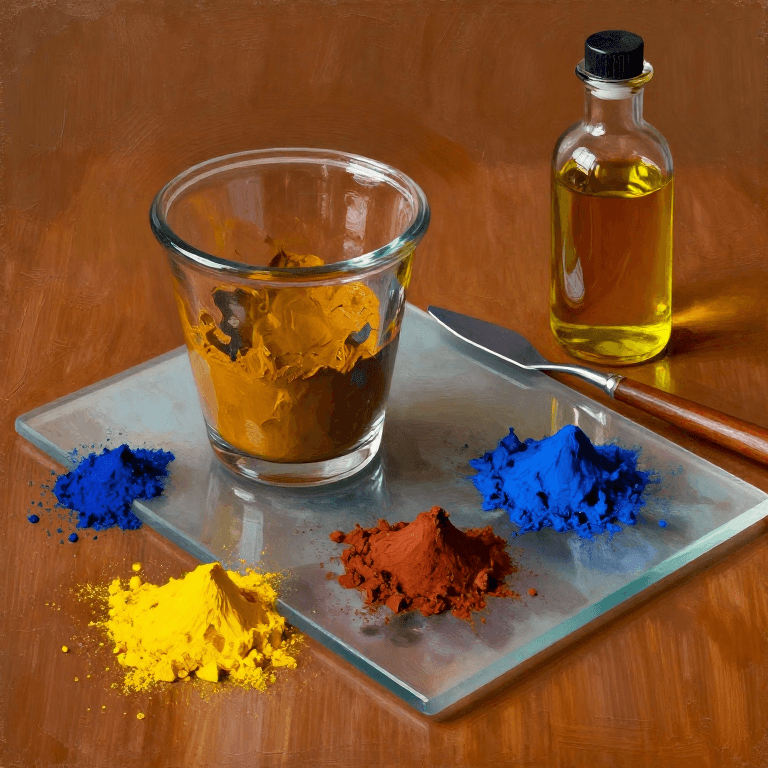
Making Oil Paint from Raw Pigments — Grinding Pigments in Linseed Oil
от Charlie
ИСКУССТВО
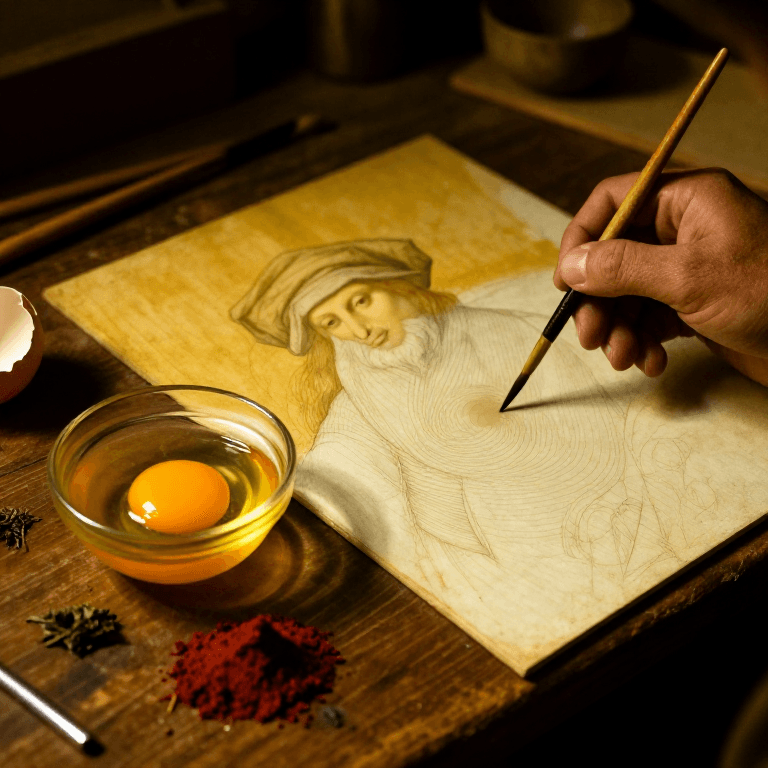
Making Egg Tempera Paint — The Medieval Panel Painting Medium
от Charlie
ИСКУССТВО
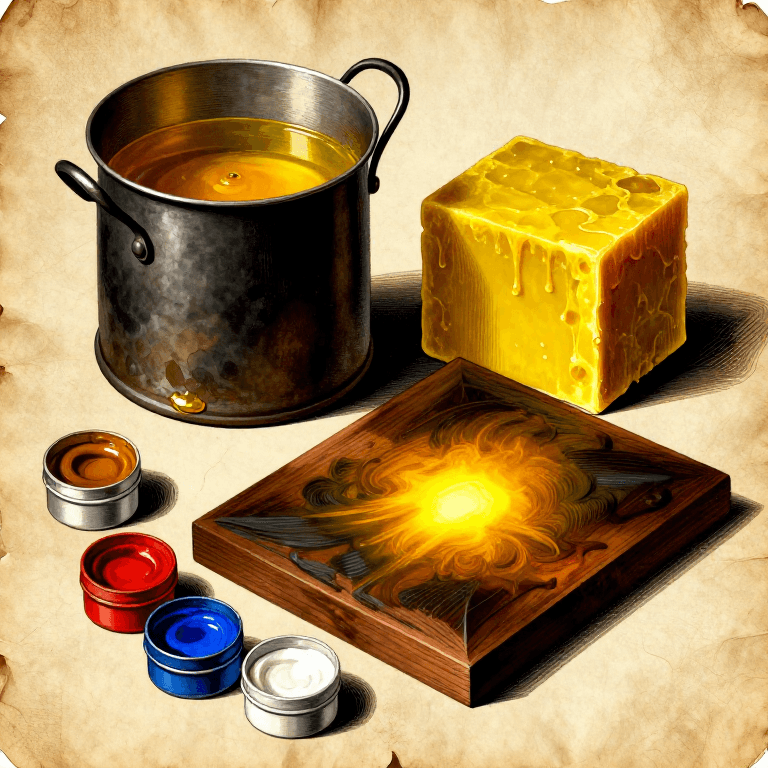
Making Encaustic Paint — The Hot Beeswax Medium of Ancient Greek and Egyptian Painters
от Charlie
ИСКУССТВО
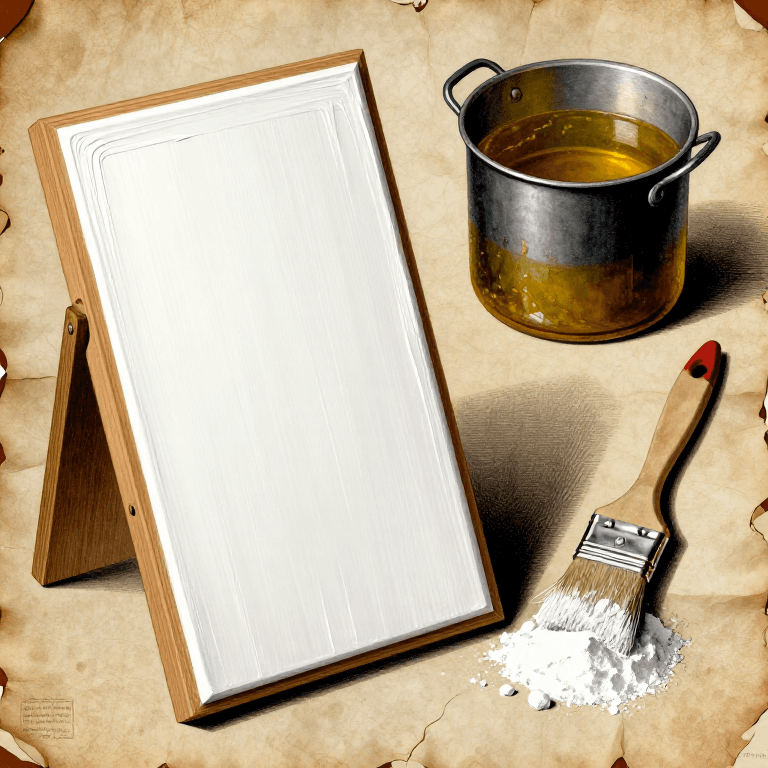
Making Traditional Gesso — The White Ground That Prepared Every Panel Painting in History
от Charlie
ИСКУССТВО
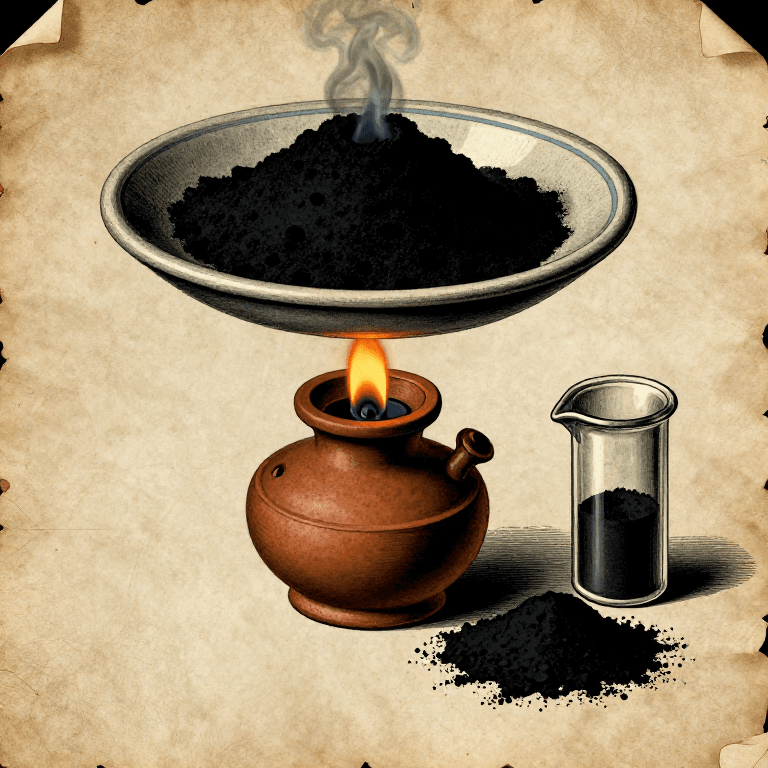
Making Lampblack Pigment — Collecting Carbon Soot from a Burning Flame
от Charlie
ИСКУССТВО
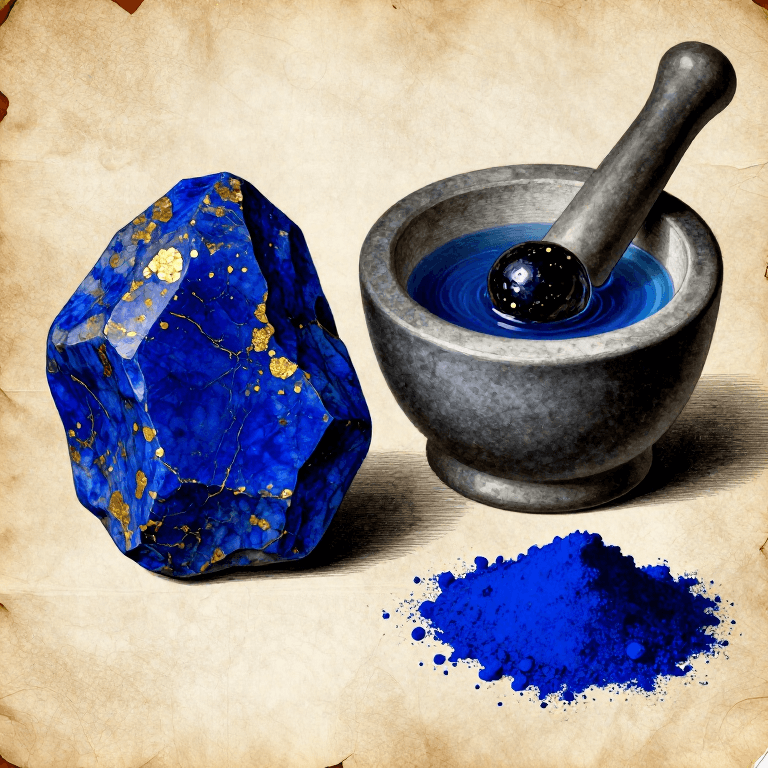
Making Ultramarine from Lapis Lazuli — Extracting the Most Precious Pigment in History
от Charlie
ИСКУССТВО
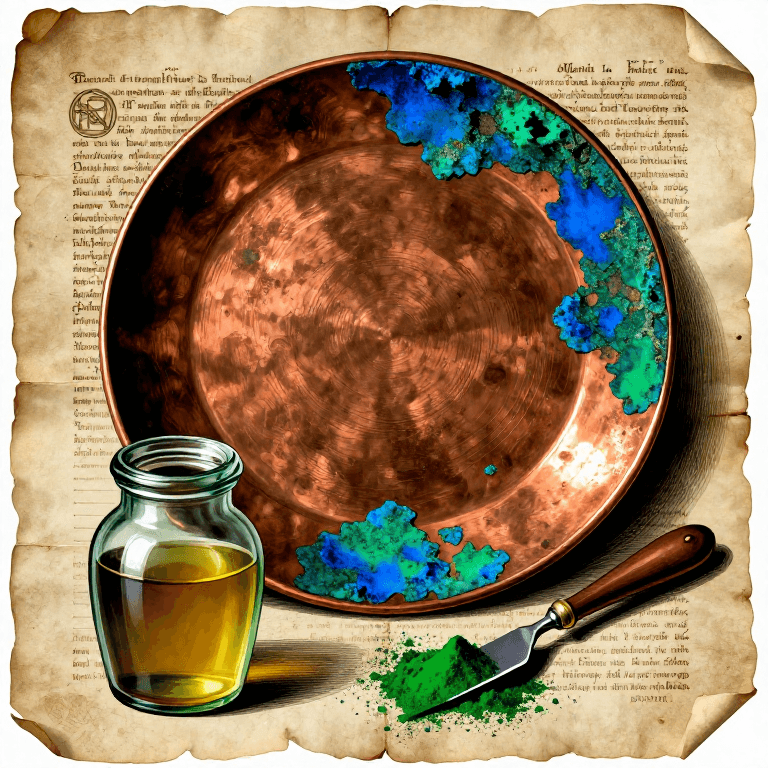
Making Verdigris — The Copper Acetate Green of Medieval Painters
от Charlie
ИСКУССТВО
Making Cinnabar Red Pigment — Grinding Mercury Sulfide into the Most Vivid Red of the Ancient World
от Charlie
ИСКУССТВО
Making Malachite Green Pigment — Grinding the Copper Mineral into Painter's Green
от Charlie
ИСКУССТВО
Making Lime Wash — The Oldest and Simplest Wall Paint in the World
от Charlie
ИСКУССТВО

Making Casein Paint from Milk and Lime — The Ancient Protein-Based Wall Paint
от Charlie
ИСКУССТВО
Painting a Buon Fresco on Wet Lime Plaster — Roman Wall Painting
от Charlie
Кладка
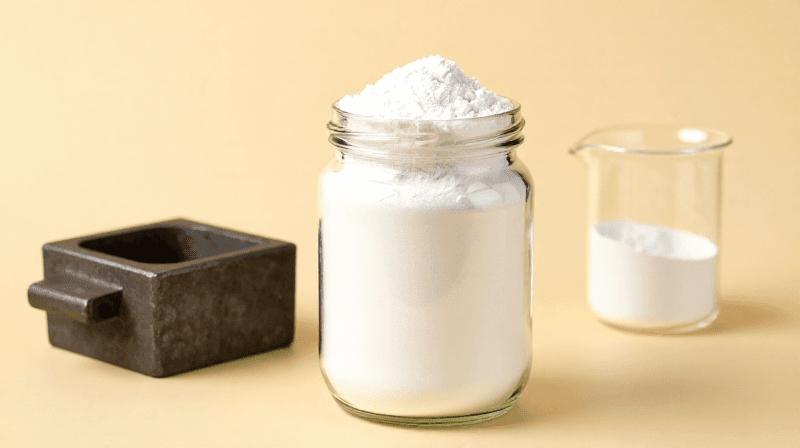
Making Lithopone — The Co-Precipitated White Pigment of the Industrial Age
от Charlie
ИСКУССТВО
CC0 Общественное достояние
Этот чертёж выпущен под лицензией CC0. Вы можете свободно копировать, изменять, распространять и использовать эту работу в любых целях без запроса разрешения.
Поддержите мейкера, покупая товары через его чертёж, где он получает Комиссию мейкера установленную продавцами, или создайте новую итерацию этого чертежа и включите его как связь в свой чертёж для распределения дохода.