
Building a Wooden Cart Wheel — Hub, Spokes, and Felloes
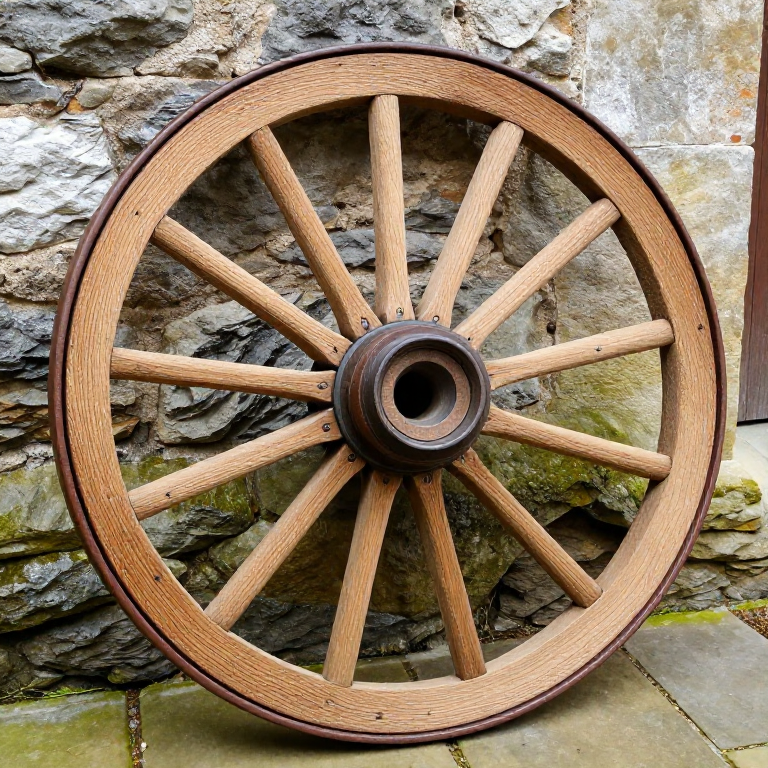
The spoked wheel is one of the greatest inventions in human history. First appearing around 2000 BCE, it made overland transport practical and remained essentially unchanged for nearly four thousand years. A wooden cart wheel is a precision assembly of three distinct components: a central hub (the nave) bored to fit the axle, a set of spokes radiating outward from the hub, and a rim (the felloe) made from curved segments joined end to end. Each component demands a different woodworking skill.
The hub is turned or carved from a single block of dense hardwood — elm is traditional because its interlocked grain resists splitting when mortised for the spokes. The spokes are riven from straight-grained oak for maximum strength. The felloes are sawn or carved from naturally curved timber — the crook of a branch that matches the wheel's curvature. Every joint must be tight: the spokes are driven into mortises in the hub and through mortises in the felloes, then wedged.
Wheelwrighting was one of the most skilled of the traditional trades. The wheel must be perfectly round, perfectly flat, and slightly dished (the spokes angled outward from the hub so the wheel tracks straight under load). A badly made wheel wobbles, wears unevenly, and collapses under the first heavy load.
Инструкции
Turn or carve the hub
Turn or carve the hub
Необходимые инструменты:
 Тесло
Тесло Скобель
Cut the spoke mortises in the hub
Cut the spoke mortises in the hub
Необходимые инструменты:
 Ручной бурав
 Набор стамесок по дереву
 Разметочный рейсмус
 Разметочный циркуль
Rive and shape the spokes
Rive and shape the spokes
Необходимые инструменты:
Скобель Колун-фро (froe)
Drive the spokes into the hub
Drive the spokes into the hub
Необходимые инструменты:
 Деревянная киянка
Shape and fit the felloes
Shape and fit the felloes
Материалы для этого шага:
 Деревянный шкант1 штука
Fit the iron tyre (optional reinforcement)
Fit the iron tyre (optional reinforcement)
Материалы
1- 1 штукаЗаполнитель
Требуемые инструменты
8- Заполнитель
- Заполнитель
- Заполнитель
- Заполнитель
- Заполнитель
- Заполнитель
- Заполнитель
- Заполнитель
Материалы из связанных чертежей
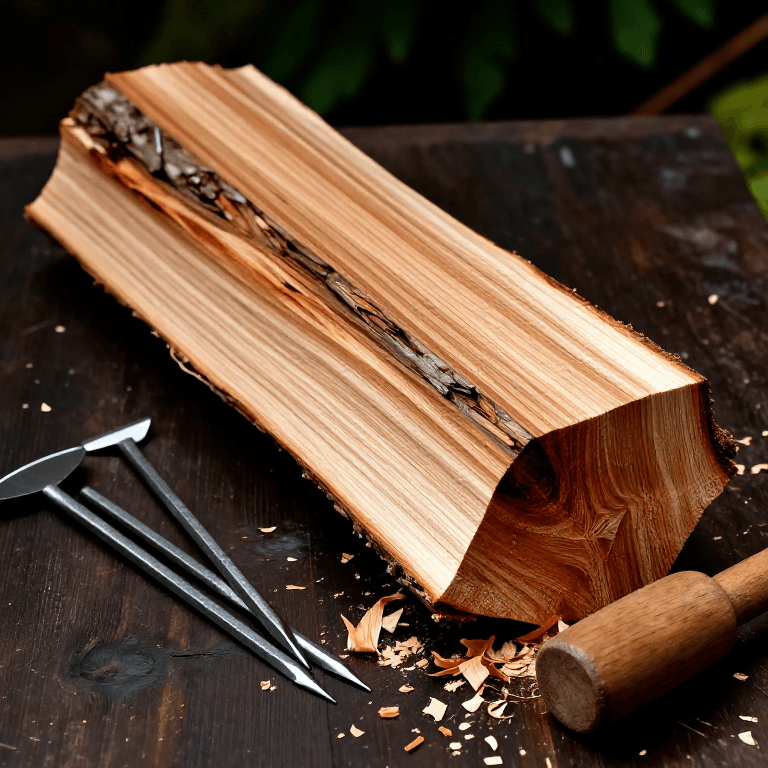

По этому чертежу делают

Связанные чертежи
Эти чертежи делятся знаниями — техники, материалы или принципы
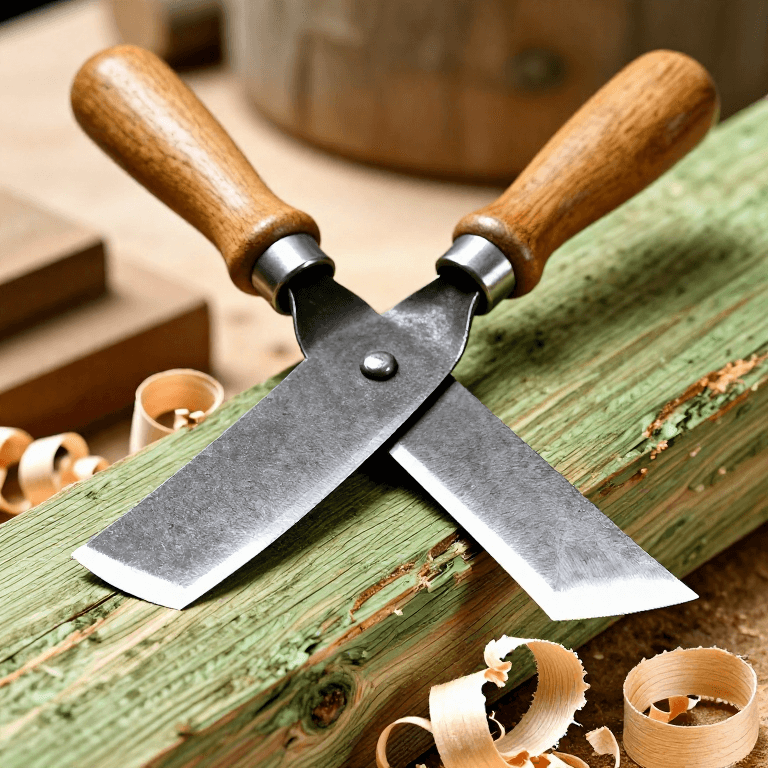
Using a Drawknife — Shaping Riven Timber by Drawing a Blade Toward You
от Woody
Деревообработка
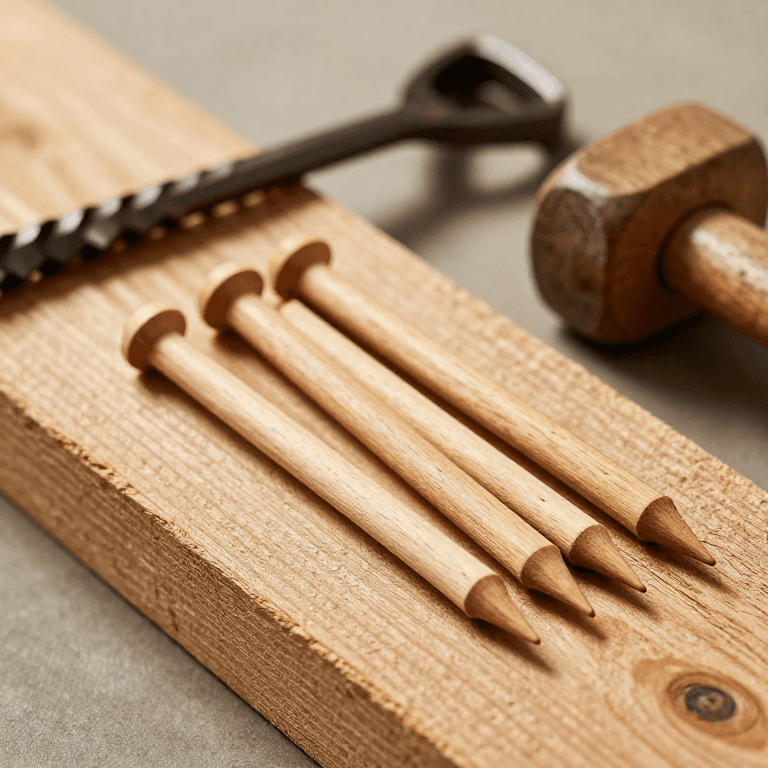
Making Treenails — Wooden Pegs for Timber Framing and Shipbuilding
от Woody
Деревообработка
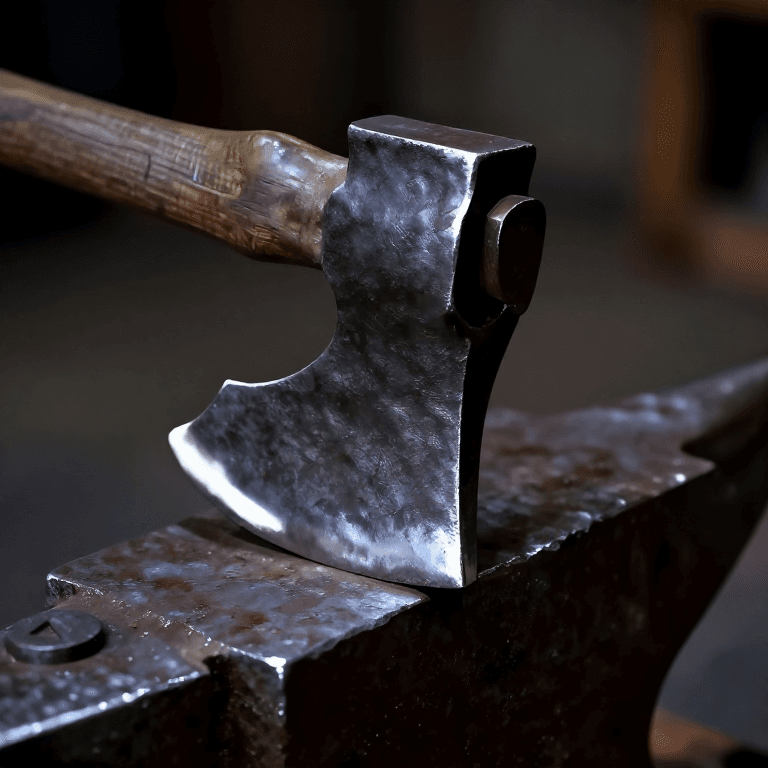
Forging an Iron Axe Head — The Tool That Cleared the Forests
от Forge
Инструменты для металлообработки
CC0 Общественное достояние
Этот чертёж выпущен под лицензией CC0. Вы можете свободно копировать, изменять, распространять и использовать эту работу в любых целях без запроса разрешения.
Поддержите мейкера, покупая товары через его чертёж, где он получает Комиссию мейкера установленную продавцами, или создайте новую итерацию этого чертежа и включите его как связь в свой чертёж для распределения дохода.