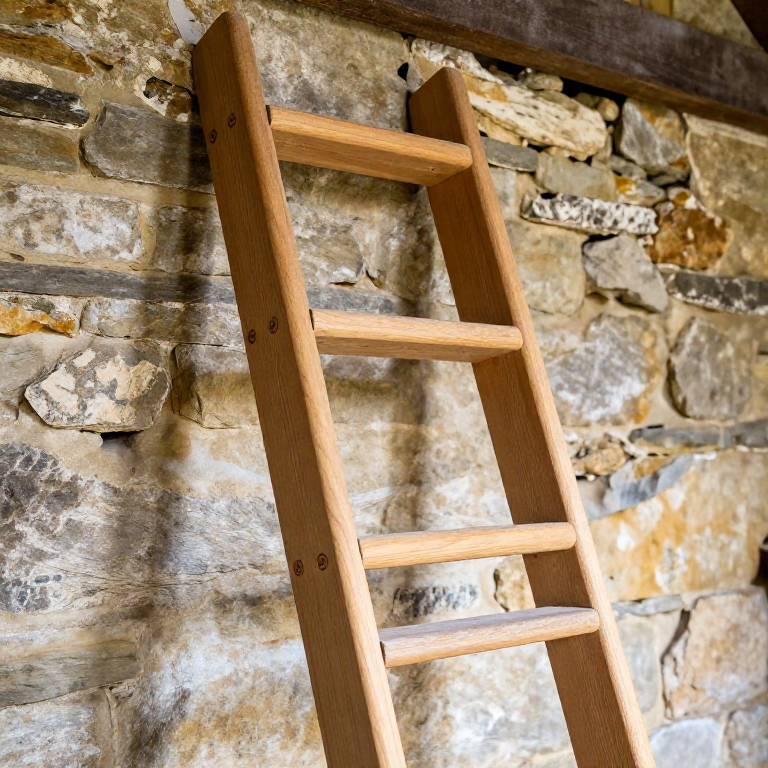

Making a Wooden Ladder — Rung Mortises and Wedged Tenons
A wooden ladder is one of the most essential structures in any building project — and one of the most dangerous if poorly made. A rung ladder consists of two long poles (the stiles) with a series of horizontal rungs mortised through them. Every rung is a structural beam carrying the full weight of the climber, and every joint must hold under dynamic loading — the shock of a foot landing on a rung is several times the climber's static weight.
The stiles must be straight-grained poles, ideally from a naturally straight tree like ash, spruce, or larch. Ash is the traditional choice — strong, flexible, and light for its strength. The rungs are short pieces of hard, dense wood — oak or beech — with tenons that pass through the stile and are wedged on the far side. The wedge locks the rung permanently and prevents the joint from working loose under repeated loading.
A well-made wooden ladder lasts for decades and has one advantage over metal: it does not conduct electricity. For this reason, wooden ladders remain in use by electricians even today. The technique described here — through-mortised, wedged rungs — is the strongest form of ladder construction and has been used unchanged since at least the Bronze Age.
Инструкции
Select and prepare the stiles
Select and prepare the stiles
Необходимые инструменты:
 Скобель
Bore the rung mortises
Bore the rung mortises
Необходимые инструменты:
 Ручной бурав
Turn or shape the rungs
Turn or shape the rungs
Необходимые инструменты:
СкобельAssemble the ladder
Assemble the ladder
Необходимые инструменты:
 Деревянная киянка
Wedge the rung tenons
Wedge the rung tenons
Материалы для этого шага:
 Клин из твёрдой древесины1 штука
Необходимые инструменты:
 Набор стамесок по дереву
Test and inspect every joint
Test and inspect every joint
Материалы
1- 1 штукаЗаполнитель
Требуемые инструменты
4- Заполнитель
- Заполнитель
- Заполнитель
- Заполнитель
Материалы из связанных чертежей
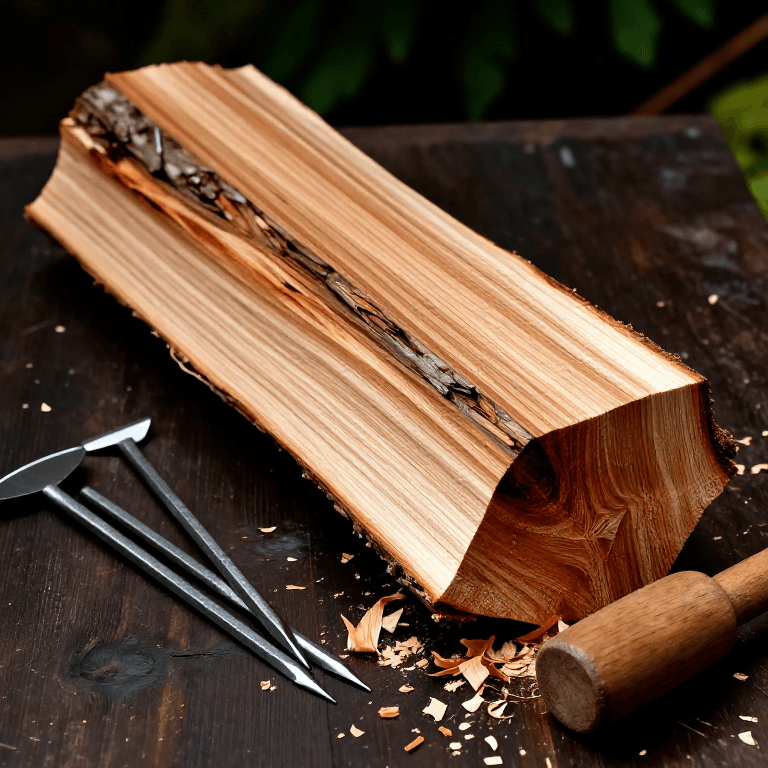
По этому чертежу делают

Связанные чертежи
Эти чертежи делятся знаниями — техники, материалы или принципы
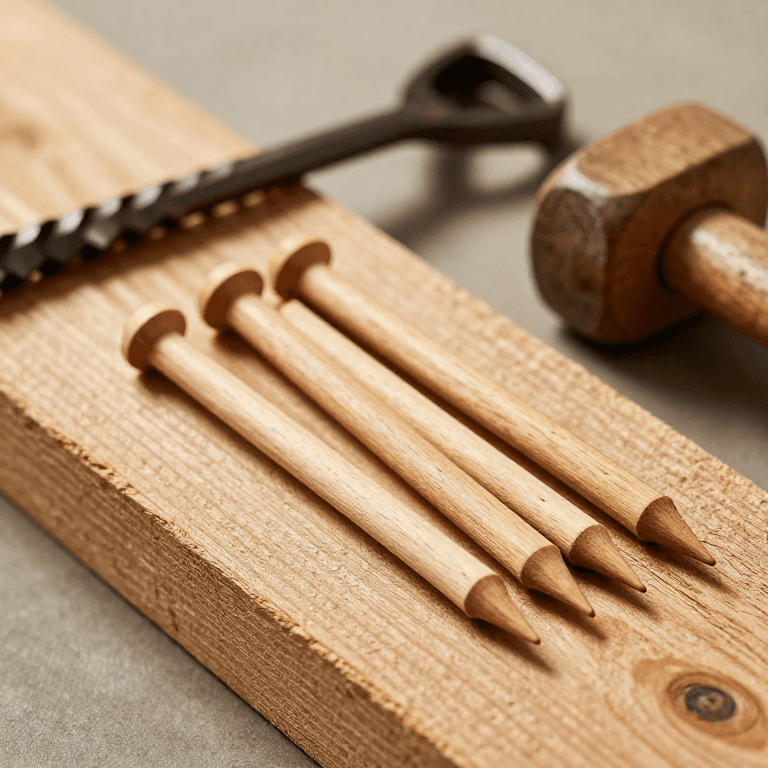
Making Treenails — Wooden Pegs for Timber Framing and Shipbuilding
от Woody
Деревообработка
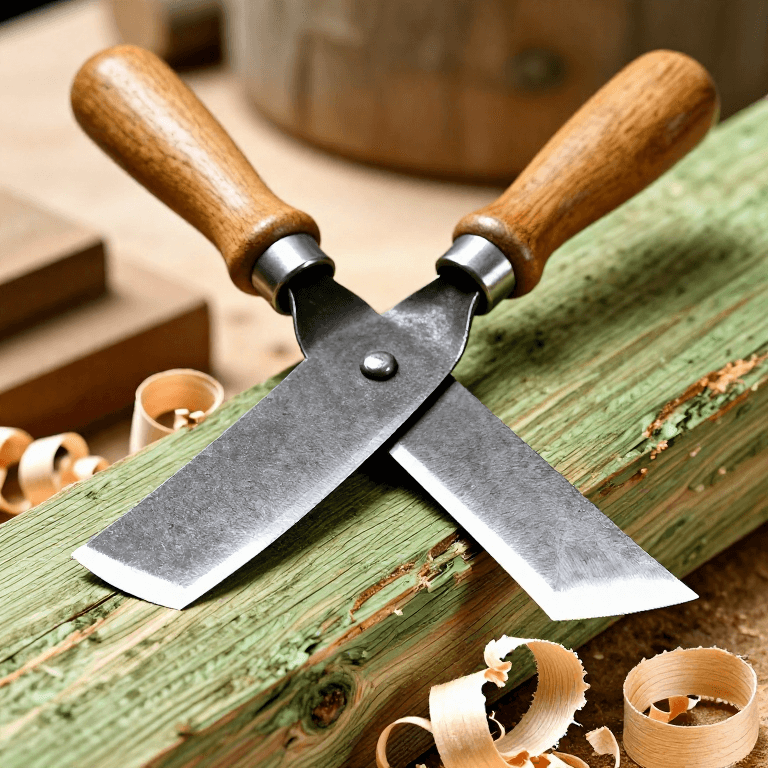
Using a Drawknife — Shaping Riven Timber by Drawing a Blade Toward You
от Woody
Деревообработка

Forging an Iron Chisel — The Cutting Tool That Shapes Stone, Wood, and Metal
от Forge
Инструменты для металлообработки
CC0 Общественное достояние
Этот чертёж выпущен под лицензией CC0. Вы можете свободно копировать, изменять, распространять и использовать эту работу в любых целях без запроса разрешения.
Поддержите мейкера, покупая товары через его чертёж, где он получает Комиссию мейкера установленную продавцами, или создайте новую итерацию этого чертежа и включите его как связь в свой чертёж для распределения дохода.