
UBUHANZI
UBWIZA N'UBUZIMA
UBUKORIKORI
UMUCO N'AMATEKA
IMYIDAGADURO
IBIDUKIKIJE
IBIRIBWA N'IBINYOBWA
UBWUBATSI BUSUBIRA INYUMA
UBUMENYI
SIPORO
IKORANABUHANGA
IBYAMBARWA
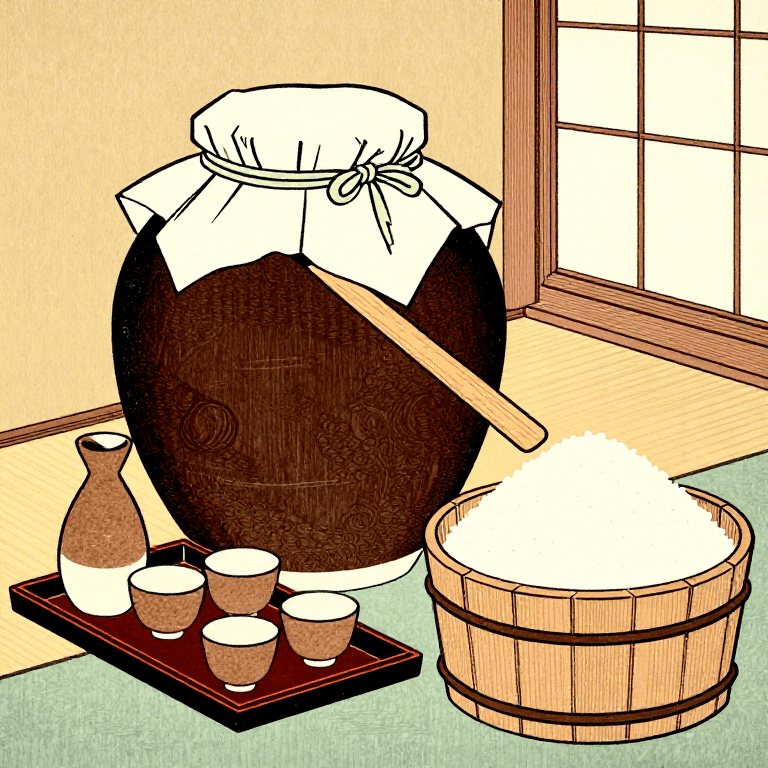
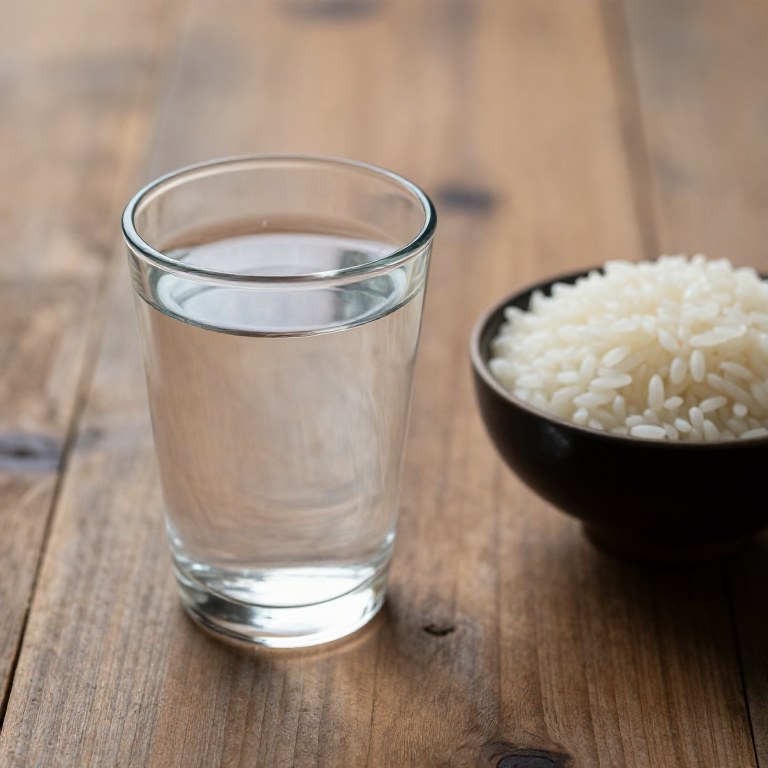
Arrack (Spirit of Rice): Rice Flour Gelatinised, Saccharified with Malt, Fermented and Distilled (Byrn, 1868)
Alchometer

Yaremwe na

Alchometer

19. Ugushyingo 2026GB
5
0
0
0
0

Arrack (Spirit of Rice): Rice Flour Gelatinised, Saccharified with Malt, Fermented and Distilled (Byrn, 1868)

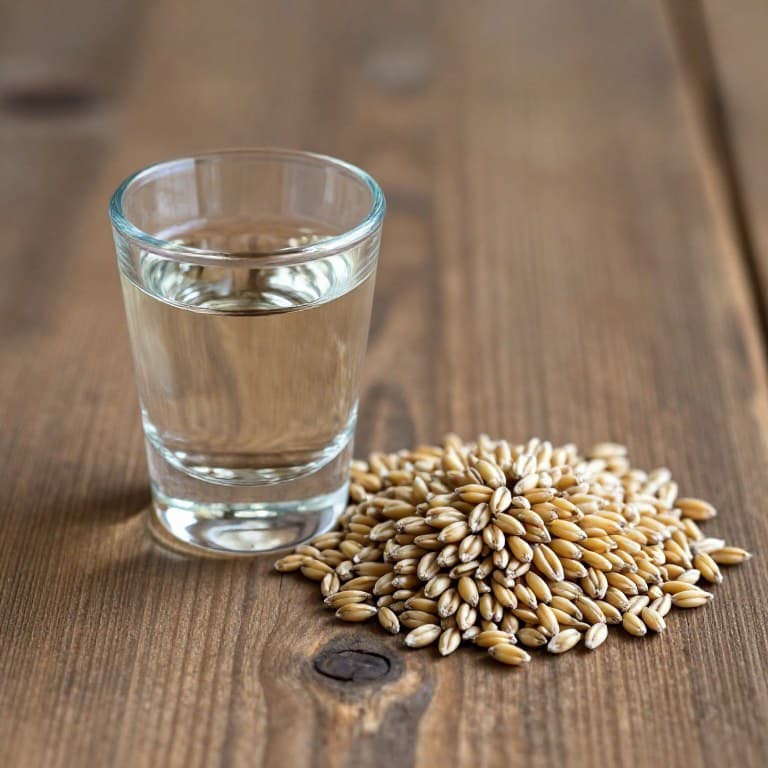
Arrack, the spirit of rice, as M. La Fayette Byrn gives it in The Complete Practical Distiller (1868): rice ground to fine flour, stirred with water, thickened with boiling water to 180 F, then turned sweet and fluid in three or four hours by malt flour steeped apart; thinned, fermented like corn and distilled. Rice has no sugar of its own: the malt does the work. Distilling spirits without a licence is illegal in many countries: check your law first.
Hejuru
About 3 weeks

Amabwiriza

1

Read Byrn, and the law

"Rice contains no sugar, and its composition appears to be essentially farinaceous." (p. 124.) Ours: distilling spirits without a licence is illegal in many countries, Norway and the United States among them. Check your law first.
2

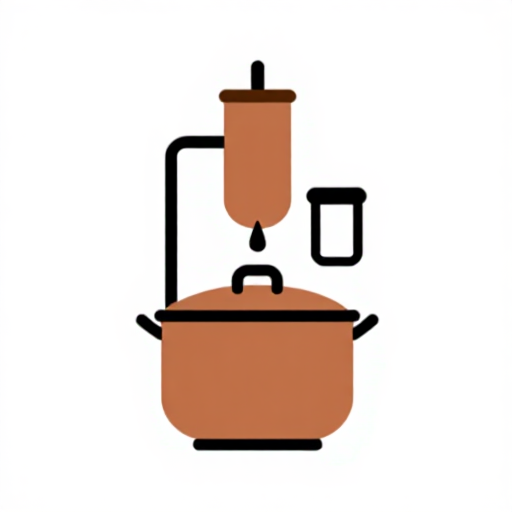
The still

A pot still with a worm in a tub of cold water.
3

His measures in metric

Gupakira ikaye ya Jupyter…
4

Grind rice and malt fine

Grind the rice into fine, well-divided flour. Grind malt, a quarter of the rice's weight, into fine flour too.

Ibikoresho by'iyi ntambwe:

White RiceWhite Rice1 as required
Igikoro cyorohejeIgikoro cyoroheje1 as required

Ibikoresho bikenewe:

Urusyo rw'ibinyampekeUrusyo rw'ibinyampeke
5

Rice and water, 77-80 F

Stir the rice flour with its own weight of water, warm enough that the stirred mass reads 77-80 F (25-27 C). Leave it half an hour.

Ibikoresho by'iyi ntambwe:

AmaziAmazi1 as required

Ibikoresho bikenewe:

Ikibindi cy'imbahoIkibindi cy'imbaho
Ikiyiko Kibajwe mu Giti KimweIkiyiko Kibajwe mu Giti Kimwe
Igipima Ubushyuhe cyo GutekaIgipima Ubushyuhe cyo Guteka
6

Steep the malt apart

Meanwhile stir the malt flour into its own weight of water at 100 F (38 C).

Ibikoresho by'iyi ntambwe:

AmaziAmazi1 as required

Ibikoresho bikenewe:

Inkono NiniInkono Nini
Igipima Ubushyuhe cyo GutekaIgipima Ubushyuhe cyo Guteka
7

Thicken to 180 F

Let boiling water into the rice, stirring all the time, until it is a thick, dense paste and the thermometer reads 180 F (82 C).

Ibikoresho by'iyi ntambwe:

AmaziAmazi1 as required

Ibikoresho bikenewe:

Inkono NiniInkono Nini
Ikiyiko Kibajwe mu Giti KimweIkiyiko Kibajwe mu Giti Kimwe
Igipima Ubushyuhe cyo GutekaIgipima Ubushyuhe cyo Guteka
8

Mash in the malt

Throw in the steeped malt and stir it every way until it is evenly mixed. Cover the tub and leave it three or four hours: it turns fluid and slightly sweet.

Ibikoresho bikenewe:

Ikibindi cy'imbahoIkibindi cy'imbaho
Ikiyiko Kibajwe mu Giti KimweIkiyiko Kibajwe mu Giti Kimwe
9

Thin and cool

Lengthen it with cold water to "44 density" (his reading; he gives no unit) and to fermenting heat.

Ibikoresho by'iyi ntambwe:

AmaziAmazi1 as required

Ibikoresho bikenewe:

Igipima ubwuzuzanye bw'amaziIgipima ubwuzuzanye bw'amazi
Igipima Ubushyuhe cyo GutekaIgipima Ubushyuhe cyo Guteka
10

Ferment as for corn

Byrn: the fermentation of rice "is absolutely the same as in the fermentation of corn". His corn rule (p. 97): start at 65-70 F (18-21 C), add yeast in nearly equal portions over three days; it peaks near 80 F and is done in eight to twelve days.

Ibikoresho by'iyi ntambwe:

Umusemburo wa biyeriUmusemburo wa biyeri1 as required

Ibikoresho bikenewe:

Igitebo cy'igitiIgitebo cy'igiti
Igipima Ubushyuhe cyo GutekaIgipima Ubushyuhe cyo Guteka
11

Charge and lute the still

Charge the still with the fermented wash; Byrn says the sediment is so small it may be neglected. Lute the joints of body and head with a paste of half whiting and half rye meal. Keep a piece of paste in reserve.

Ibikoresho by'iyi ntambwe:

Kaboneti ya kalisiyumu (ifu y'umweru)Kaboneti ya kalisiyumu (ifu y'umweru)1 as required

Ifu ya seyigaleIfu ya seyigale1 as required
AmaziAmazi1 as required

Ibikoresho bikenewe:
Icyuma gitunganya inzogaIcyuma gitunganya inzoga
12

Raise the fire by degrees

Start a moderate fire and increase it by degrees, feeling the body of the still with your hand. When the still-head grows hot, damp the fire. Keep candles and flames away from the spirit; have a wet woollen blanket ready.

Ibikoresho bikenewe:

Icyuma gitunganya inzogaIcyuma gitunganya inzoga

Woven Wool BlanketWoven Wool Blanket
13

Set aside the first runnings

Ours, not Byrn's: collect the first small portion that runs from the worm separately and do not drink it; the first runnings of a fruit spirit can carry methanol.

Ibikoresho bikenewe:

Icyombo cyo gupimaIcyombo cyo gupima
14

Run the low wines

Distil as long as a little of what runs, thrown on the hot still-head, will take fire from a lighted paper or candle. This is the low wines, the first extraction.

Ibikoresho bikenewe:

Icyuma gitunganya inzogaIcyuma gitunganya inzoga
BujiBuji
Igitebo cy'igitiIgitebo cy'igiti
Igipima ubwuzuzanye bw'amaziIgipima ubwuzuzanye bw'amazi
15

Double the low wines

Keep the low wines of about three distillations; they fill the still for the doubling, the second extraction. Distil them again the same way.

Ibikoresho bikenewe:

Icyuma gitunganya inzogaIcyuma gitunganya inzoga
16

Cut at the bead

Keep trying the spirit in a glass phial. When the bead falls at once and does not stay on the surface, change the receiver: what follows is feints.

Ibikoresho bikenewe:

Agacupa k'ikirahure (gato, ku byitegererezo)Agacupa k'ikirahure (gato, ku byitegererezo)
Icyombo cyo gupimaIcyombo cyo gupima
17

Collect the feints, stop the fire

Go on collecting the feints as long as they burn on the still-head. When they no longer burn, put out the fire and pour the feints into a cask of their own.

Ibikoresho bikenewe:

Igitebo cy'igitiIgitebo cy'igiti
BujiBuji
18

Bring to proof

Lower the spirit with water to proof by the hydrometer.

Ibikoresho by'iyi ntambwe:

AmaziAmazi1 as required

Ibikoresho bikenewe:

Igipima ubwuzuzanye bw'amaziIgipima ubwuzuzanye bw'amazi
Icyombo cyo gupimaIcyombo cyo gupima
19

Redistil the feints

When you have enough feints, charge the still with them almost to the top, add 4 lb (1.8 kg) of salt, and draw off as long as the spirit is strong enough.

Ibikoresho by'iyi ntambwe:

UmunyuUmunyu1.8 kg

Ibikoresho bikenewe:

Icyuma gitunganya inzogaIcyuma gitunganya inzoga
20

Keep it in glass

Byrn, on brandy: "When brandy is kept in vessels the pores of which will not admit of any transmission of the liquor, (as glass, for instance,) the brandy will improve." (p. 95.)

Ibikoresho by'iyi ntambwe:

Amacupa y'ikirahuri afite ibipfundikizoAmacupa y'ikirahuri afite ibipfundikizo1 igice

Ibikoresho bikenewe:

Icyombo cyo gupimaIcyombo cyo gupima
21

Troubleshooting

Arrack problems and fixes.

Flow

Loading...
22

History and honest limits

**M. La Fayette Byrn**, *The Complete Practical Distiller* (Philadelphia, 1868), pp. 124-126, a method he calls "very practicable in the distillation of rice". He also allows malting a quarter to a third of the rice itself. His "44 density" has no unit and is left as he gives it; the fermentation follows his corn rules (p. 97) as he directs; the still steps are his general rules (pp. 12-15, 142, 163). Ours: the Celsius figures, the law note and setting aside the first runnings.

Ibikoresho

8

Ibikoresho bikenewe

12

Iki gishushanyo gikora

CC0 Umurenge rusange

Iyi blueprint yasohowe munsi ya CC0. Ushobora gukoporora, guhindura, gukwirakwiza no gukoresha nta kwemererwa.

Shyigikira Umuremyi ugura ibicuruzwa binyuze muri Blueprint ye Komisiyo y'Umuremyi byashyizweho n'Abacuruzi, cyangwa kora verisiyo nshya y'iyi Blueprint ukayinjiza nk'isano muri Blueprint yawe kugira ngo musangire inyungu.

Ibiganiro

(0)

Injira kugira ngo ujye mu biganiro

Gutegura ibitekerezo...