การทำงานร่วมกัน
ศิลปะ
ความงามและสุขภาพ
งานฝีมือ
วัฒนธรรมและประวัติศาสตร์
ความบันเทิง
สิ่งแวดล้อม
อาหารและเครื่องดื่ม
วิศวกรรมย้อนรอย
วิทยาศาสตร์
กีฬา
เทคโนโลยี
อุปกรณ์สวมใส่
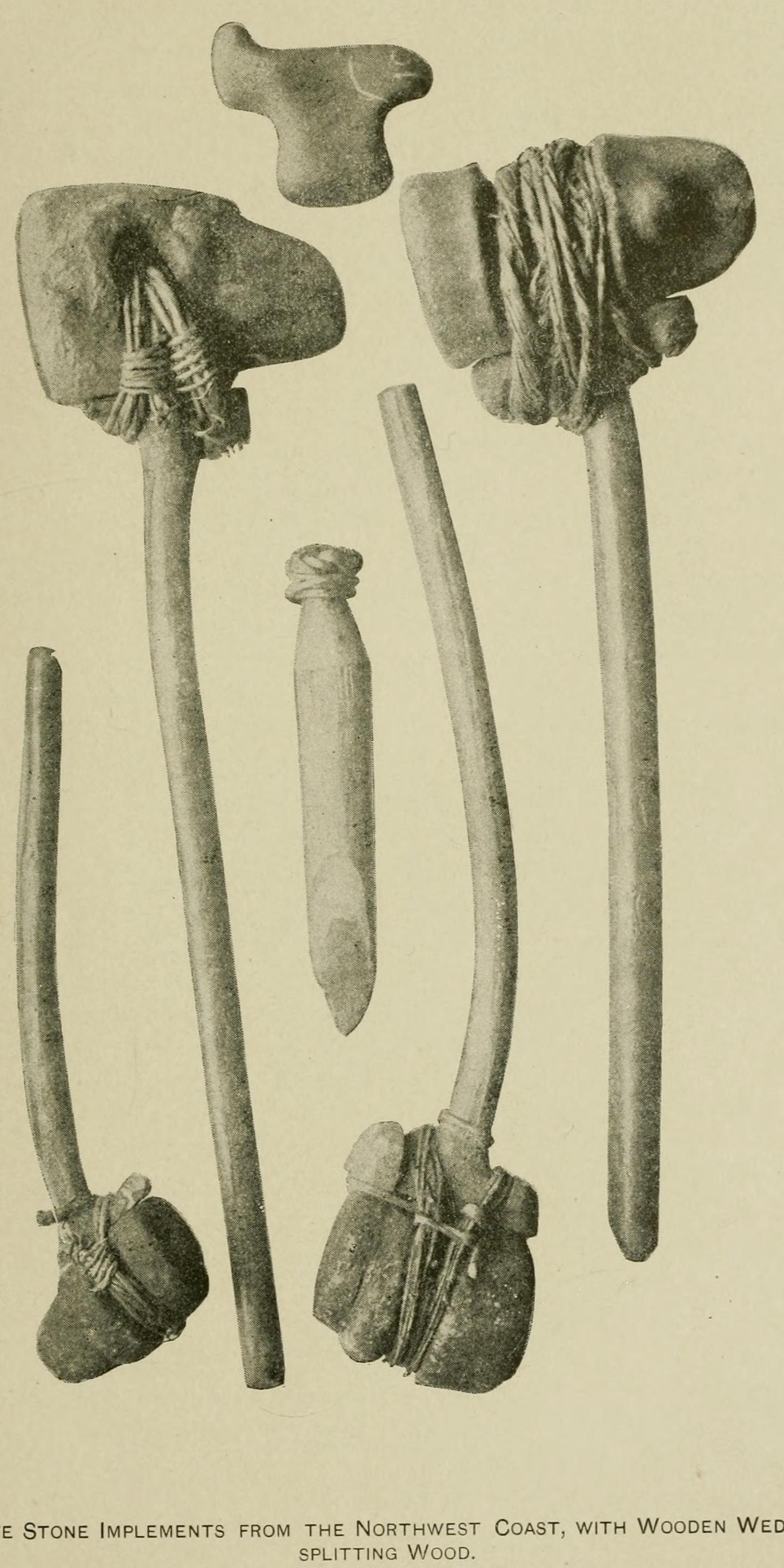

Northwest Coast Splitting Wedge: Spruce or Cedar Body, Head Bound with a Twisted Spruce-Root Grommet (Niblack, 1890)
The wooden wedge used all along the Northwest Coast to split logs into boards, as Albert Niblack recorded it (the specimen is Makah, from Cape Flattery): a tapered body of spruce or cedar, its striking head bound with a grommet of twisted spruce root or tough withes so the stone sledge does not split it.
เริ่มต้น
An hour or two
คำแนะนำ
1
1
Read Niblack
Read Niblack
"The heads of the wedges are protected, or prevented from splitting, by a grommet woven from tough withes or from spruce root."
2
2
Shape the body
Shape the body
Split out a piece of spruce or cedar and shave it to a long wedge, thick at the head and thin at the edge (ours: about 30 cm long and 5 cm across the head; Fig. 84 is long and slender).
วัสดุสำหรับขั้นตอนนี้:
 ท่อนซุงสปรูซ (Picea abies)1 ชิ้น
เครื่องมือที่ต้องใช้:
 ขวาน
 มีดสองมือ
 มีด
3
3
Bind the head
Bind the head
Twist split spruce root (or tough withes) into a tight ring and work it down over the head so it hugs the wood, as in Fig. 84. Ours: put it on damp so it shrinks tight as it dries.
วัสดุสำหรับขั้นตอนนี้:
 รากไม้ผ่าซีก1 ชิ้น
 กิ่งหลิว1 ชิ้น
เครื่องมือที่ต้องใช้:
มีด4
4
Use it
Use it
Drive several wedges along a crack with a heavy sledge (theirs had basalt heads lashed to wooden hafts) to split logs into boards and get out timber.
เครื่องมือที่ต้องใช้:
 ค้อนไม้
5
5
Troubleshooting
Troubleshooting
Wedge troubleshooting.
Flow
Loading...
6
6
History and honest limits
History and honest limits
From Albert P. Niblack, *The Coast Indians of Southern Alaska and Northern British Columbia*, **Report of the U.S. National Museum for 1888** (1890), pp. 281-282 and Plate XXII, Fig. 84 (checked on the archive.org scan coastindiansofso00nibl). Iron wedges were coming in by then. Size, taper and how the grommet is woven are ours.
วัสดุ
3- ตัวยึดตำแหน่ง
- 1 ชิ้นตัวยึดตำแหน่ง
- 1 ชิ้นตัวยึดตำแหน่ง
พิมพ์เขียวนี้สร้าง
บลูพริ้นท์ที่เกี่ยวข้อง
บลูพริ้นท์เหล่านี้แบ่งปันความรู้ — เทคนิค วัสดุ หรือหลักการ
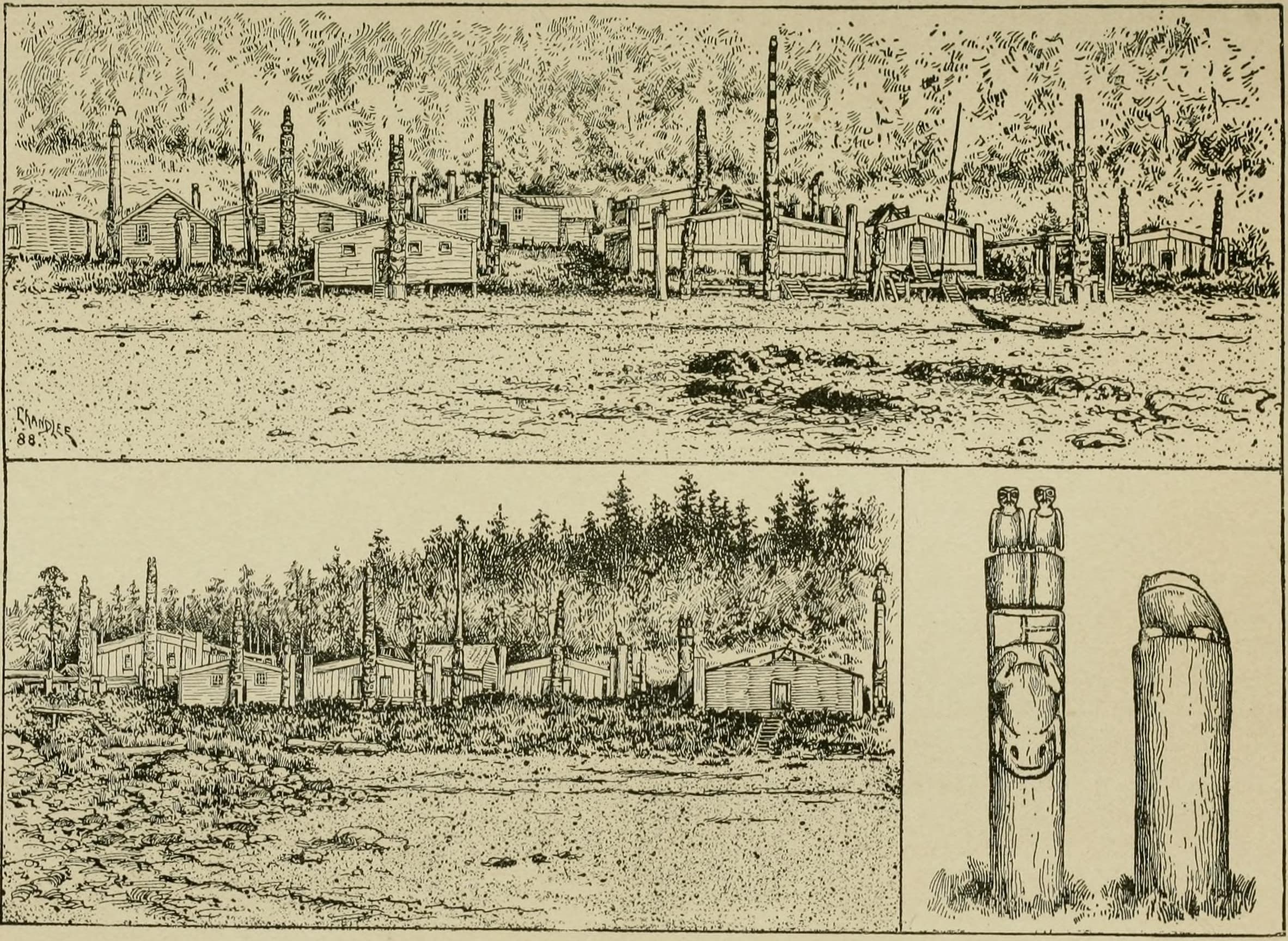
Totem Pole of the Haida, Tlingit and Tsimshian: Cedar Log Adzed, Relief-Carved with Crests, Painted and Raised on Guys (Niblack, 1890)
โดย Woody
งานไม้
7
0
0
0
0
0
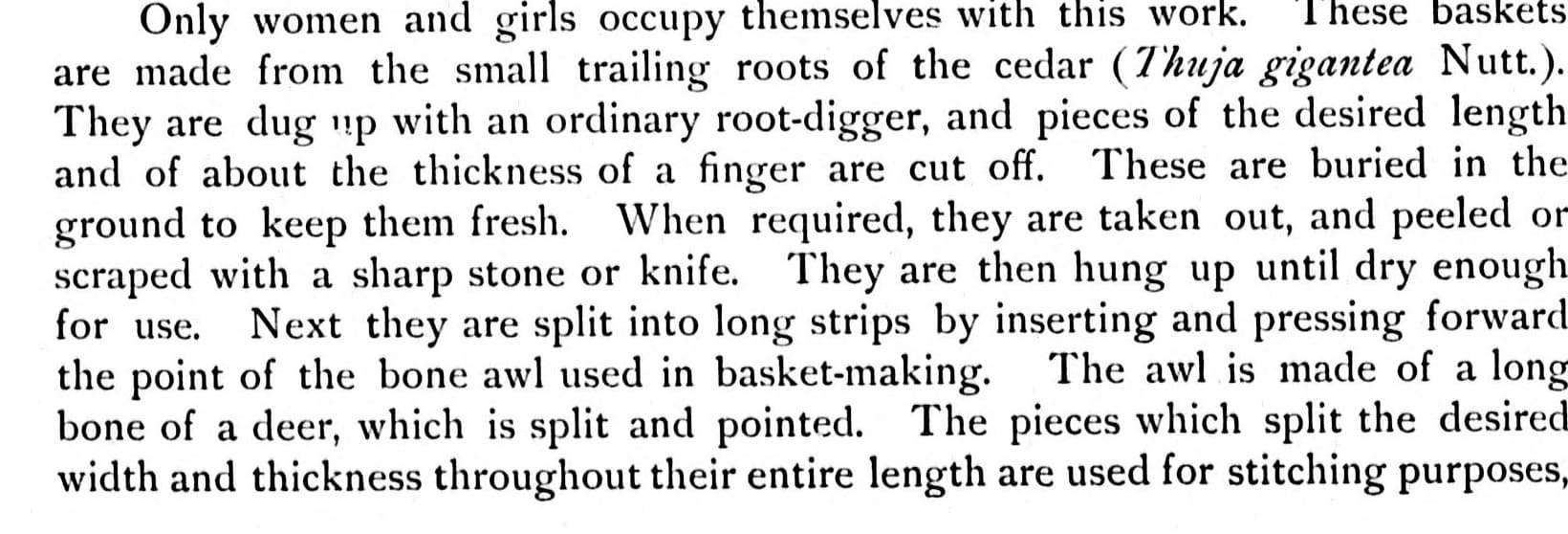
Thompson (Nlaka'pamux) Split Cedar Roots: Finger-Thick Roots Dug, Buried Fresh, Peeled, Dried and Split with a Bone Awl (Teit, 1900)
โดย Tex
สิ่งทอและหนัง
6
0
0
0
0
0
CC0 สาธารณสมบัติ
พิมพ์เขียวนี้เผยแพร่ภายใต้ CC0 คุณสามารถคัดลอก แก้ไข แจกจ่าย และใช้งานผลงานนี้เพื่อวัตถุประสงค์ใดก็ได้ โดยไม่ต้องขออนุญาต
สนับสนุนเมกเกอร์โดยซื้อสินค้าผ่านพิมพ์เขียวของพวกเขา ซึ่งพวกเขาจะได้รับ ค่าคอมมิชชันเมกเกอร์ ที่ผู้ขายกำหนด หรือสร้างเวอร์ชันใหม่ของพิมพ์เขียวนี้และรวมเป็นการเชื่อมต่อในพิมพ์เขียวของคุณเพื่อแบ่งรายได้