SANAT
GÜZELLİK & SAĞLIK
ZANAAT
KÜLTÜR & TARİH
EĞLENCE
ÇEVRE
YİYECEK & İÇECEK
TERS MÜHENDİSLİK
BİLİMLER
SPOR
TEKNOLOJİ
GİYİLEBİLİR ÜRÜNLER
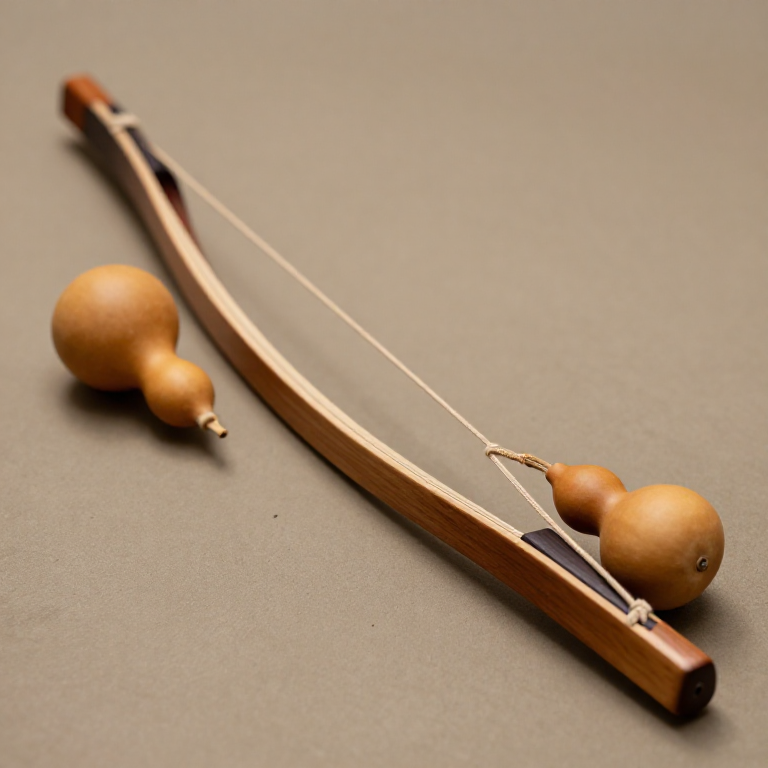


Making a Musical Bow — The Oldest String Instrument
Build the oldest string instrument on Earth: a hunting bow whose taut string is plucked for music instead of shooting arrows. Cut the nocks, string it under tension, then play it as a mouth bow and add a gourd resonator. A simple, buildable school project that teaches how a stretched string makes music.
Başlangıç
30 minutes
Talimatlar
1
1
The bow that learned to sing
The bow that learned to sing
The musical bow is the oldest string instrument on Earth — a hunting bow whose taut string is plucked for music instead of shooting arrows.
2
2
Choose a springy stave
Choose a springy stave
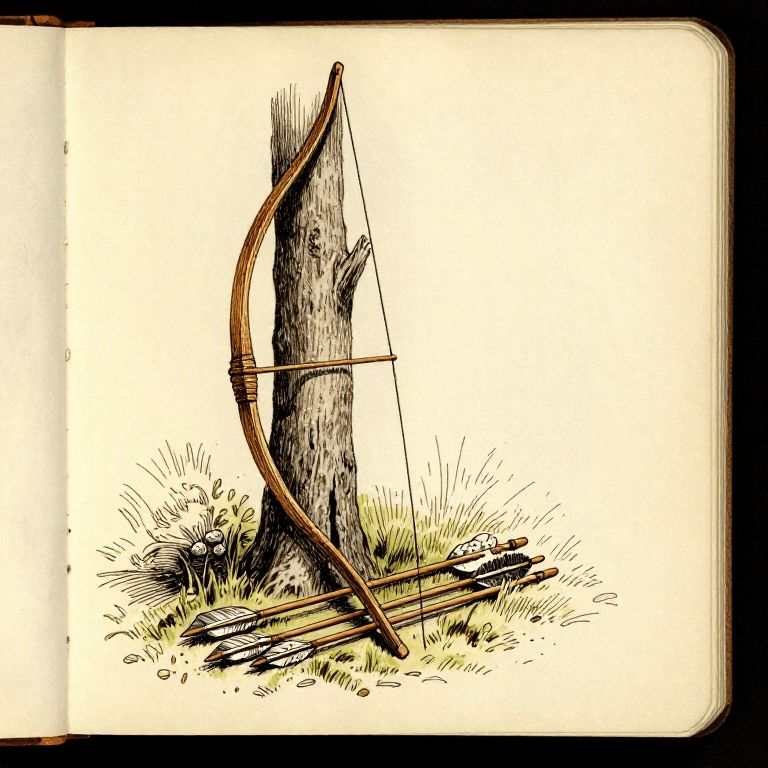
Pick a springy branch about a metre long — green hardwood that bends without snapping. A hunting-bow stave is exactly right.
Bu adım için malzemeler:
 Kavisli dal (yay)1 adet
3
3
Strip and smooth the stave
Strip and smooth the stave
Scrape off the bark and shave down any knots so the wood is smooth and even along its whole length.
Gerekli aletler:
 Çakmaktaşı Bıçak
4
4
Cut the first nock
Cut the first nock
Carve a small notch (a nock) right around the wood about 3 cm from one end, so the string cannot slide off.
Gerekli aletler:
Çakmaktaşı Bıçak5
5
Cut the second nock
Cut the second nock
Carve a matching nock 3 cm from the other end, so both ends can grip the string.
Gerekli aletler:
Çakmaktaşı Bıçak6
6
Prepare the string
Prepare the string
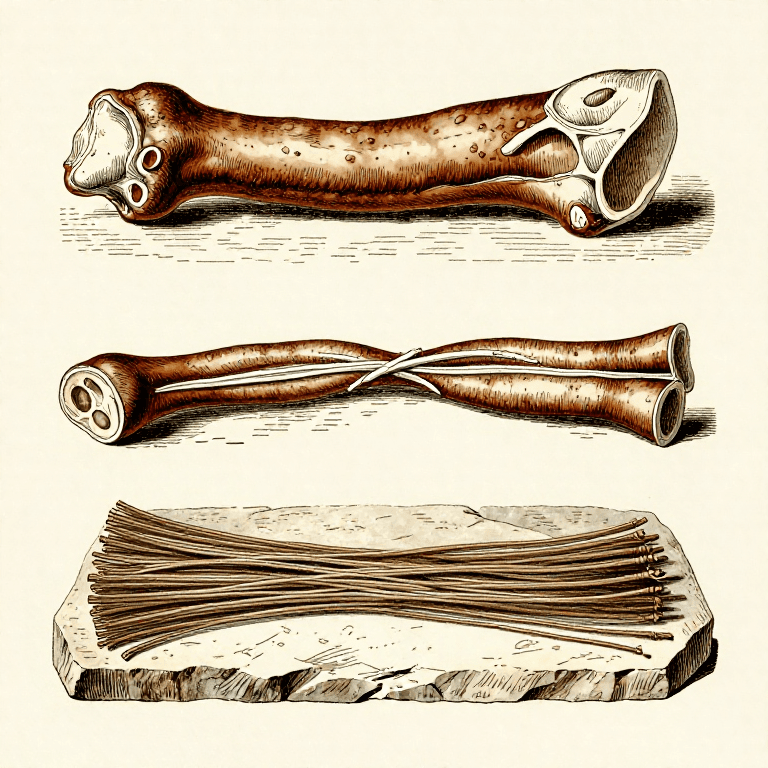
Take a length of twisted sinew (or strong plant-fibre cord) a little longer than the stave. It must not stretch when pulled tight.
Bu adım için malzemeler:
 Sinir Tendon İpliği1 adet
7
7
Tie the string to one end
Tie the string to one end
Lash one end of the string firmly into the nock at one end of the stave with a tight, non-slip knot.
Bu adım için malzemeler:
Sinir Tendon İpliği1 adet8
8
String it under tension
String it under tension
Bend the stave slightly, pull the string taut, and tie it into the far nock. The tension curves the wood into a bow shape.
9
9
Test the string
Test the string
Pluck the string with a finger. It should hum a clear note. If it buzzes or sounds dull, tighten it a little.
10
10
Play the fundamental note
Play the fundamental note
Pluck steadily near one end. This single low note is the string's fundamental — the slowest way the whole string can vibrate.
11
11
Turn it into a mouth bow
Turn it into a mouth bow
Hold one end of the stave lightly against your cheek, close to your open mouth, and pluck the string.
12
12
Shape notes with your mouth
Shape notes with your mouth
Slowly change the shape of your open mouth. Your mouth cavity picks out different overtones — you can play a tune without touching the string.
13
13
Measure the pitch
Measure the pitch
Open a free tuner app on a phone and watch the note and frequency change as you tighten or loosen the string.
14
14
Add a gourd resonator (optional)
Add a gourd resonator (optional)
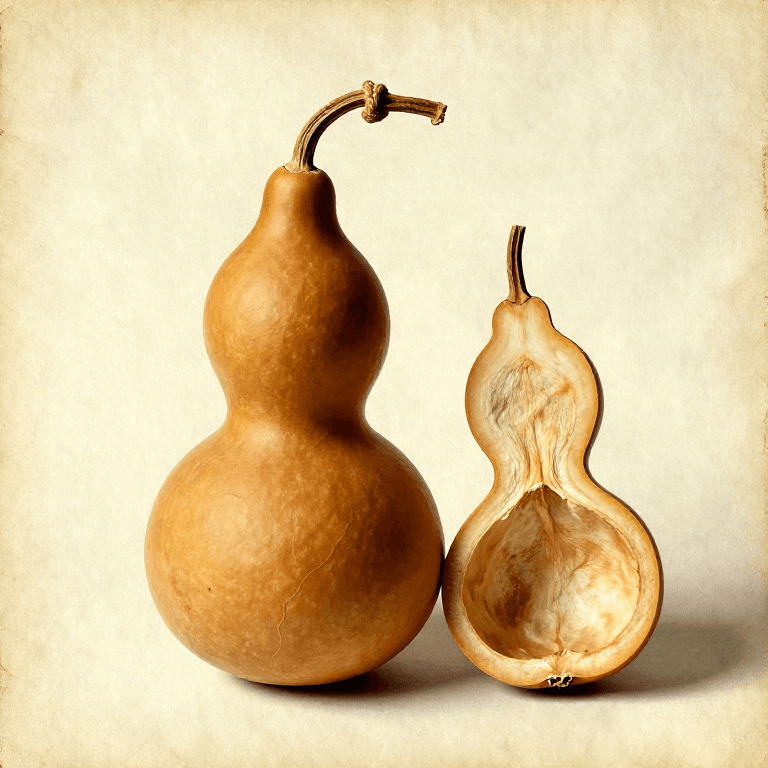
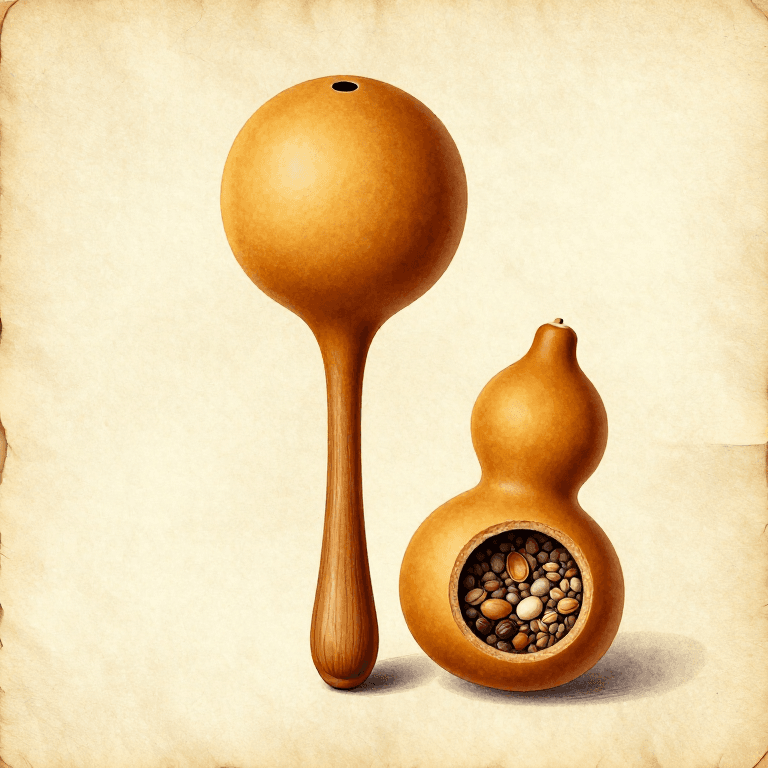
For a louder bow, cut a round opening in a dried bottle gourd to make a hollow sound-box.
Bu adım için malzemeler:
 Olgun su kabağı1 adet
Gerekli aletler:
Çakmaktaşı Bıçak15
15
Lash the gourd to the stave
Lash the gourd to the stave
Tie the gourd to the middle of the stave with the opening facing outward, using a short length of cord.
Bu adım için malzemeler:
Sinir Tendon İpliği1 adet16
16
Play with the resonator
Play with the resonator
Press the gourd opening against your bare belly and pluck. Lift it on and off to make the note swell and fade — the gourd amplifies the string.
17
17
Tune your bow
Tune your bow
Retie the string tighter for a higher note or looser for a lower one. A shorter, tighter string always sings higher.
18
18
Compendium — how a stretched string makes music
Compendium — how a stretched string makes music
A plucked string vibrates as a standing wave, and its pitch depends on three things: tension (tighter = higher), length (shorter = higher) and thickness/mass (thinner = higher). That is why tightening the string or stopping it partway raises the note. The string does not vibrate only as a whole — it also vibrates in halves, thirds and quarters at the same time, producing quiet higher notes called harmonics or overtones. A mouth or a gourd acts as a resonator: its air cavity reinforces whichever overtones match its own size, which is how a mouth bow can play a melody while the string's tension never changes. This single-string idea is the ancestor of every stringed instrument — add more strings on a frame and you have a lyre or harp; stretch them over a hollow box and you have a lute or guitar. Living musical bows are still played today, such as the Brazilian berimbau in capoeira and the uhadi and umrhubhe bows of southern Africa.
Malzemeler
3- 1 adetYer Tutucu
- 1 adetYer Tutucu
- 1 adetYer Tutucu
Bağlı Plan Malzemeleri

İlgili Blueprint'ler
Bu blueprint'ler bilgi paylaşır — teknikler, malzemeler veya ilkeler
CC0 Kamu Malı
Bu plan CC0 lisansıyla yayınlanmıştır. İzin almadan kopyalayabilir, değiştirebilir, dağıtabilir ve herhangi bir amaçla kullanabilirsiniz.
Planı üzerinden ürün satın alarak Maker'ı destekleyin, böylece Maker Komisyonu Satıcılar tarafından belirlenen komisyonu kazanırlar veya bu Planın yeni bir versiyonunu oluşturun ve gelir paylaşımı için kendi Planınıza bağlantı olarak ekleyin.