МИСТЕЦТВО
КРАСА ТА ЗДОРОВ'Я
РЕМЕСЛО
КУЛЬТУРА ТА ІСТОРІЯ
РОЗВАГИ
СЕРЕДОВИЩЕ
ЇЖА ТА НАПІЇ
ЗБОРНА ІНЖЕНЕРІЯ
НАУК
СПОРТ
ТЕХНОЛОГІЯ
НОСИМО

Browning Is a Reaction, Not a Colour: What Stops It, and How to Stop Stopping It
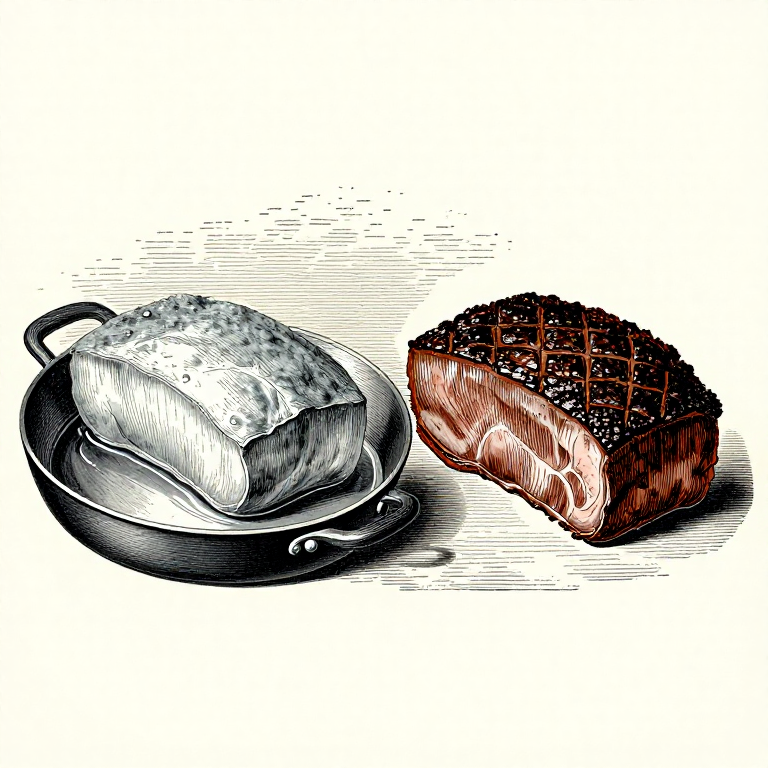
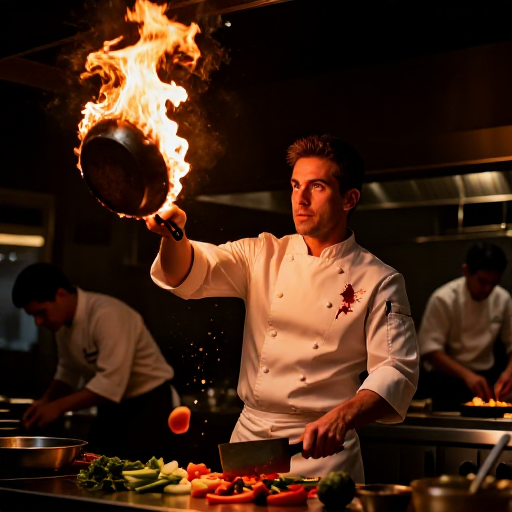
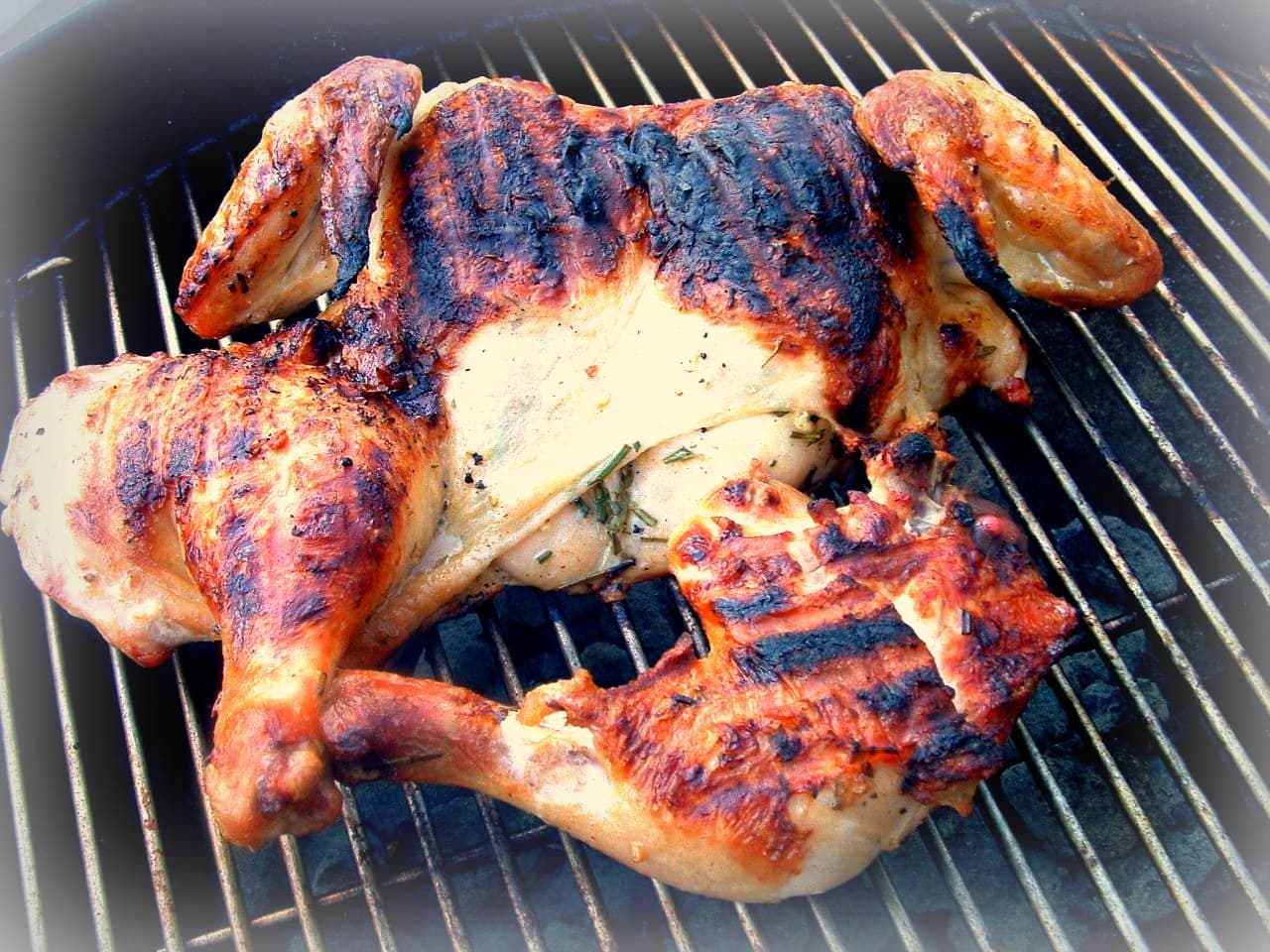
The brown crust on a seared steak, a roast onion or a loaf of bread is not the food burning. It is the MAILLARD REACTION: amino acids and sugars rearranging into hundreds of new aromatic compounds that were not in the raw ingredient at all.
It needs heat above roughly 140 degrees Celsius, and it is slow below that. Which creates the single most important fact in everyday cooking: **water boiling in the pan holds the surface at 100 degrees, so nothing browns until the water has gone.**
Almost every failure to brown is that one mechanism wearing a different hat — a wet surface, a crowded pan, a cold pan that cannot recover, a lid trapping steam. Fix the water and the browning takes care of itself.
Початківець
2 hours
Інструкції
1
1
Dry the surface, because water caps the temperature
Dry the surface, because water caps the temperature
Pat the food dry with paper or a cloth before it goes in the pan. A wet surface has to boil off all its water before it can exceed 100 degrees, and while that is happening the food is being steamed.
This is why salting well ahead helps twice over: the surface draws moisture out, then dries as the brine is reabsorbed, so it arrives at the pan drier than it started. Uncovered overnight in a fridge is the strongest version of this.
It is also why frozen or thawing food browns badly. It is releasing water the whole time, so the pan surface never gets past 100 degrees and the result is grey rather than brown.
Матеріали для цього кроку:
 Нежирна яловичина1 штука
 Хлорид натрію (сіль)1 штука
Необхідні інструменти ({count})
 Чавунна сковорода
 Кухонні щипці
 Кленова заготовка для дошки для нарізання
2
2
Do not crowd the pan — it is the same mistake
Do not crowd the pan — it is the same mistake
Food releases water as it heats. A pan with room around each piece lets that steam escape; a crowded pan fills with steam, the surface stays at 100 degrees, and everything stews in its own liquid.
The give-away is that the pan goes quiet and a pool of liquid appears. Nothing is wrong with the heat — the pan simply cannot evaporate water faster than the food is making it.
Cook in batches, and accept that two batches take less total time than one batch that never browns. The same logic rules out a LID during browning: a lid is a deliberate steam trap, which is exactly right for braising and exactly wrong here.
Матеріали для цього кроку:
 Цибуля ріпчаста1 штука
 Оливкова олія першого віджиму1 штука
Необхідні інструменти ({count})
 ПательняКухонні щипці
 Дерев'яна ложка для розмішування
3
3
Sugars brown too, and they brown sooner
Sugars brown too, and they brown sooner
CARAMELISATION is sugar breaking down on its own, with no protein involved, and it starts lower — around 160 degrees for table sugar, and lower still for the fructose in fruit and onions.
That is why onions, carrots and anything with honey or milk in it darkens faster than plain meat, and why a glazed or marinated surface can be black before the inside is warm. Sweet marinades go on LATE.
Milk and bread do both reactions at once: the lactose caramelises while the milk proteins run the Maillard reaction, which is why a loaf's crust and a sauce that has caught on the pan smell so complex. It is also why they burn without much warning.
Матеріали для цього кроку:
Цибуля ріпчаста1 штукаОливкова олія першого віджиму1 штукаНеобхідні інструменти ({count})
ПательняДерев'яна ложка для розмішування Кулінарний термометр
4
4
The brown bits in the pan are the sauce
The brown bits in the pan are the sauce
What sticks to the pan after browning is the same reaction product as the crust — concentrated, and stuck to metal rather than to food. Throwing the pan straight into the sink throws that away.
DEGLAZE instead: with the pan still hot, pour in a splash of liquid and scrape with a wooden spoon. The fond lifts off in seconds and becomes the base of a sauce that tastes of exactly what you just cooked.
Any liquid works — stock, wine, water, the juice of half a lemon. What matters is doing it while the pan is hot and before the fond has burnt: dark brown is flavour, black is bitter, and there is no rescuing the second.
Матеріали для цього кроку:
 Вода1 штука
 Лимонний сік (свіжий)1 штука
Необхідні інструменти ({count})
ПательняДерев'яна ложка для розмішування Ополоник
Матеріали
6- 1 штукаЗаповнювач
- 1 штукаЗаповнювач
- 1 штукаЗаповнювач
- Заповнювач
- 1 штукаЗаповнювач
- 1 штукаЗаповнювач
Пов'язані креслення
Ці креслення діляться знаннями — техніки, матеріали або принципи


CC0 Суспільне надбання
Це креслення випущено під ліцензією CC0. Ви можете вільно копіювати, змінювати, поширювати та використовувати цю роботу для будь-яких цілей без запиту дозволу.
Підтримайте мейкера, купуючи продукти через його креслення, де він отримує Комісію мейкера встановлену вендорами, або створіть нову ітерацію цього креслення та включіть його як зв'язок у власне креслення для розподілу доходу.