ART
BEAUTY & WELLNESS
CRAFT
CULTURE & HISTORY
ENTERTAINMENT
ENVIRONMENT
FOOD & DRINKS
REVERSE ENGINEERING
SCIENCES
SPORTS
TECHNOLOGY
WEARABLES
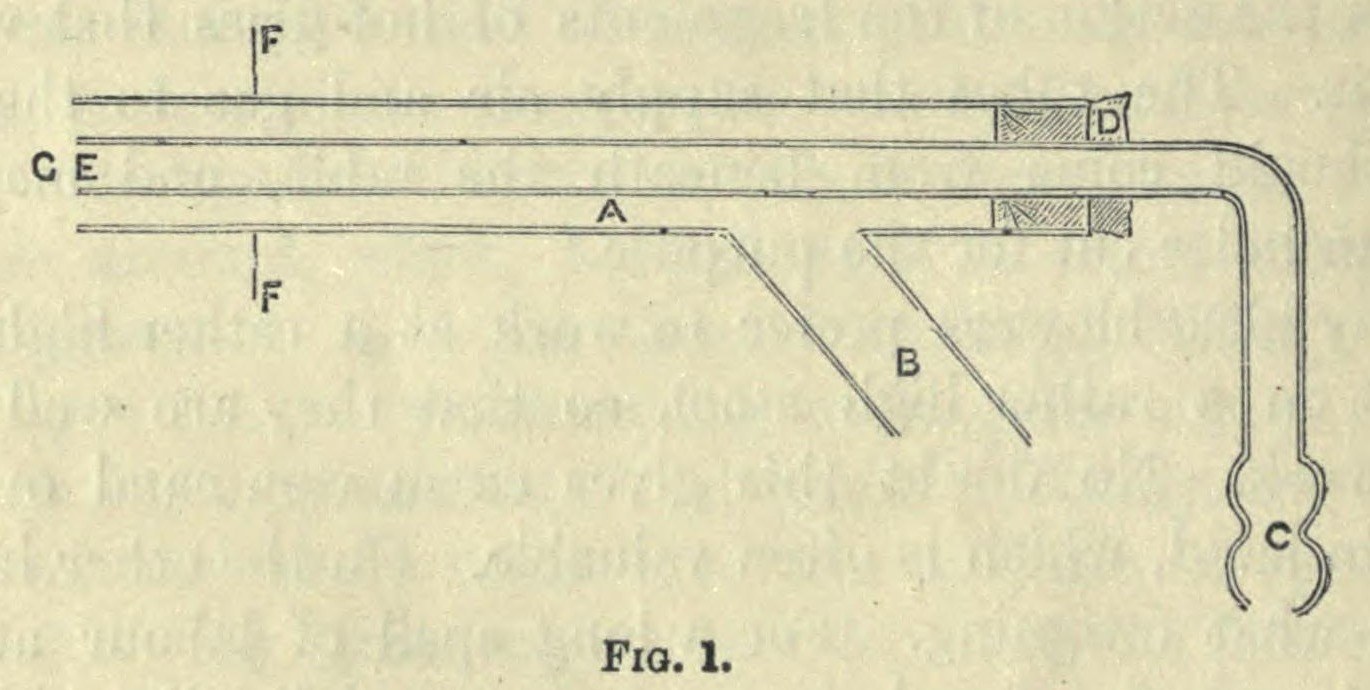


Bench Glassblowing Torch: Brass Gas Blowpipe with a Glass Air Jet (Shenstone, 1916)
A glassblower's gas blowpipe you can make yourself: a brass tube with a side tube for gas, and a glass air jet down its middle fed from a foot-blower. A fine jet gives the small pointed flame for joints, and a wider jet the big brush flame for heating large tubes. It is pegged into a wooden block on a sheet-iron-covered bench, with taps for gas and air at the bench edge.
Result: a bench blowpipe for working glass tube. Make two: one about 11 mm bore for small work, one 15 to 17 mm for large.
Source: W. A. Shenstone, The Methods of Glass-Blowing (1916), pp. 3-9. Unknown: the brazing metal and the tap type. Picture: Fig. 1 of the book.
Intermediate
Unknown
Instructions
1
1
Braze the gas inlet
Braze the gas inlet
Take a brass tube for the body: about 11 mm bore for the small blowpipe, 15 to 17 mm for the large one. Braze a side tube for the gas onto it 10 to 12 cm from the back end, according to the tube's size. Fix a spike to it for mounting. Ours: borax as the flux. Not given: the brazing metal.
Materials for this step:
 Brass Tube1 body and side tube
 Unknown Metal1 brazing metal and spike
 Borax Powder1 brazing flux
Tools needed:
 Hacksaw
 Forge
2
2
Fit the glass air jet
Fit the glass air jet
Fit a glass tube down the middle of the brass tube, held by a cork at the back end, its tip near the mouth. For the small pointed flame, draw the tip down to the size of a large knitting needle. For a large flame rich in air, the tip may be nearly half the bore of the brass tube. Make several air tubes of different sizes for each blowpipe.
Materials for this step:
 Glass Tube3 air jets of several sizes
 Corks1 jet cork
Tools needed:
 Bunsen Burner
3
3
Set up the bench
Set up the bench
Cover the bench round the blowpipe with sheet iron. Drill several holes in a block of wood so the spike can be set at different positions. Fix two taps near the bench edge, one for gas and one for air. Connect them by flexible tubes to the supplies on one side and to the blowpipe's gas inlet and air jet on the other. Ours: mild steel sheet, rubber tubing. Not given: the tap type.
Materials for this step:
 Mild Steel Sheet1 bench cover
 Hardwood Block1 mounting block
 Unknown Valve2 gas and air taps
 Rubber Tubing1 flexible tubes
Tools needed:
 Drill Press
4
4
Light it and blow
Light it and blow
Light the gas at the mouth and work a foot-blower to drive air through the glass jet into the burning gas. Little air and a small jet give the pointed flame; plenty of gas and a strong blast give the large, non-luminous brush flame.
Tools needed:
 Bellows
Materials
9- 1 body and side tubePlaceholder
- 1 brazing metal and spikePlaceholder
- 1 brazing fluxPlaceholder
- 3 air jets of several sizesPlaceholder
- 1 jet corkPlaceholder
- 1 bench coverPlaceholder
- 1 mounting blockPlaceholder
- 2 gas and air tapsPlaceholder
- 1 flexible tubesPlaceholder
Connected Blueprint Materials
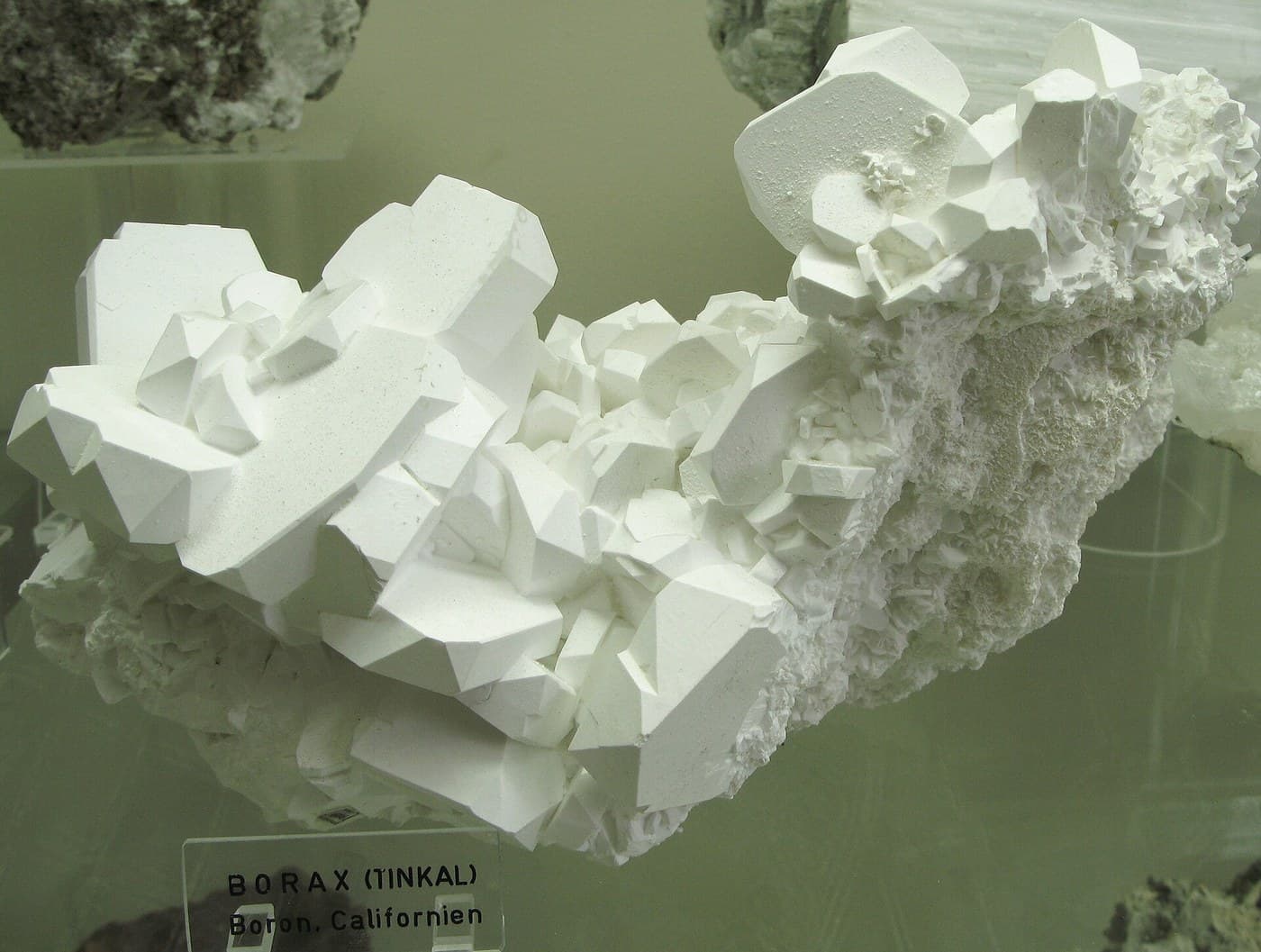
10% Attribution
Venetian Borax: Refining Tincal with Lime
by Charlie
Inorganic
16
0
0
0
1
0
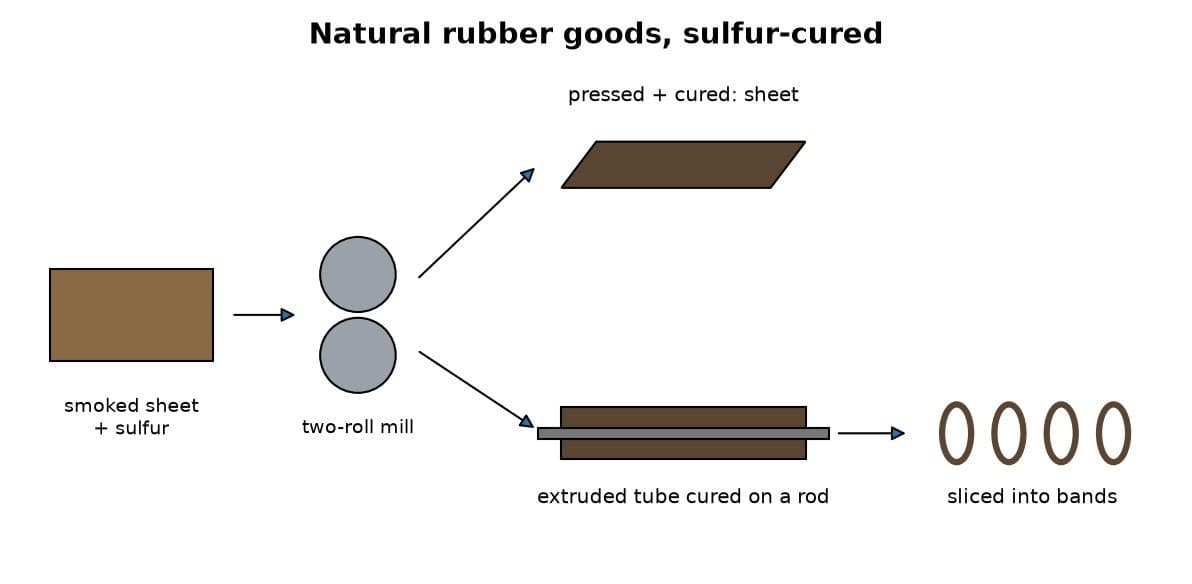
10% Attribution
Natural Rubber Tubing, Bands and Sheet: Sulfur-Cured with Heat
by Mary
Chemistry
10
0
0
0
2
0
10% Attribution
Oak Boards and Blocks, Milled and Air-Dried
by Woody
Woodworking
39
0
0
0
3
0
10% Attribution
Building a Box Bellows — The Breath That Makes Metal Obey Fire
by Emma
Woodworking
100
0
0
0
8
0
This blueprint makes
CC0 Public Domain
This blueprint is released under CC0. You are free to copy, modify, distribute, and use this work for any purpose, without asking permission.
Support the Maker by purchasing products through their Blueprint where they earn a Maker Commission set by Vendors, or create a new iteration of this Blueprint and include it as a connection in your own Blueprint to share revenue.