ART
BEAUTY & WELLNESS
CRAFT
CULTURE & HISTORY
ENTERTAINMENT
ENVIRONMENT
FOOD & DRINKS
REVERSE ENGINEERING
SCIENCES
SPORTS
TECHNOLOGY
WEARABLES
Translated

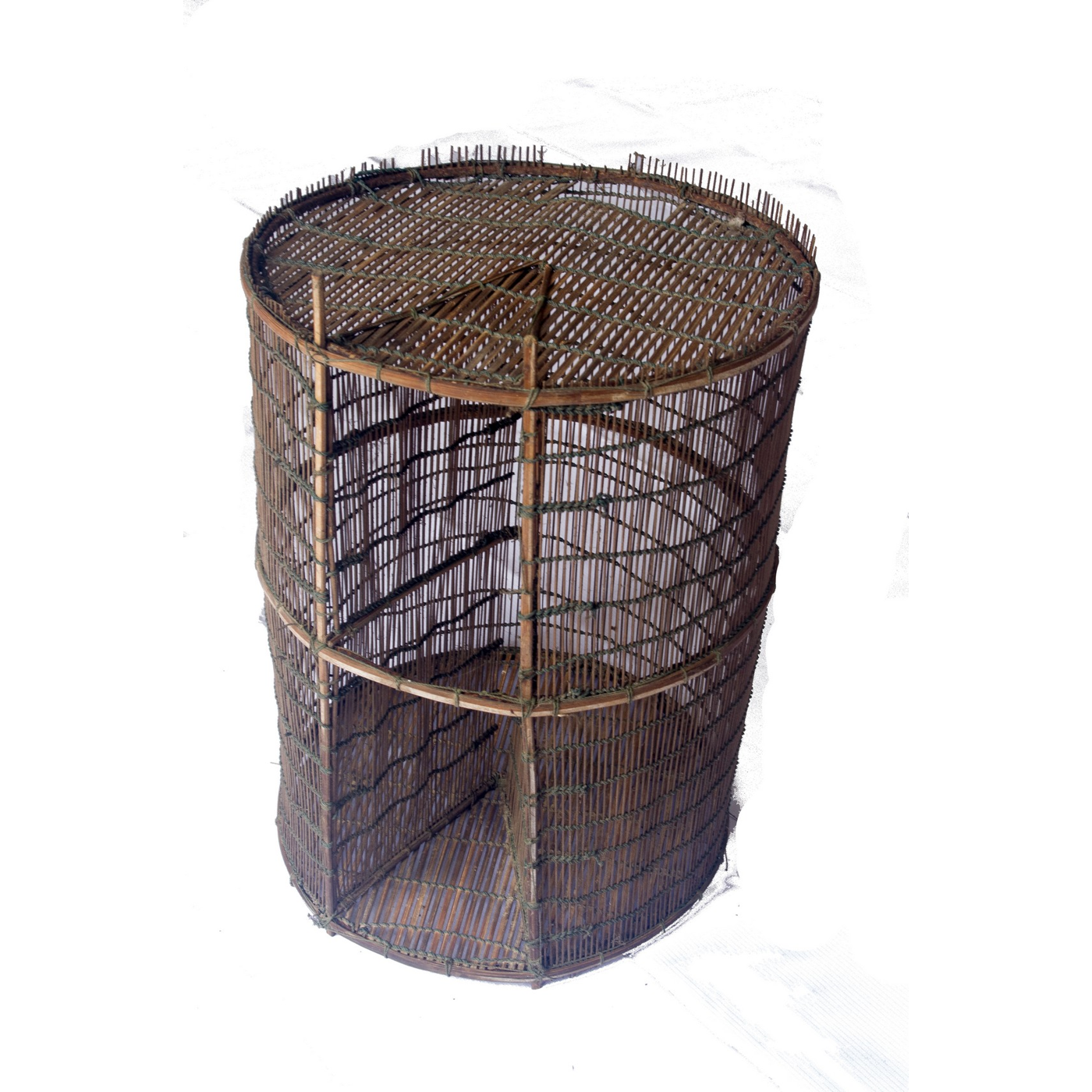
Lop Yuen (Thai Standing Fish Trap) — an Upright Bamboo Lop with a Full-Height Side Door, its Slats Folded Inward, Catching Fish Swimming Upstream
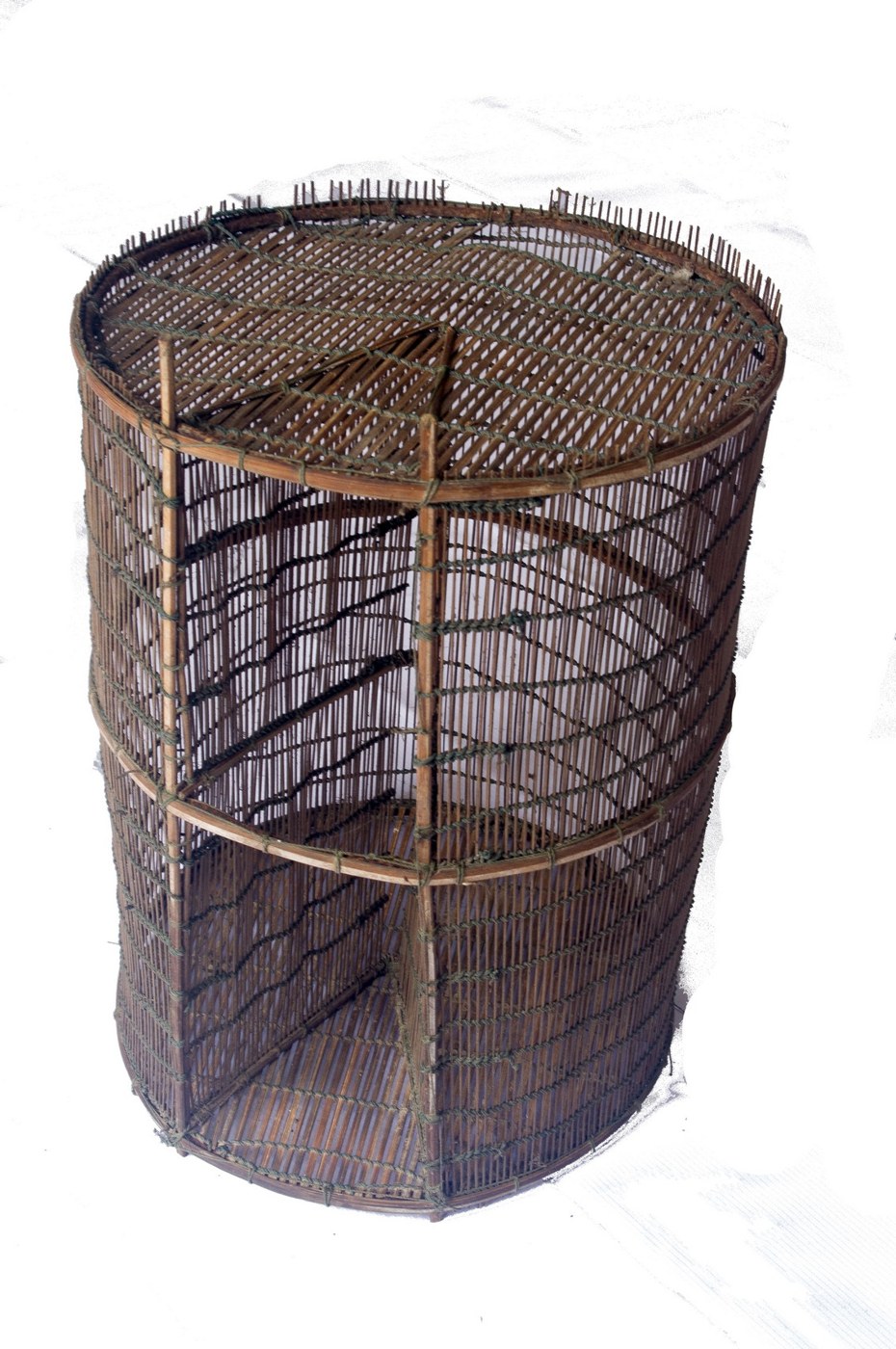
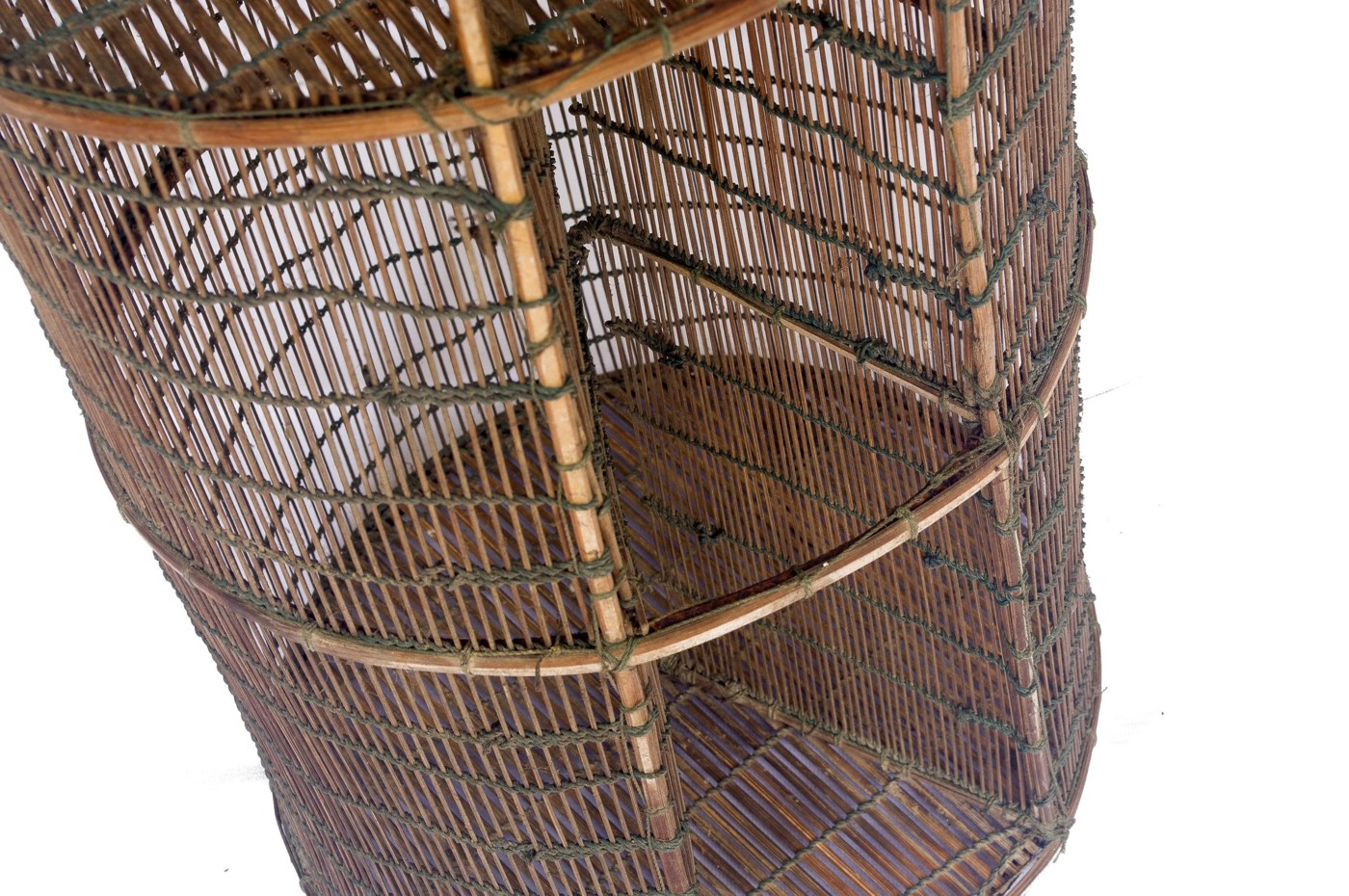
ลอบยืน (lop yuen; also lop tang, sai nang) is made of bamboo and is like the lying lop, but set upright when used. It is a cylinder cut square at both ends; the entrance is a door in the side running from top to bottom. It catches fish feeding upstream.
This blueprint makes a real lop yuen as described in the source.
Intermediate
About 1-2 days
Instructions
1
1
Size
Size
Loading Jupyter Notebook...
2
2
Lying lop, before it
Lying lop, before it
The lop yuen is made the same way as the lying lop, bamboo slats tied on hoops, but it stands upright and its entrance is a side door, not a funnel at the mouth.
3
3
Read from the source
Read from the source
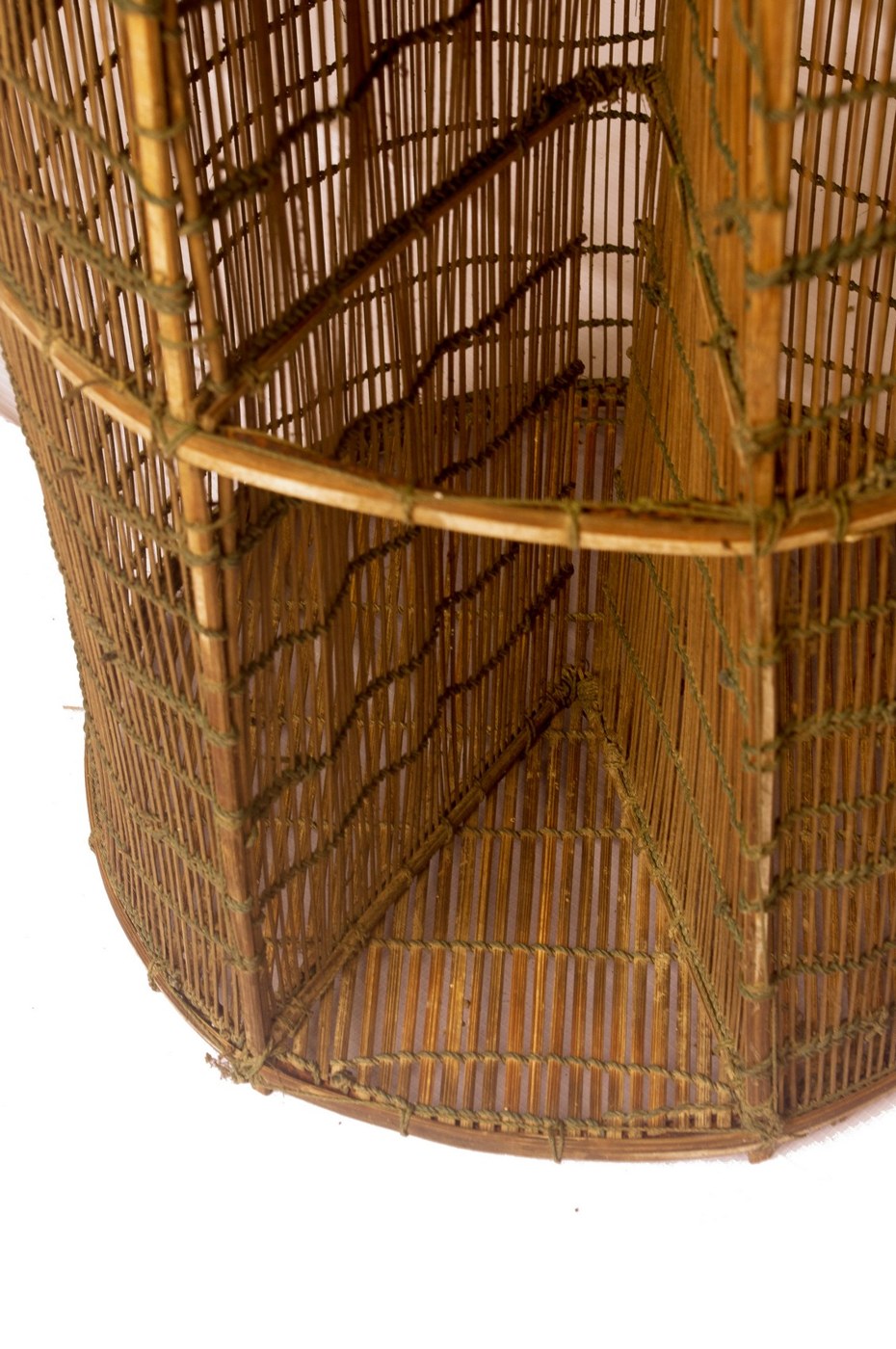
"The lop yuen is a cylinder cut square at both ends. Along one side is a door running from the top down to the bottom as the entrance, made of slats tied close together like the side and then folded inward, so the fish slip and squeeze their way inside." (Sirindhorn Anthropology Centre, author ทำนุ วรธงไชย (Thamnu Worathongchai), CC BY 4.0)
4
4
Trap body
Trap body
Split bamboo into slats and tie them close together, almost touching, on hoops as for the lying lop, making a cylinder cut square at both ends. Size it to the water where it will be set.
Materials for this step:
 Bamboo Poles1 piece
 Cotton Twine1 piece
Tools needed:
 Machete
 Knife
Knife5
5
Side door
Side door
Along one side make a door as the entrance, running from the top down to the bottom. Tie slats close together like the side, then fold them inward so the entrance is narrow. Some traps have a nga wai: cords tie the slats so they cross around the door from top to bottom.
6
6
Exit
Exit
Make the exit at the top, closed with a wooden latch (mai khat), so it can be opened to pour out the fish.
7
7
Real photos
Real photos
Photos of a real lop yuen from the Nong Bua Khok Folk Museum (Sirindhorn Anthropology Centre, author ทำนุ วรธงไชย (Thamnu Worathongchai), CC BY 4.0).
8
8
How it is used
How it is used
Stand the lop yuen across the flow in the drainage gaps between the paddy bunds, with the side opposite the door facing the current, to catch fish feeding upstream. At the edge of a stream or pond, set them a fair distance apart and use a fence (fueak) to guide the fish along it into the trap.
9
9
Troubleshooting
Troubleshooting
Troubleshooting the lop yuen.
Flow
Loading...
10
10
History and limits
History and limits
The name varies: some areas say sai nang, lop tang or lop yuen, after how it is set. In shape and method it is closer to the lop than to the sai. With slats almost touching and a narrow entrance, it catches gourami, climbing perch, walking catfish and young snakehead. Small ones are less common than the lying lop. Beware of spined fish when pouring out the catch.
Source: Sirindhorn Anthropology Centre, Traditional Objects of Everyday Use database, "ลอบยืน", author ทำนุ วรธงไชย (Thamnu Worathongchai), Nong Bua Khok Folk Museum, Buriram (CC BY 4.0 licence).
**Limits** The source gives no size, slat count or hoop count.
Materials
2- 1 piecePlaceholder
- 1 piecePlaceholder
Related Blueprints
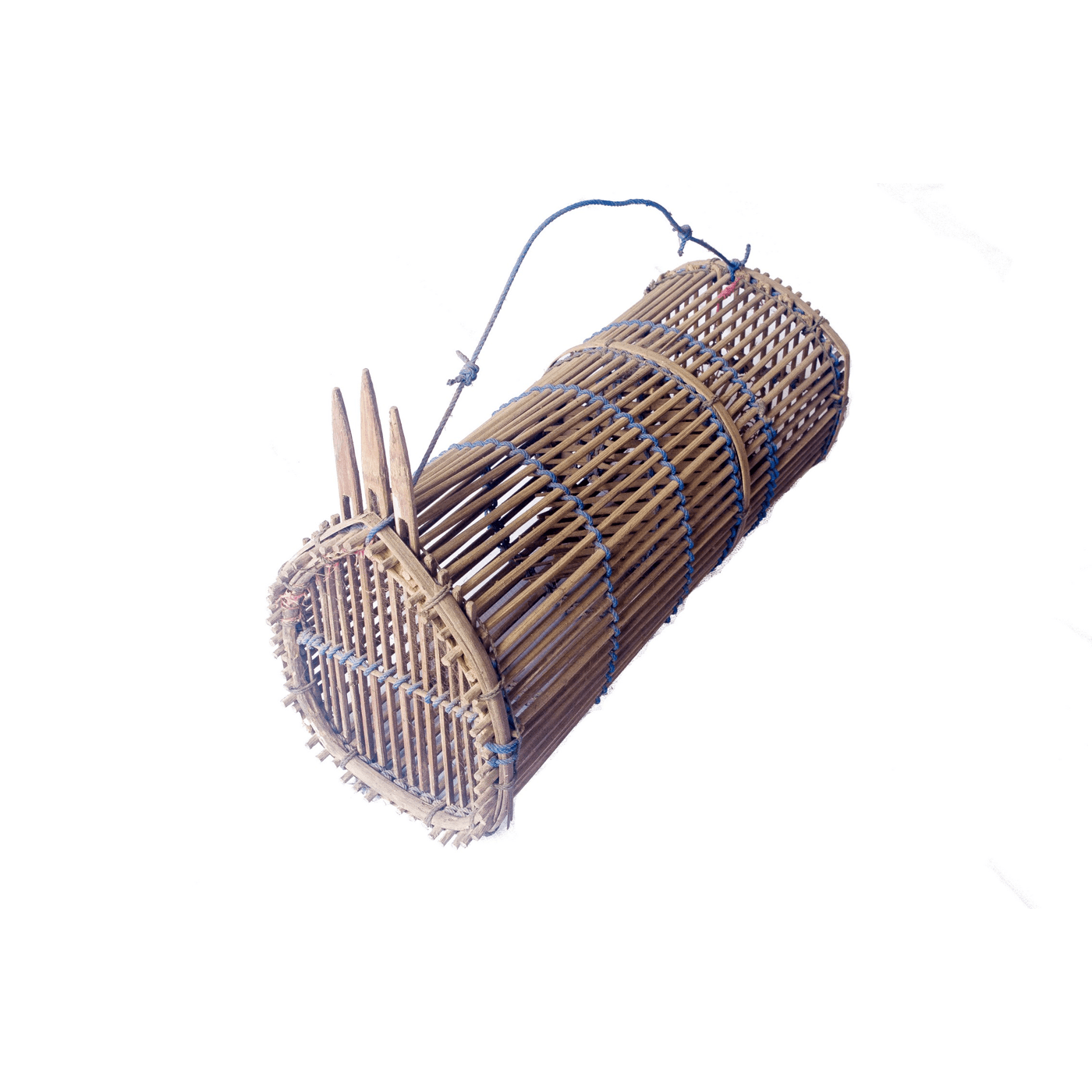
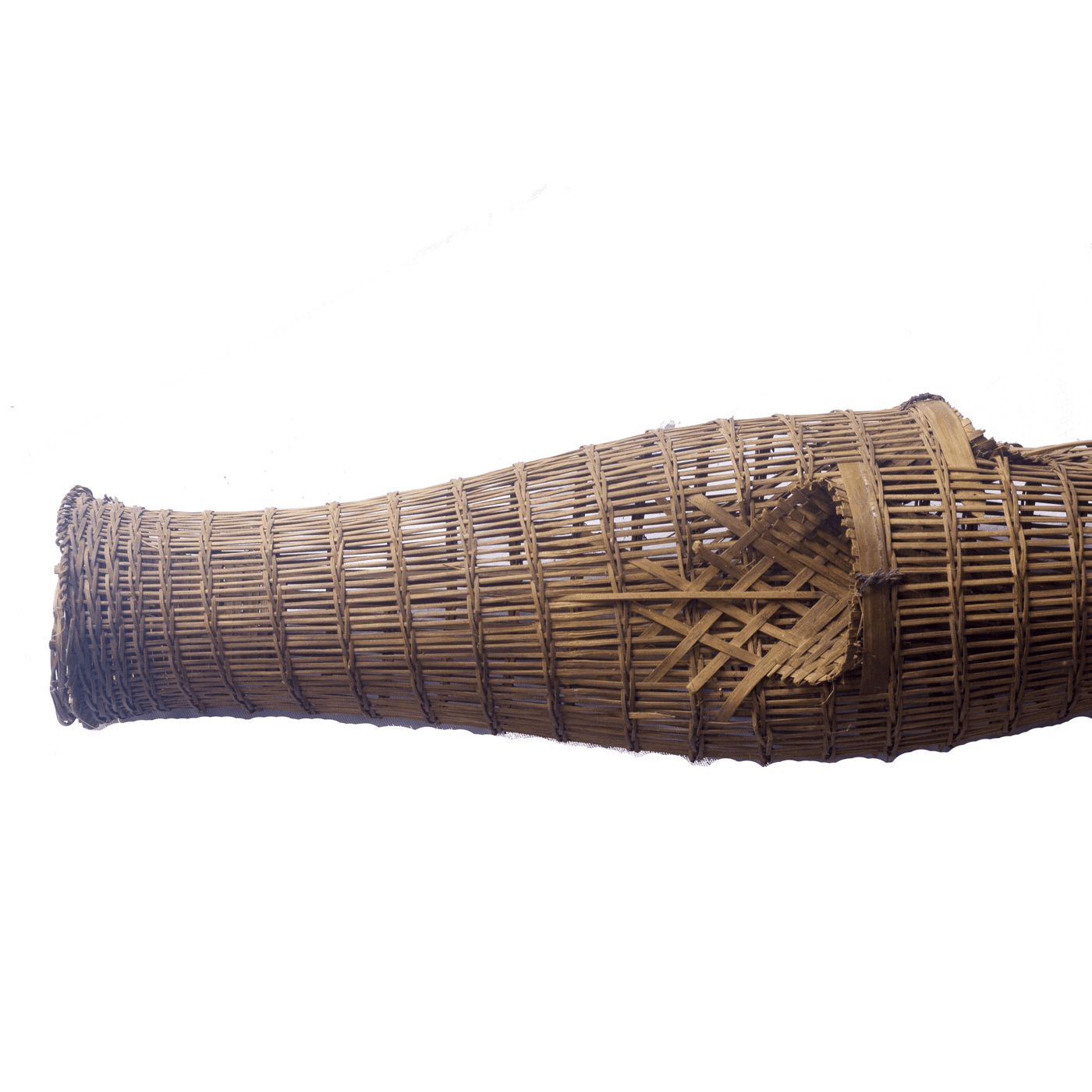
These blueprints share knowledge with this one — techniques, materials, or principles that connect them in the learning graph.
CC0 Public Domain
This blueprint is released under CC0. You are free to copy, modify, distribute, and use this work for any purpose, without asking permission.
Support the Maker by purchasing products through their Blueprint where they earn a Maker Commission set by Vendors, or create a new iteration of this Blueprint and include it as a connection in your own Blueprint to share revenue.