ART
BEAUTY & WELLNESS
CRAFT
CULTURE & HISTORY
ENTERTAINMENT
ENVIRONMENT
FOOD & DRINKS
REVERSE ENGINEERING
SCIENCES
SPORTS
TECHNOLOGY
WEARABLES
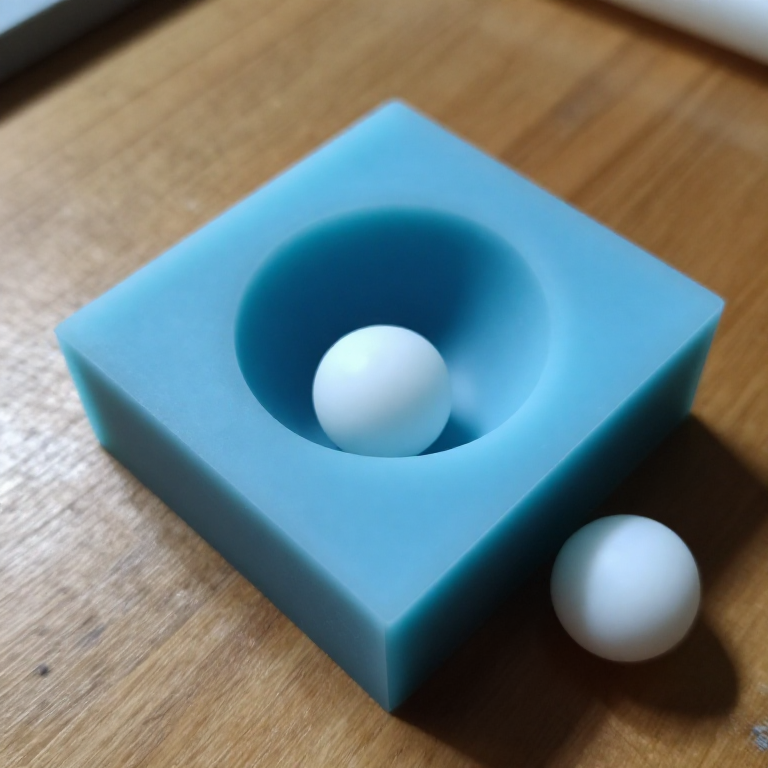
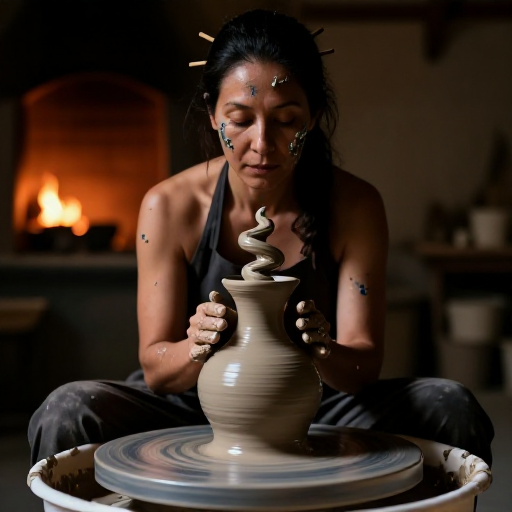

Silicone (Rochow Direct Process)
Silicones - chains of silicon and oxygen carrying methyl groups - were known from Frederic Kipping's laboratory work, but could only be made a few grams at a time. In 1940 Eugene Rochow at General Electric found a one-step route: pass methyl chloride over hot silicon with copper, and methylchlorosilanes come straight off. Richard Müller found the same reaction independently in Germany, which is why it is also called the Müller-Rochow process. It is how silicones are still made.
**US 2,380,995**, "Preparation of organosilicon halides", Rochow, assigned to General Electric, granted 7. August 1945, claims "effecting reaction between silicon and a hydrocarbon halide" with a copper catalyst at 200–500 °C.
**Methyl chloride and chlorosilanes are toxic and stay in the plant.** You use the product: a two-part silicone mould of glass marbles, then cast hot wax in it, again and again.
Beginner
4 hours plus two cures
Instructions
1
1
Build the box
Build the box
Cut foam board and hot-glue an open box 60 x 40 mm inside, 50 mm tall. Seal every inside seam with a bead of glue - silicone finds any gap.
Materials for this step:
 Model Building Foam Board1 sheet
Tools needed:
 Craft Knife
 Hot Glue Gun
 Steel Ruler
2
2
Clay bed and keys
Clay bed and keys
Press sulphur-free modelling clay 20 mm deep into the box. Push two 16 mm marbles exactly halfway in, 20 mm apart. Press four dimples in the clay with a pencil end: these are the registration keys.
Materials for this step:
 Modeling Clay150 g
 Glass Marbles2 pieces
Tools needed:
 Digital Caliper 6-Inch
3
3
Weigh and mix
Weigh and mix
Weigh part A and part B at the kit's stated ratio into a mixing cup (the notebook gives the mass). Stir 3 minutes, scraping sides and bottom.
Materials for this step:
 Silicone Mold Making Kit1 kit
Tools needed:
 Precision Digital Scale
 Graduated Mixing Cups
 Stirring Rod
4
4
First pour
First pour
Pour in a thin stream from 30 cm into one corner, never onto the marbles, until 6 mm above them. Cure for the kit's time.
Tools needed:
Graduated Mixing Cups5
5
Flip and release
Flip and release
Flip the box, peel away all clay and leave the marbles in the silicone. Brush a thin coat of petroleum jelly over the silicone face - silicone bonds to silicone.
Materials for this step:
 Petroleum Jelly5 g
6
6
Second pour
Second pour
Mix a second batch the same way and pour 6 mm above the marbles. Cure again.
Materials for this step:
Silicone Mold Making Kit1 kitTools needed:
Precision Digital ScaleGraduated Mixing Cups7
7
Open and cut sprues
Open and cut sprues
Tear off the foam board, part the halves and pop out the marbles. With the craft knife cut a 5 mm cone from the top face into each cavity.
Tools needed:
Craft Knife8
8
Cast wax
Cast wax
Melt paraffin wax in the double boiler to 75 °C. Band the halves shut, pour through each sprue, cool 30 minutes, open. Count how many casts it survives.
Materials for this step:
 Paraffin Wax100 g
 Rubber Bands1 pack
Tools needed:
 Double Boiler
 Candy Thermometer
 Welding Gloves
 Clear Safety Glasses
9
9
Troubleshoot the mould
Troubleshoot the mould
Work down in order; each question points to one step to redo.
Flow
Loading...
10
10
Reaction, pour size, siblings
Reaction, pour size, siblings
Loading Jupyter Notebook...
11
11
History & Context
History & Context
**What the patent specifies:** silicon reacted with a hydrocarbon halide over copper at 200–500 °C to give organosilicon halides. **Modern build (derived):** a two-part room-temperature-curing mould silicone.
Silicone first served in the Second World War as grease and insulation for aircraft ignition systems; today it is sealant, bakeware, medical tubing and every maker's mould rubber. Its limits: it tears easily once nicked, is expensive, and a platinum-cure grade will not set against sulphur, some clays and latex gloves.
Materials
7- 1 sheetPlaceholder
- 150 gPlaceholder
- 2 piecesPlaceholder
- Placeholder
- Placeholder
- 100 gPlaceholder
- 1 packPlaceholder
Tools Required
11- Placeholder
- Placeholder
- Placeholder
- Placeholder
- Placeholder
- Placeholder
- Placeholder
- Placeholder
- Placeholder
- Placeholder
- Placeholder
This blueprint makes
Related Blueprints
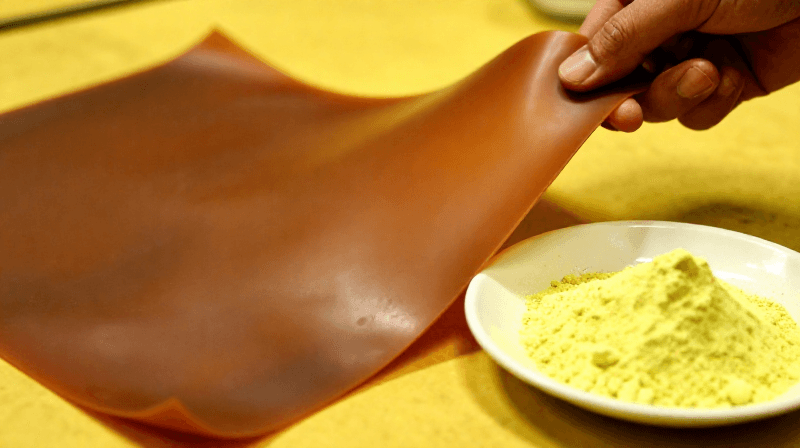
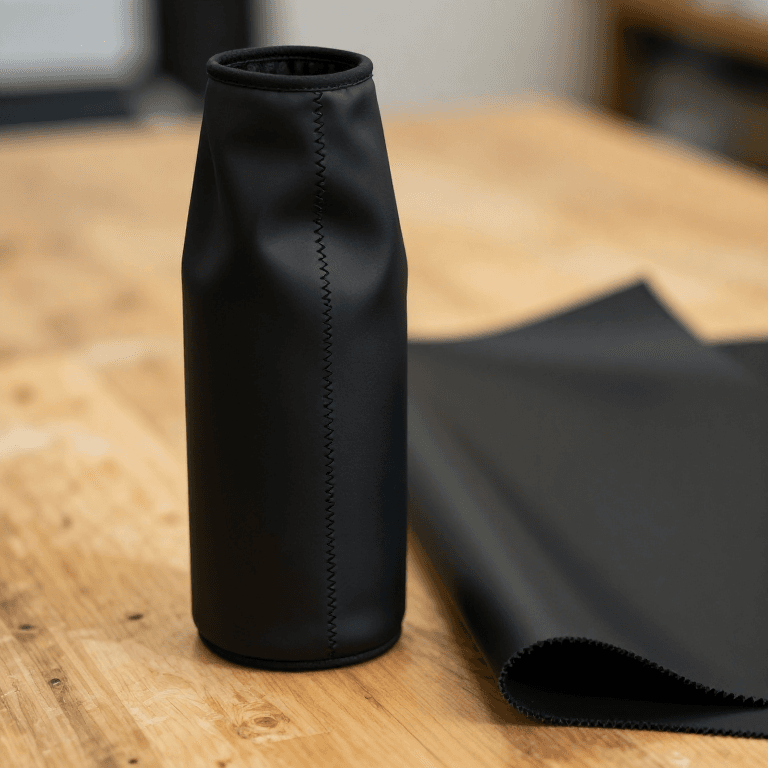
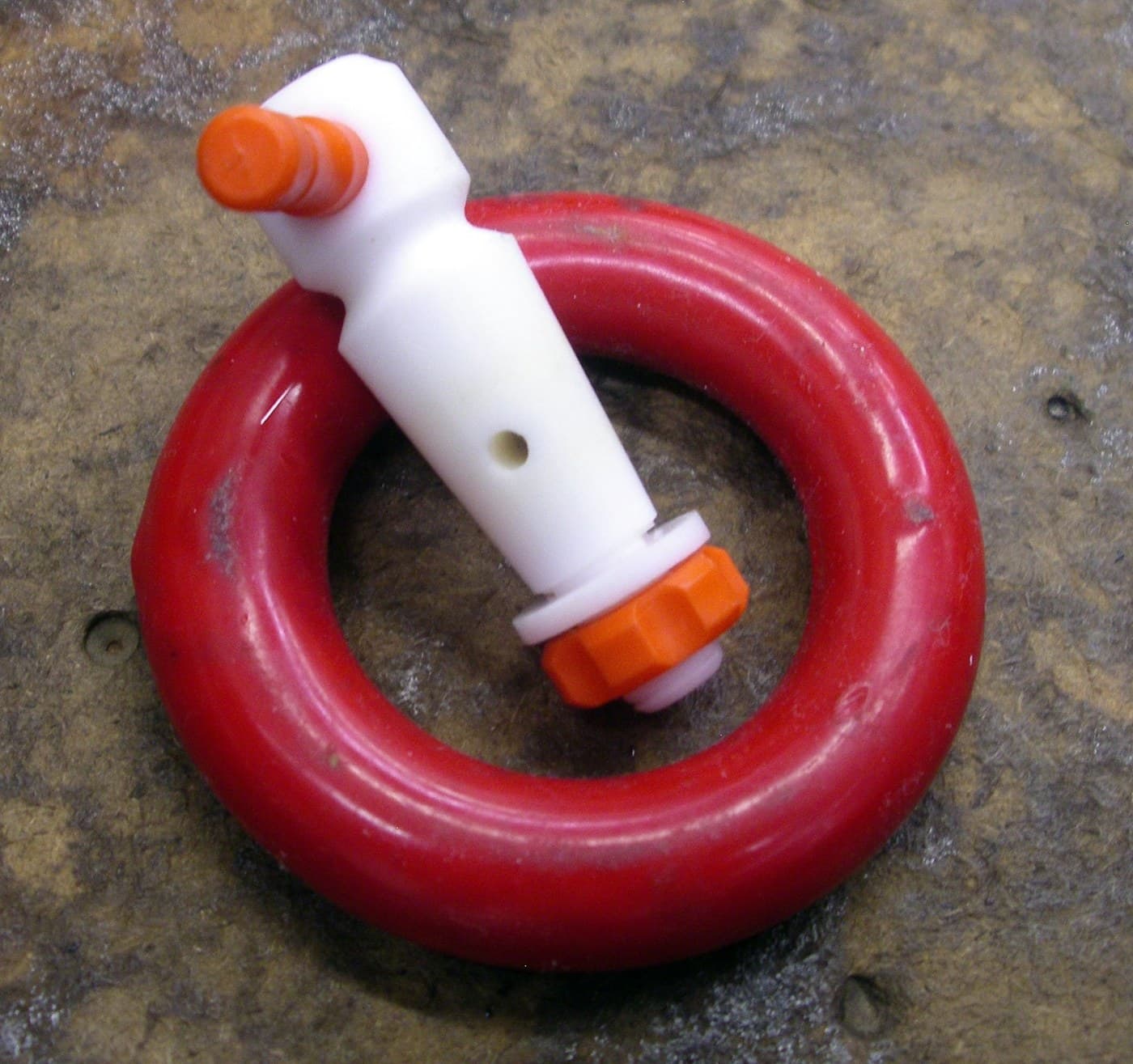
These blueprints share knowledge with this one — techniques, materials, or principles that connect them in the learning graph.



CC0 Public Domain
This blueprint is released under CC0. You are free to copy, modify, distribute, and use this work for any purpose, without asking permission.
Support the Maker by purchasing products through their Blueprint where they earn a Maker Commission set by Vendors, or create a new iteration of this Blueprint and include it as a connection in your own Blueprint to share revenue.