ART
BEAUTY & WELLNESS
CRAFT
CULTURE & HISTORY
ENTERTAINMENT
ENVIRONMENT
FOOD & DRINKS
REVERSE ENGINEERING
SCIENCES
SPORTS
TECHNOLOGY
WEARABLES


Russia Sheet Iron: Charcoal-Packed Sheets Hammered to a Mirror Polish (Jordan after Koulibine, 1867)
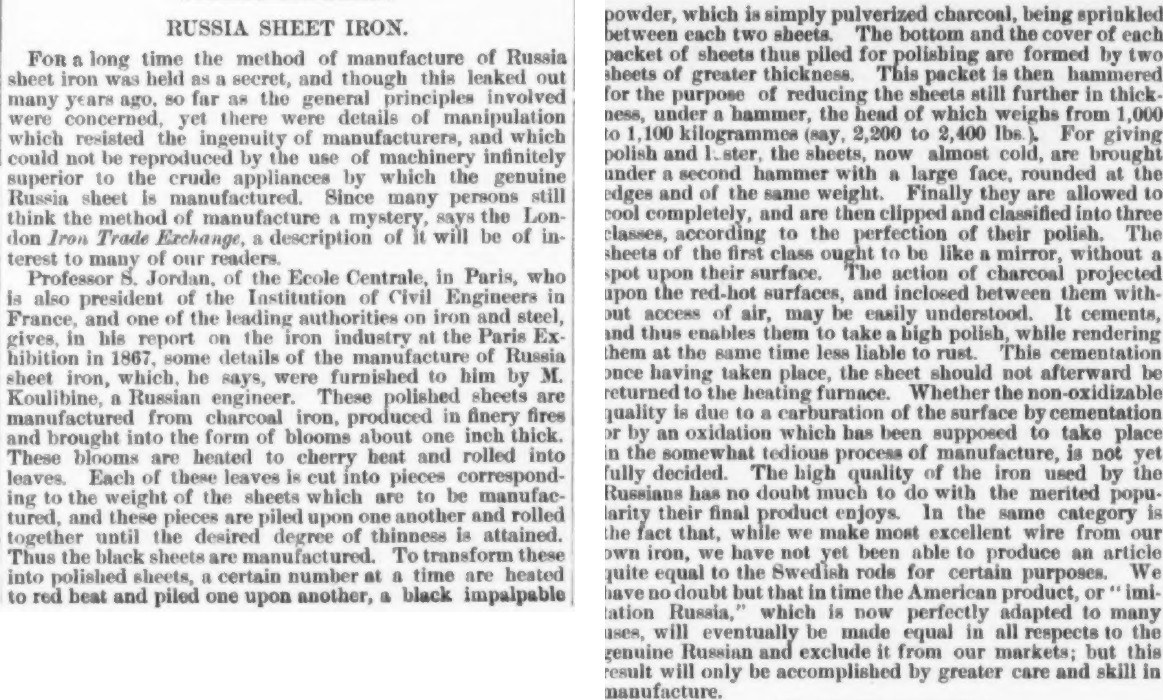
The glossy blue-black Russia sheet iron, long a Russian secret, as the engineer Koulibine described it to Professor Jordan for the Paris Exhibition of 1867: charcoal iron is rolled into black sheets, then packed red-hot with powdered charcoal between them and hammered under a one-ton hammer, then polished cold under a second.
The charcoal, shut in between the hot sheets without air, cements the surface: it takes a high polish and rusts less. Once cemented, a sheet must not go back into the heating furnace.
Unknown: how the charcoal finery iron is made. The source does not give it.
Source: 'Russia Sheet Iron', Scientific American Supplement No. 154 (1878), pp. 2448-2449, after Jordan's 1867 report. Picture: the article.
Advanced
Unknown
Instructions
1
1
Roll the blooms into leaves
Roll the blooms into leaves
Start from charcoal iron made in finery fires and brought into blooms about one inch thick. Heat the blooms to cherry heat and roll them into leaves. Ours: the furnace and the rolling mill; the source names neither.
Materials for this step:
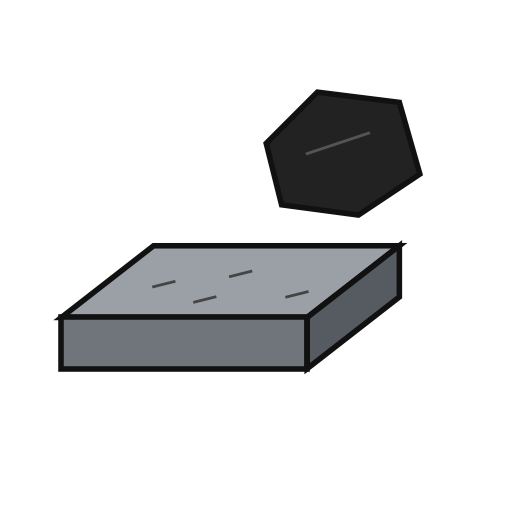 Charcoal Finery Iron1 blooms about 1 inch thick
Tools needed:
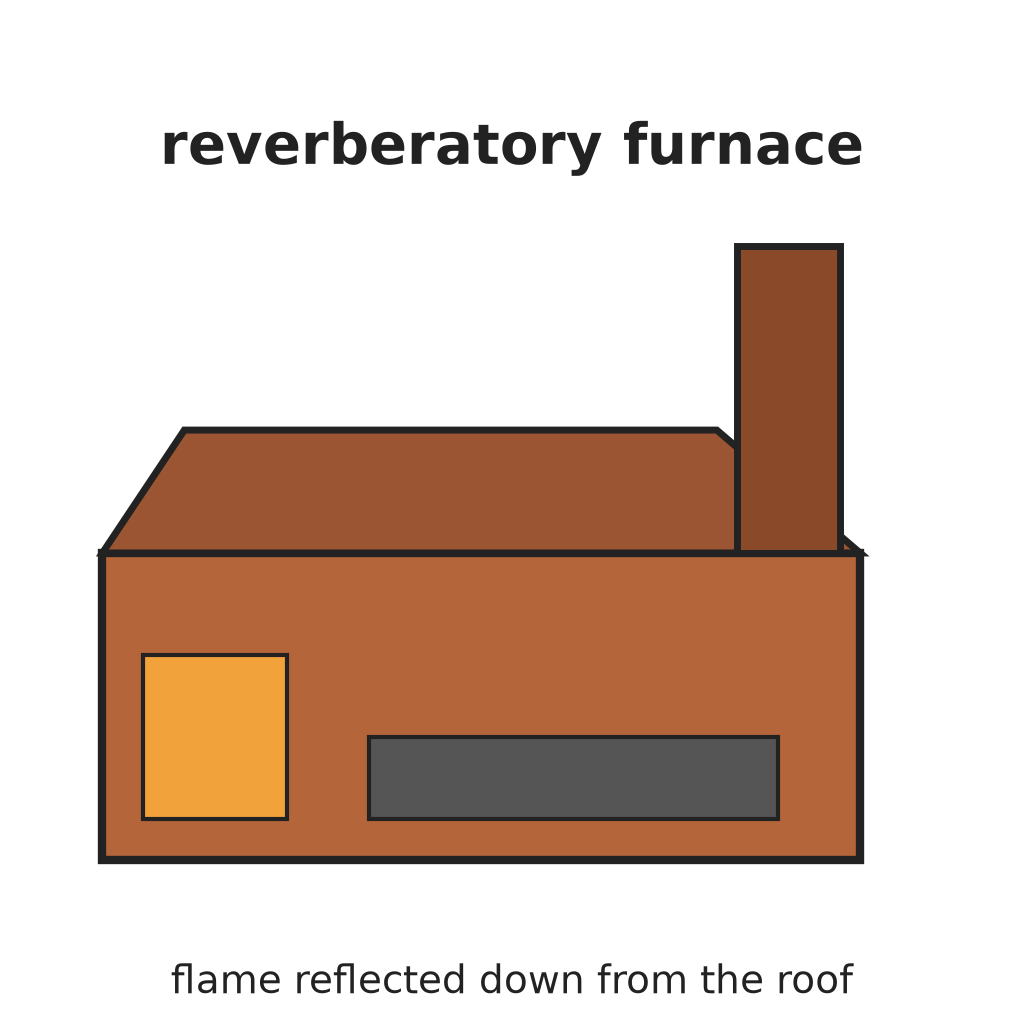 Reverberatory Furnace
 Rolling Mill
 Forge Tongs
2
2
Roll the black sheets
Roll the black sheets
Cut each leaf into pieces that match the weight of the sheets to be made. Pile the pieces on one another and roll them together until they are as thin as wanted. These are the black sheets.
Tools needed:
 Plate ShearsReverberatory FurnaceRolling MillForge Tongs
3
3
Pack with charcoal
Pack with charcoal
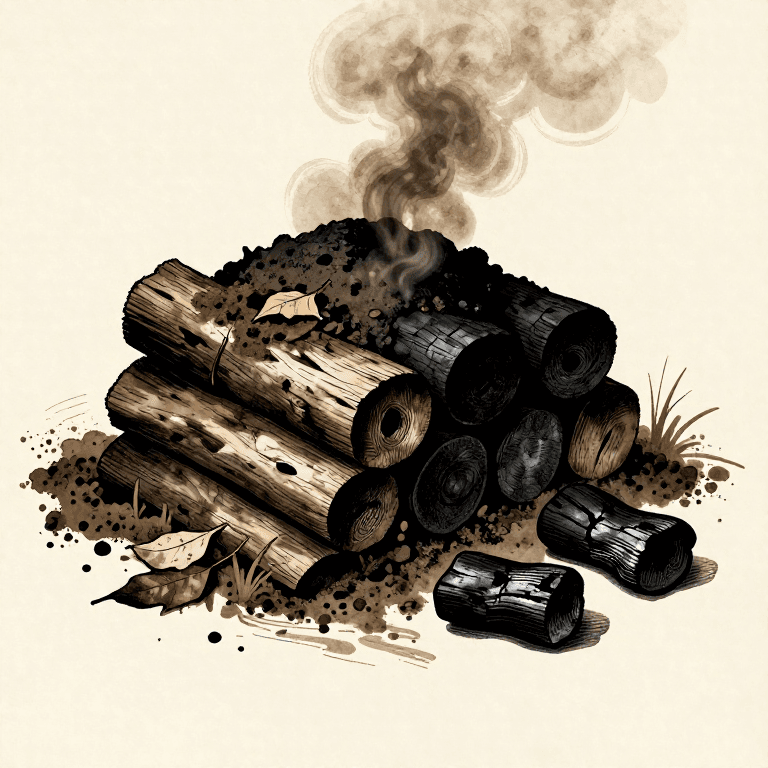
Heat a number of black sheets at a time to red heat and pile them one on another, sprinkling pulverized charcoal, a black impalpable powder, between each two. Two thicker sheets form the bottom and the cover of the packet. Ours: we pound lump charcoal in a mortar.
Materials for this step:
 Lump Charcoal (hardwood)1 pulverized
Tools needed:
 Stone Mortar and PestleReverberatory FurnaceForge Tongs
4
4
Hammer the packet
Hammer the packet
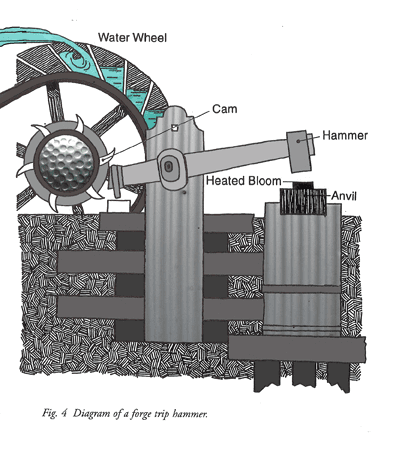
Hammer the packet to thin the sheets further, under a hammer whose head weighs 1,000 to 1,100 kg (2,200 to 2,400 lb). Ours: a trip hammer; the source does not say how the hammer is driven.
Tools needed:
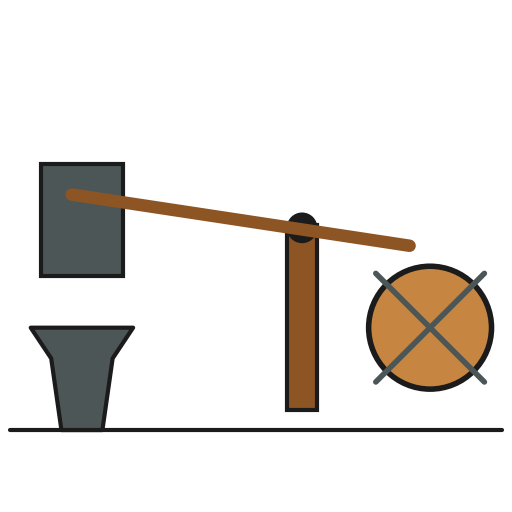 Trip HammerForge Tongs
5
5
Polish under the second hammer
Polish under the second hammer
When the sheets are almost cold, bring them under a second hammer of the same weight with a large face, rounded at the edges, to give them polish and lustre. Do not put them back in the heating furnace.
Tools needed:
Trip HammerForge Tongs6
6
Clip and sort
Clip and sort
Let the sheets cool completely, then clip them and sort them into three classes by the perfection of their polish. A first-class sheet is like a mirror, without a spot on its surface.
Tools needed:
Plate ShearsMaterials
2- 1 blooms about 1 inch thickPlaceholder
- 1 pulverizedPlaceholder
Connected Blueprint Materials
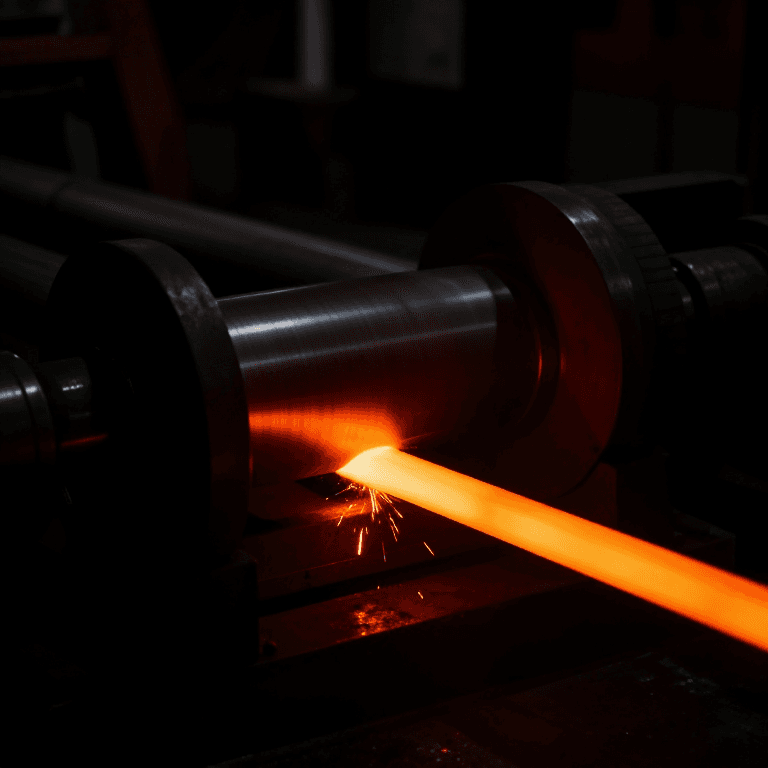

This blueprint makes
CC0 Public Domain
This blueprint is released under CC0. You are free to copy, modify, distribute, and use this work for any purpose, without asking permission.
Support the Maker by purchasing products through their Blueprint where they earn a Maker Commission set by Vendors, or create a new iteration of this Blueprint and include it as a connection in your own Blueprint to share revenue.