ART
BEAUTY & WELLNESS
CRAFT
CULTURE & HISTORY
ENTERTAINMENT
ENVIRONMENT
FOOD & DRINKS
REVERSE ENGINEERING
SCIENCES
SPORTS
TECHNOLOGY
WEARABLES
Translated


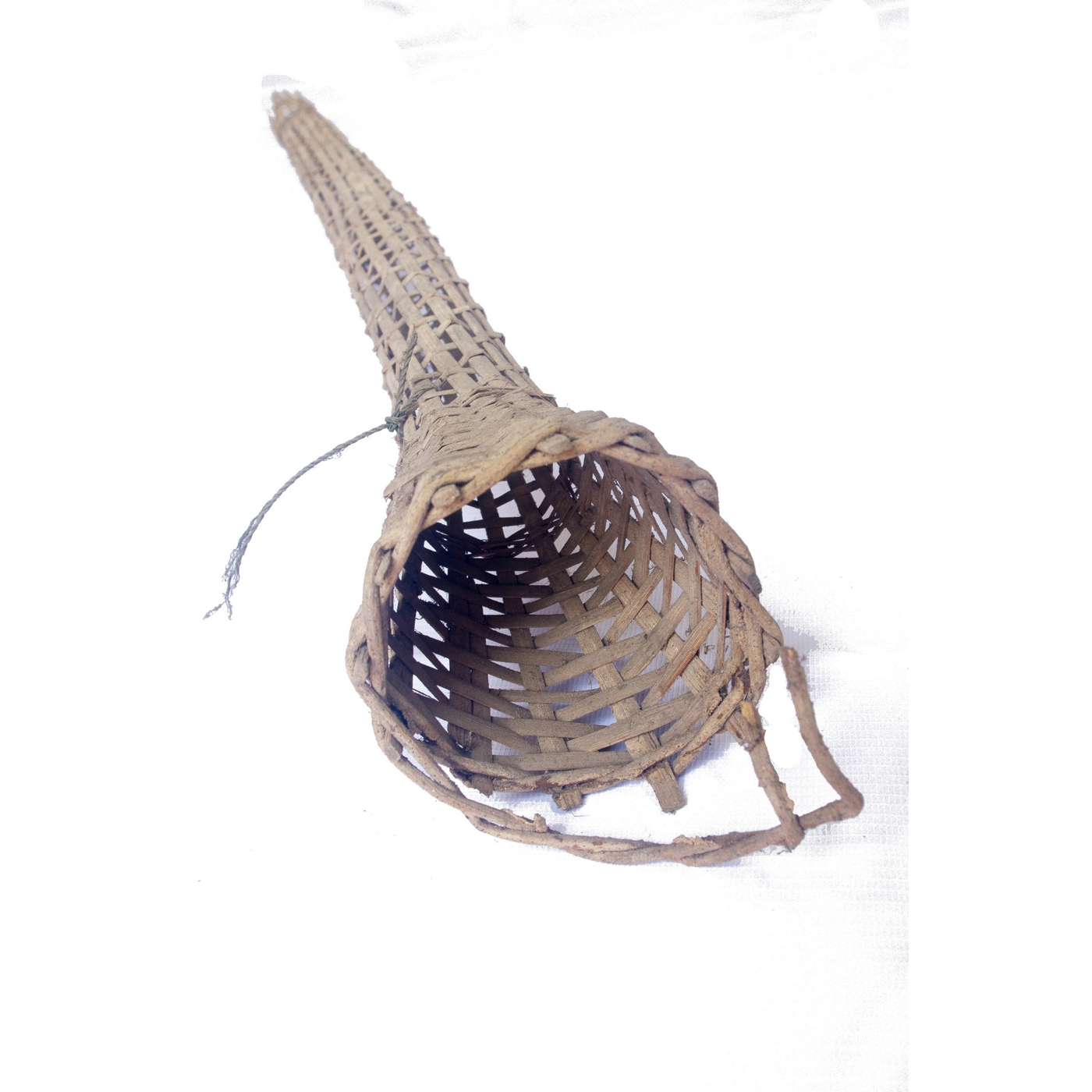
Son (Thai Horn-Shaped Fish Trap) — Bamboo Strips Woven on a Form Into a Horn, Wide-Mouthed and Round-Ended, Set in Gaps in Paddy Bunds
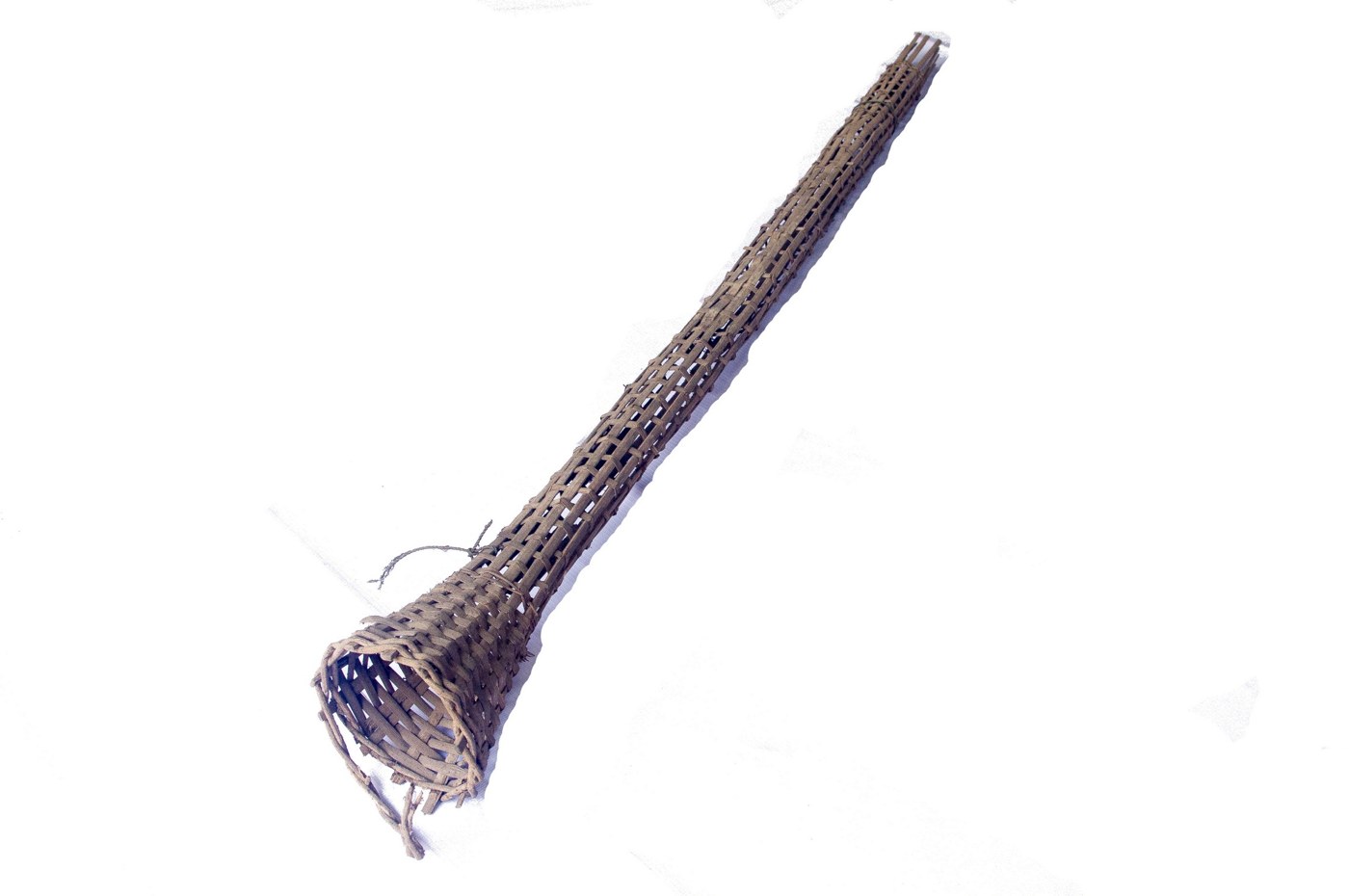
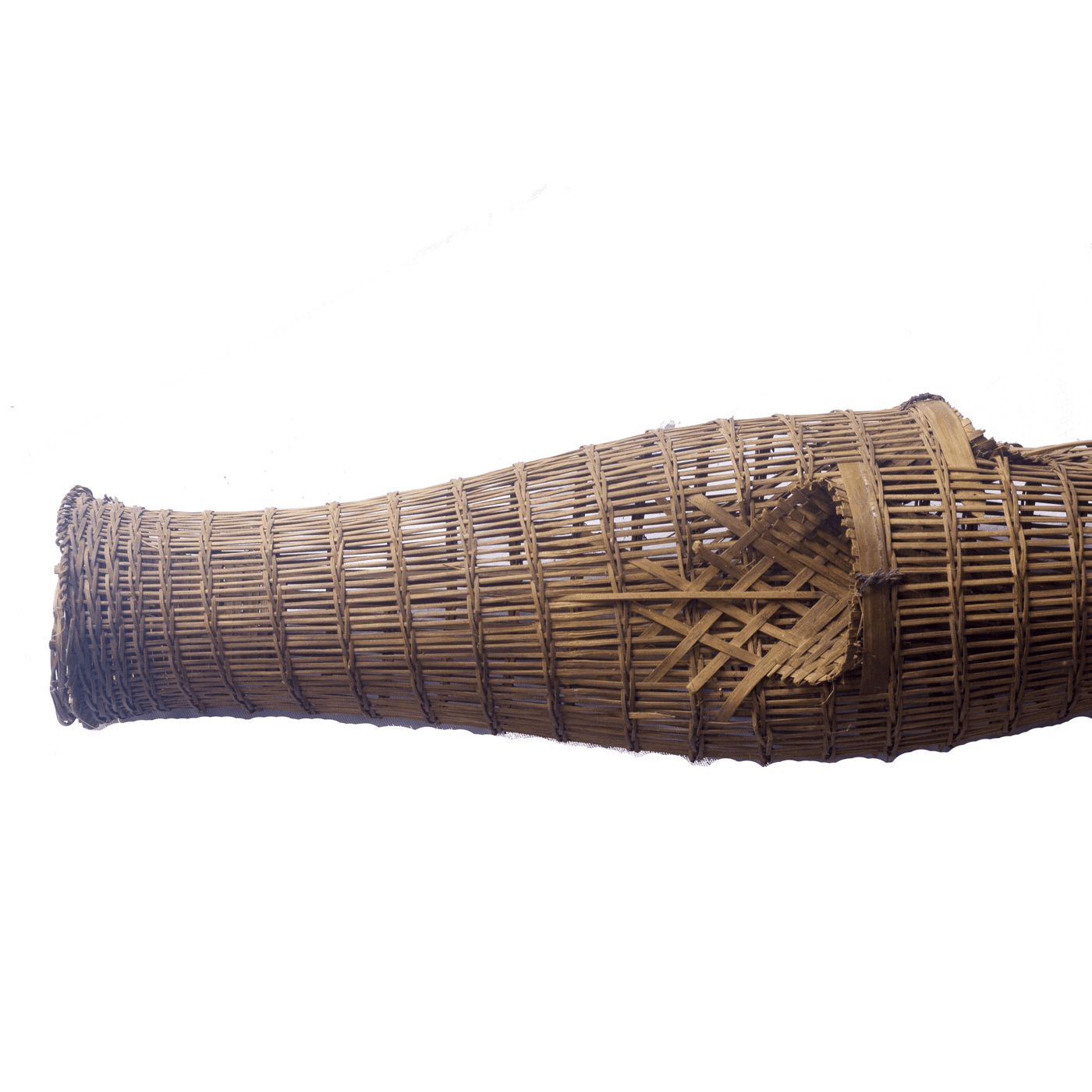
ซ่อน (son) is a trap for fish feeding against or with the current in ditches and gaps in paddy bunds. It is a long, narrow cylinder with a wide flared mouth and a rounded end, like a horn.
This blueprint weaves a real bamboo son by the method in the source.
Intermediate
About 1 day
Instructions
1
1
Real sizes
Real sizes
Loading Jupyter Notebook...
2
2
Traps, before it
Traps, before it
The sai catches fish with funnels; the son is a narrow horn in which a fish that enters is caught tight inside.
3
3
Read from the source
Read from the source
"It is made of bamboo split into flat strips about 1 metre long and woven into shape over a wooden form as a core; the strips are laid along the form, far apart or close together depending on the kind and size of fish the user wants." (Sirindhorn Anthropology Centre, author ทำนุ วรธงไชย (Thamnu Worathongchai), CC BY 4.0)
4
4
Strips and form
Strips and form
Split bamboo into flat strips about 1 metre long, and prepare a round bamboo as the form to shape the trap on.
Materials for this step:
 Bamboo Poles1 piece
Tools needed:
 Machete
 Knife
Knife5
5
Weave the body
Weave the body
Lay the strips along the form, far apart or close together depending on the kind and size of fish wanted, and weave a single strip round and up until the neck is about 70 cm long.
6
6
The mouth
The mouth
Pull the form out, flare the mouth wide, weave the strips close together at the mouth and bind its rim tight.
Materials for this step:
 Cotton Twine1 piece
7
7
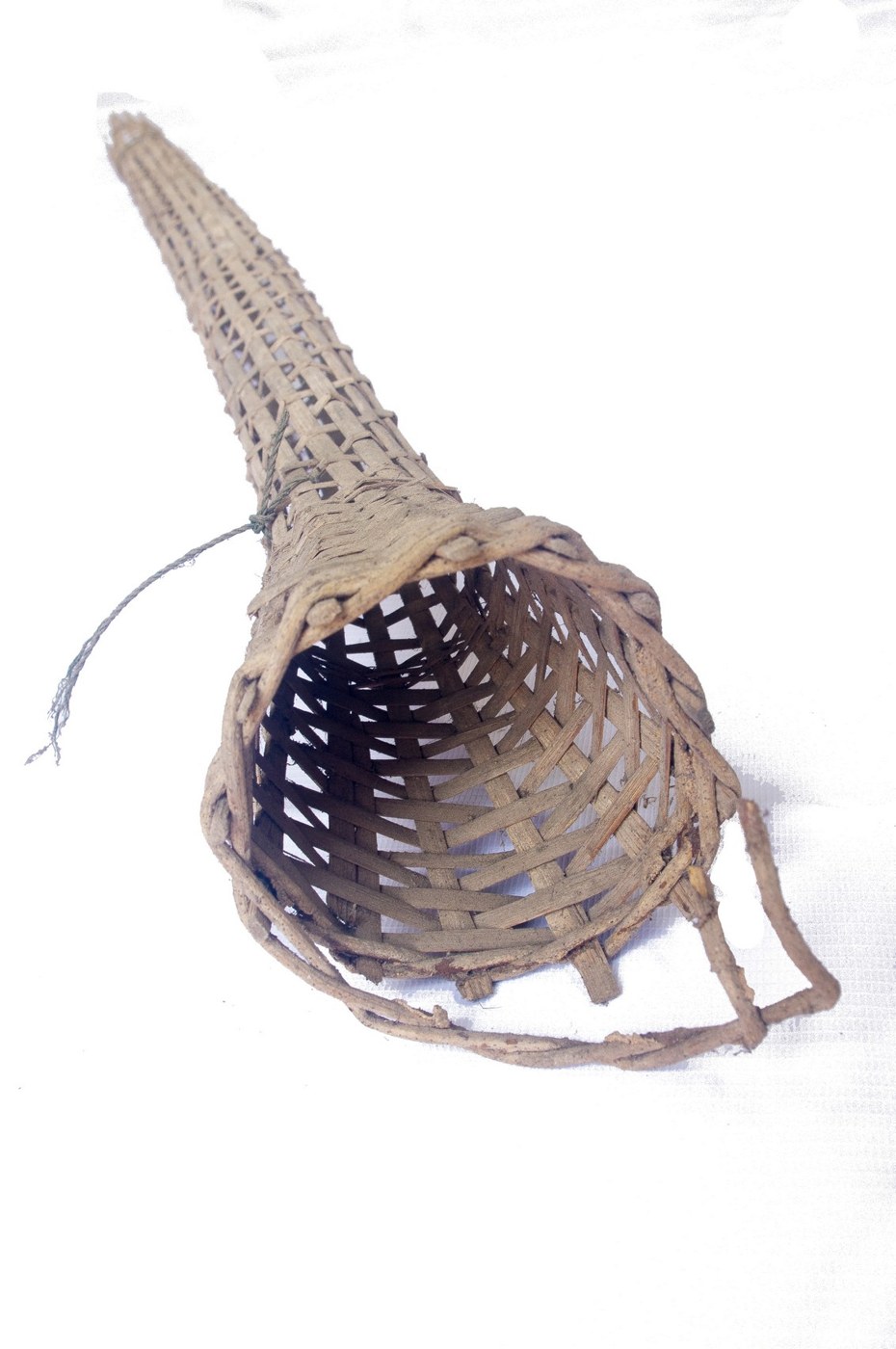
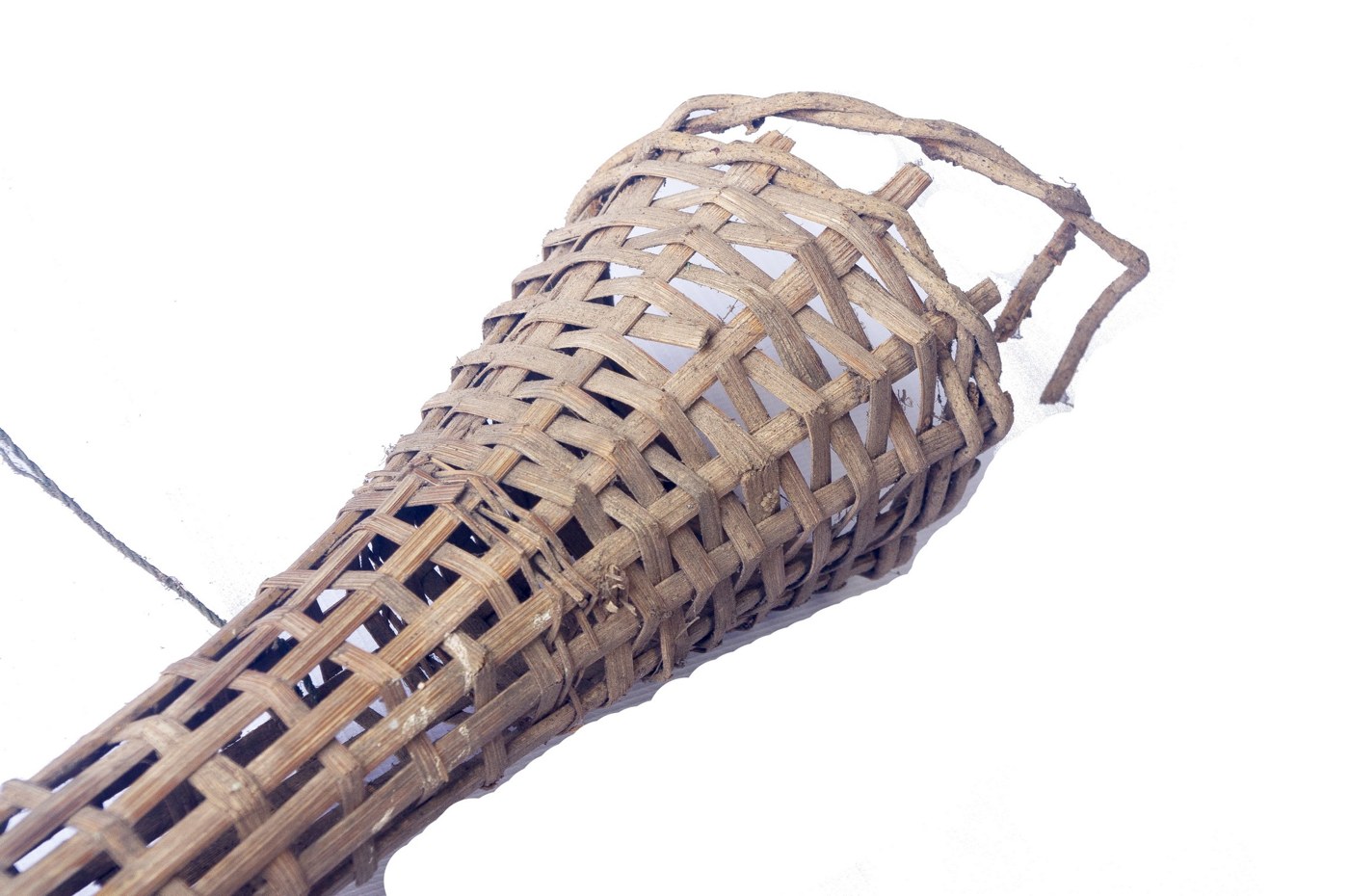
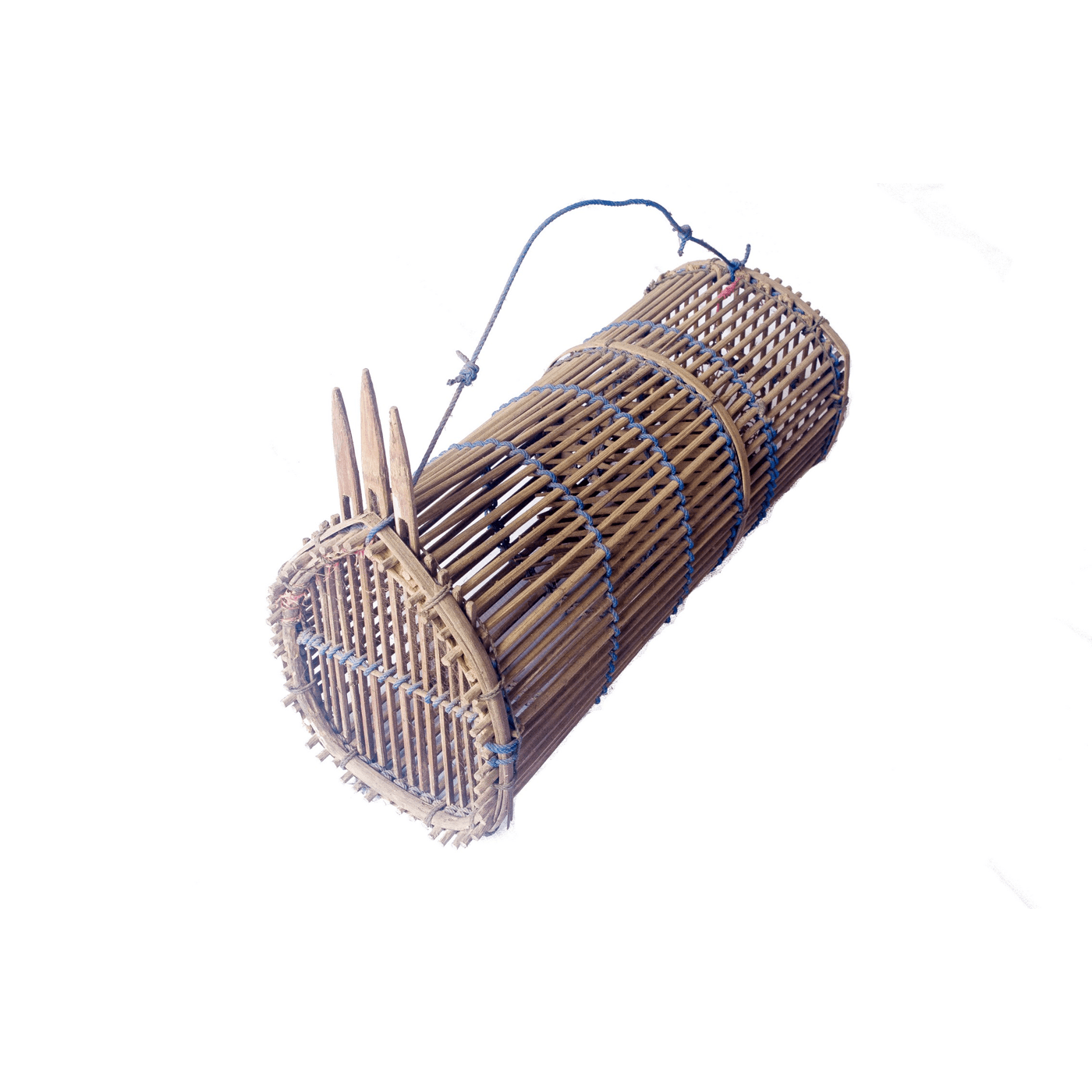
Real photos
Real photos
Photos of a real son from the Nong Bua Khok Folk Museum (Sirindhorn Anthropology Centre, author ทำนุ วรธงไชย (Thamnu Worathongchai), CC BY 4.0).
8
8
How it is used
How it is used
It can be set all through the rainy season. With the new water, dig a small drainage gap, lay the tail of the son into the paddy with its mouth facing out against the earth of the bund to take fish swimming upstream into the field, cover it with grass and weigh it down with earth. When the rice turns golden and the water is drained, turn the mouth to face the current, because the fish are leaving the field. Set several, spread well apart, and check them often.
9
9
Troubleshooting
Troubleshooting
Troubleshooting the son.
Flow
Loading...
10
10
History and limits
History and limits
The name son (to hide) comes from laying it in the drain and covering it with grass and earth, as if tucked away in hiding. In some places a son for a single rainy season is made from 13 halved stems of po khi tun, about 70 cm long, laid round a form one span long and 5 cm across, and tied with som lom vine. One son may catch only one or two fish, so it must be checked often. Take care with spiny fish when emptying it.
Source: Sirindhorn Anthropology Centre, Traditional Objects of Everyday Use database, "ซ่อน", author ทำนุ วรธงไชย (Thamnu Worathongchai), Nong Bua Khok Folk Museum, Buriram (CC BY 4.0 licence).
**Limits** The source does not give the size of the form or the width of the mouth for the bamboo son.
Materials
2- 1 piecePlaceholder
- 1 piecePlaceholder
Related Blueprints
These blueprints share knowledge with this one — techniques, materials, or principles that connect them in the learning graph.
CC0 Public Domain
This blueprint is released under CC0. You are free to copy, modify, distribute, and use this work for any purpose, without asking permission.
Support the Maker by purchasing products through their Blueprint where they earn a Maker Commission set by Vendors, or create a new iteration of this Blueprint and include it as a connection in your own Blueprint to share revenue.