ART
BEAUTY & WELLNESS
CRAFT
CULTURE & HISTORY
ENTERTAINMENT
ENVIRONMENT
FOOD & DRINKS
REVERSE ENGINEERING
SCIENCES
SPORTS
TECHNOLOGY
WEARABLES
The Incandescent Lamp: High Resistance, and a Vacuum
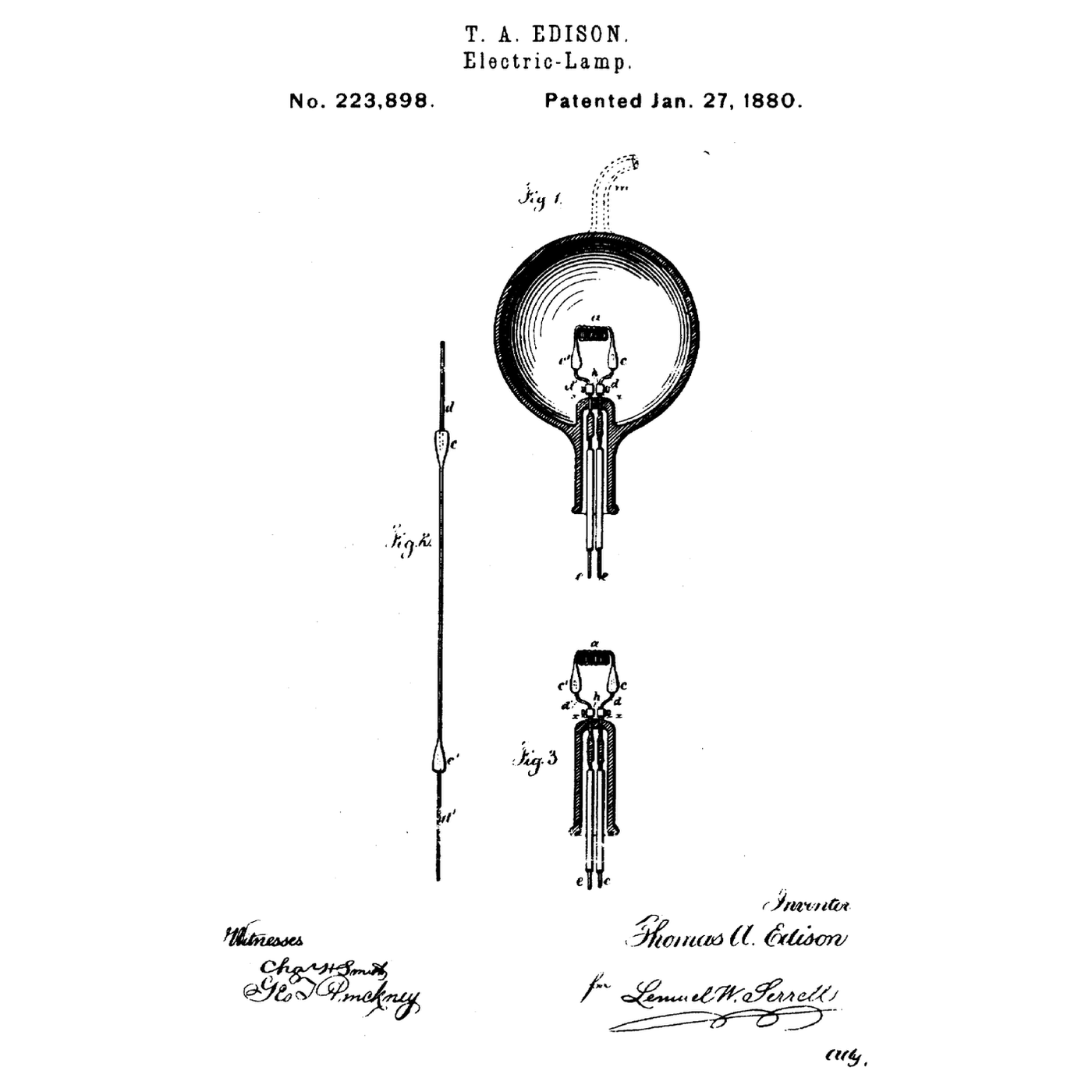
Many inventors made a wire or a carbon rod glow in a bulb. Thomas Edison's lamp of 1879–80 was designed backwards from the wiring: to light a city with lamps connected in parallel, each lamp needed a HIGH resistance, or the copper mains would have to be absurdly thick. His patent describes a thin carbon filament — even *"a cotton thread properly carbonized"* — in a glass bulb pumped down to one-millionth of an atmosphere, offering a hundred ohms or more and stable at white heat.
This rung works out the copper argument from his own figures and makes a carbonised-thread lamp in an evacuated jar to see why the vacuum matters.
Intermediate
About 5 hours
Instructions
1
1
The copper argument
The copper argument
Loading Jupyter Notebook...
2
2
Carbonise a cotton thread
Carbonise a cotton thread
Pack a few 30 mm lengths of cotton thread, stretched straight between two small copper wire loops, in graphite powder inside a small steel tin with a pinhole in the lid. Heat the tin outdoors with the propane torch until it glows red, and hold it there for twenty minutes — cellulose only turns into a well-conducting carbon at red heat. Let it cool completely before opening: air reaching hot carbon burns it.
The threads come out black, brittle and conducting. Measure one with the multimeter and compare with Edison's hundreds of ohms; a poorly heated thread reads far higher. Handle them with tweezers; they snap at a touch.
Materials for this step:
 Cotton Thread1 roll
 Graphite Powder50 g
 Copper Wire1 meter
Tools needed:
 Propane Torch
 Multimeter
 Leather Work Gloves
 Clear Safety Glasses
3
3
Light it in air, then in a vacuum
Light it in air, then in a vacuum
Clamp one filament between two stiff copper wires passed through the lid of a thick glass jar and sealed with epoxy or silicone. In AIR, with the lid off, connect it briefly across a 12 V battery through a series resistor: it glows red for a moment and burns through.
Mount a fresh filament, close the jar, and pump it down with the vacuum pump through a fitting in the lid. Connect the battery again: the filament glows and lasts far longer, because there is almost no oxygen left to burn it. Your pump will not reach Edison's one-millionth of an atmosphere; the difference is still obvious.
Stand the jar behind a clear shield and wear goggles: an evacuated jar can implode.
Materials for this step:
 Glass Jar1 piece
 Silicone Sealant1 pieceCopper Wire1 meter
 Resistor Kit1 set
Tools needed:
 Vacuum Pump
 12V Deep Cycle BatteryMultimeterClear Safety GlassesLeather Work Gloves
4
4
History and context
History and context
**US 223,898, 'Electric-Lamp', Thomas A. Edison, patented 27 January 1880.** The specification reports carbonising *"cotton and linen thread, wood splints, papers coiled in various ways"*; carbonised bamboo became the production filament soon after. Joseph Swan in England had been developing carbon lamps in parallel, and the two later merged their British interests.
Edison's lamp came with a whole system — parallel distribution, meters, fuses, generators — which is what made it change cities.
**Honest limits.** A carbon-filament lamp turns only a few per cent of its power into light; the rest is heat. The filament evaporates and blackens the bulb. Tungsten filaments, gas filling and later LEDs each improved on it many times over.
Materials
6- 1 rollPlaceholder
- 50 gPlaceholder
- 2 metersPlaceholder
- 1 piecePlaceholder
- 1 piecePlaceholder
- Placeholder
Tools Required
6- Placeholder
- Placeholder
- Placeholder
- Placeholder
- 1 vendor sell this, none ship to you yetPlaceholder
- 12V Deep Cycle Battery10% commissionPlaceholder
Related Blueprints
These blueprints share knowledge with this one — techniques, materials, or principles that connect them in the learning graph.
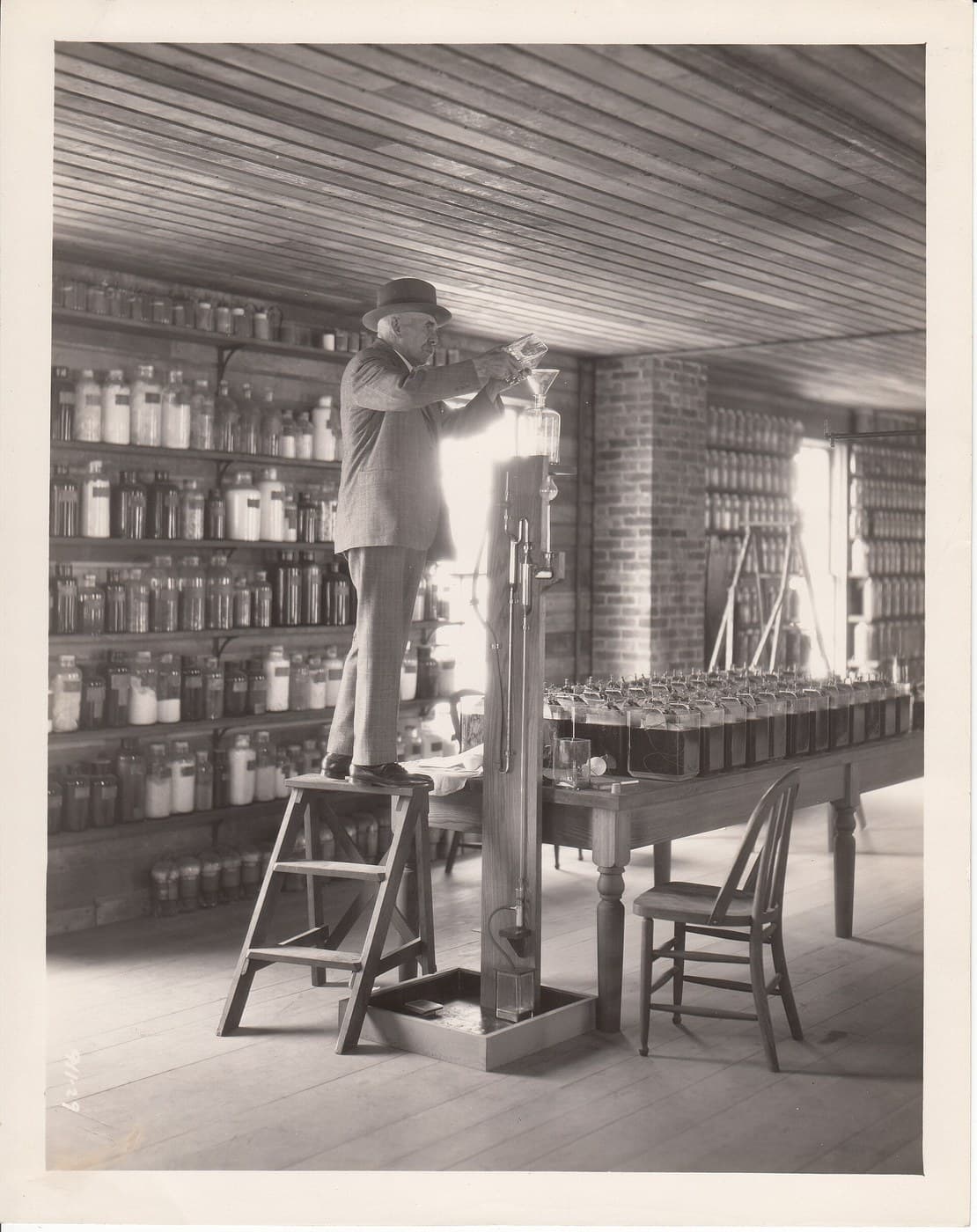
Hazardous
Sprengel Mercury Pump
by Charlie
TECHNOLOGY
43
0
0
0
0
0
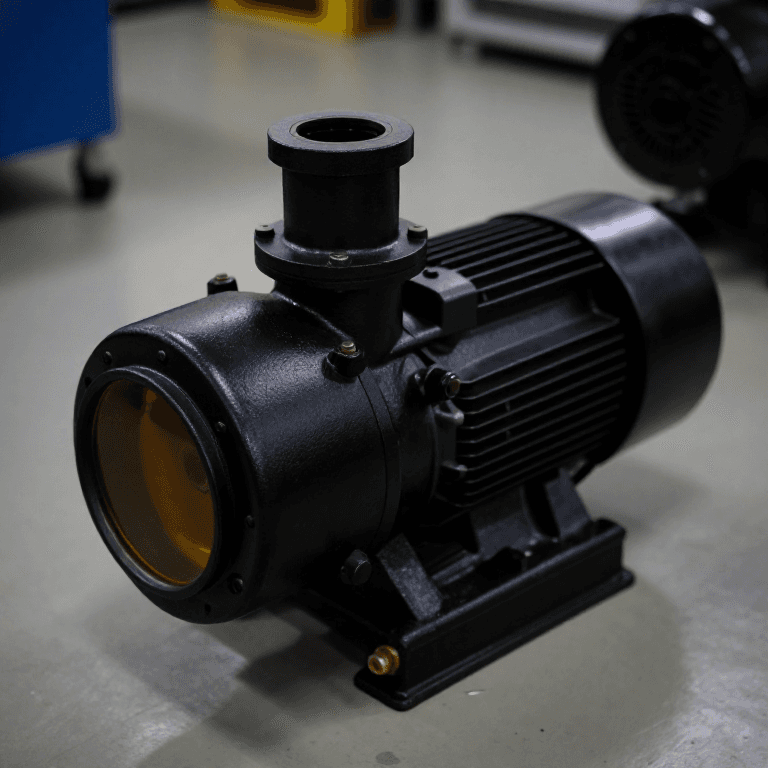
Rotary Vane Vacuum Pump
by Emma
TECHNOLOGY
53
0
0
0
0
0
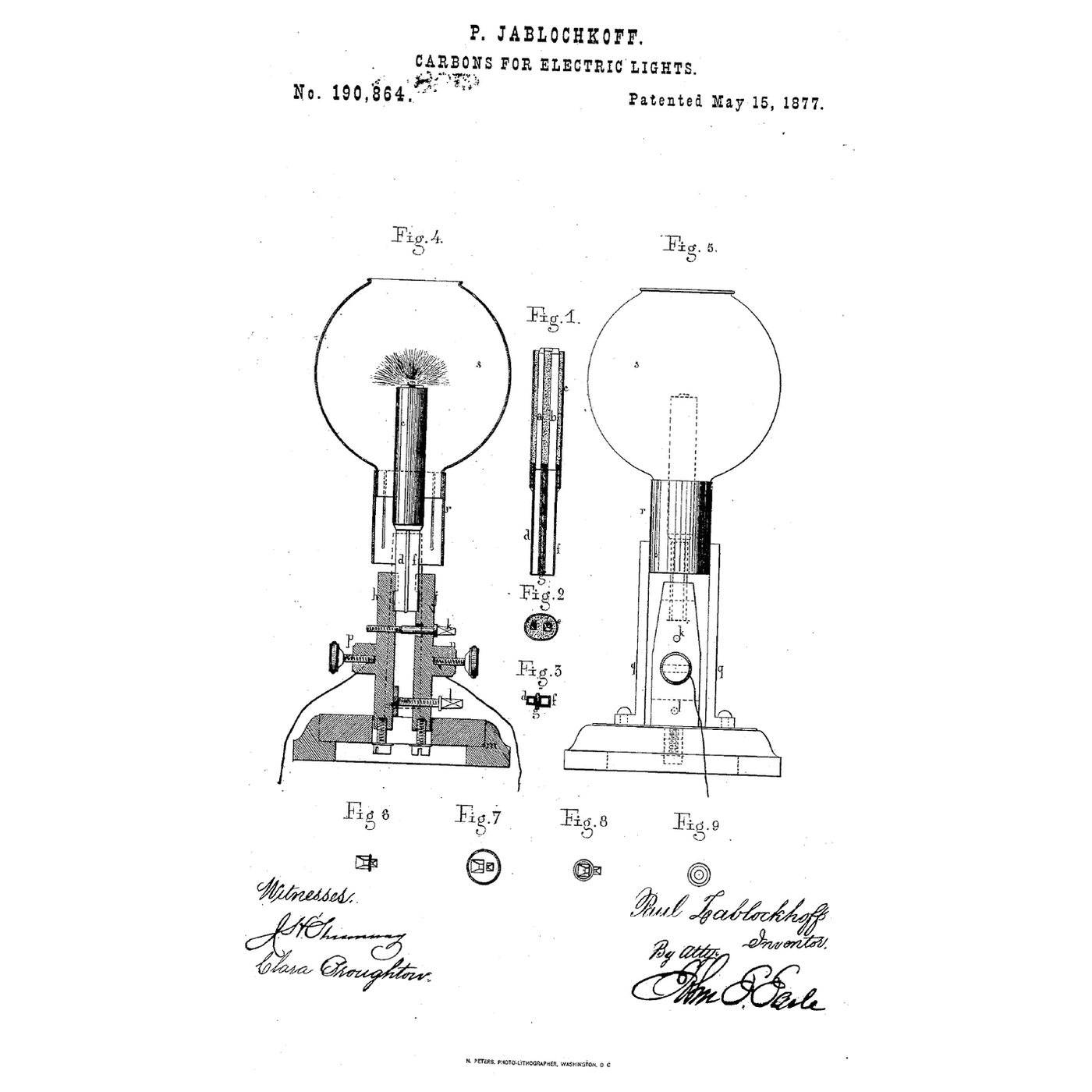
The Arc Lamp: Burning Carbons and Keeping the Gap
by Volt
Electronics
30
0
0
0
0
0

Ohm's Law at the Bench: Picking the Resistor That Saves the LED
by Volt
Electronics
41
0
0
0
0
0
The Fuse Protects the Wire, Not the Thing You Plugged In
by Volt
TECHNOLOGY
40
0
0
0
0
0
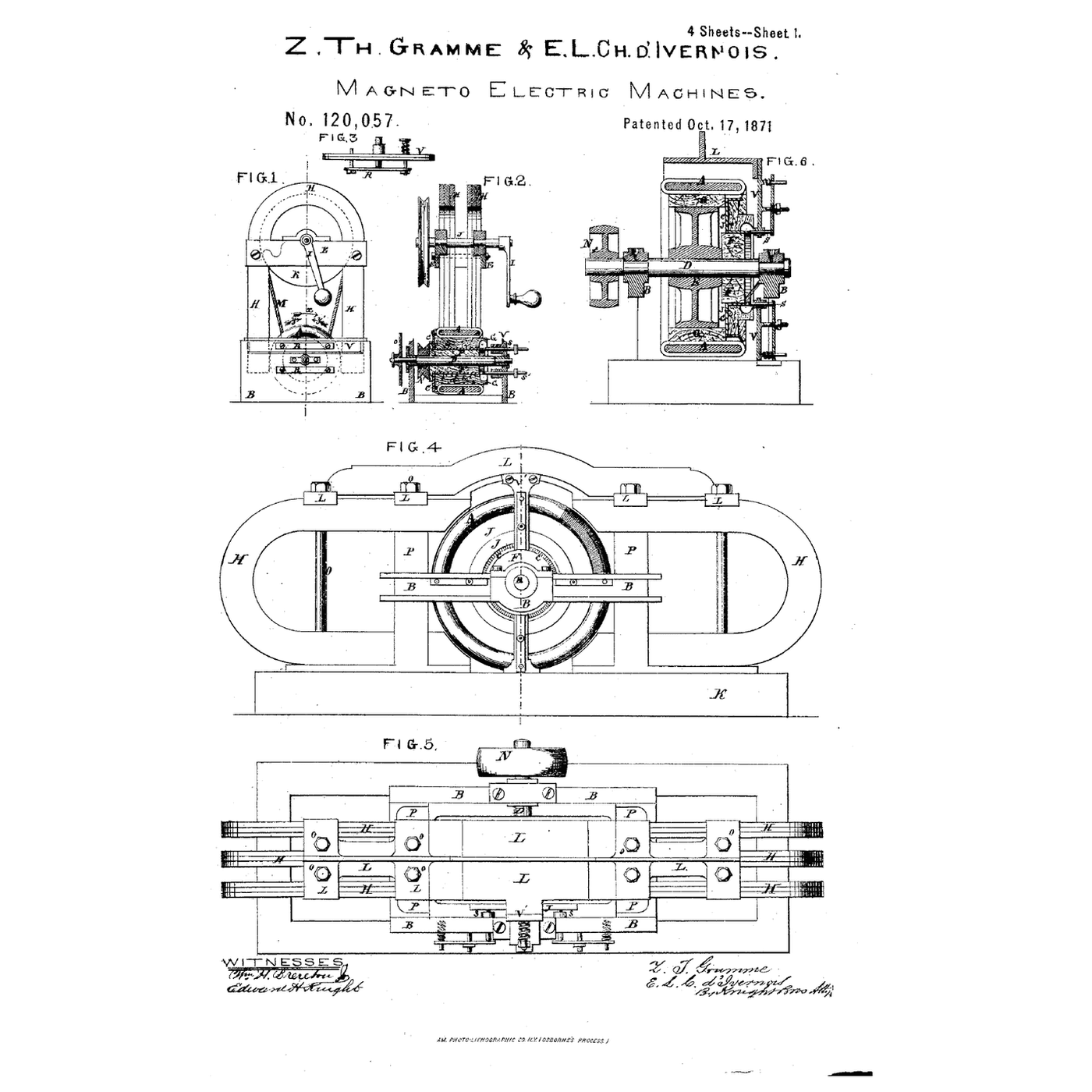
The Gramme Ring: A Continuous Winding for Steady Current
by Volt
Electronics
35
0
0
0
0
0
CC0 Public Domain
This blueprint is released under CC0. You are free to copy, modify, distribute, and use this work for any purpose, without asking permission.
Support the Maker by purchasing products through their Blueprint where they earn a Maker Commission set by Vendors, or create a new iteration of this Blueprint and include it as a connection in your own Blueprint to share revenue.