

NGHỆ THUẬT
LÀM ĐẸP VÀ SỨC KHỎE
THỦ CÔNG
VĂN HÓA VÀ LỊCH SỬ
GIẢI TRÍ
MÔI TRƯỜNG
THỰC PHẨM VÀ ĐỒ UỐNG
KỸ THUẬT NGƯỢC
KHOA HỌC
THỂ THAO
CÔNG NGHỆ
THIẾT BỊ ĐEO
Making Steel in a Bessemer Converter — Mass Steel by Blowing Air Through Iron
Thrawn

Tạo bởi

Thrawn

25. tháng Sáu 2026US
31
0
0
0
0

Making Steel in a Bessemer Converter — Mass Steel by Blowing Air Through Iron

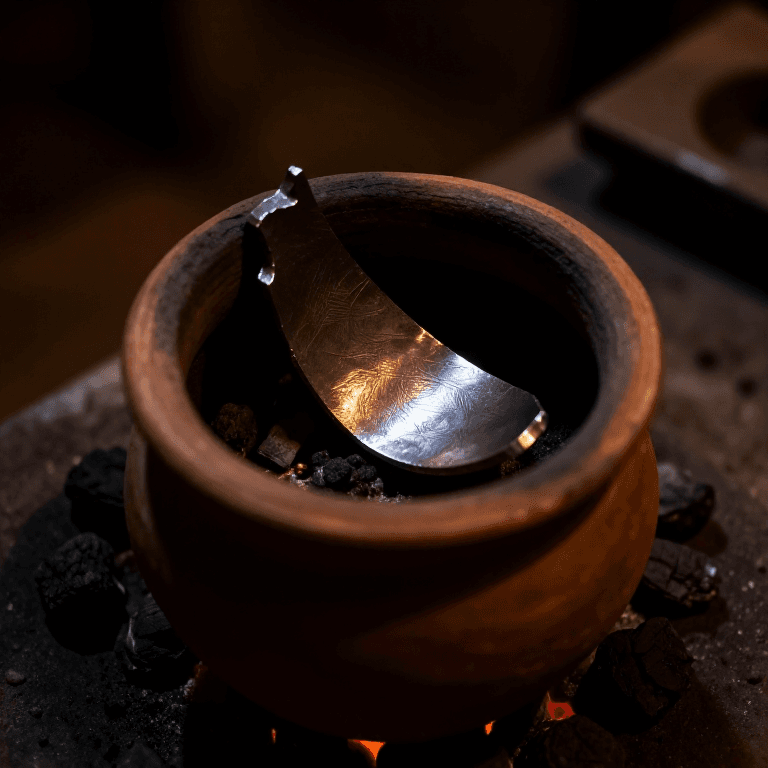
Crucible steel was superb but slow, made a few kilograms at a time. In 1856 Henry Bessemer found a way to make steel by the tonne in about twenty minutes, and the price of steel collapsed from a luxury to a commodity. Rails, ships, bridges, and the first steel-framed buildings all became possible almost overnight.

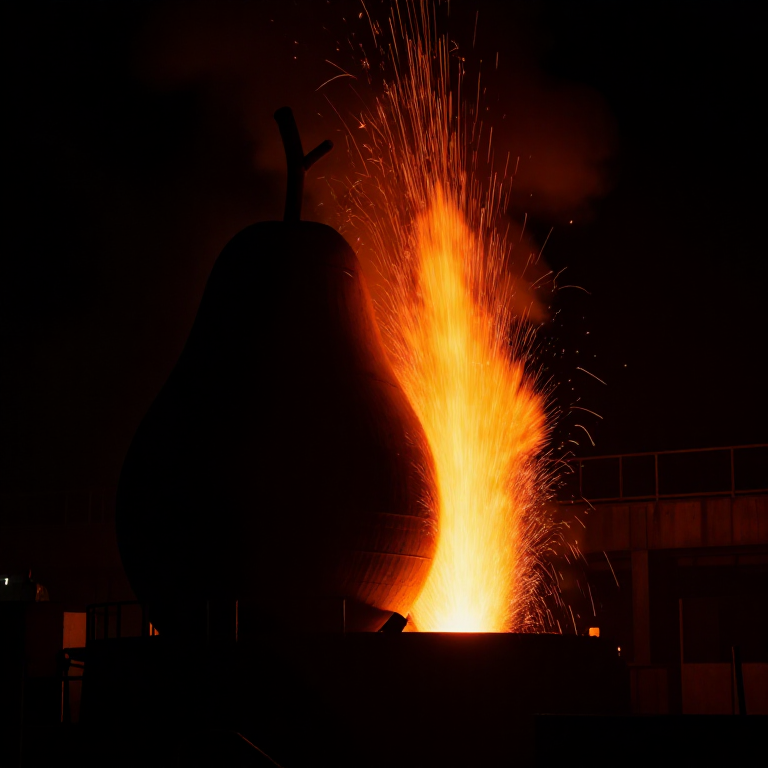
His method sounds reckless: blow cold air straight up through a vessel of molten pig iron. The oxygen in the blast burns out the silicon, manganese, and carbon that make pig iron brittle — and because those reactions give off enormous heat, the metal does not cool but actually gets hotter, staying liquid with no added fuel. A volcano of flame and sparks roars from the converter's mouth while the carbon burns away.

The trick is knowing when to stop. The operator reads the flame, and the instant the carbon is gone, halts the blow and adds back a precise dose of carbon-rich spiegeleisen to hit the exact steel he wants. Tilt, pour, and there is a ladle of molten steel where minutes before there was crude pig iron.

Nâng cao
About 20 minutes per blow once the converter is hot

Hướng dẫn

1

Understand the converter

The Bessemer process refines molten pig iron into steel by blowing air through it. The oxygen burns out the carbon and other impurities, and the heat of those reactions keeps the metal molten with no external fuel. The whole point is speed and scale — tonnes of steel in minutes.
2

Build and line the converter

Build a large pear-shaped vessel that can tilt on trunnions, with a ring of air tuyeres in the bottom. Line it with refractory: silica brick for the acid process, or dolomite for the basic process that can handle phosphoric iron. The lining must survive molten steel and a roaring blast.

Vật liệu cho bước này:

FirebrickFirebrick120 cái

Công cụ cần thiết:

TrowelTrowel
3

Charge molten pig iron

Tilt the converter on its side and pour in molten pig iron straight from the blast furnace or a cupola. Charging it already liquid is what lets the whole refining happen in one short, fierce blow.

Vật liệu cho bước này:

Pig Iron IngotsPig Iron Ingots100 kg
4

Start the blast

Turn the converter upright and switch on a powerful air blast through the bottom tuyeres so it bubbles up through the entire melt. Start the air before the metal can settle over the tuyeres, or molten iron will run into them.

Công cụ cần thiết:

Air BlowerAir Blower
5

Burn out the impurities

The oxygen attacks the dissolved silicon and manganese first, then the carbon. Each reaction releases heat, so the bath grows hotter as it purifies and stays fully liquid without any fuel. This self-heating is the genius of the process.
6

Read the flame

A great flame and shower of sparks roar from the mouth. Its colour and length report on the burn: a long, brilliant white flame means carbon is burning hard. The operator watches it like a gauge — in early days, before instruments, the flame was the only guide.

Công cụ cần thiết:

Safety GogglesSafety Goggles
7

Stop at the drop

When the carbon is nearly gone the flame suddenly shortens and drops. Cut the blast at once. Blow too long and you have over-oxidised, near-pure iron full of dissolved oxygen — soft and useless until corrected.
8

Recarburise with spiegeleisen

Tilt the converter and add a measured amount of spiegeleisen — a manganese-rich pig iron. Its carbon brings the steel up to the exact carbon level wanted, and its manganese scavenges the dissolved oxygen, healing the over-blown metal into sound steel.

Vật liệu cho bước này:

SpiegeleisenSpiegeleisen8 kg
9

Handle phosphoric iron

If the pig iron contains phosphorus, the acid lining cannot remove it and the steel will be brittle. Use a basic dolomite lining and add lime, which combines with the phosphorus into a slag — the Gilchrist-Thomas basic process that opened Bessemer steel to a far wider range of ores.

Vật liệu cho bước này:

QuicklimeQuicklime10 kg
10

Pour into the ladle

Tilt the converter fully and pour the finished steel into a ladle, holding back the floating slag. From the ladle, teem the steel into a row of ingot moulds. Everything here is molten metal near 1600 degrees — work behind shields with clear footing.

Công cụ cần thiết:

Ingot MouldIngot Mould
11

Strip and roll

Once the ingots have set, strip them from the moulds while still hot and pass them through rolling mills to form rails, beams, plate, or bar. Rolling shapes the steel and consolidates its structure into useful stock.

Công cụ cần thiết:

Rolling MillRolling Mill
12

Appreciate the impact

One converter turns crude pig iron into tonnes of steel in about twenty minutes. That speed crashed the price of steel and made it the structural metal of the modern world — the rails, ships, and skeletons of cities all rest on the Bessemer blow.

Vật liệu

4

Công cụ yêu cầu

5

CC0 Phạm vi công cộng

Bản thiết kế này được phát hành theo CC0. Bạn tự do sao chép, sửa đổi, phân phối và sử dụng cho bất kỳ mục đích nào mà không cần xin phép.

Hỗ trợ nhà sáng tạo bằng cách mua sản phẩm qua bản thiết kế, nơi họ nhận Hoa hồng nhà sáng tạo do nhà bán hàng đặt, hoặc tạo phiên bản mới và kết nối trong bản thiết kế riêng để chia sẻ doanh thu.

Thảo luận

(0)

Đăng nhập để tham gia thảo luận

Đang tải bình luận...