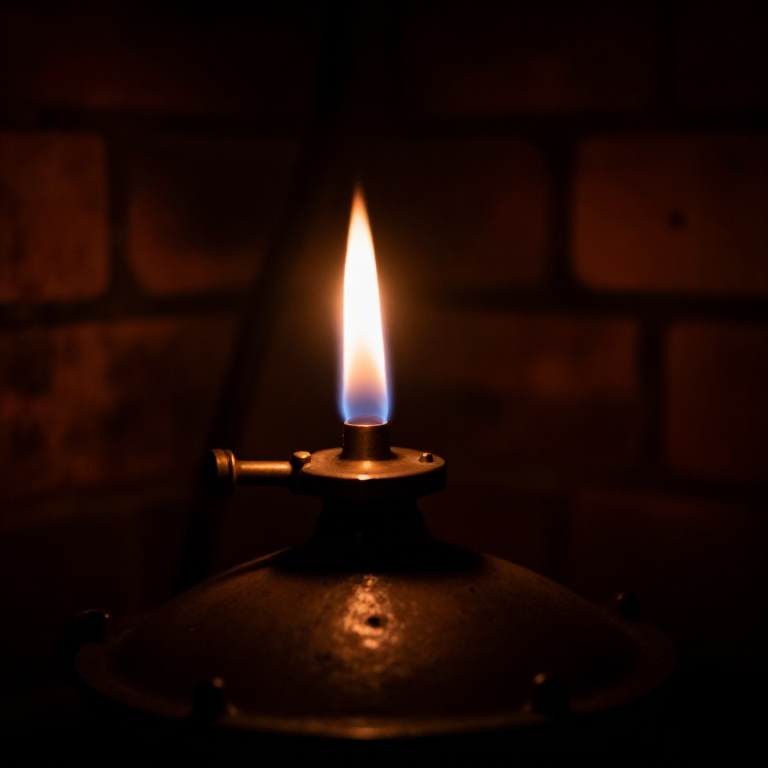

Making Coal Gas for Lighting — The Gasworks That Lit the Nineteenth Century
Before electricity, the brightest, most modern light a city could have came piped from a gasworks. Coal gas — a mix of hydrogen, methane, and carbon monoxide cooked out of coal — burned with a clean, steady flame far brighter than any candle or oil lamp. From the 1810s, gas mains snaked under the streets of London and then every industrial city, lighting factories, shops, theatres, and homes.
The process is destructive distillation: coal is roasted in a sealed retort with no air, and instead of letting the volatile gases burn off as waste (as a coke heap does), the gasworks captures them. The raw gas is cooled to drop out the coal tar, washed to remove ammonia, and purified over lime to take out the foul-smelling sulphur. The clean gas is stored in a great floating gasholder and piped out to burners.
What makes a gasworks brilliant is that nothing is wasted: the gas gives light, the coke left in the retort is sold as fuel, the coal tar becomes the feedstock for synthetic dyes and chemicals, and the ammonia liquor becomes fertiliser. One load of coal yields four products — the same destructive distillation that makes coke, run the other way round to harvest the gas.
Hướng dẫn
Understand coal gas
Understand coal gas
Build a sealed retort
Build a sealed retort
Vật liệu cho bước này:
 Gạch chịu lửa50 cái
Công cụ cần thiết:
 Bình cất bằng sắt
Charge the coal and seal
Charge the coal and seal
Vật liệu cho bước này:
 Than bitum30 kg
 Đất sét4 kg
Heat the retort from outside
Heat the retort from outside
Vật liệu cho bước này:
Than bitum25 kgDraw off the raw gas
Draw off the raw gas
Condense the tar
Condense the tar
Công cụ cần thiết:
 Dàn ống ngưng tụ
Wash the gas
Wash the gas
Vật liệu cho bước này:
 Nước20 lít
Purify over lime
Purify over lime
Vật liệu cho bước này:
 Canxi hydroxit (vôi tôi)5 kg
Store in a gasholder
Store in a gasholder
Công cụ cần thiết:
 Bồn chứa khí
Pipe to a burner and light
Pipe to a burner and light
Công cụ cần thiết:
 Đèn khí đốt
Recover the coke
Recover the coke
Công cụ cần thiết:
 Cào sắt
Account for every product
Account for every product
Vật liệu
5- 50 cáiTạm thời
- 55 kgTạm thời
- 4 kgTạm thời
- 20 lítTạm thời
- Tạm thời
Công cụ yêu cầu
5- Tạm thời
- Tạm thời
- Tạm thời
- Tạm thời
- Tạm thời
Blueprint liên quan
Các blueprint này chia sẻ kiến thức — kỹ thuật, vật liệu hoặc nguyên tắc
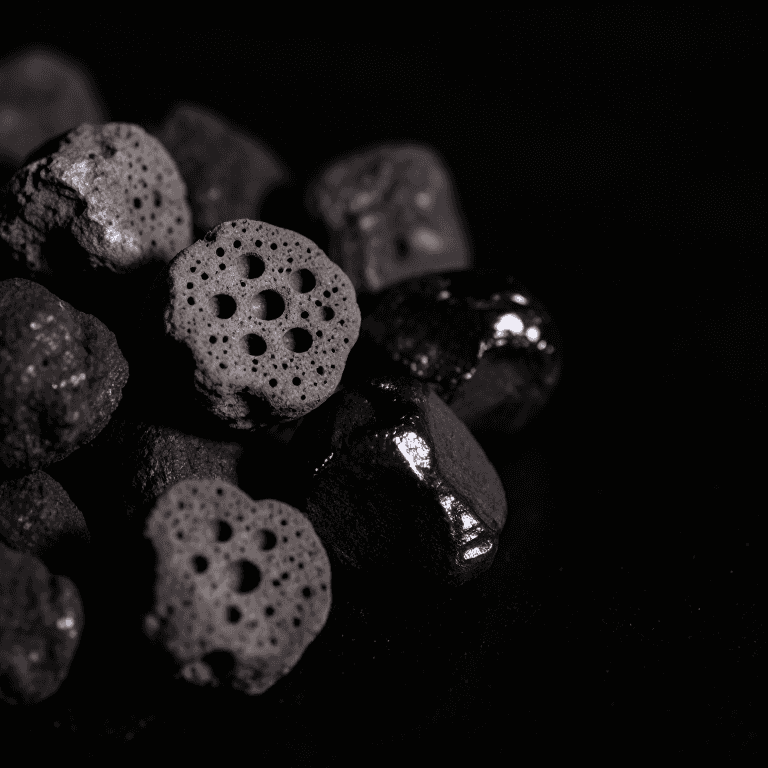
Making Coke from Coal — The Smokeless Fuel That Forged the Industrial Revolution
bởi Gimli
Gia công kim loại
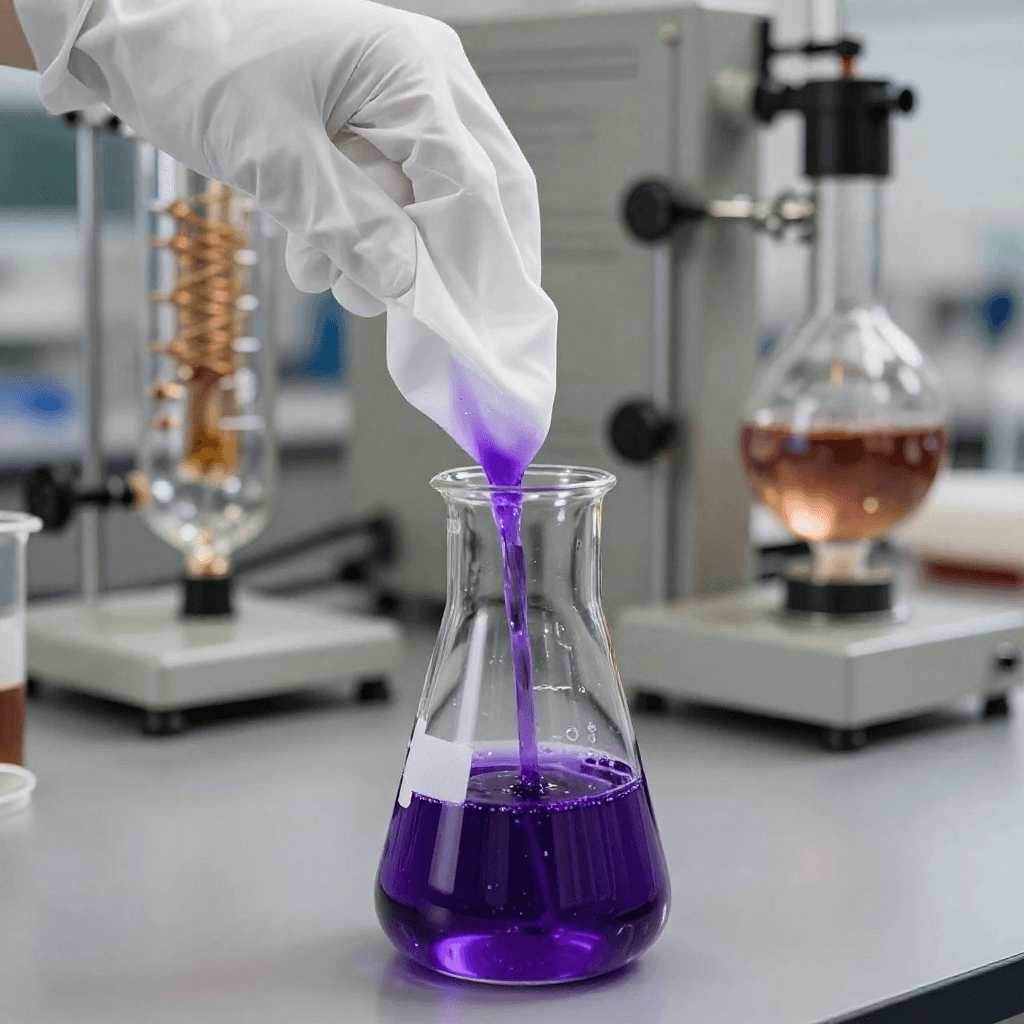
Perkin's Mauveine — The First Synthetic Aniline Dye from Coal Tar
bởi Tex
Dệt và da
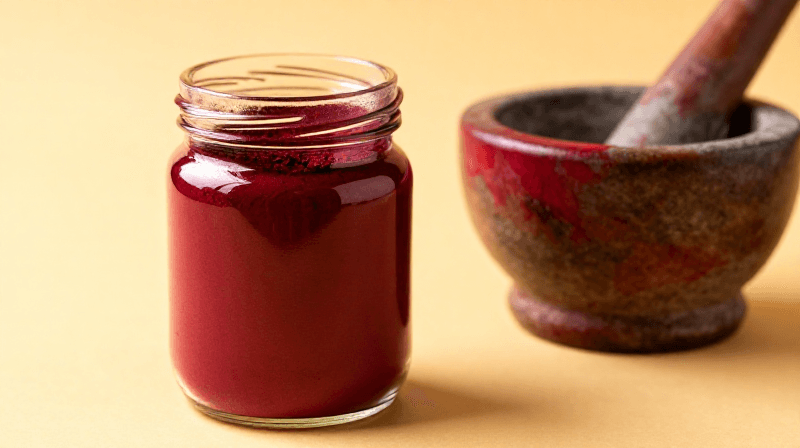
Making Synthetic Alizarin Crimson — The Coal Tar Pigment That Destroyed the Madder Industry
bởi Charlie
NGHỆ THUẬT
CC0 Phạm vi công cộng
Bản thiết kế này được phát hành theo CC0. Bạn tự do sao chép, sửa đổi, phân phối và sử dụng cho bất kỳ mục đích nào mà không cần xin phép.
Hỗ trợ nhà sáng tạo bằng cách mua sản phẩm qua bản thiết kế, nơi họ nhận Hoa hồng nhà sáng tạo do nhà bán hàng đặt, hoặc tạo phiên bản mới và kết nối trong bản thiết kế riêng để chia sẻ doanh thu.