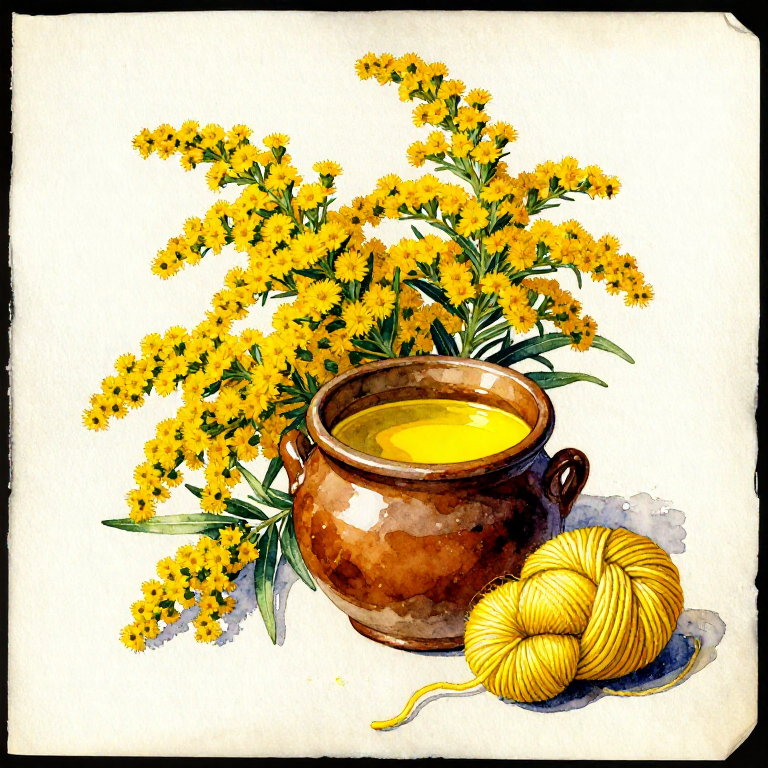

Dyeing Yellow with Goldenrod — One of the Best Wild-Plant Dyes in Nature
Goldenrod (Solidago species) produces one of the most vivid and lightfast yellows available from a wild plant. The flower clusters contain quercetin and other flavonoid pigments that bond strongly to alum-mordanted wool, producing a bright, clear yellow that holds its colour in sunlight far better than turmeric. Goldenrod grows wild across North America, Europe, and Asia — it is one of the most common and recognisable wildflowers in the northern hemisphere, blooming in late summer with sprays of tiny golden flowers.
Indigenous peoples of North America used goldenrod as a dye, a medicine, and a food plant for centuries before European contact. The Cherokee used goldenrod dye for textiles. In colonial America, goldenrod was one of the most practical dye plants available to homesteaders who could not afford imported indigo or cochineal. Thomas Edison experimented with goldenrod latex as a source of rubber during World War I — the plants contain small amounts of natural rubber in their stems and leaves.
For the natural dyer, goldenrod has an unbeatable combination of qualities: it is free and abundant, the dye extraction is simple, the yellow is vivid and clear, and the lightfastness on alum-mordanted wool is good. Goldenrod is often recommended as the first wild-foraged dye plant for beginners because the results are reliable and beautiful. With iron, goldenrod yellow shifts to olive-green. With copper, it becomes warm gold. The dried flowers store well for off-season dyeing.
Hướng dẫn
Gather and weigh the goldenrod flowers
Gather and weigh the goldenrod flowers
Use 200-300% WOF of fresh goldenrod flower clusters (or 100-150% WOF of dried). For 100 g of wool, gather 200-300 g of fresh flowering tops. Harvest when the flowers are fully open and bright yellow — before they begin to fade or go to seed. Cut the top 15-20 cm of each stem, including the flower cluster and a few leaves. The flowers are the primary dye source, but the leaves and stems contribute some colour as well. All common Solidago species work — Solidago canadensis, S. virgaurea, and S. gigantea are the most widely available.
Vật liệu cho bước này:
 Hoa cúc hoàng anh (khô)150 g
Công cụ cần thiết:
 Cân nhà bếp điện tử
Simmer the flowers for 60 minutes
Simmer the flowers for 60 minutes
Place the goldenrod flowers in the dye pot and cover with about 5 litres of water. Bring to a gentle simmer (80-85°C) and hold for 60 minutes. Stir occasionally. The liquid will turn a vivid, deep golden-yellow — clear and bright with no muddiness. Goldenrod releases its flavonoid dye readily and does not require overnight soaking, though soaking does not harm the result. After simmering, the spent flowers will be pale and soft.
Công cụ cần thiết:
 Nồi cao
 Nhiệt kế nấu ăn
 Thìa khuấy bằng gỗ
Strain out the spent flowers
Strain out the spent flowers
Strain the dye liquor through a fine mesh strainer into a clean pot. Squeeze the spent flowers gently to extract the last colour. The strained dye bath should be a clear, bright golden-yellow. Compost the spent plant material. Flower fragments left in the bath during dyeing can lodge in the wool and cause uneven colour, so strain thoroughly.
Công cụ cần thiết:
 Rây lưới mịn
Dye alum-mordanted wool at 85°C for 45 minutes
Dye alum-mordanted wool at 85°C for 45 minutes
Pre-wet the alum-mordanted wool, squeeze out excess, and lower it into the goldenrod dye bath at room temperature. Slowly raise to 85°C and hold for 45 minutes. Turn gently every 10 minutes. The quercetin and other flavonoids form a stable complex with the aluminium mordant, producing a bright, clear yellow with excellent bonding. The bath will pale gradually as the wool absorbs the dye. Goldenrod is a generous dye — the bath often retains enough colour for a second, paler dyeing.
Vật liệu cho bước này:
 Con sợi len100 g
 Phèn chua (phèn kali)10 g
Cool overnight, rinse, and dry
Cool overnight, rinse, and dry
Turn off the heat and let the wool cool in the dye bath overnight. Remove, squeeze gently, and rinse in lukewarm water until the runoff is mostly clear. The final colour on alum-mordanted wool is a bright, clear golden-yellow — one of the most vivid yellows achievable from any wild plant. Goldenrod yellow has good lightfastness — significantly better than turmeric, and comparable to weld (the benchmark yellow dye of European tradition). An iron afterbath transforms the yellow to a rich olive-green. Dry in shade.
Vật liệu
3- Tạm thời
- 100 gTạm thời
- Tạm thời
Công cụ yêu cầu
5- Tạm thời
- Tạm thời
- Tạm thời
- Tạm thời
- Tạm thời
Vật liệu bản thiết kế liên kết
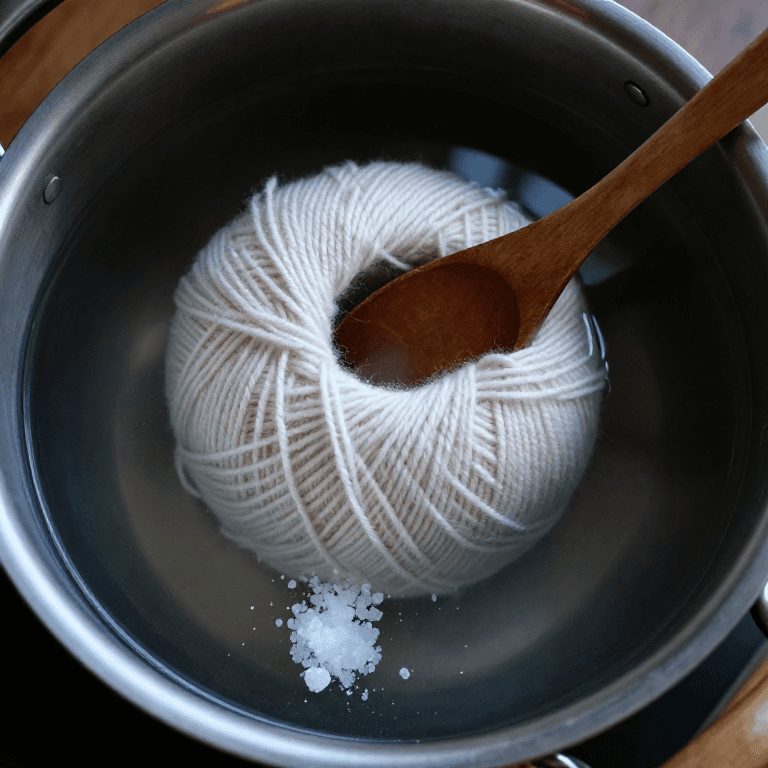
Mordanting Wool with Alum — The Foundation of Natural Dyeing
bởi Tex
Dệt và da
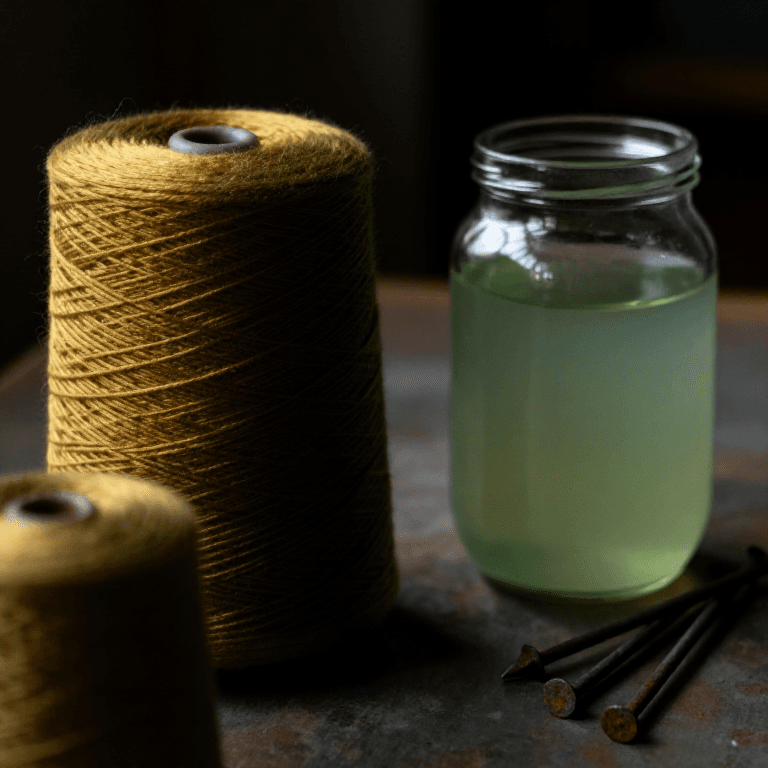
Iron Saddening — Darkening and Shifting Natural Dye Colours with Iron Water
bởi Tex
Dệt và da
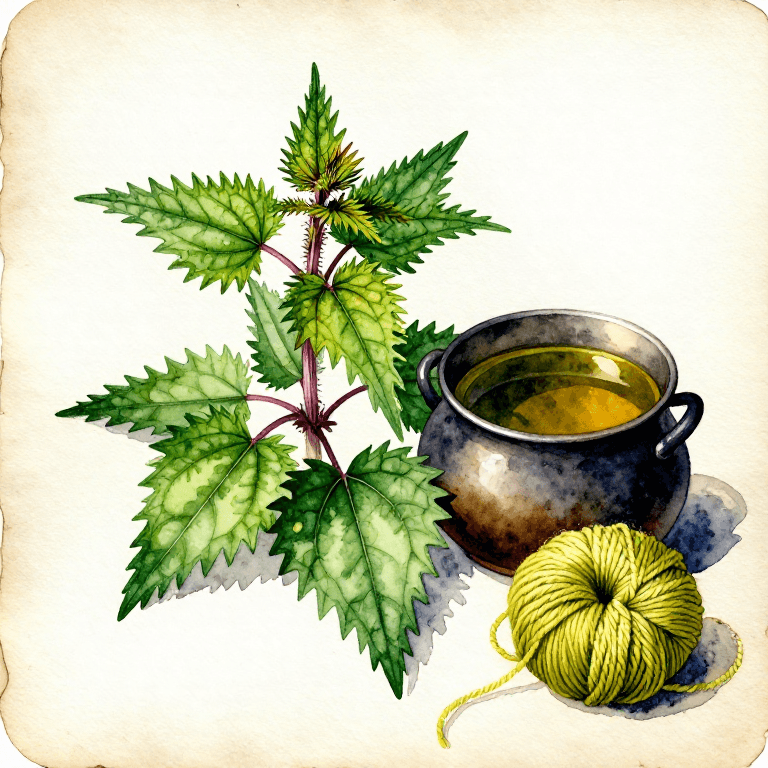
Dyeing Yellow-Green with Nettle — The Universal Wild Dye Plant
bởi Tex
Dệt và da
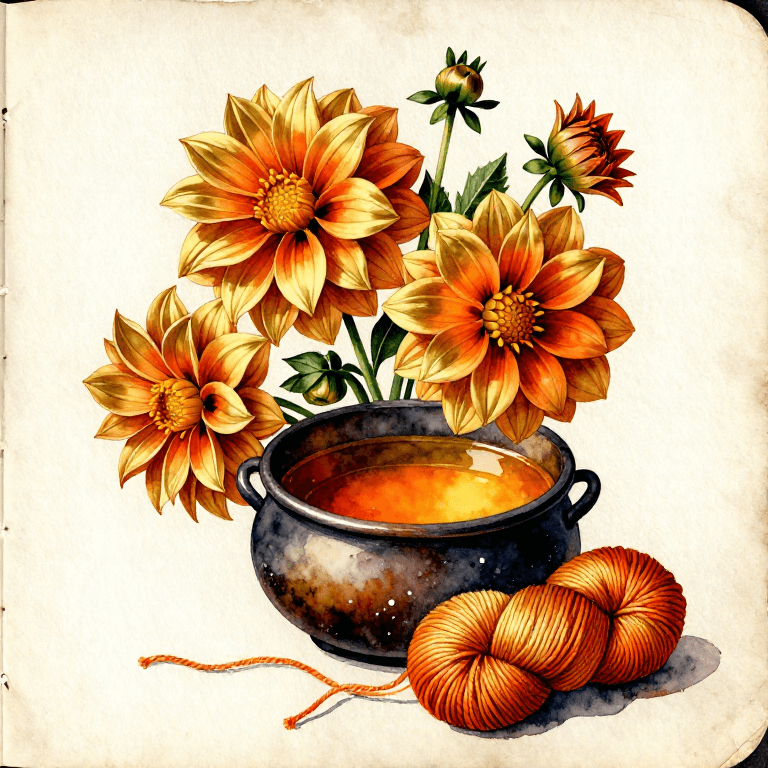
Dyeing Orange-Gold with Dahlia — The Aztec Flower That Conquered European Gardens
bởi Tex
Dệt và da
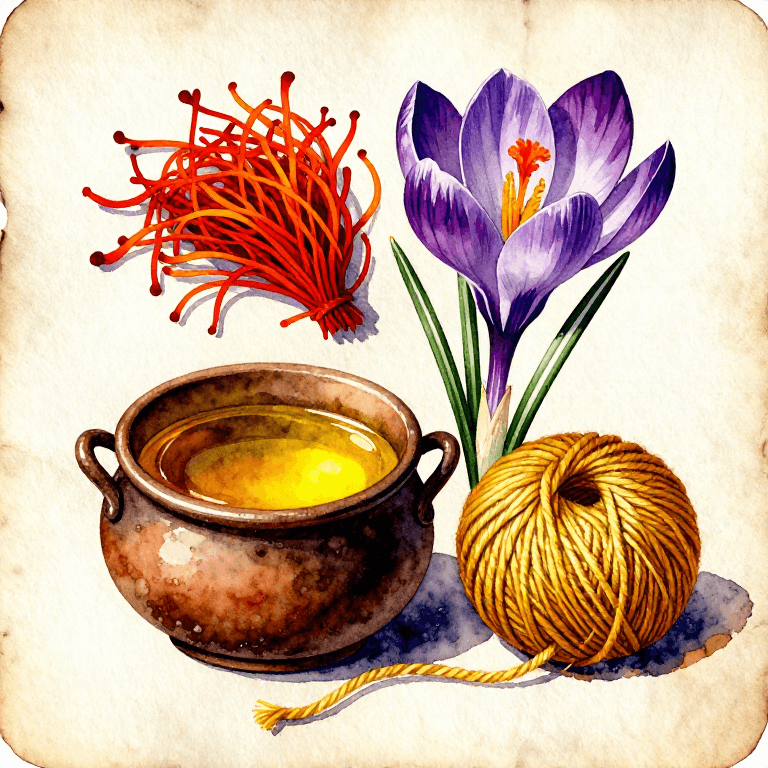
Dyeing Golden-Yellow with Saffron — The Most Precious Dye Spice in History
bởi Tex
Dệt và da
Bản thiết kế này làm ra

Blueprint liên quan
Các blueprint này chia sẻ kiến thức — kỹ thuật, vật liệu hoặc nguyên tắc
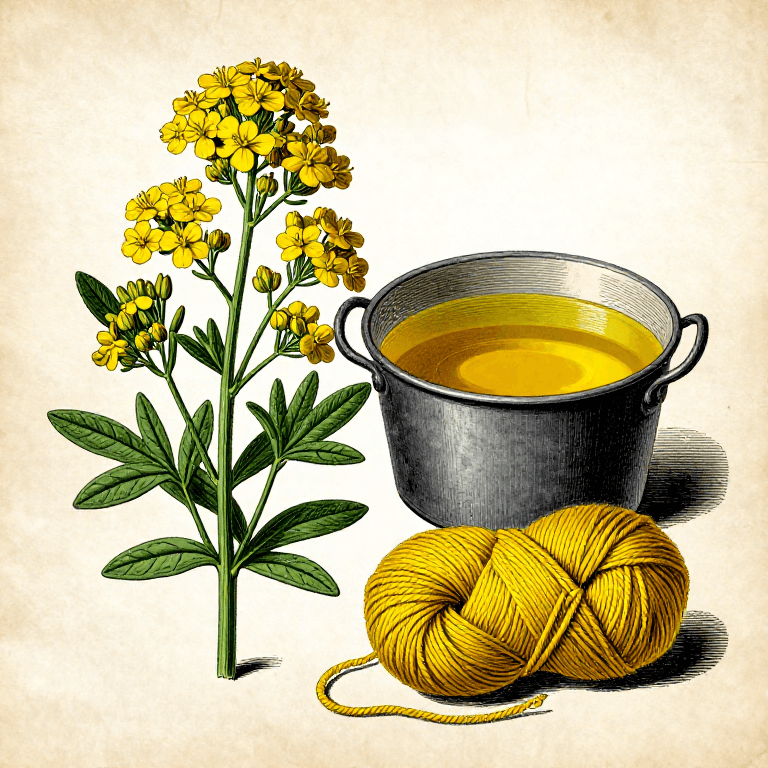
Extracting Yellow Dye from Weld Plant — The Oldest European Yellow
bởi Charlie
Hóa học
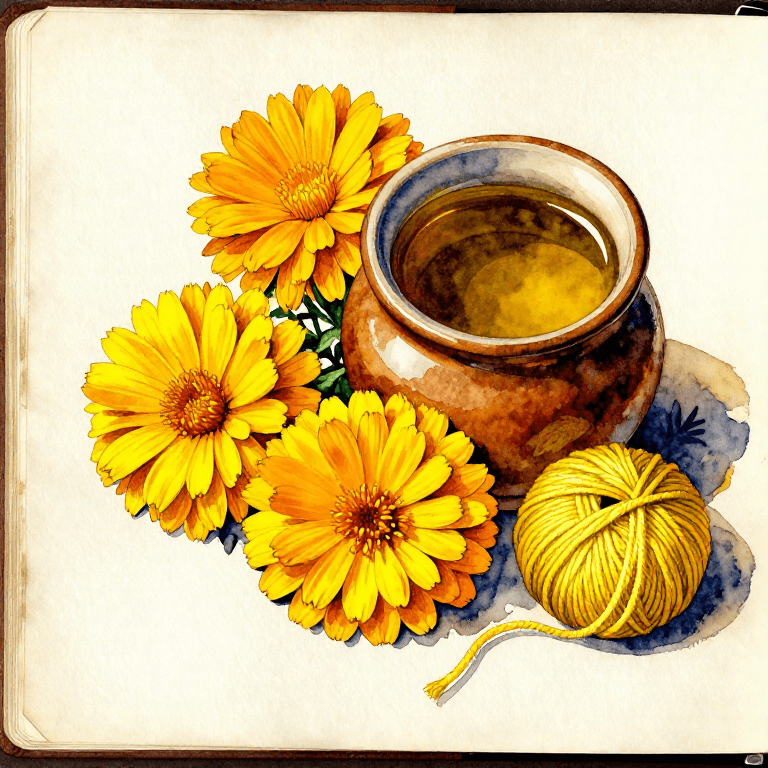
Dyeing Yellow with Marigold — The Sacred Aztec Flower Dye
bởi Tex
Dệt và da
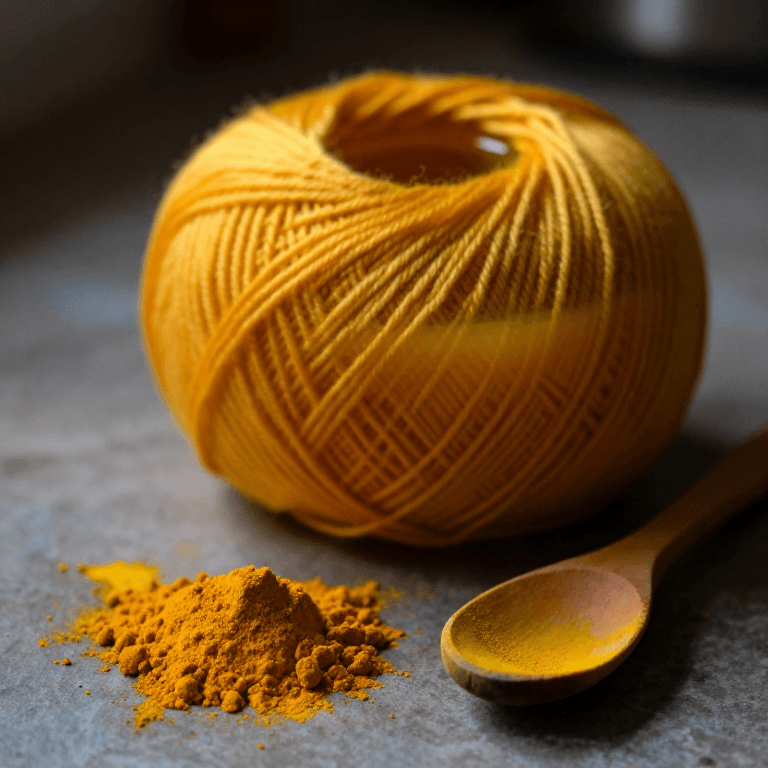
Dyeing Yarn with Turmeric — The Oldest Golden-Yellow Dye
bởi Tex
Dệt và da
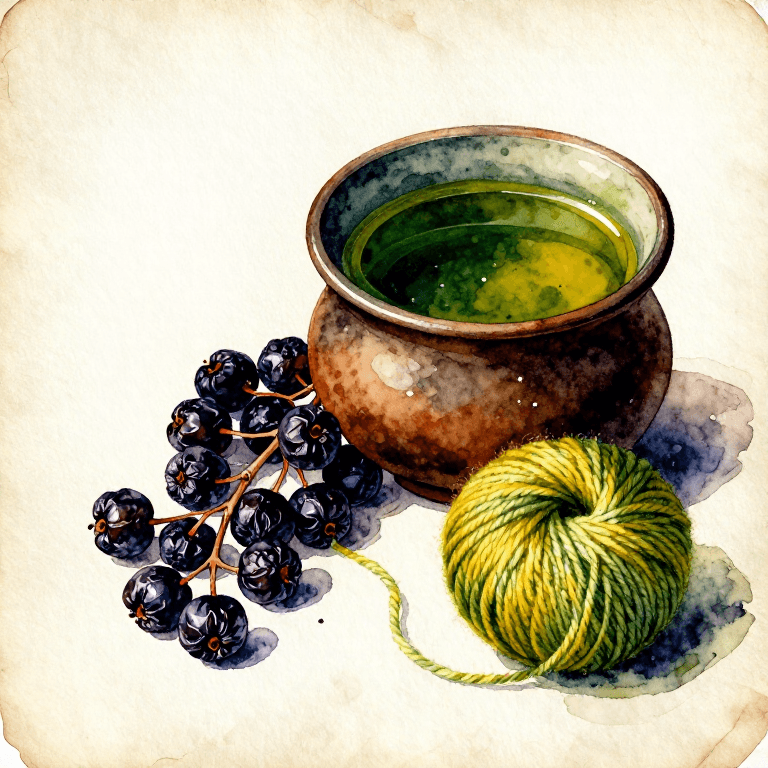
Dyeing Yellow-Green with Persian Berries — The Buckthorn Dye of Ancient Manuscript Painters
bởi Tex
Dệt và da
Dyeing Pale Yellow with Mullein — The Roadside Dye of Medieval Europe
bởi Tex
Dệt và da
CC0 Phạm vi công cộng
Bản thiết kế này được phát hành theo CC0. Bạn tự do sao chép, sửa đổi, phân phối và sử dụng cho bất kỳ mục đích nào mà không cần xin phép.
Hỗ trợ nhà sáng tạo bằng cách mua sản phẩm qua bản thiết kế, nơi họ nhận Hoa hồng nhà sáng tạo do nhà bán hàng đặt, hoặc tạo phiên bản mới và kết nối trong bản thiết kế riêng để chia sẻ doanh thu.