NGHỆ THUẬT
LÀM ĐẸP VÀ SỨC KHỎE
THỦ CÔNG
VĂN HÓA VÀ LỊCH SỬ
GIẢI TRÍ
MÔI TRƯỜNG
THỰC PHẨM VÀ ĐỒ UỐNG
KỸ THUẬT NGƯỢC
KHOA HỌC
THỂ THAO
CÔNG NGHỆ
THIẾT BỊ ĐEO
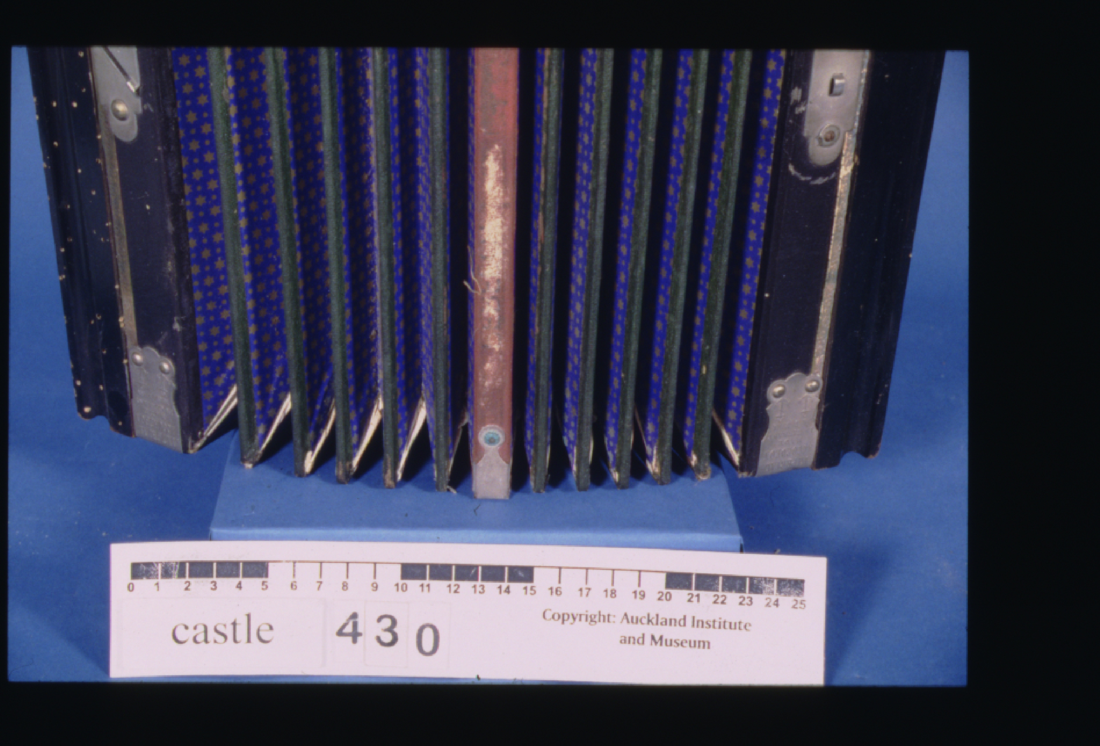
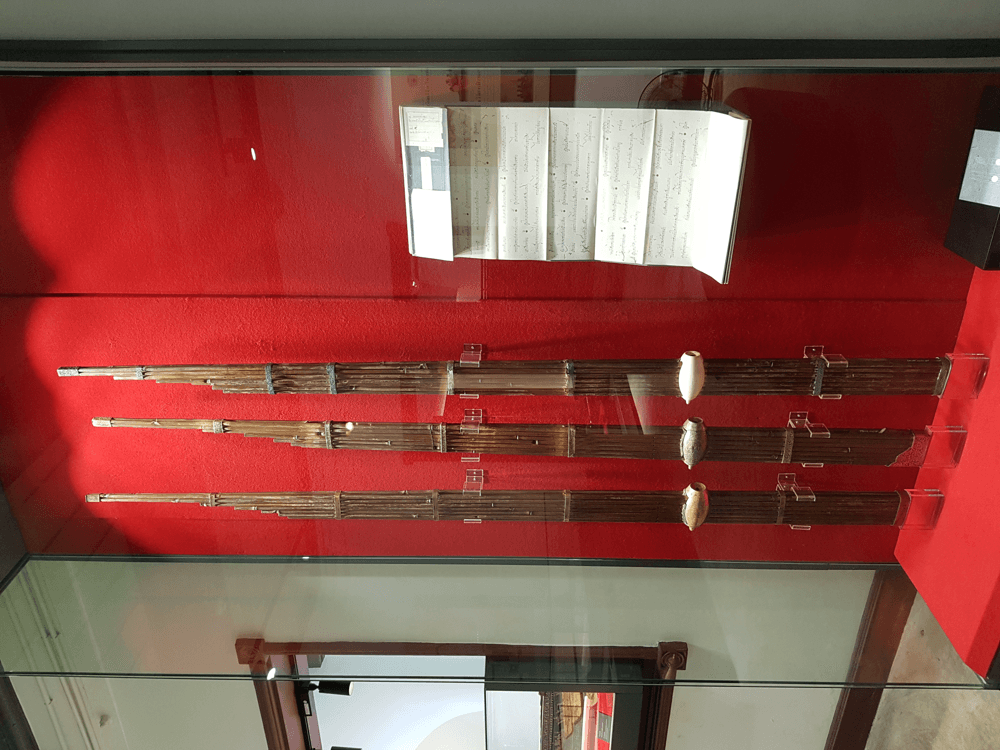
Auckland Museum / Kalbe's (Wikimedia Commons) · CC BY 4.0


Building a Free-Reed Accordion — Bellows, Reeds and Buttons
Build a simple accordion: cut and tune springy metal free reeds, mount them in reed blocks with leather valves, and pump air past them with a pleated bellows squeezed between two button boxes. A serious maker build in the free reed and the bellows — the European instrument born from the Chinese sheng, that carries its own wind supply.
Nâng cao
Many hours over several sessions
Hướng dẫn
1
1
A box of reeds you pump
A box of reeds you pump
An accordion is a bellows with metal reeds. Squeeze or pull the bellows and air is forced past thin metal tongues, each of which flutters and sings. Buttons open the path to different reeds so you choose the notes — and the instrument carries its own wind, so it never needs a breath.
2
2
Cut the free reeds
Cut the free reeds
For each note, cut a matching slot in a small metal plate and rivet a thin springy tongue over it, sized so the tongue swings freely DOWN THROUGH the slot with only a hair's gap. This 'free reed' — a tongue that passes through its frame — is the whole secret. Longer tongues sound lower.
Vật liệu cho bước này:
 Tấm đồng thau1 cái
Công cụ cần thiết:
 Giũa kim loại
3
3
Tune the reeds
Tune the reeds
Tune each tongue by filing: scrape the TIP thinner to raise its pitch, or scrape near the RIVETED base to lower it — exactly how an mbira key is tuned. Make one reed for pushing air and one for pulling on each note if you want it to sound both ways.
4
4
Build the reed blocks
Build the reed blocks
Mount the reed plates over air channels in a wooden block. Glue a small leather flap (a valve) over the idle reed of each pair, so air only ever drives the reed meant to sound and does not waste out through its partner.
Vật liệu cho bước này:
 Tấm gỗ mềm đã khô1 cái
 Da thuộc crom1 cái
Công cụ cần thiết:
 Dao khắc sloyd
5
5
Build the two ends and buttons
Build the two ends and buttons
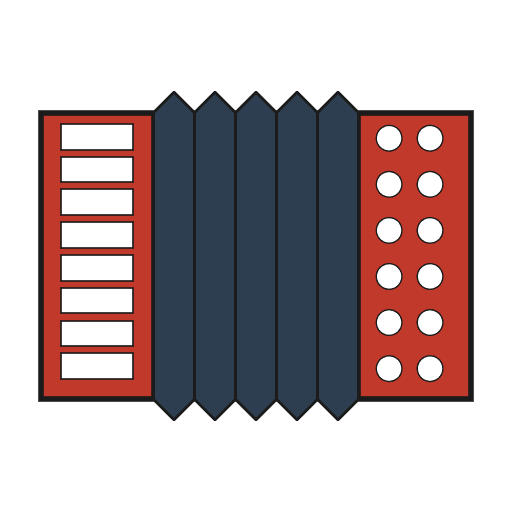
Build a small box at each end. Over each reed sits a hole kept shut by a leather-faced pad; a button on a lever lifts the pad to let air reach that reed. Fit a row of buttons on one end, the bass end on the other.
Vật liệu cho bước này:
 Ván ép bạch dương Baltic1 cái
 Thanh chốt gỗ1 cái
 Keo gỗ PVA1 cái
Công cụ cần thiết:
 Dùi
Dùi6
6
Make the bellows
Make the bellows
Between the two ends build a pleated bellows — stiff card folded into a concertina zig-zag, its corners sealed with leather so it is airtight. Screw and glue the bellows to both end boxes. This is the lung that supplies the wind.
Vật liệu cho bước này:
 Vít gỗ #8 x 1"12 cái
7
7
Play — push and pull
Play — push and pull
Hold an end in each hand, press buttons, and pump the bellows in and out. Every push and pull drives air past the open reeds and they sing. Keep the bellows moving — steady air gives a steady tone; pumping harder makes it louder.
8
8
Compendium — the free reed and its bellows
Compendium — the free reed and its bellows
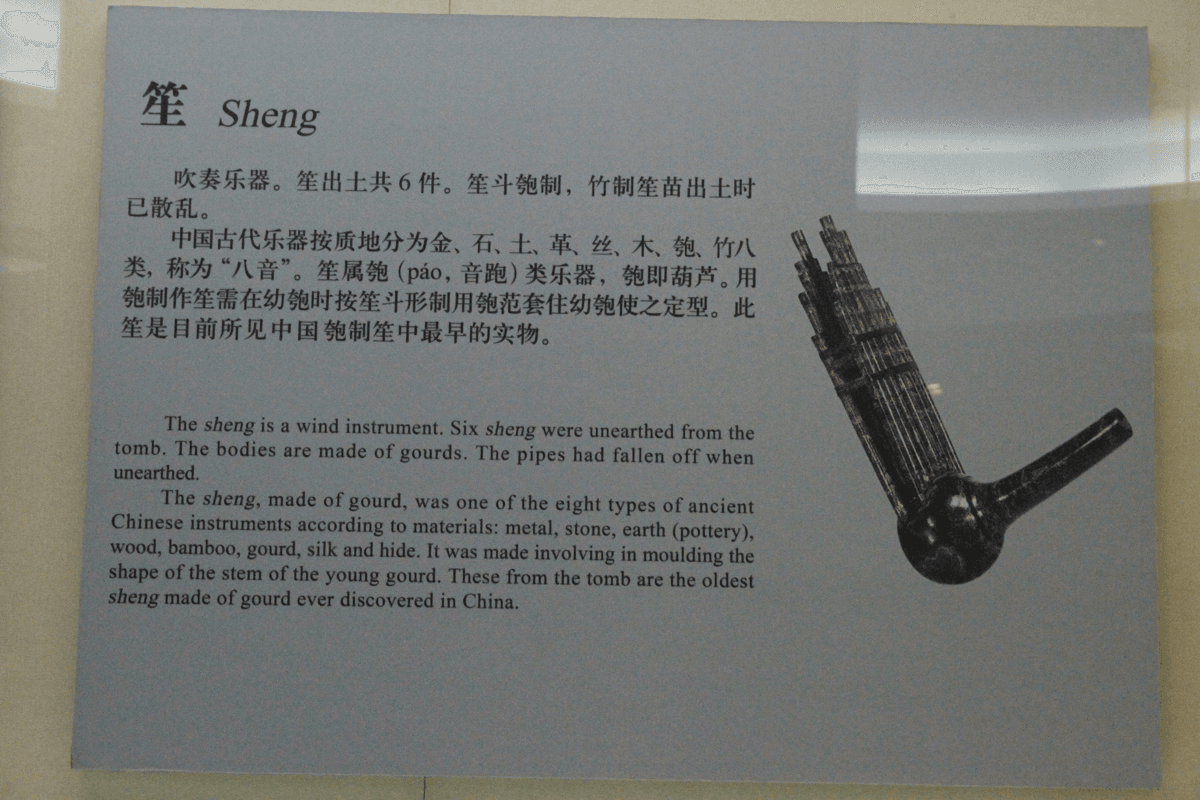
The accordion runs on the FREE reed: a thin metal tongue fixed at one end and free at the other, mounted over a slot it can swing right through. Push air at it and the tongue is bent into the slot, springs back past it, is pushed in again — flapping back and forth many times a second and chopping the airflow into a buzzing note. Its pitch is set purely by the tongue itself — its length, thickness and stiffness — NOT by any pipe or air column, which is why an accordion needs no long tubes and can pack a whole orchestra of notes into a small box, and why you tune it by filing the tongue (tip thinner = higher, base thinner = lower) just like an mbira key. This is the exact same free reed as the Chinese sheng and the Lao khaen — and that is no coincidence: the free reed reached Europe from China around 1800, and within a couple of decades makers in Berlin and Vienna had wrapped it in a bellows to create the accordion, concertina and harmonica. The accordion's own invention is the BELLOWS as a built-in, tireless wind supply: where the sheng and khaen need the player's lungs and the pipe organ needs a pump, the accordion's pleated bellows lets the player push OR pull air at will, so (with a reed for each direction) the sound never stops for a breath. Add leather valves so air only drives the intended reed, and pad-and-button levers to choose notes, and you have a portable, self-powered reed organ — the instrument that carried folk and dance music across nineteenth-century Europe and the Americas.
Vật liệu
7- 1 cáiTạm thời
- 1 cáiTạm thời
- 1 cáiTạm thời
- Tạm thời
- 1 cáiTạm thời
- 1 cáiTạm thời
- 12 cáiTạm thời
Công cụ yêu cầu
3- Tạm thời
- Tạm thời
- Tạm thời
Bản thiết kế này làm ra
Blueprint liên quan
Các blueprint này chia sẻ kiến thức — kỹ thuật, vật liệu hoặc nguyên tắc
CC0 Phạm vi công cộng
Bản thiết kế này được phát hành theo CC0. Bạn tự do sao chép, sửa đổi, phân phối và sử dụng cho bất kỳ mục đích nào mà không cần xin phép.
Hỗ trợ nhà sáng tạo bằng cách mua sản phẩm qua bản thiết kế, nơi họ nhận Hoa hồng nhà sáng tạo do nhà bán hàng đặt, hoặc tạo phiên bản mới và kết nối trong bản thiết kế riêng để chia sẻ doanh thu.