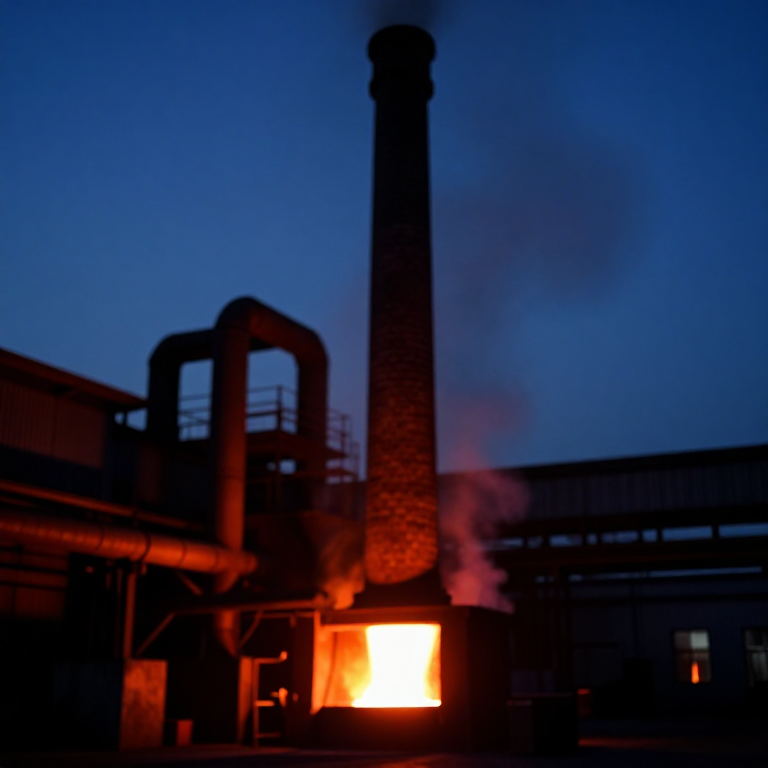


Building a Hot Blast Stove — Preheating the Air That Tripled the Blast Furnace
For centuries ironmasters believed a blast furnace ran best on cold winter air, and blew their furnaces with air at whatever temperature the weather gave. In 1828 the Scottish engineer James Neilson proved the opposite: heating the blast before it entered the furnace slashed the fuel needed and raised the output enormously. The hot blast was one of the great efficiency leaps of the iron age.
The idea seems backwards but the physics is sound. Cold air entering the furnace has to be heated by burning precious fuel before it can do its work; preheating the air outside the furnace, using waste heat that would otherwise escape up the chimney, means far less coke is wasted just warming the blast. Neilson's first stoves cut coke use by a third, and later regenerative stoves did far better still.
A hot blast stove is a chamber of brick or pipe that the blast passes through on its way to the tuyeres, heated by the furnace's own escaping gases. Bolted onto the pig-iron blast furnace, it made iron dramatically cheaper — and cheap iron was the lifeblood of the Industrial Revolution.
Hướng dẫn
Understand the hot blast
Understand the hot blast
Tap the furnace waste gas
Tap the furnace waste gas
Công cụ cần thiết:
 Đường ống dẫn khí
Build the stove chamber
Build the stove chamber
Vật liệu cho bước này:
 Gạch chịu lửa200 cái
Công cụ cần thiết:
 Bay làm vườn
Heat the stove
Heat the stove
Vật liệu cho bước này:
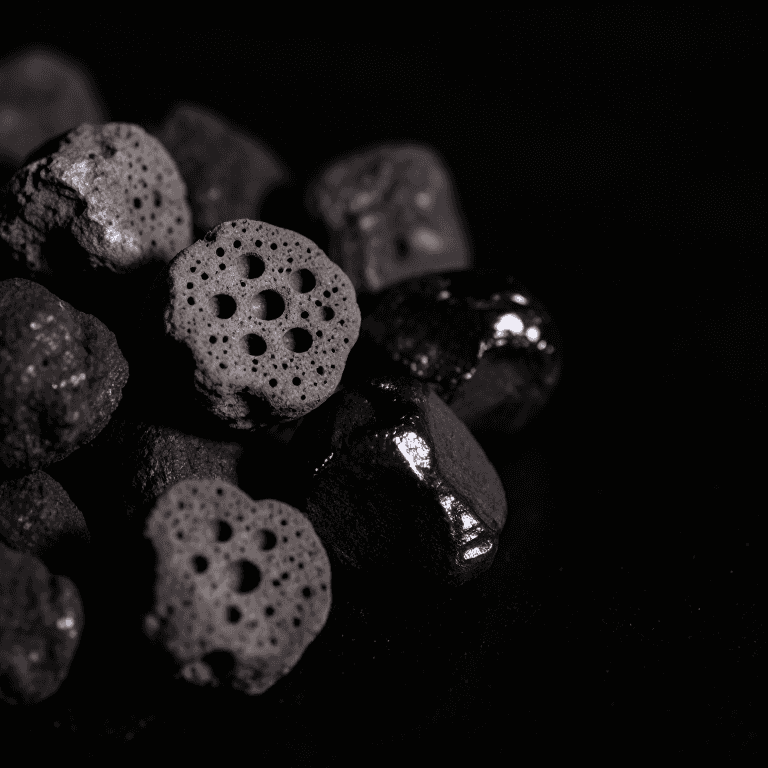
 Than cốc luyện kim20 kg
Pass the blast through
Pass the blast through
Công cụ cần thiết:
 Máy thổi khí
Alternate the regenerator stoves
Alternate the regenerator stoves
Insulate the hot main
Insulate the hot main
Vật liệu cho bước này:
 Xi măng chịu lửa15 kg
Deliver the hot blast
Deliver the hot blast
Công cụ cần thiết:
 Thanh chọc lò
Control the temperature
Control the temperature
Công cụ cần thiết:
 Hỏa kế
Measure the saving
Measure the saving
Mind the hazards
Mind the hazards
See the impact
See the impact
Vật liệu
3- 200 cáiTạm thời
- 20 kgTạm thời
- 15 kgTạm thời
Công cụ yêu cầu
5- Tạm thời
- Tạm thời
- Tạm thời
- Tạm thời
- Tạm thời
Vật liệu bản thiết kế liên kết

Blueprint liên quan
Các blueprint này chia sẻ kiến thức — kỹ thuật, vật liệu hoặc nguyên tắc
CC0 Phạm vi công cộng
Bản thiết kế này được phát hành theo CC0. Bạn tự do sao chép, sửa đổi, phân phối và sử dụng cho bất kỳ mục đích nào mà không cần xin phép.
Hỗ trợ nhà sáng tạo bằng cách mua sản phẩm qua bản thiết kế, nơi họ nhận Hoa hồng nhà sáng tạo do nhà bán hàng đặt, hoặc tạo phiên bản mới và kết nối trong bản thiết kế riêng để chia sẻ doanh thu.