NGHỆ THUẬT
LÀM ĐẸP VÀ SỨC KHỎE
THỦ CÔNG
VĂN HÓA VÀ LỊCH SỬ
GIẢI TRÍ
MÔI TRƯỜNG
THỰC PHẨM VÀ ĐỒ UỐNG
KỸ THUẬT NGƯỢC
KHOA HỌC
THỂ THAO
CÔNG NGHỆ
THIẾT BỊ ĐEO
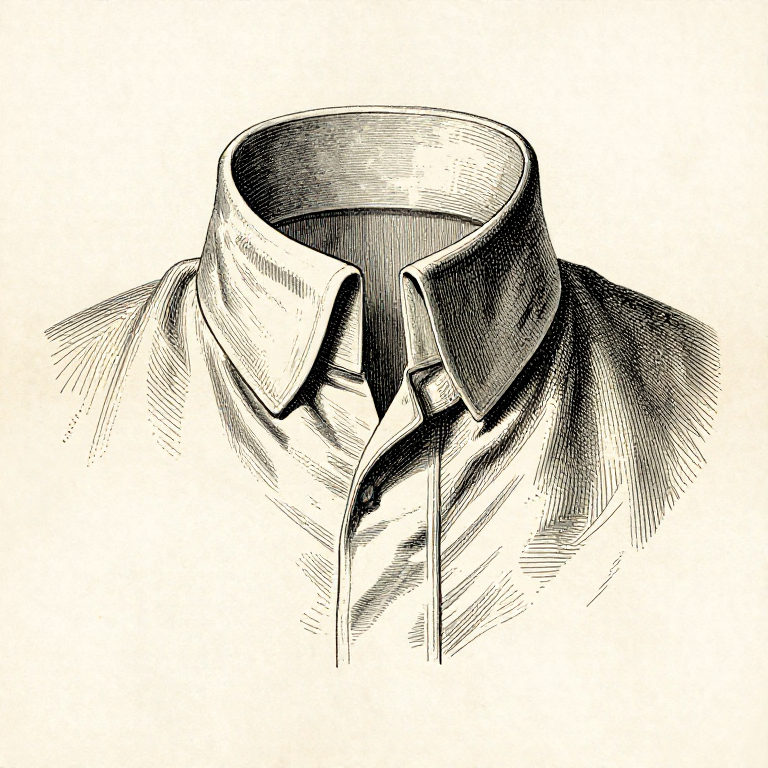


Interfacing: Where Cloth Has to Stop Behaving Like Cloth
A collar that stands up, a cuff that keeps its shape, a buttonhole that does not stretch into a slot — none of those are possible with cloth alone. They need a second layer whose job is to be stiffer than the fabric.
That layer is INTERFACING, and it goes in the places where a garment must resist rather than drape: collars, cuffs, front bands, waistbands, buttonholes, pocket openings.
Choosing it is a matter of matching, not of maximising. Interfacing much stiffer than the fabric makes a collar that looks like cardboard and creases where the two layers disagree; too soft and it does nothing. The test is to hold the two together and feel what they become.
Trung cấp
2 hours
Hướng dẫn
1
1
Fusible or sew-in, and when each is right
Fusible or sew-in, and when each is right
FUSIBLE interfacing has heat-activated glue on one side and is ironed on. It is quick, it is stable, and it is the right answer for most modern light and medium cloth.
SEW-IN interfacing is held by stitching. It is the answer for anything that cannot take the heat of fusing, for very textured or loosely woven cloth where glue will not grip, and for tailoring where a softer, more moveable result is wanted.
Fusible on the wrong fabric is a lasting mistake: the glue can show through thin cloth as a faint sheen, bubble after washing, or refuse to stick at all. Test on a scrap of the actual fabric, wash the test, and look at it again — before fusing a collar.
Vật liệu cho bước này:
 Vải dựng (vải may)1 cái
 Vải cô tông1 cái
Công cụ cần thiết:
 Bàn là hơi nước
 Cầu là quần áo (có chân)
 Kéo
2
2
Interfacing has a grain too
Interfacing has a grain too
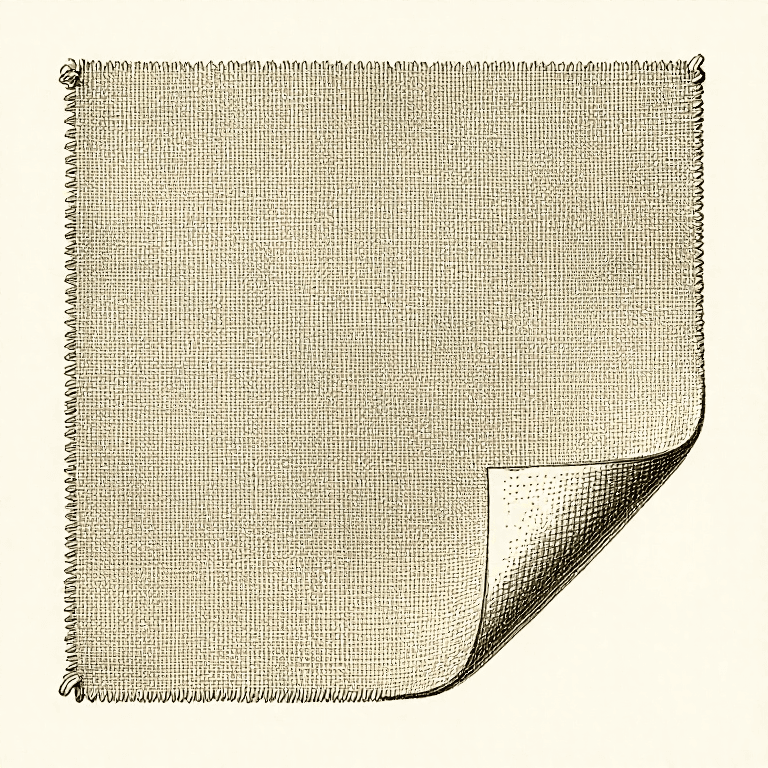
Woven interfacing has warp, weft and bias exactly as fabric does, and it must be cut on the same grain as the piece it is backing. Cut it crosswise onto a lengthwise piece and the two layers stretch differently and the collar twists.
Non-woven interfacing has no grain in the woven sense, which makes it simpler and also stiffer in every direction. KNIT interfacing stretches in one direction and is what a stretch fabric needs — a non-stretch interfacing on a knit garment stops it stretching where it was meant to.
Match the interfacing to what the fabric must still be able to do. That is the whole selection rule, and it is why there is no single best interfacing.
Vật liệu cho bước này:
Vải dựng (vải may)1 cáiVải cô tông1 cáiCông cụ cần thiết:
Kéo Thước kẻ
 Phấn thợ may
3
3
Fuse with heat, moisture, pressure and TIME
Fuse with heat, moisture, pressure and TIME
Fusing needs all four, and the one people cut short is time. Ten to fifteen seconds in one place, pressing down firmly, is typical — and the iron is lifted and placed, never slid, for the same reason as any other pressing.
Use a pressing cloth and a little steam unless the instructions say dry. The cloth stops glue reaching the iron, which is a mess that then transfers onto the next thing pressed.
Trim the interfacing out of the seam allowances on anything thick, or cut it to the stitching line in the first place. Four layers of fabric plus four of interfacing at a collar corner is a lump no amount of pressing will flatten.
Vật liệu cho bước này:
Vải dựng (vải may)1 cáiVải cô tông1 cáiCông cụ cần thiết:
Bàn là hơi nước Vải muslin cô tôngKéoCầu là quần áo (có chân)
4
4
The places that always need it
The places that always need it
BUTTONHOLES, without exception. A buttonhole in unsupported cloth stretches into an oval with use and the button falls through. WAISTBANDS, or they roll over. COLLAR and CUFF, or they collapse.
Also anywhere a fastening pulls: the front band a button strains against, the edge a zip is set into, a pocket opening that a hand goes into repeatedly. The common factor is a concentrated force on a small area of cloth.
And anywhere a bias edge must not stretch — a shoulder seam, a neckline, a curved hem. A narrow strip of interfacing along that edge is a stay tape, and it is what keeps a neckline the size it was cut.
Vật liệu cho bước này:
Vải dựng (vải may)1 cáiVải cô tông1 cáiCông cụ cần thiết:
KéoBàn là hơi nướcPhấn thợ mayBản thiết kế này làm ra
Blueprint liên quan
Các blueprint này chia sẻ kiến thức — kỹ thuật, vật liệu hoặc nguyên tắc

CC0 Phạm vi công cộng
Bản thiết kế này được phát hành theo CC0. Bạn tự do sao chép, sửa đổi, phân phối và sử dụng cho bất kỳ mục đích nào mà không cần xin phép.
Hỗ trợ nhà sáng tạo bằng cách mua sản phẩm qua bản thiết kế, nơi họ nhận Hoa hồng nhà sáng tạo do nhà bán hàng đặt, hoặc tạo phiên bản mới và kết nối trong bản thiết kế riêng để chia sẻ doanh thu.