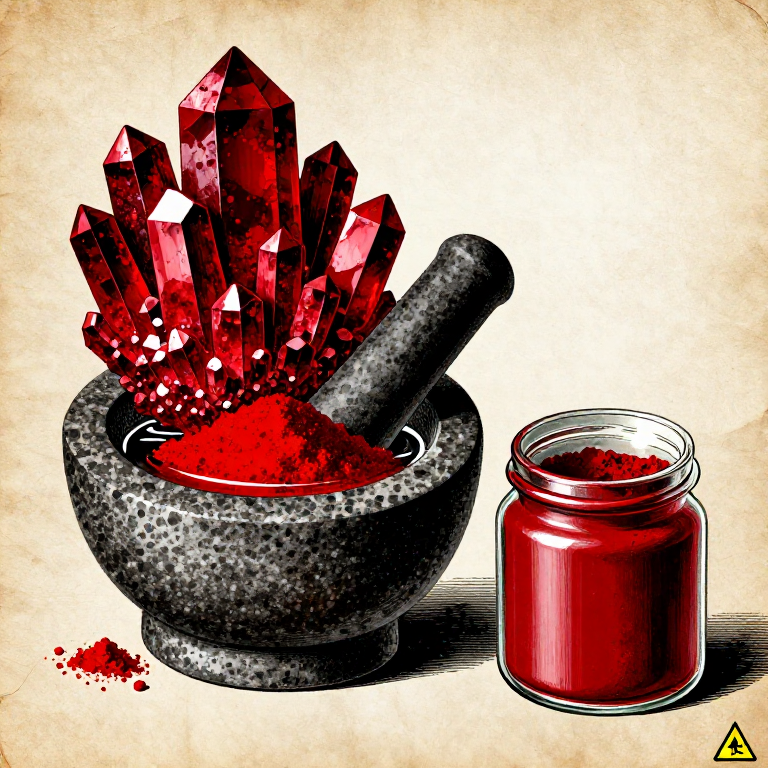

Making Cinnabar Red Pigment — Grinding Mercury Sulfide into the Most Vivid Red of the Ancient World
Cinnabar (HgS, mercury sulfide) is a brilliant vermilion-red mineral pigment that has been prized since at least 5000 BCE. It produces the most vivid, saturated red available to painters before the invention of synthetic alternatives — no earth pigment (red ochre, haematite) comes close to cinnabar's intensity and purity of hue. The mineral was mined in Spain (Almadén — the world's largest mercury deposit), China (Hunan province), and Italy (Monte Amiata), and was traded across the ancient world at enormous cost.
Chinese cinnabar paintings from the Neolithic Yangshao culture (c. 5000 BCE) are among the earliest known uses. In Rome, cinnabar (called 'minium' — later confused with red lead) was the most expensive pigment on the market, costing up to 50 sesterces per pound. Pliny records that the Roman state controlled its price. Pompeian wall paintings used cinnabar lavishly for the famous 'Pompeian red' backgrounds. In Chinese art, cinnabar has been used continuously for over 7,000 years — for lacquerware, seal paste (yìnní, 印泥), wall paintings, and manuscript illumination.
SAFETY WARNING: Cinnabar is mercury sulfide. While the mineral form (HgS) is relatively insoluble and less toxic than metallic mercury or mercury salts, the dust produced during grinding is hazardous — inhaled mercury sulfide dust accumulates in the body over time and causes chronic mercury poisoning (erethism: tremors, personality changes, kidney damage). ALL grinding of cinnabar MUST be done wet (under water or oil) to prevent dust, and a P100/FFP3 respirator must be worn during any dry handling. Never heat cinnabar — above 580°C it decomposes into elemental mercury vapour, which is acutely toxic.
Nội dung nguy hiểm
Blueprint này chứa các quy trình nguy hiểm. Đăng nhập và bật nội dung nguy hiểm trong cài đặt tài khoản của bạn để xem hướng dẫn từng bước.
Đăng nhậpBản thiết kế này làm ra

Blueprint liên quan
Các blueprint này chia sẻ kiến thức — kỹ thuật, vật liệu hoặc nguyên tắc
Making Oil Paint from Raw Pigments — Grinding Pigments in Linseed Oil
bởi Charlie
NGHỆ THUẬT
Making Egg Tempera Paint — The Medieval Panel Painting Medium
bởi Charlie
NGHỆ THUẬT
Making Watercolour Paint from Raw Pigments — Gum Arabic Binder
bởi Charlie
NGHỆ THUẬT
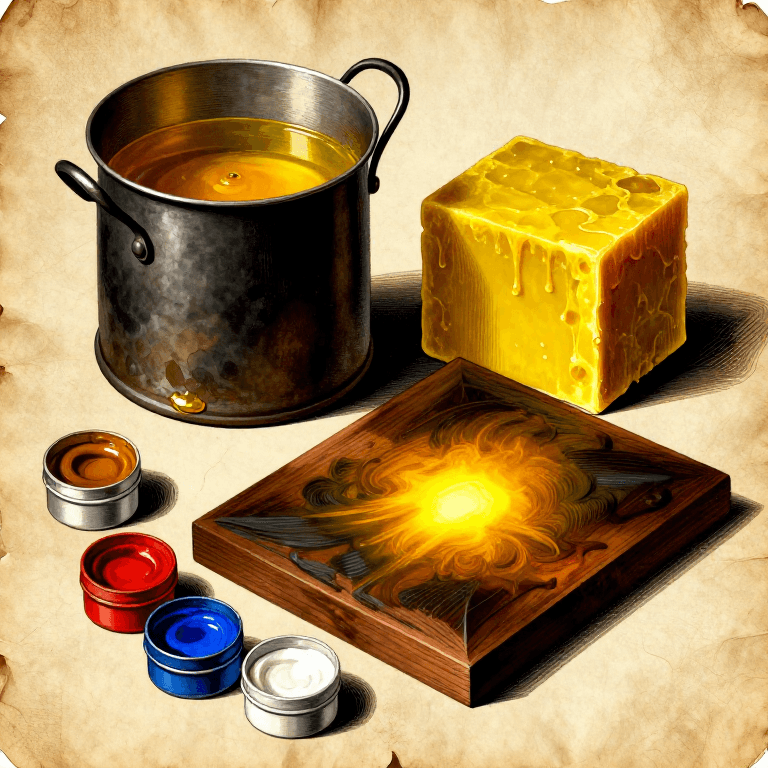
Making Encaustic Paint — The Hot Beeswax Medium of Ancient Greek and Egyptian Painters
bởi Charlie
NGHỆ THUẬT
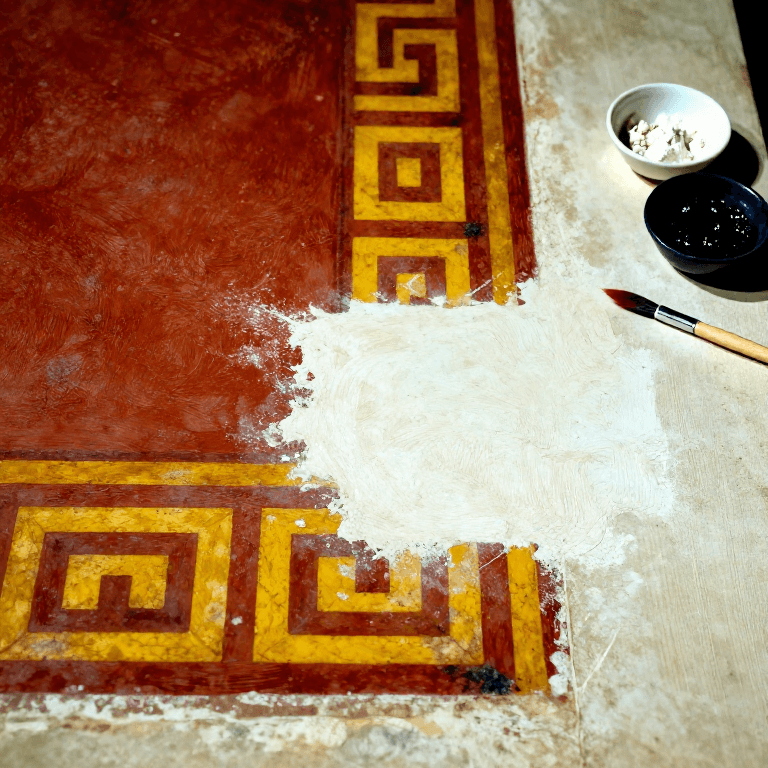
Painting a Buon Fresco on Wet Lime Plaster — Roman Wall Painting
bởi Charlie
Xây
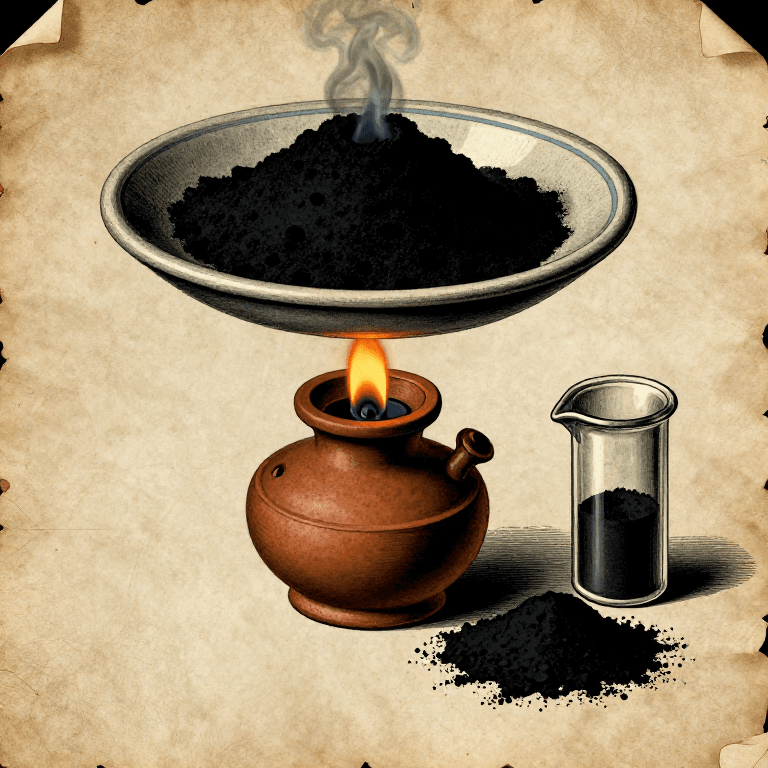
Making Lampblack Pigment — Collecting Carbon Soot from a Burning Flame
bởi Charlie
NGHỆ THUẬT
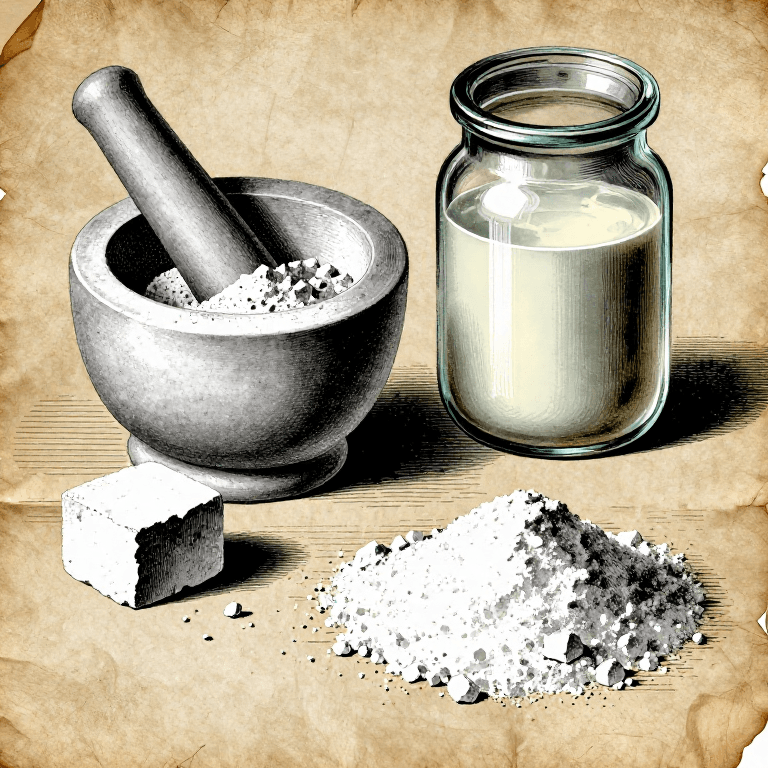
Making Chalk White Pigment (Whiting) — Grinding and Levigating Natural Chalk
bởi Charlie
NGHỆ THUẬT
Making Verdigris — The Copper Acetate Green of Medieval Painters
bởi Charlie
NGHỆ THUẬT
Making Ultramarine from Lapis Lazuli — Extracting the Most Precious Pigment in History
bởi Charlie
NGHỆ THUẬT
Making a Lake Pigment from Plant Dye — Precipitating Soluble Colour onto an Insoluble Substrate
bởi Charlie
NGHỆ THUẬT
Making Natural Earth Pigments from Soil and Rocks — Collecting and Processing
bởi Mary
NGHỆ THUẬT
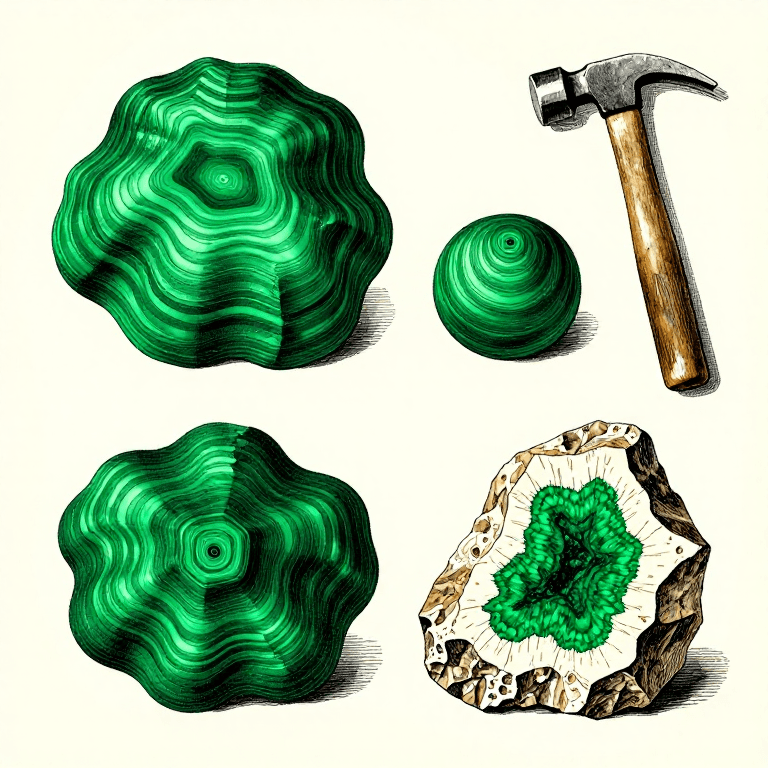
Identifying and Collecting Malachite — Copper Carbonate Ore from the Earth
bởi Peter
Gia công kim loại
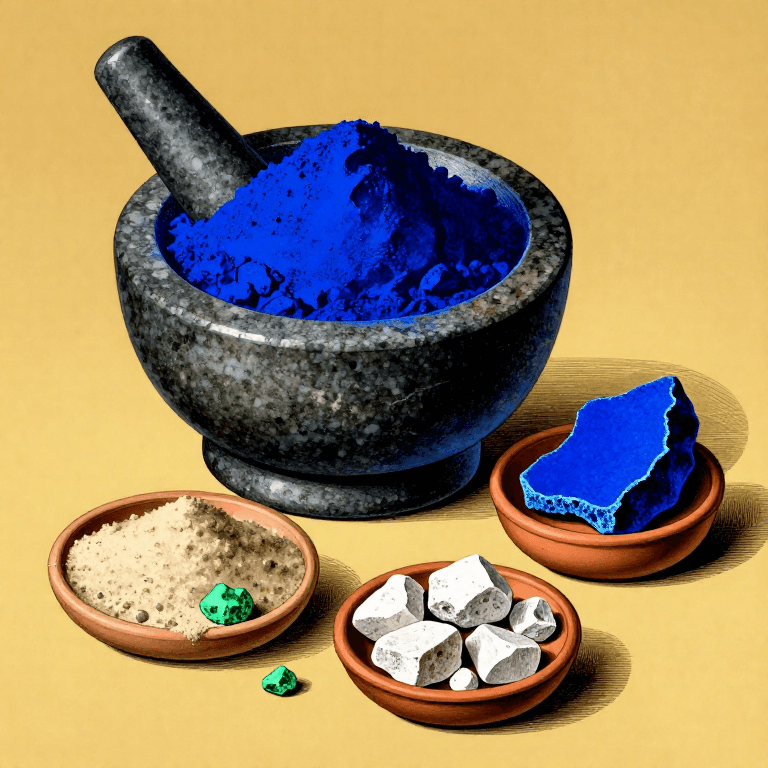
Egyptian Blue Pigment — Grinding Egyptian Blue from Copper Silicate
bởi Charlie
Hóa học
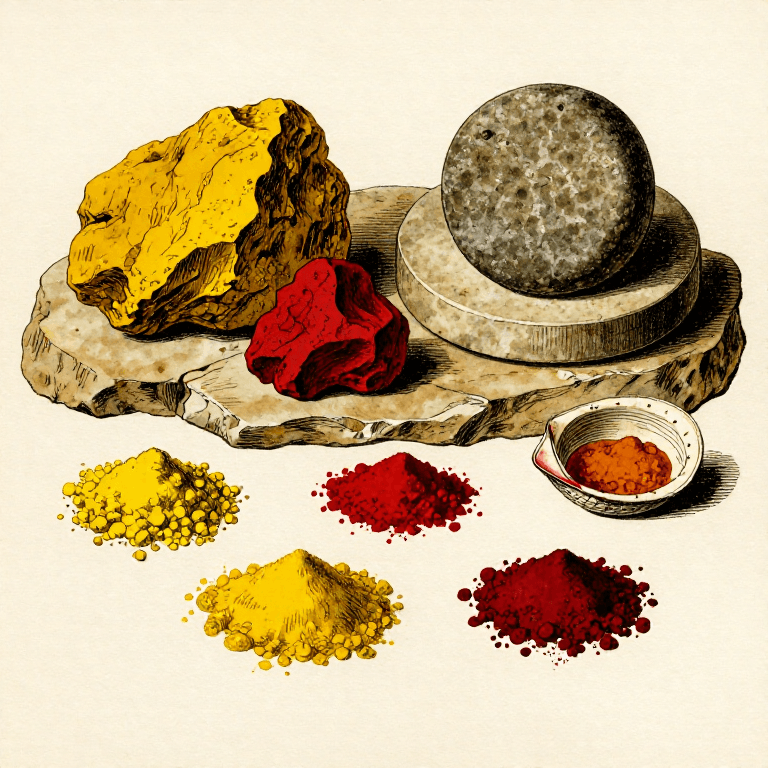
Preparing Ochre Pigment for Cave Painting — Mineral Processing
bởi Charlie
Hóa học
CC0 Phạm vi công cộng
Bản thiết kế này được phát hành theo CC0. Bạn tự do sao chép, sửa đổi, phân phối và sử dụng cho bất kỳ mục đích nào mà không cần xin phép.
Hỗ trợ nhà sáng tạo bằng cách mua sản phẩm qua bản thiết kế, nơi họ nhận Hoa hồng nhà sáng tạo do nhà bán hàng đặt, hoặc tạo phiên bản mới và kết nối trong bản thiết kế riêng để chia sẻ doanh thu.