
Preparing Ochre Pigment for Cave Painting — Mineral Processing
Hướng dẫn
Source and Select Ochre
Source and Select Ochre
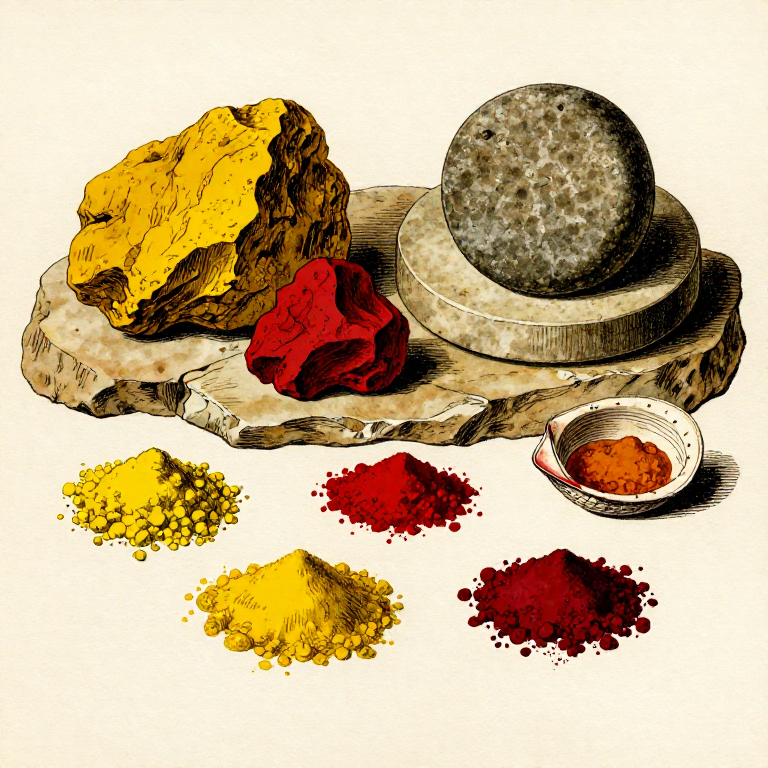
Ochre is iron oxide-rich earth found in exposed clay banks, riverbed deposits, and rocky outcrops worldwide. Yellow ochre contains goethite (hydrated iron oxide, FeOOH) and produces warm yellow to brown tones. Red ochre contains hematite (anhydrous iron oxide, Fe2O3) and produces deep red to maroon. Select pieces that leave a strong colour streak when rubbed on stone — the more intensely coloured the streak, the higher the pigment concentration. Avoid pieces with excessive sand or gravel inclusions, as these dilute the colour.
Vật liệu cho bước này:
 Đất son thôseveral lumps, fist-sized cái
 Nướcsmall amount for mixing cái
 Mỡ động vật (mỡ cừu bò)small amount cái
 Vỏ ốc1-2 cái
Công cụ cần thiết:
 Đá rót khuôn (phẳng, nhẵn)
 Đá nghiền cầm tay hình tròn
Heat-Treat for Colour Conversion (Optional)
Heat-Treat for Colour Conversion (Optional)
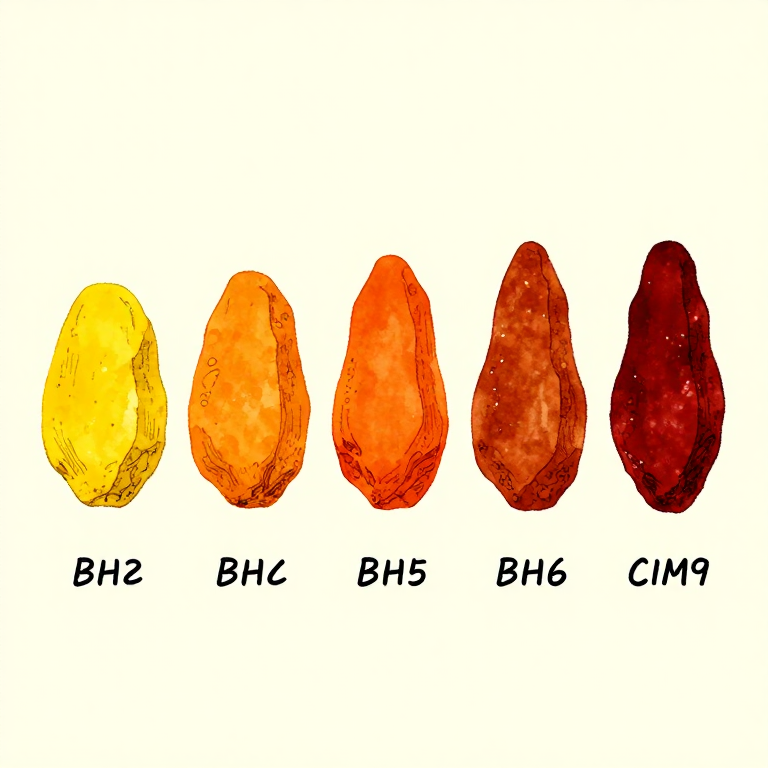
To convert yellow ochre to red, heat the raw lumps in a fire. At approximately 250-300 degrees C, goethite (yellow) loses its chemically bound water and transforms into hematite (red). Place ochre lumps at the edge of a campfire and gradually move them closer over 30-60 minutes. The colour shift is visible — watch for the yellow to deepen through orange to red. Do not overheat past 900 degrees C or the iron oxide converts to magnetite (black) and loses its red brilliance. This thermal conversion was practiced at Blombos Cave in South Africa at least 75,000 years ago.
Grind to Fine Powder
Grind to Fine Powder
Break the ochre into small chunks and place them on a flat sandstone grinding slab. Using a round handstone (mano), crush and grind the ochre in a circular motion with steady downward pressure. Continue grinding until the powder is fine and smooth with no gritty particles — coarse particles produce a streaky, uneven paint. The finer the grind, the more vivid and uniform the colour. Archaeological grinding stones show deep concave wear from repeated pigment processing. A single grinding session produces enough pigment for extensive painting.
Mix the Paint
Mix the Paint
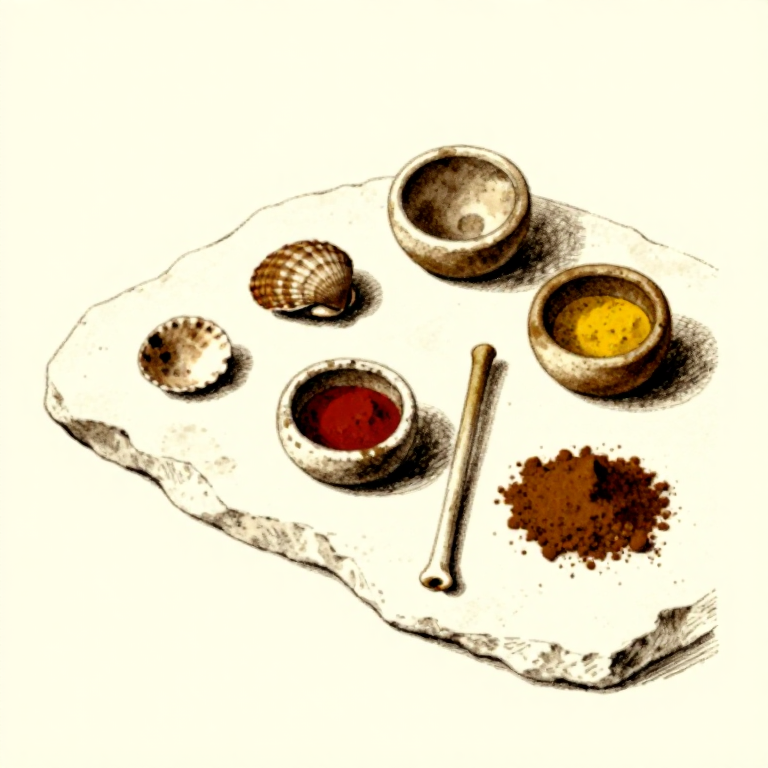
Transfer the ground pigment to a shell or hollow stone. Add water gradually, mixing with a stick or finger-sized bone tool until the pigment reaches the desired consistency — thin and fluid for spraying techniques, thick and paste-like for direct application. For greater adhesion and durability, mix in a binder: animal fat, bone marrow, egg white, blood, or plant sap. Cave paintings at Lascaux used a mixture of ochre pigment with animal fat and calcium-rich cave water. The binder helps the pigment adhere to rough stone surfaces and resist flaking once dry.
Application Techniques
Application Techniques
Apply pigment to stone surfaces using several methods documented in prehistoric cave art. Direct application uses a fingertip, a chewed twig brush, or a pad of moss or animal fur. Spraying involves placing pigment in the mouth and blowing it over a stencil (such as a hand placed against the wall) to create negative-space images. Crayons can be made by mixing ochre with melted animal fat and allowing it to harden into solid sticks. On clean, dry limestone surfaces, ochre pigment bonds durably — the cave paintings at Chauvet in France have survived over 36,000 years, demonstrating the extraordinary longevity of mineral pigments on stone.
Vật liệu
5- small amount for mixing cáiTạm thời
- small amount cáiTạm thời
- several lumps, fist-sized cáiTạm thời
- 1-2 cáiTạm thời
- 1 cáiTạm thời
Công cụ yêu cầu
3- Tạm thời
- Tạm thời
- Tạm thời
Vật liệu bản thiết kế liên kết
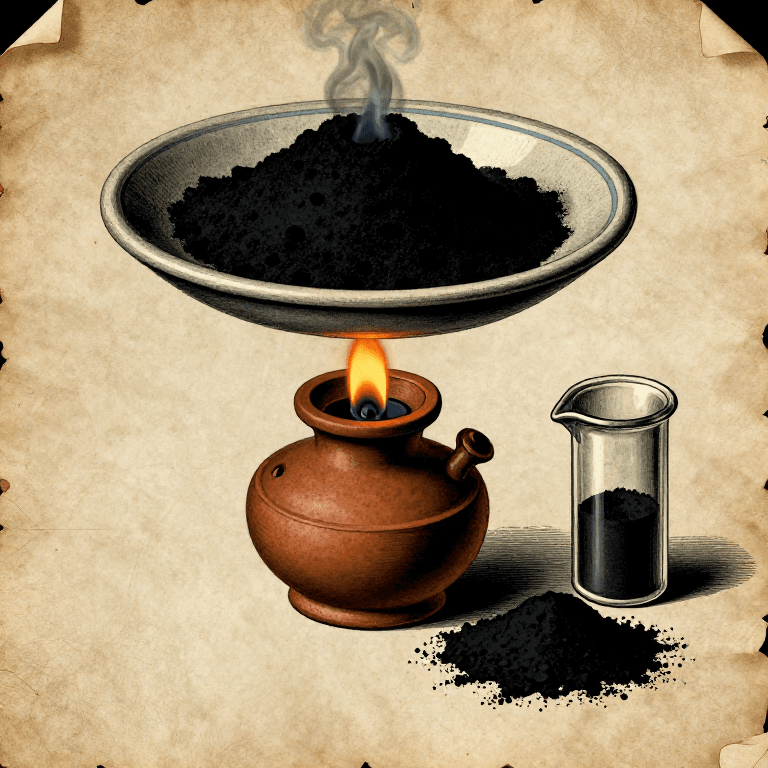
Making Lampblack Pigment — Collecting Carbon Soot from a Burning Flame
bởi Charlie
NGHỆ THUẬT
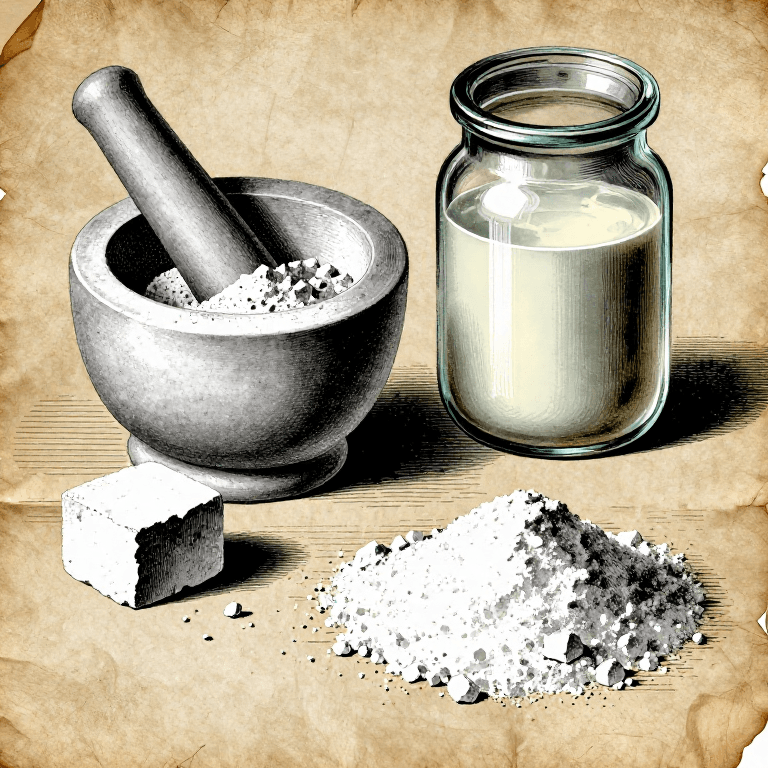
Making Chalk White Pigment (Whiting) — Grinding and Levigating Natural Chalk
bởi Charlie
NGHỆ THUẬT
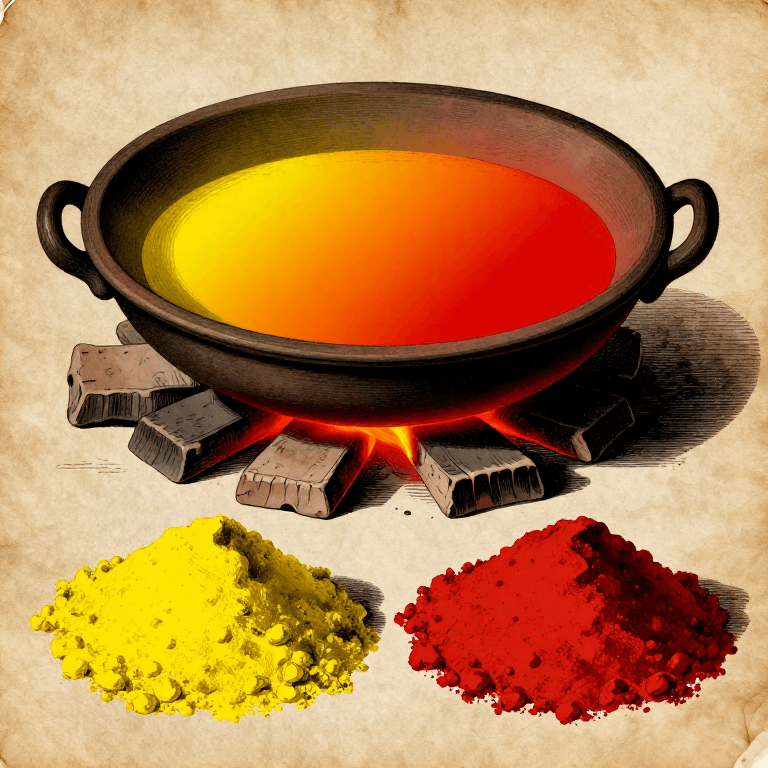
Making Red Ochre by Calcining Yellow Ochre — The Oldest Deliberate Pigment Transformation
bởi Charlie
NGHỆ THUẬT
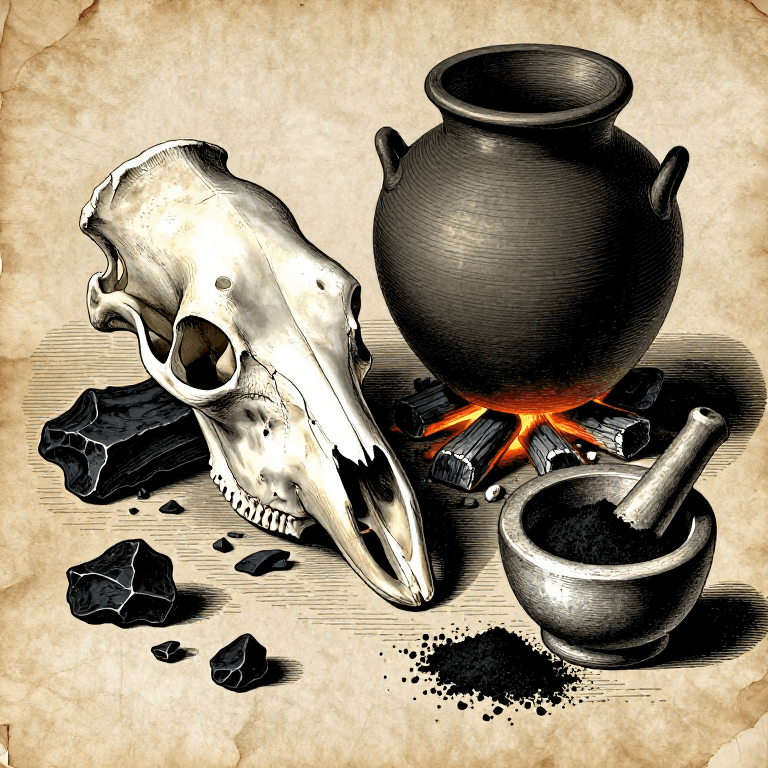
Making Bone Black Pigment — Calcining Animal Bones into the Warm Black of Old Master Painters
bởi Charlie
NGHỆ THUẬT
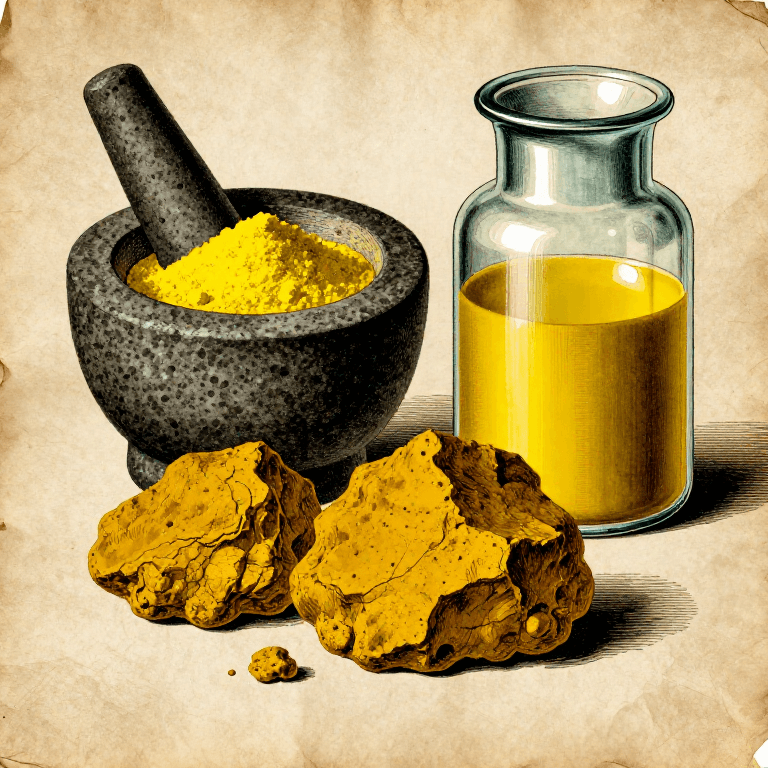
Making Yellow Ochre Pigment — Grinding and Levigating Goethite into the Oldest Painter's Yellow
bởi Charlie
NGHỆ THUẬT
Bản thiết kế này làm ra
Blueprint liên quan
Các blueprint này chia sẻ kiến thức — kỹ thuật, vật liệu hoặc nguyên tắc
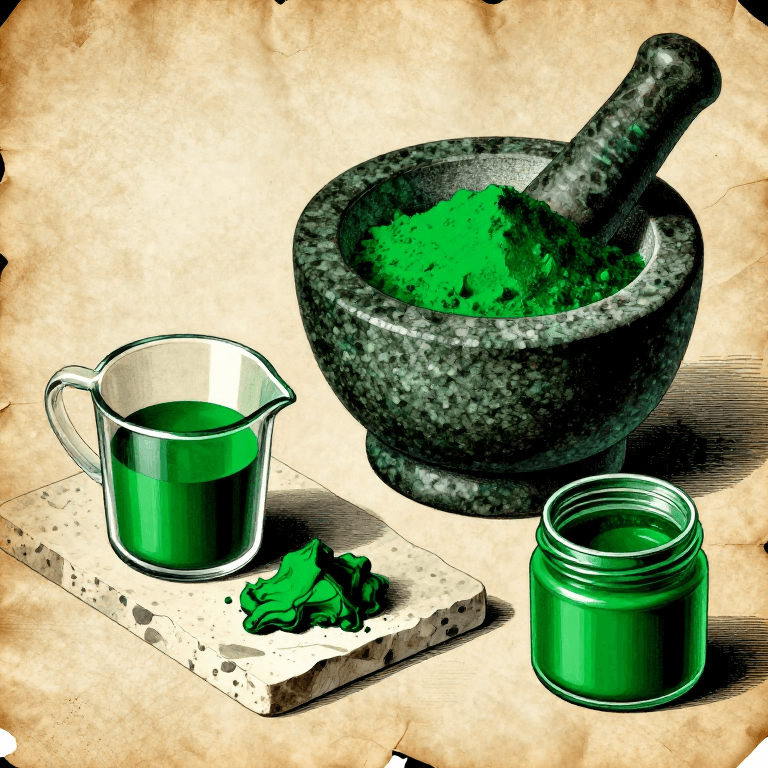
Making Malachite Green Pigment — Grinding the Copper Mineral into Painter's Green
bởi Charlie
NGHỆ THUẬT
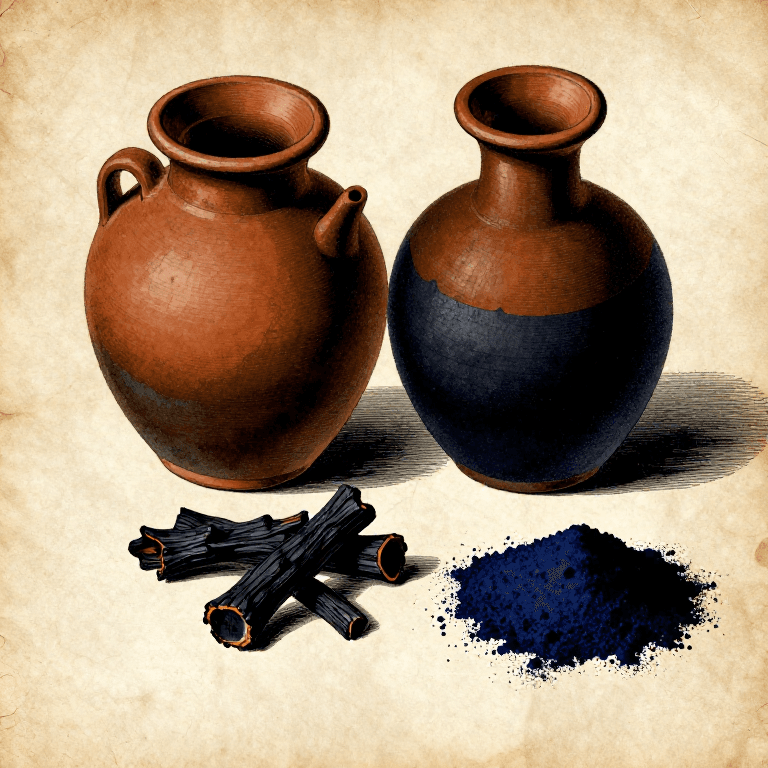
Making Vine Black Pigment — Charring Grape Vines into the Cool Blue-Black of Classical Painters
bởi Charlie
NGHỆ THUẬT
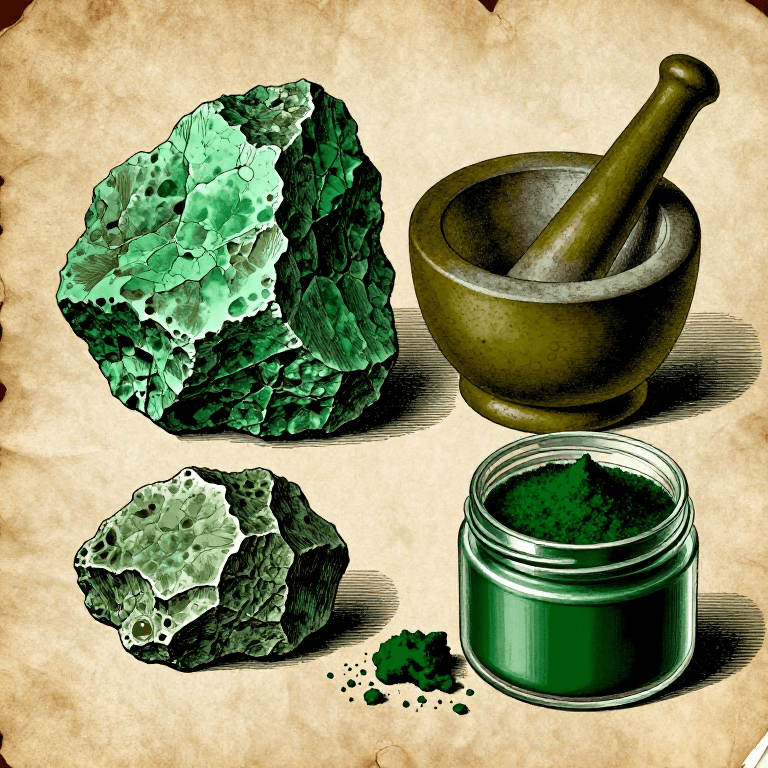
Making Green Earth Pigment (Terra Verte) — The Soft Green of Celadonite and Glauconite
bởi Charlie
NGHỆ THUẬT
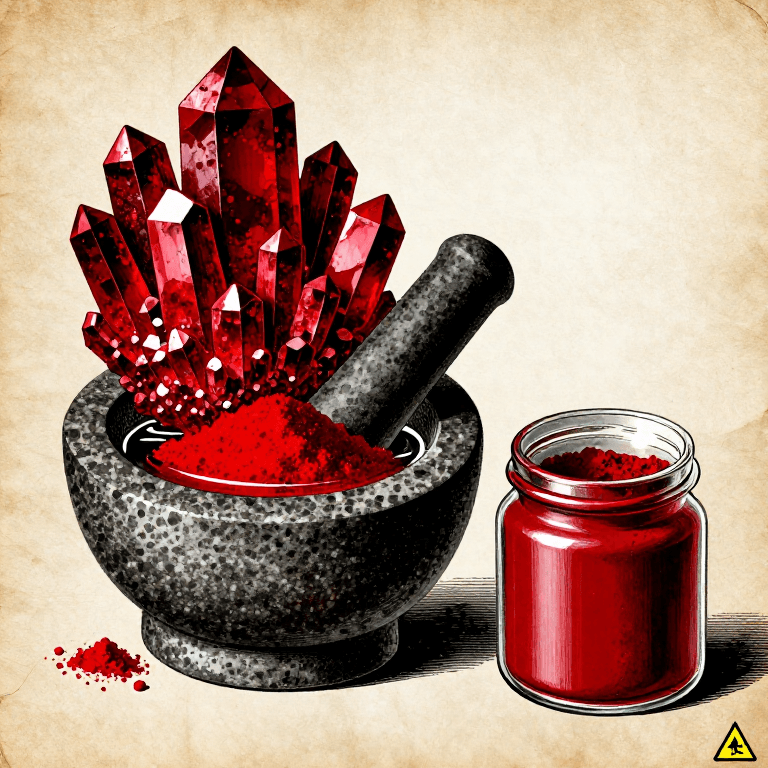
Making Cinnabar Red Pigment — Grinding Mercury Sulfide into the Most Vivid Red of the Ancient World
bởi Charlie
NGHỆ THUẬT
CC0 Phạm vi công cộng
Bản thiết kế này được phát hành theo CC0. Bạn tự do sao chép, sửa đổi, phân phối và sử dụng cho bất kỳ mục đích nào mà không cần xin phép.
Hỗ trợ nhà sáng tạo bằng cách mua sản phẩm qua bản thiết kế, nơi họ nhận Hoa hồng nhà sáng tạo do nhà bán hàng đặt, hoặc tạo phiên bản mới và kết nối trong bản thiết kế riêng để chia sẻ doanh thu.