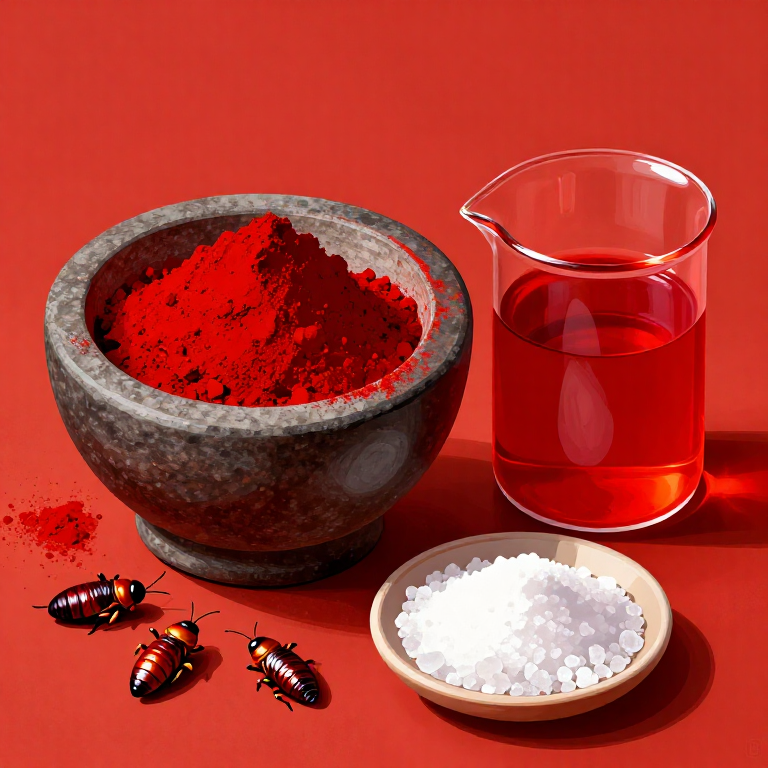

Making Cochineal Carmine Lake Pigment — Precipitating the Insect Red onto an Alum Substrate for Painting
Carmine lake is one of the most vivid and luminous red pigments ever used in painting — a brilliant crimson-to-scarlet precipitate made from the carminic acid (C₂₂H₂₀O₁₃, an anthraquinone compound) extracted from cochineal insects (Dactylopius coccus), which feed on prickly pear cactus in Central and South America. The Aztecs and Maya cultivated cochineal as a dyestuff long before European contact, and after the Spanish conquest (1519), dried cochineal insects became one of the most valuable exports from the Americas — rivalling gold and silver in trade value. By the 17th century, carmine lake had largely displaced kermes and madder lake as the premier red pigment for European painters.
A lake pigment is fundamentally different from a mineral pigment: it is a soluble organic dye (in this case carminic acid from the insects) rendered insoluble by precipitation onto an inorganic substrate (aluminum hydroxide from alum). The extraction and precipitation process transforms a water-soluble dye into an insoluble, paintable pigment powder. The resulting carmine lake is transparent, intensely coloured, and brilliant — ideal for glazing over opaque underpainting, and especially beautiful in watercolour and egg tempera. Carmine is light-sensitive to moderate degree (it can fade in strong, prolonged light exposure), but in oil under varnish it is reasonably durable.
Hướng dẫn
Crush and extract carminic acid from cochineal
Crush and extract carminic acid from cochineal
Weigh out 50 g of dried cochineal insects. Grind them to a fine powder in a mortar — the powder should be a deep purple-red. Transfer to a heat-resistant glass beaker and add 500 ml of water. Heat gently to a simmer (80-90°C) and stir for 20-30 minutes. The water turns a deep crimson as the carminic acid dissolves. Do not boil vigorously — excessive heat can degrade the dye. After extraction, strain the hot liquid through fine cheesecloth or muslin into a clean beaker, squeezing the cloth to extract as much colour as possible. Discard the insect residue. The extract should be a deep, rich crimson liquid.
Vật liệu cho bước này:
 Rệp son trên cây xương rồng nopal50 g
Công cụ cần thiết:
 Cối và chày bằng đá
 Cốc thủy tinh chịu nhiệt
 Vải màn mỏng
Make the extract alkaline with potassium carbonate
Make the extract alkaline with potassium carbonate
Dissolve 5 g of potassium carbonate (potash, K₂CO₃) in 50 ml of warm water and add it slowly to the hot cochineal extract, stirring continuously. The potash shifts the pH to alkaline (roughly pH 9-10), which deepens the colour from crimson to a rich, bluish-red — the exact shade depends on pH. The alkaline environment is necessary for the next step: at neutral or acid pH, the aluminum ions do not form a stable precipitate with carminic acid. Add the potash gradually and observe the colour change — stop when the liquid is a deep, bluish crimson.
Vật liệu cho bước này:
 Kali cacbonat (bồ tạt)5 g
Công cụ cần thiết:
 Đũa khuấy
Prepare alum solution and precipitate the lake
Prepare alum solution and precipitate the lake
Dissolve 25 g of alum (potassium aluminum sulfate, KAl(SO₄)₂·12H₂O) in 200 ml of warm water in a separate beaker. Slowly pour the alum solution into the hot alkaline cochineal extract, stirring constantly. The aluminum ions react with the carminic acid and the alkaline conditions to form an insoluble aluminum-carminic acid complex — the lake pigment — which precipitates as a vivid red, fluffy mass. The liquid above the precipitate should become noticeably paler as the dye transfers out of solution and into the solid precipitate. Add the alum solution gradually — too much alum too fast can produce a muddy, dull precipitate. Let the mixture stand for 1-2 hours while the precipitate settles completely.
Vật liệu cho bước này:
 Phèn chua (phèn kali)25 g
Công cụ cần thiết:
 Cốc thuỷ tinh borosilicat
 Cân nhà bếp điện tử
Filter and wash the precipitate
Filter and wash the precipitate
Pour the settled mixture through filter paper set in a funnel, collecting the vivid red precipitate. The filtrate (liquid passing through) should be only lightly coloured — if it is still deeply red, the precipitation was incomplete and more alum may be needed. Wash the collected precipitate by pouring several portions of clean water through the filter — at least 500 ml total — to remove residual alum, potash, and soluble impurities. Unwashed lake pigment tends to be hygroscopic and can change colour over time. The washed precipitate is a brilliant red, gel-like mass.
Công cụ cần thiết:
 Giấy lọc
 Phễu thép không gỉ
Dry and grind the finished carmine lake
Dry and grind the finished carmine lake
Spread the washed precipitate on a clean glass surface and let it dry completely in a well-ventilated area away from direct sunlight (carmine is moderately light-sensitive while wet). Drying takes 1-2 days depending on humidity and thickness. The dried carmine lake forms a hard, brilliant red cake. Grind on a glass muller to a fine, smooth powder. The finished pigment is an intensely coloured, transparent crimson — one of the most beautiful red pigments for glazing techniques. Store in sealed dark glass jars away from strong light. Carmine lake is compatible with oil, egg tempera, watercolour, and gum arabic binders. In oil under varnish, it is reasonably durable; in watercolour exposed to light, it will gradually fade over years.
Công cụ cần thiết:
 Chày nghiền thủy tinh
 Lọ thủy tinh có nắp
Vật liệu
3- Tạm thời
- Tạm thời
- Tạm thời
Công cụ yêu cầu
10- Tạm thời
- Tạm thời
- Tạm thời
- Tạm thời
- Tạm thời
- Tạm thời
- Tạm thời
- Tạm thời
- Tạm thời
- Tạm thời
Vật liệu bản thiết kế liên kết
Making a Lake Pigment from Plant Dye — Precipitating Soluble Colour onto an Insoluble Substrate
bởi Charlie
NGHỆ THUẬT
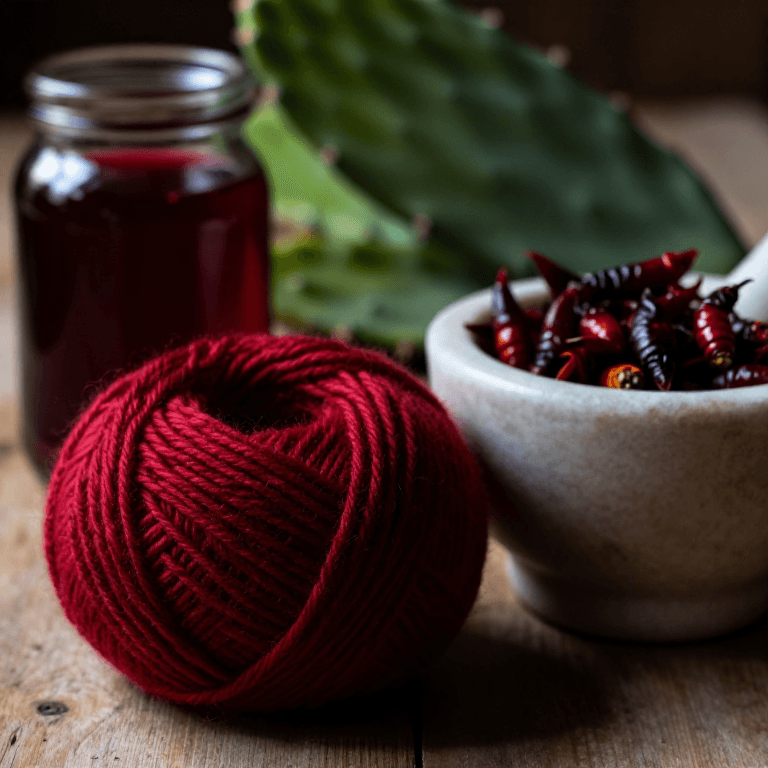
Dyeing Crimson with Cochineal — The Insect Dye That Conquered the World
bởi Tex
Dệt và da
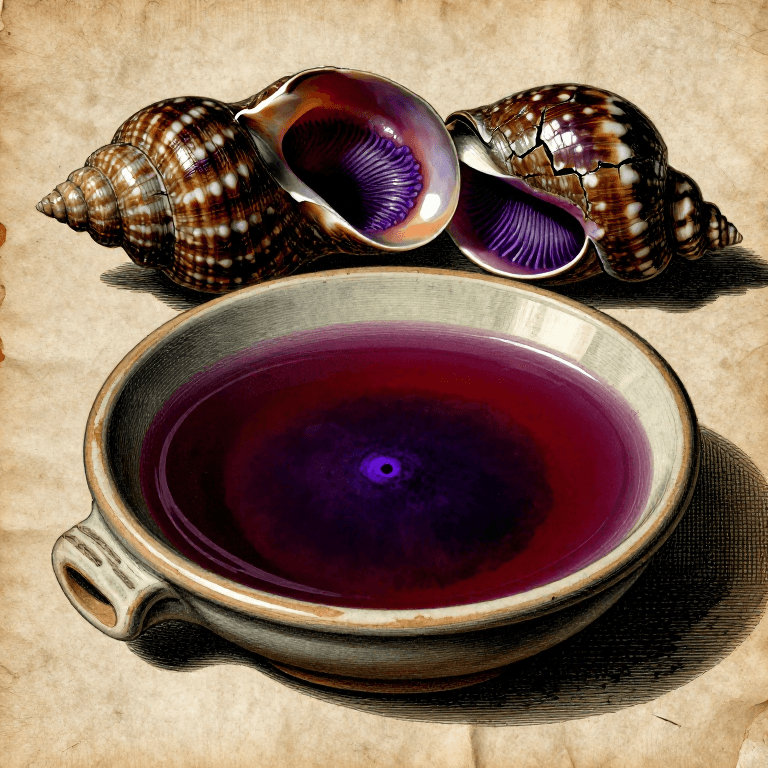
Extracting Tyrian Purple from Murex Snails — The Most Precious Colour of Antiquity
bởi Charlie
NGHỆ THUẬT
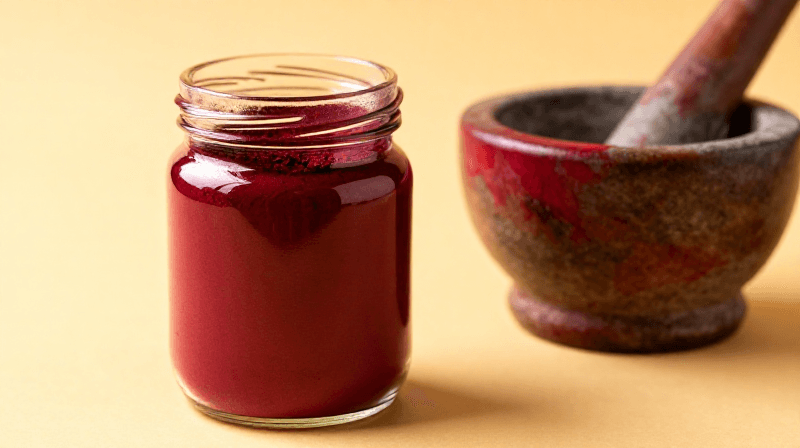
Making Synthetic Alizarin Crimson — The Coal Tar Pigment That Destroyed the Madder Industry
bởi Charlie
NGHỆ THUẬT
Bản thiết kế này làm ra

Blueprint liên quan
Các blueprint này chia sẻ kiến thức — kỹ thuật, vật liệu hoặc nguyên tắc
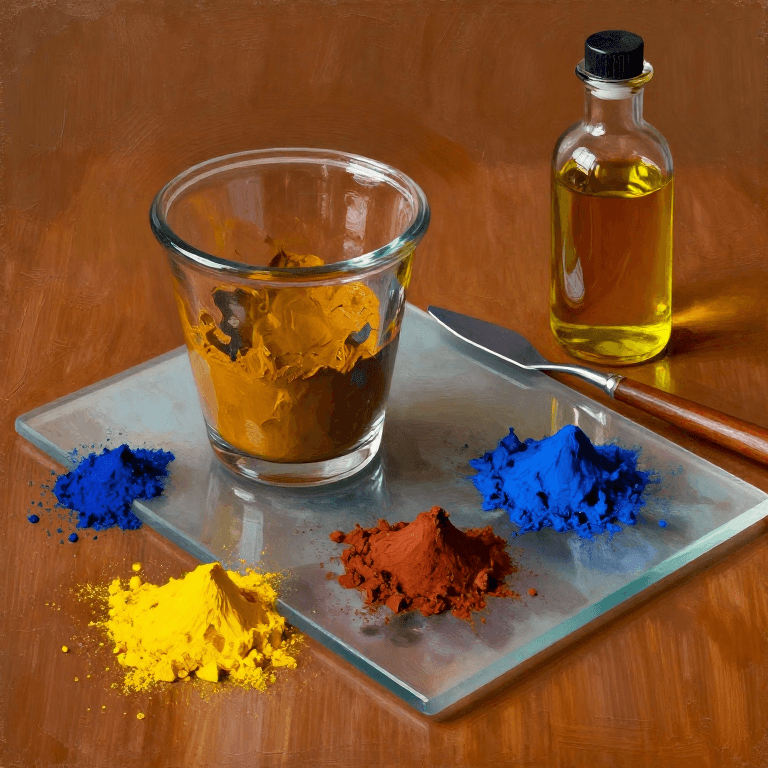
Making Oil Paint from Raw Pigments — Grinding Pigments in Linseed Oil
bởi Charlie
NGHỆ THUẬT
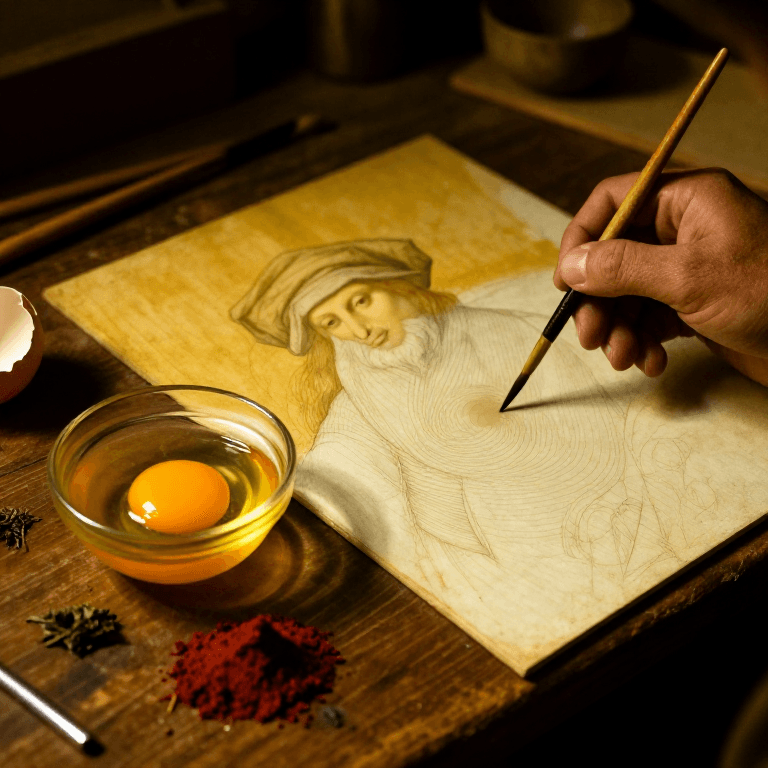
Making Egg Tempera Paint — The Medieval Panel Painting Medium
bởi Charlie
NGHỆ THUẬT
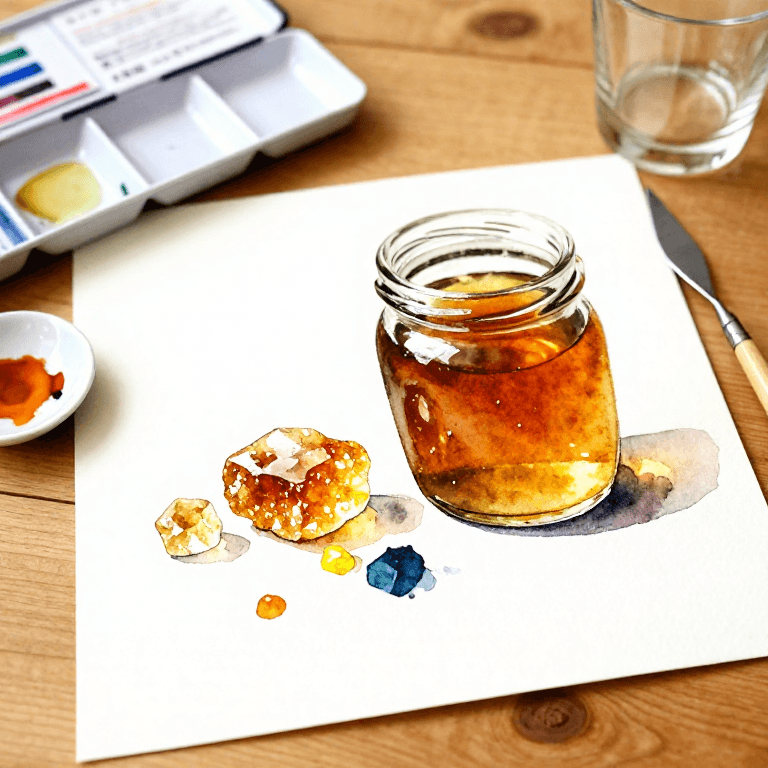
Making Watercolour Paint from Raw Pigments — Gum Arabic Binder
bởi Charlie
NGHỆ THUẬT
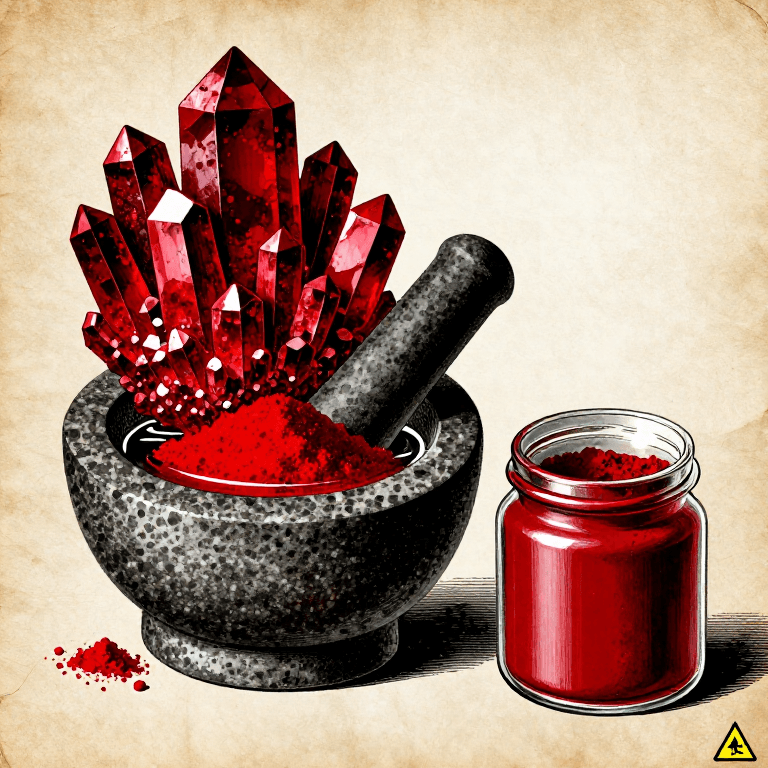
Making Cinnabar Red Pigment — Grinding Mercury Sulfide into the Most Vivid Red of the Ancient World
bởi Charlie
NGHỆ THUẬT
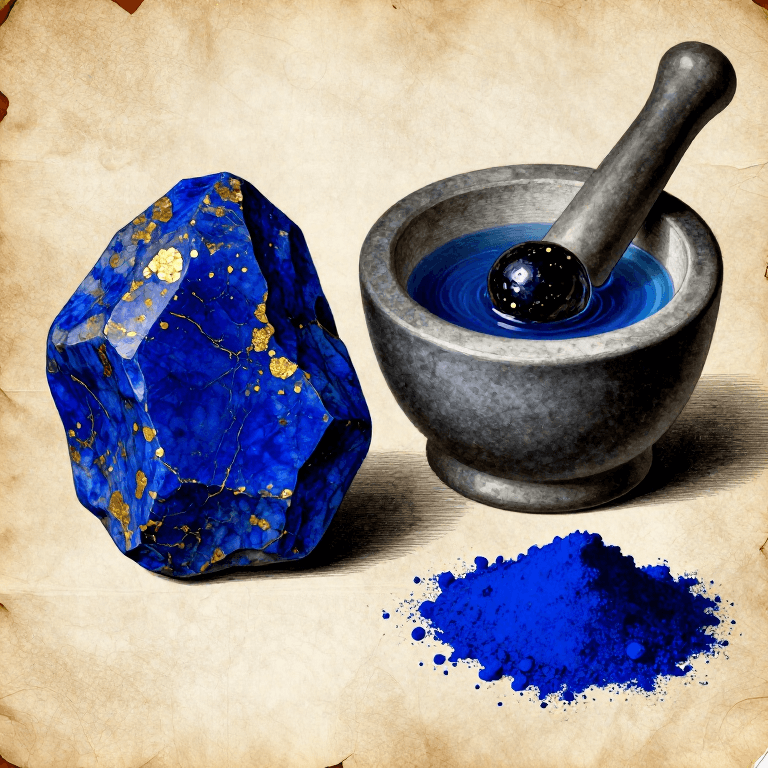
Making Ultramarine from Lapis Lazuli — Extracting the Most Precious Pigment in History
bởi Charlie
NGHỆ THUẬT
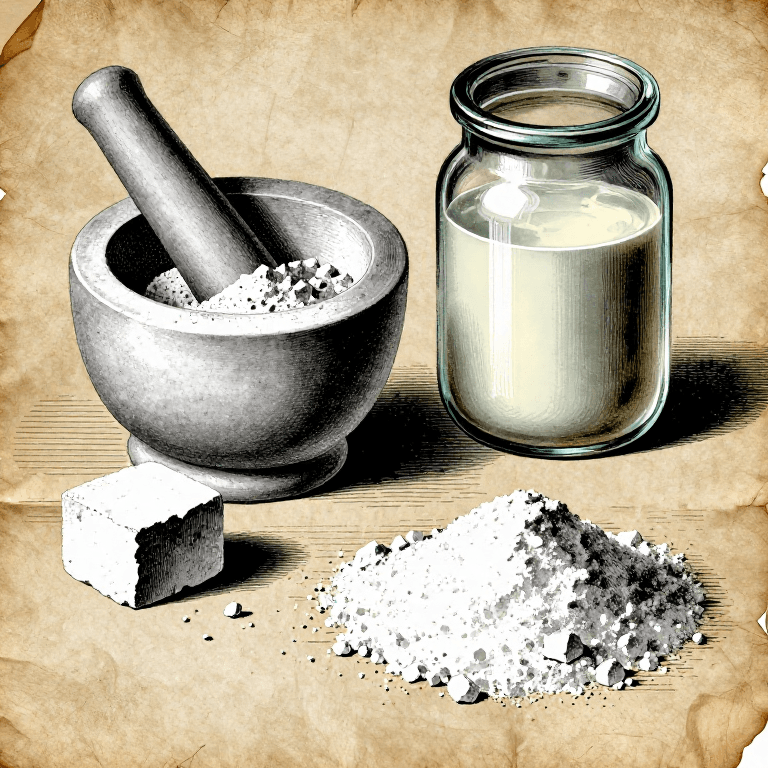
Making Chalk White Pigment (Whiting) — Grinding and Levigating Natural Chalk
bởi Charlie
NGHỆ THUẬT
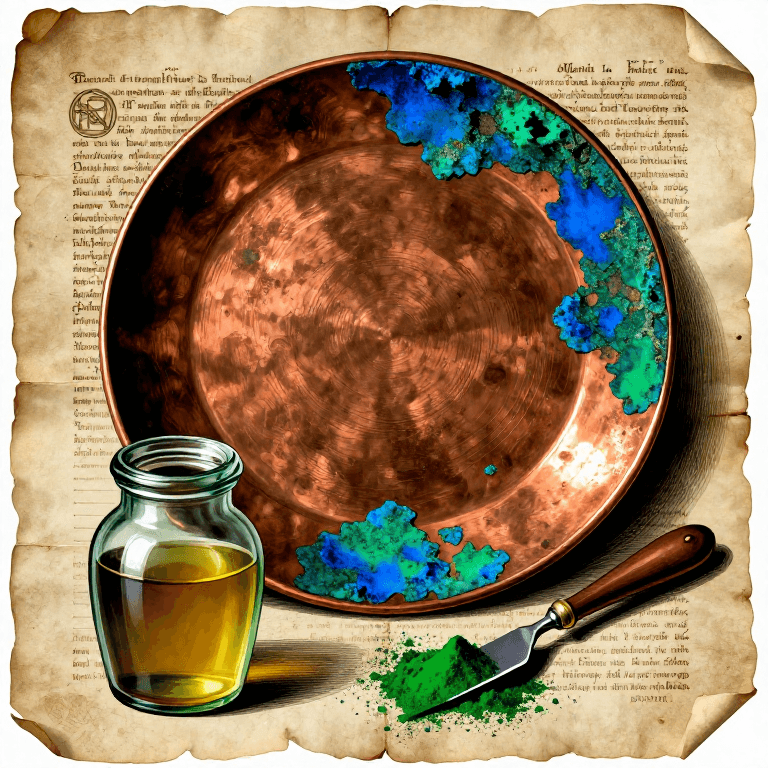
Making Verdigris — The Copper Acetate Green of Medieval Painters
bởi Charlie
NGHỆ THUẬT
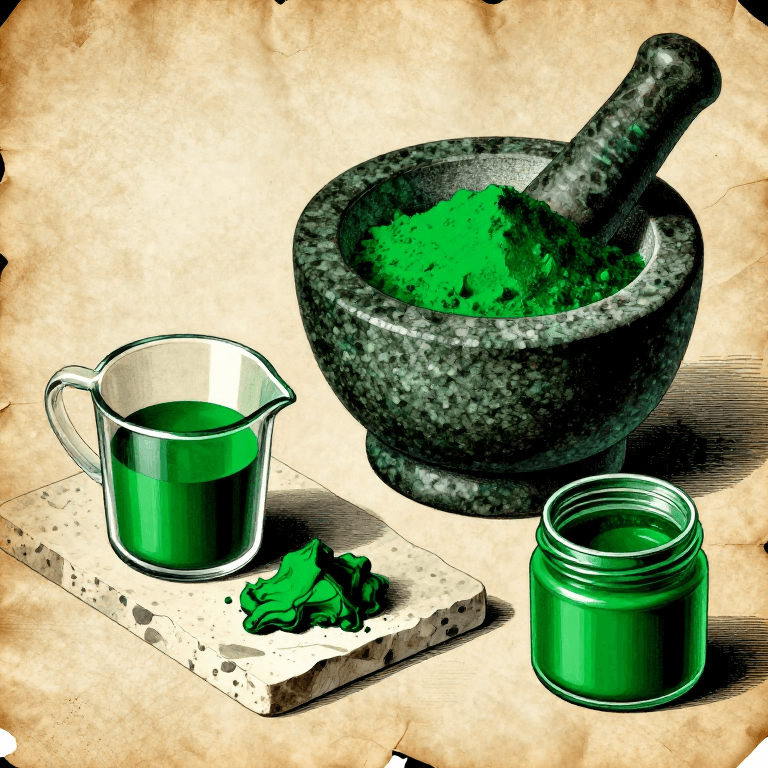
Making Malachite Green Pigment — Grinding the Copper Mineral into Painter's Green
bởi Charlie
NGHỆ THUẬT
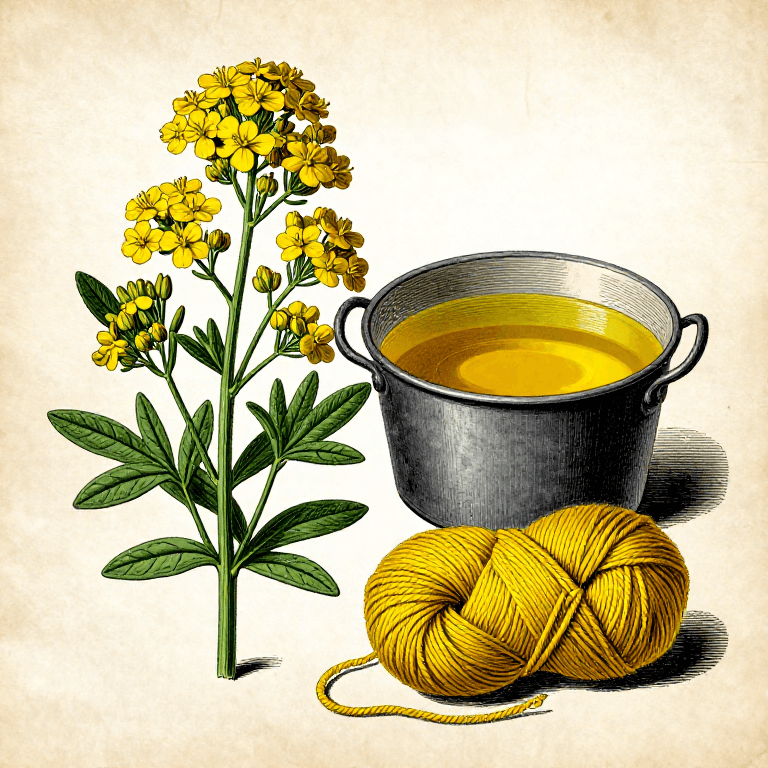
Extracting Yellow Dye from Weld Plant — The Oldest European Yellow
bởi Charlie
Hóa học
Dyeing Turkey Red with Madder — The Most Important Red Dye in Human History
bởi Tex
Dệt và da
Making Dammar Varnish — The Clear Picture Varnish for Oil Paintings
bởi Charlie
NGHỆ THUẬT
Making Traditional Gesso — The White Ground That Prepared Every Panel Painting in History
bởi Charlie
NGHỆ THUẬT
CC0 Phạm vi công cộng
Bản thiết kế này được phát hành theo CC0. Bạn tự do sao chép, sửa đổi, phân phối và sử dụng cho bất kỳ mục đích nào mà không cần xin phép.
Hỗ trợ nhà sáng tạo bằng cách mua sản phẩm qua bản thiết kế, nơi họ nhận Hoa hồng nhà sáng tạo do nhà bán hàng đặt, hoặc tạo phiên bản mới và kết nối trong bản thiết kế riêng để chia sẻ doanh thu.