NGHỆ THUẬT
LÀM ĐẸP VÀ SỨC KHỎE
THỦ CÔNG
VĂN HÓA VÀ LỊCH SỬ
GIẢI TRÍ
MÔI TRƯỜNG
THỰC PHẨM VÀ ĐỒ UỐNG
KỸ THUẬT NGƯỢC
KHOA HỌC
THỂ THAO
CÔNG NGHỆ
THIẾT BỊ ĐEO
Nguy hiểm

Nickel-Metal-Hydride Electrode
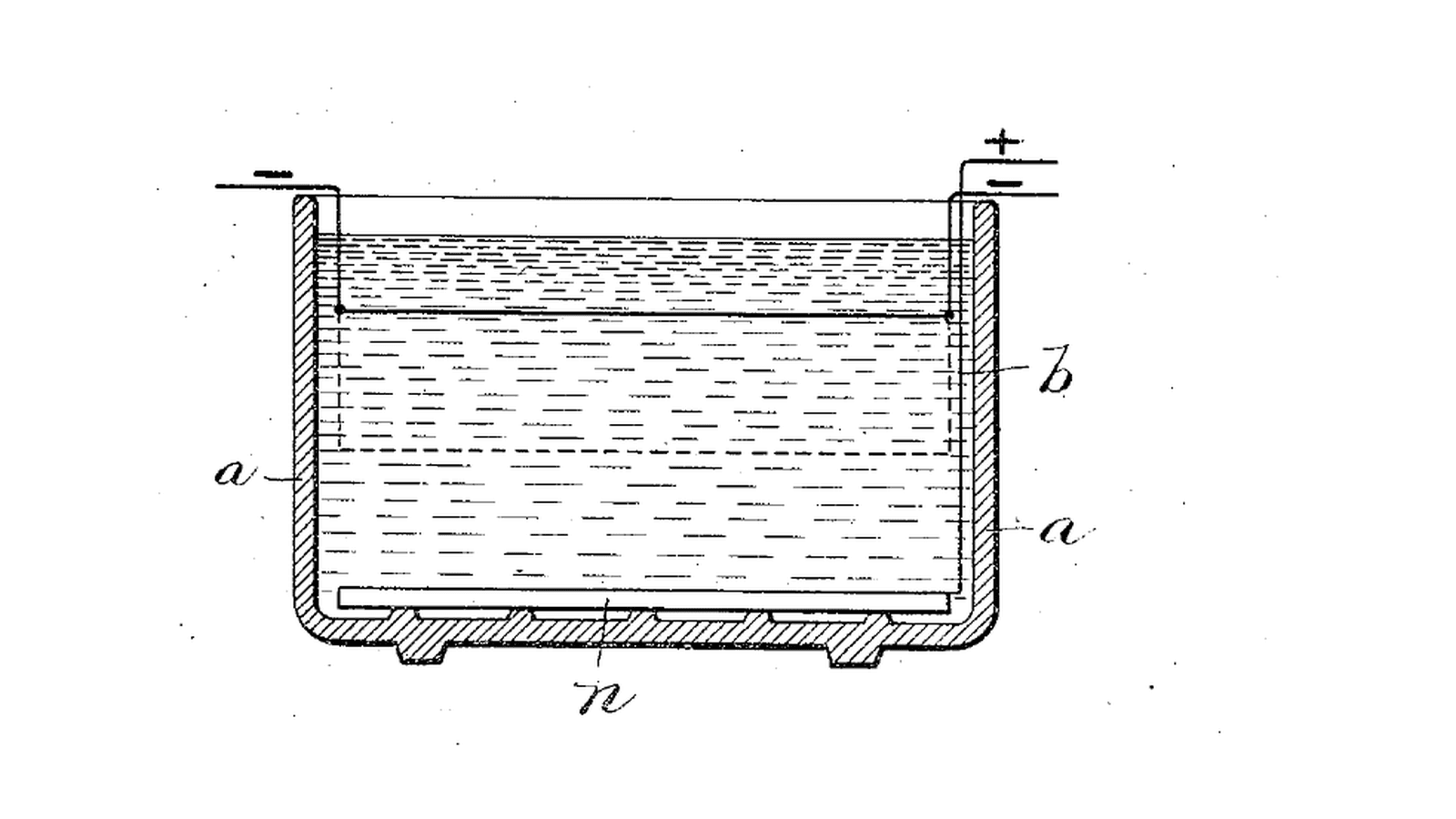
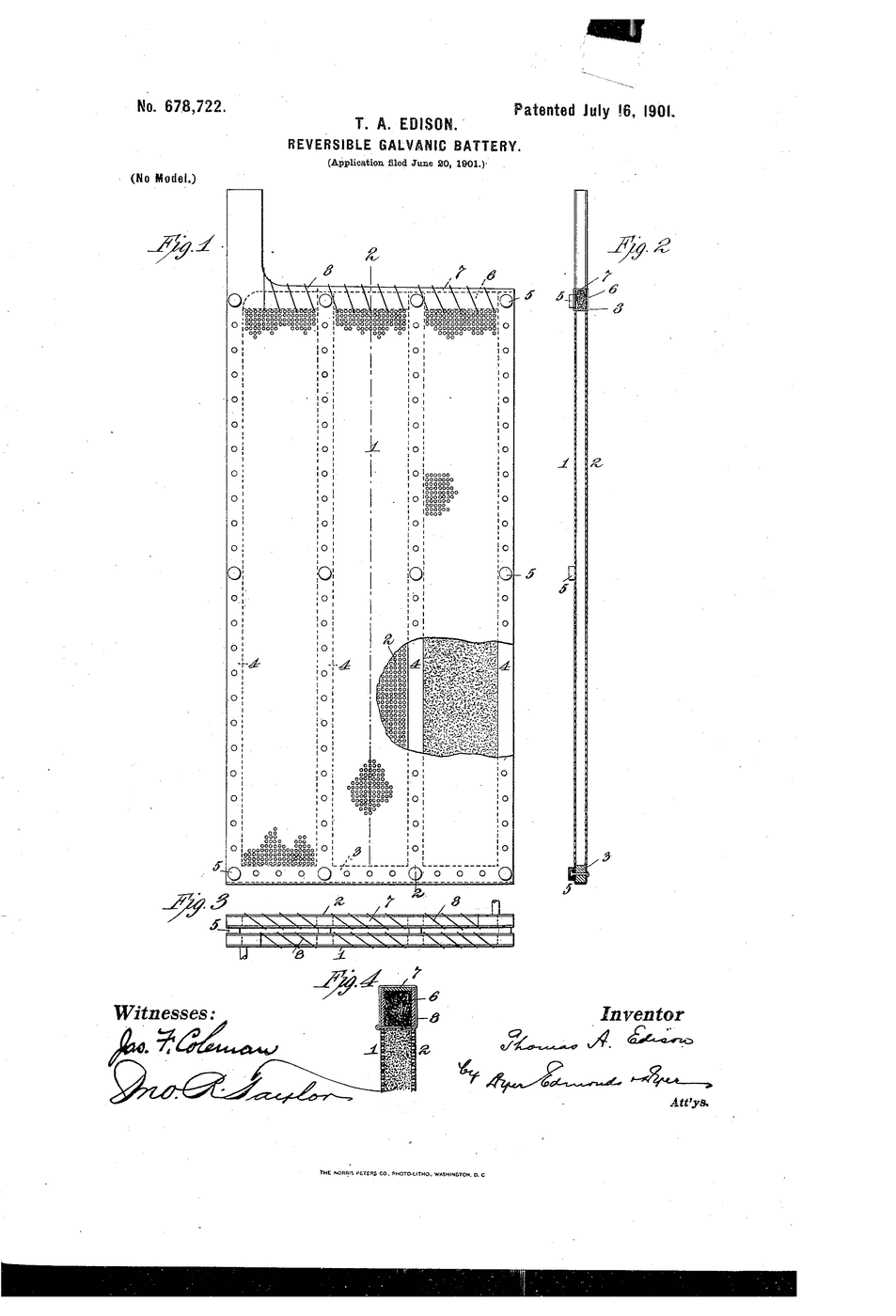
Jungner's cell, eighty-seven years later, with the cadmium taken out.
The positive electrode is unchanged - nickel oxyhydroxide, exactly as it was in 1899, exactly as it is in the NiCd blueprint earlier in this chain. The electrolyte is the same potassium hydroxide, still taking no part. What changed is the negative, and the change is a genuinely strange idea: instead of a metal that oxidises, use a metal that **absorbs hydrogen** and give it the hydrogen back on demand.
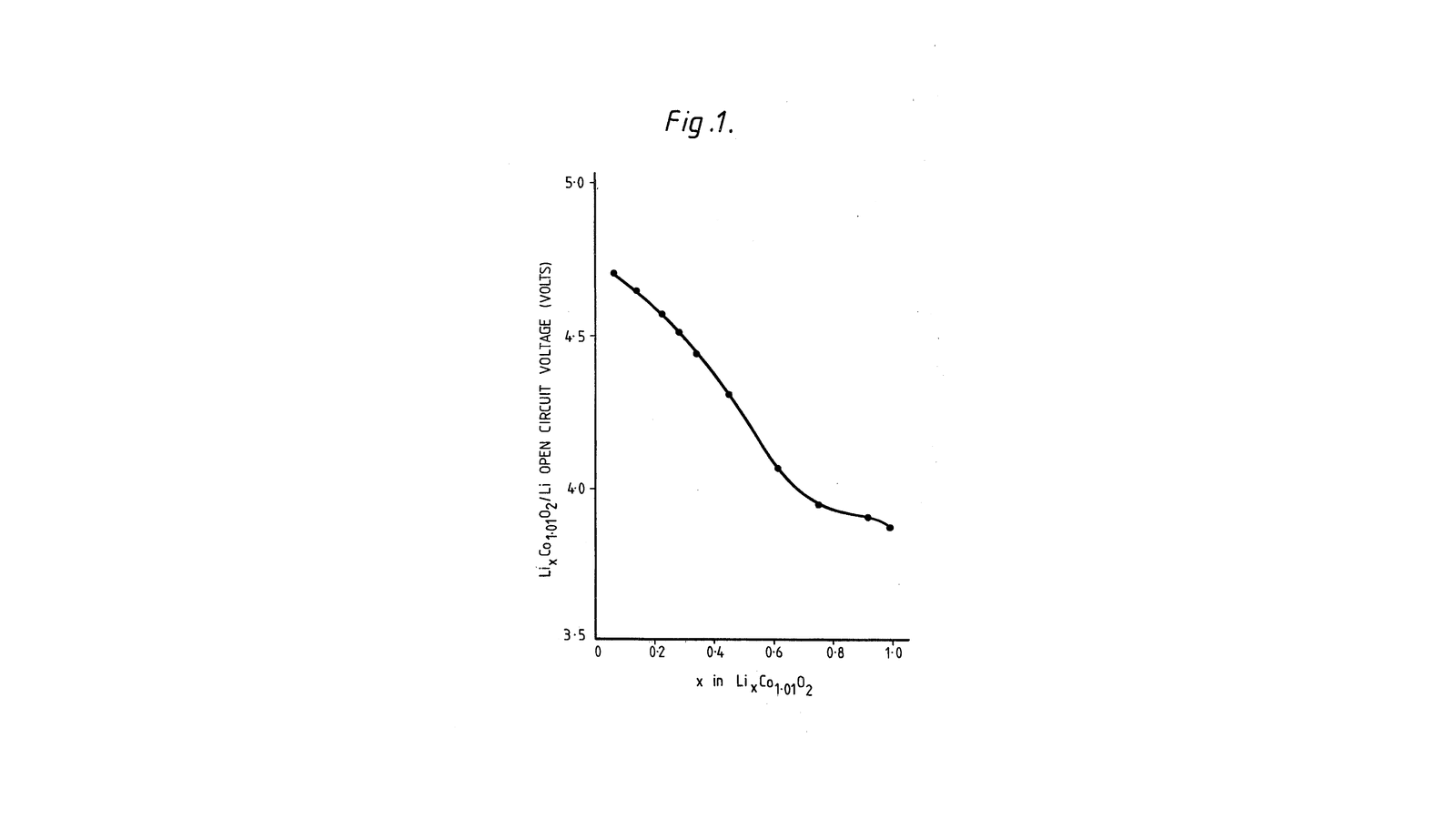
On discharge, MH + OH- gives M + H2O + e-. On charge it runs backwards. The hydrogen lives inside the metal lattice between charge and discharge, and the metal itself is not consumed - which is the same idea as the lithium cobalt oxide in the previous blueprint, arrived at from a completely different direction. Overall: Ni(OH)2 + MH gives NiOOH + M + H2O, and once again the hydroxide and the water cancel out.
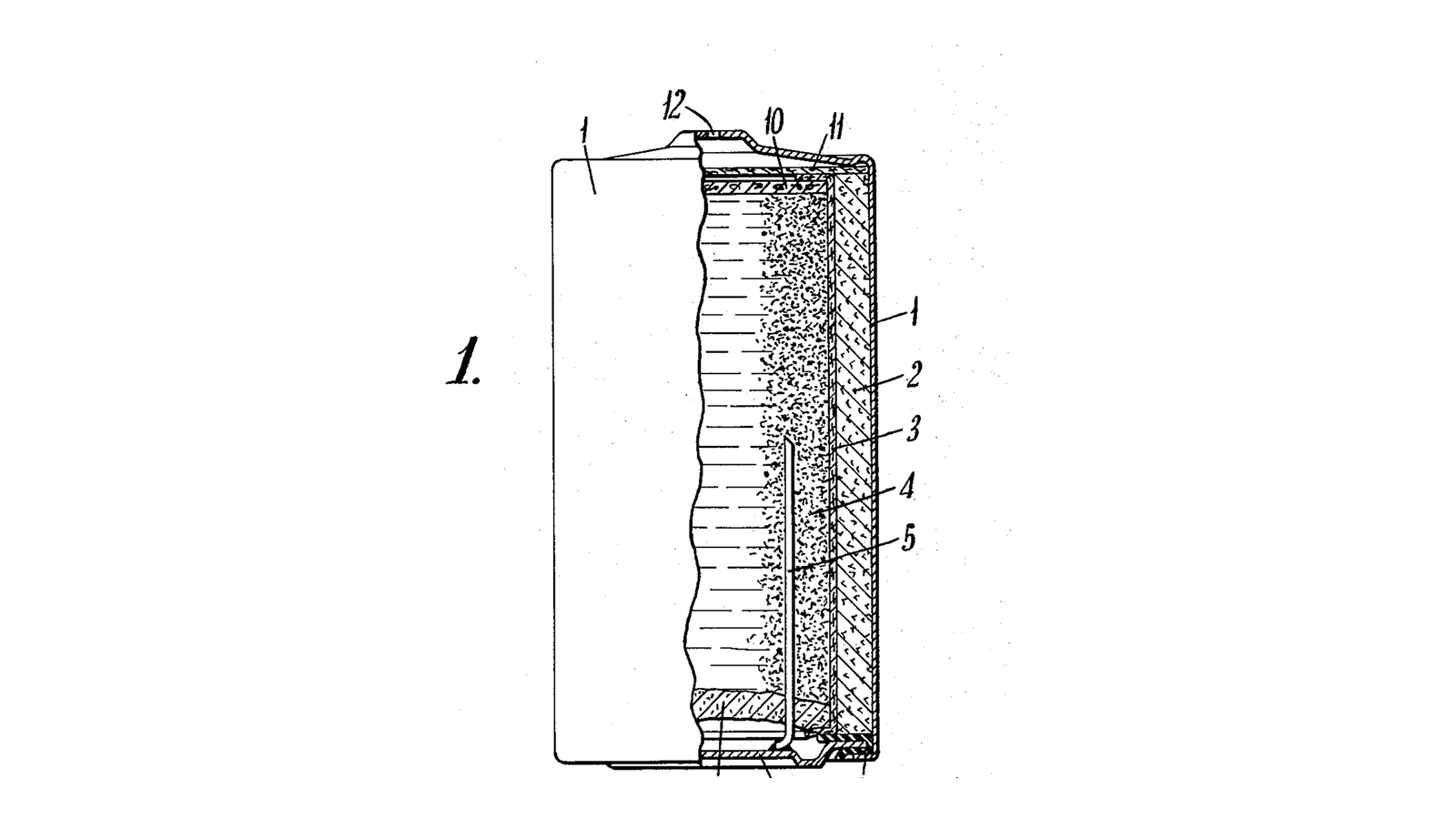
**US 4,623,597**, Krishna Sapru, Benjamin Reichman, Arie Reger and Stanford R. Ovshinsky, assigned to Energy Conversion Devices, priority 28. April 1982, filed 25. November 1985, granted 18. November 1986. It claims "a hydrogen rechargeable anode of a disordered non-equilibrium multicomponent material".
**That word "disordered" is the invention.** Conventional materials science says make the crystal as perfect as you can. Ovshinsky spent a career arguing the opposite: a perfect crystal offers every hydrogen atom an identical site, so it works beautifully at one temperature and one pressure and poorly everywhere else. Spoil the order deliberately - many elements, no long-range structure - and you get a SPREAD of binding sites. Slightly worse at the optimum, far better across the range of conditions a real battery actually meets.
The result gives two to three times the capacity of a NiCd cell of the same size, contains no cadmium, and is what was in almost every rechargeable AA sold between the mid-1990s and the arrival of cheap lithium.
**What you build here.** A working cell, with the hydride electrode HARVESTED from a spent commercial cell rather than synthesised - AB5 alloys need arc melting under argon, and recovering a working electrode from something on its way to a recycling bin is both achievable and the more interesting exercise. The positive electrode you make yourself, by the same route as the Jungner blueprint.
Nickel compounds are toxic as dust and the electrolyte is severely caustic. Gated for the first.
Trung cấp
4 hours, plus a week of self-discharge measurement
Nội dung nguy hiểm
Blueprint này chứa các quy trình nguy hiểm. Đăng nhập và bật nội dung nguy hiểm trong cài đặt tài khoản của bạn để xem hướng dẫn từng bước.
Blueprint liên quan
Các blueprint này chia sẻ kiến thức — kỹ thuật, vật liệu hoặc nguyên tắc

CC0 Phạm vi công cộng
Bản thiết kế này được phát hành theo CC0. Bạn tự do sao chép, sửa đổi, phân phối và sử dụng cho bất kỳ mục đích nào mà không cần xin phép.
Hỗ trợ nhà sáng tạo bằng cách mua sản phẩm qua bản thiết kế, nơi họ nhận Hoa hồng nhà sáng tạo do nhà bán hàng đặt, hoặc tạo phiên bản mới và kết nối trong bản thiết kế riêng để chia sẻ doanh thu.