NGHỆ THUẬT
LÀM ĐẸP VÀ SỨC KHỎE
THỦ CÔNG
VĂN HÓA VÀ LỊCH SỬ
GIẢI TRÍ
MÔI TRƯỜNG
THỰC PHẨM VÀ ĐỒ UỐNG
KỸ THUẬT NGƯỢC
KHOA HỌC
THỂ THAO
CÔNG NGHỆ
THIẾT BỊ ĐEO
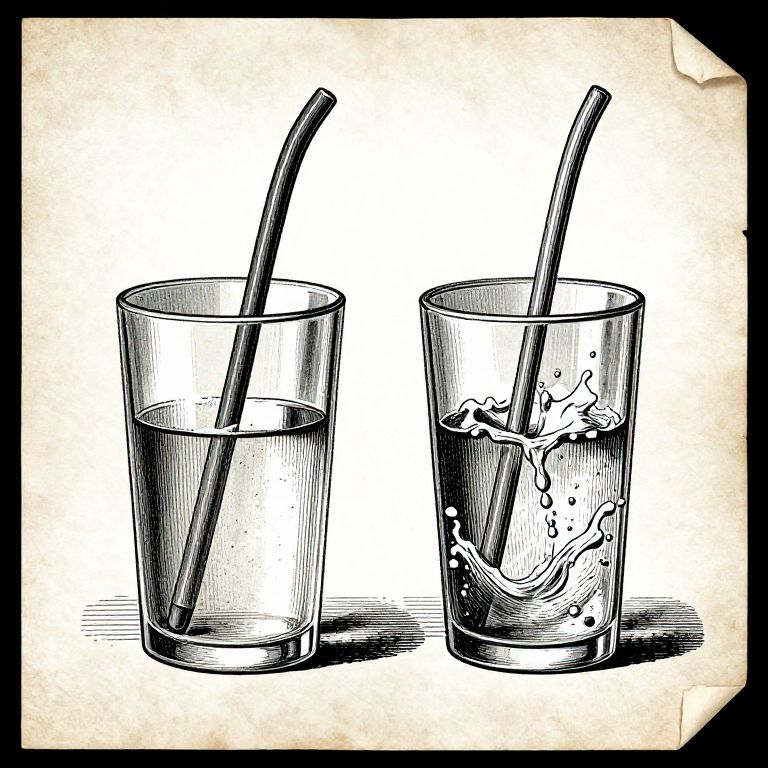


Oxygen: Wanted for an Hour, Ruinous for Ever After
There is exactly one moment in a ferment when air is welcome, and it is before the yeast starts working. After that, every bubble of air that reaches the liquid is doing damage that cannot be undone.
Oxygen reacts with compounds in beer and wine to produce stale, papery, sherry-like flavours, and it browns the colour. It also lets aerobic spoilage organisms — acetic acid bacteria above all — turn a drink into vinegar.
Which makes the whole back half of brewing an exercise in not splashing. Racking, bottling, and every transfer is a chance to dissolve air, and the technique for each one is designed around that single fact.
Trung cấp
2 hours
Hướng dẫn
1
1
Aerate hard before pitching, and never after
Aerate hard before pitching, and never after
Cool wort holds oxygen; hot wort does not, and hot wort exposed to air oxidises immediately. So aeration happens AFTER chilling and BEFORE the yeast goes in, and at no other time.
Shaking a sealed fermenter for a minute, splashing between vessels, or an aquarium pump through a sanitised stone all work. Pure oxygen through a stone is faster and is what commercial breweries use.
Mead and wine are slightly different: they benefit from small deliberate oxygen doses in the first few days, while the yeast is still growing, because honey and juice are short of the nutrients that let yeast build membranes. After the first third of the ferment, the rule reverts.
Vật liệu cho bước này:
 Nước1 lít
 Mật ong1 cái
Công cụ cần thiết:
 Bình thủy tinh lên men
 Van sủi lên men
 Nhiệt kế đọc nhanh
2
2
Rack quietly, under the surface, and only when you must
Rack quietly, under the surface, and only when you must
Siphon rather than pour, and put the end of the tube at the BOTTOM of the receiving vessel so the liquid fills from below and never splashes or falls through air.
Every transfer picks up some oxygen however careful you are, so the best transfer is the one you do not do. Racking to a secondary vessel used to be routine advice and is now considered unnecessary for most beers — the clarity gained rarely justifies the oxygen taken on.
Where racking IS needed — long ageing, bulk ageing of mead or wine, getting off a heavy sediment before months in the vessel — do it once, quietly, and fill the receiving vessel as full as possible.
Vật liệu cho bước này:
Nước1 lítCông cụ cần thiết:
 Ống xi phông tự độngBình thủy tinh lên men
 Bộ tẩy rửa và sát trùng nấu bia
3
3
Headspace is stored oxygen
Headspace is stored oxygen
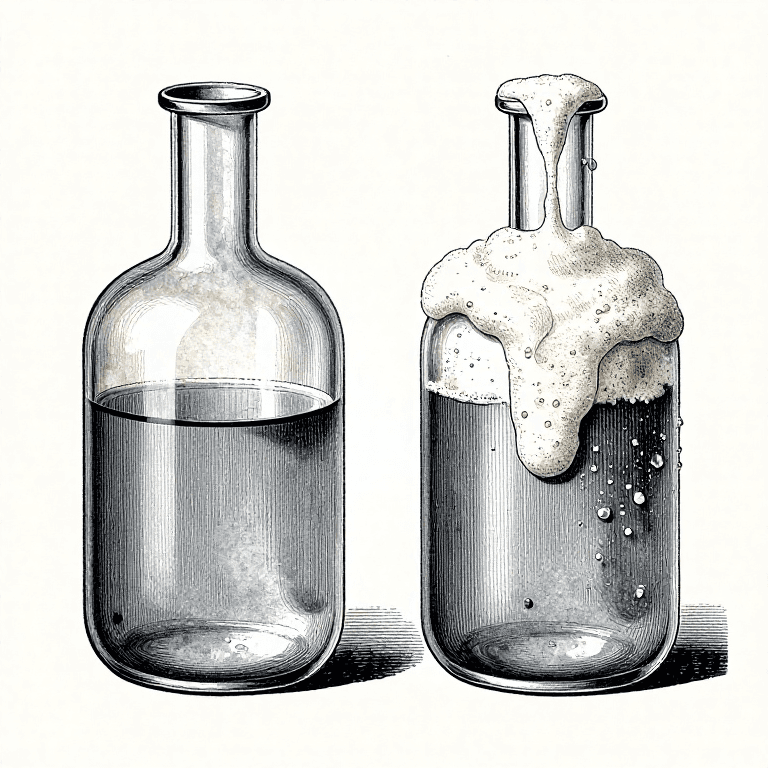
The air above the liquid in a vessel is a reservoir that will slowly dissolve in. During active fermentation it does not matter — the CO2 being produced purges it and forms a blanket. After fermentation stops, it does.
So a vessel used for ageing should be filled nearly to the airlock, and a half-full carboy left for six months will oxidise regardless of how good the airlock is. Top up with more of the same liquid, or use a smaller vessel.
CO2 is heavier than air and does form a protective layer, which is why an active ferment is safe with a large headspace. Relying on that blanket weeks after activity has stopped is the mistake, because it is slowly lost every time the vessel is moved or opened.
Vật liệu cho bước này:
Nước1 lítCông cụ cần thiết:
Bình thủy tinh lên menVan sủi lên men Bình lên men (bình thủy tinh cổ hẹp)
4
4
The aerobic ferments are the exceptions that prove it
The aerobic ferments are the exceptions that prove it
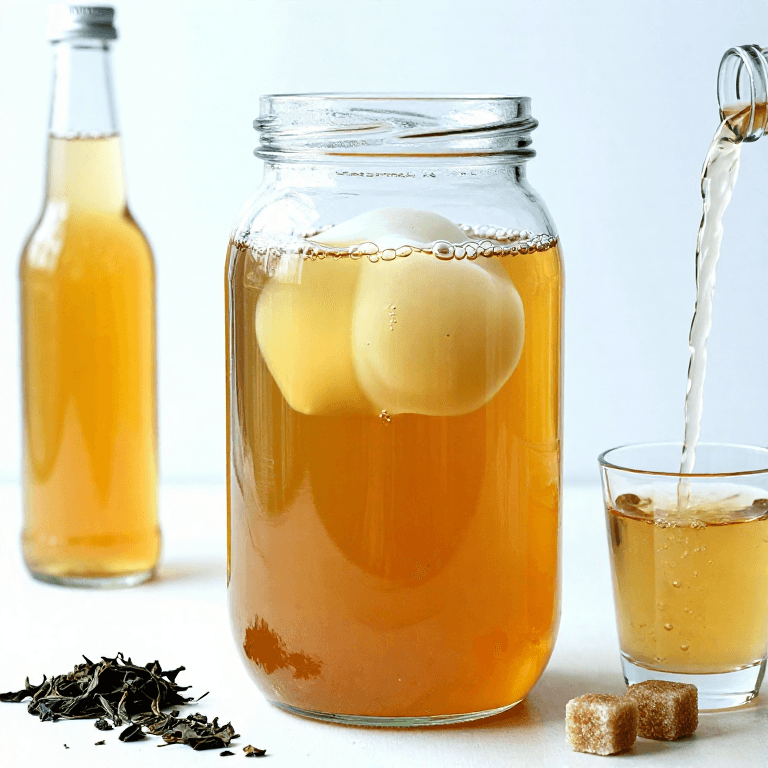
Kombucha and vinegar REQUIRE air. Both depend on aerobic organisms — acetic acid bacteria — sitting at the surface, and both are covered with cloth rather than an airlock for exactly that reason.
So the rule is not 'oxygen is bad'. It is that oxygen selects for a different set of organisms, and you get to choose which set you want. An airlock excludes them; a cloth cover invites them.
Which is the sanitation rung's argument again. Every one of these decisions — sanitiser, salt, airlock, cloth, temperature — is a way of tilting a competition, and knowing which competitor you are favouring is what makes an unfamiliar ferment predictable.
Vật liệu cho bước này:
Nước1 lítCông cụ cần thiết:
Van sủi lên menBình lên men (bình thủy tinh cổ hẹp)Công cụ yêu cầu
6- Bình thủy tinh lên menHoa hồng 10%Tạm thời
- Tạm thời
- Tạm thời
- Tạm thời
- Bộ tẩy rửa và sát trùng nấu biaHoa hồng 10%Tạm thời
Blueprint liên quan
Các blueprint này chia sẻ kiến thức — kỹ thuật, vật liệu hoặc nguyên tắc
CC0 Phạm vi công cộng
Bản thiết kế này được phát hành theo CC0. Bạn tự do sao chép, sửa đổi, phân phối và sử dụng cho bất kỳ mục đích nào mà không cần xin phép.
Hỗ trợ nhà sáng tạo bằng cách mua sản phẩm qua bản thiết kế, nơi họ nhận Hoa hồng nhà sáng tạo do nhà bán hàng đặt, hoặc tạo phiên bản mới và kết nối trong bản thiết kế riêng để chia sẻ doanh thu.