NGHỆ THUẬT
LÀM ĐẸP VÀ SỨC KHỎE
THỦ CÔNG
VĂN HÓA VÀ LỊCH SỬ
GIẢI TRÍ
MÔI TRƯỜNG
THỰC PHẨM VÀ ĐỒ UỐNG
KỸ THUẬT NGƯỢC
KHOA HỌC
THỂ THAO
CÔNG NGHỆ
THIẾT BỊ ĐEO
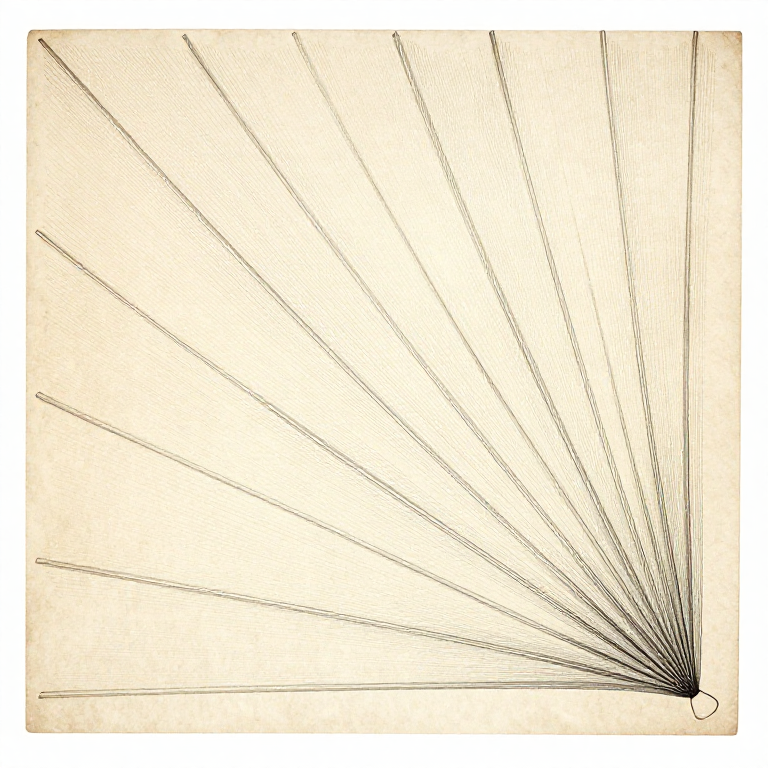


Fitting: Read the Wrinkles, Because They Point at the Problem
A badly fitting garment is not randomly wrong. The wrinkles in it are the cloth reporting where it has too much material and where it has too little, and they point almost literally at the cause.
The rule: **wrinkles point at the problem.** Diagonal drag lines radiating from a spot mean the cloth is being pulled toward that spot because there is not enough of it there. Horizontal folds mean there is too much length; vertical folds mean too much width.
Once that is read rather than guessed at, fitting stops being a matter of taste and becomes a diagnosis — which is the same move the machine-listening and glaze-fault rungs make in their own workshops.
Nâng cao
4 hours
Hướng dẫn
1
1
Check the grain first, before any wrinkle
Check the grain first, before any wrinkle
Put the toile on and look at where the grain is sitting, not at where the wrinkles are. The lengthwise grain should hang straight down from shoulder to hem; the crosswise grain should run level across the bust and the hip.
If the grain is off, nothing else read from the garment is reliable, because every fold is a consequence of the whole thing hanging crooked. Correct the hanging first — usually at the shoulder — and look again.
Mark the grain lines on the toile in pen before trying it on. A bold line down the centre front, centre back and across the bust makes what would otherwise be a subjective judgement completely obvious.
Vật liệu cho bước này:
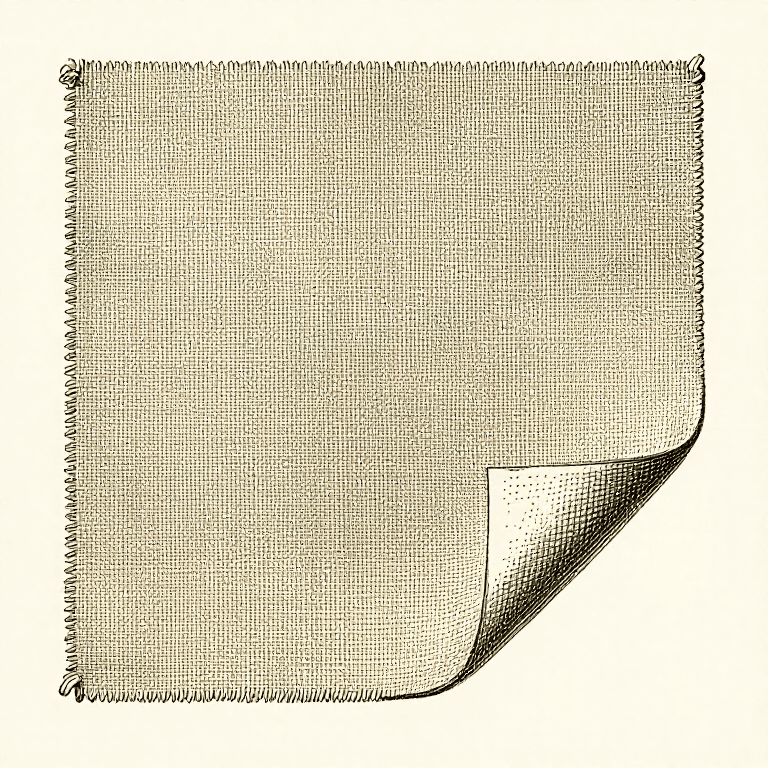
 Vải muslin cô tông1 metre
Công cụ cần thiết:
 Phấn thợ may
 Thước dây cuộn
 Kim ghim khâu
2
2
What each kind of fold means
What each kind of fold means
DIAGONAL lines radiating from a point: the cloth is short in that direction and is being dragged. Lines pointing at the bust mean it needs more room there; lines from the shoulder to the underarm mean the armhole or the shoulder is wrong.
HORIZONTAL folds sitting in a band: too much LENGTH above them. A band of folds under the seat means the back rise is too long; a fold across the upper back means the back is too long between neck and shoulder blade.
VERTICAL folds: too much WIDTH. Loose vertical ripples down the back mean the back is wider than the body needs. Both kinds can appear at once, and the length problem is corrected first, because correcting length moves where the width is measured.
Vật liệu cho bước này:
Vải muslin cô tông1 metreCông cụ cần thiết:
Kim ghim khâuPhấn thợ may3
3
Pin the correction on, then measure it off
Pin the correction on, then measure it off
Pin out the excess where it is, on the body, with the pins running along the line the new seam should take. That is a direct physical answer to the question rather than an estimate.
Then take the garment off and MEASURE what was pinned, and transfer that measurement to the paper pattern. The pinned toile is evidence; the pattern is the record, and only the pattern can be used again.
Correct both sides unless the body is genuinely asymmetric — and many are. Where it is, fit each side separately and mark the pattern pieces left and right, because from that point they are no longer mirror images.
Vật liệu cho bước này:
Vải muslin cô tông1 metre Giấy1 cái
Công cụ cần thiết:
Kim ghim khâuThước dây cuộn Thước kẻ
4
4
Fit in a fixed order, and keep the pattern
Fit in a fixed order, and keep the pattern
Shoulders and neckline first, because the whole garment hangs from them and every other measurement moves when they do. Then bust and back width, then waist, then hip, then sleeves, then length last.
That order is not tradition; it follows from what depends on what. Hemming before the shoulders are right means hemming twice, and the second hem is always shallower than you wanted.
Then keep the corrected pattern, labelled, dated, with a note of what was changed and why. A pattern fitted once is a template for everything afterwards, and that — rather than any single garment — is what an afternoon of fitting actually buys.
Vật liệu cho bước này:
Giấy1 cáiCông cụ cần thiết:
Thước dây cuộnBlueprint liên quan
Các blueprint này chia sẻ kiến thức — kỹ thuật, vật liệu hoặc nguyên tắc

CC0 Phạm vi công cộng
Bản thiết kế này được phát hành theo CC0. Bạn tự do sao chép, sửa đổi, phân phối và sử dụng cho bất kỳ mục đích nào mà không cần xin phép.
Hỗ trợ nhà sáng tạo bằng cách mua sản phẩm qua bản thiết kế, nơi họ nhận Hoa hồng nhà sáng tạo do nhà bán hàng đặt, hoặc tạo phiên bản mới và kết nối trong bản thiết kế riêng để chia sẻ doanh thu.