NGHỆ THUẬT
LÀM ĐẸP VÀ SỨC KHỎE
THỦ CÔNG
VĂN HÓA VÀ LỊCH SỬ
GIẢI TRÍ
MÔI TRƯỜNG
THỰC PHẨM VÀ ĐỒ UỐNG
KỸ THUẬT NGƯỢC
KHOA HỌC
THỂ THAO
CÔNG NGHỆ
THIẾT BỊ ĐEO
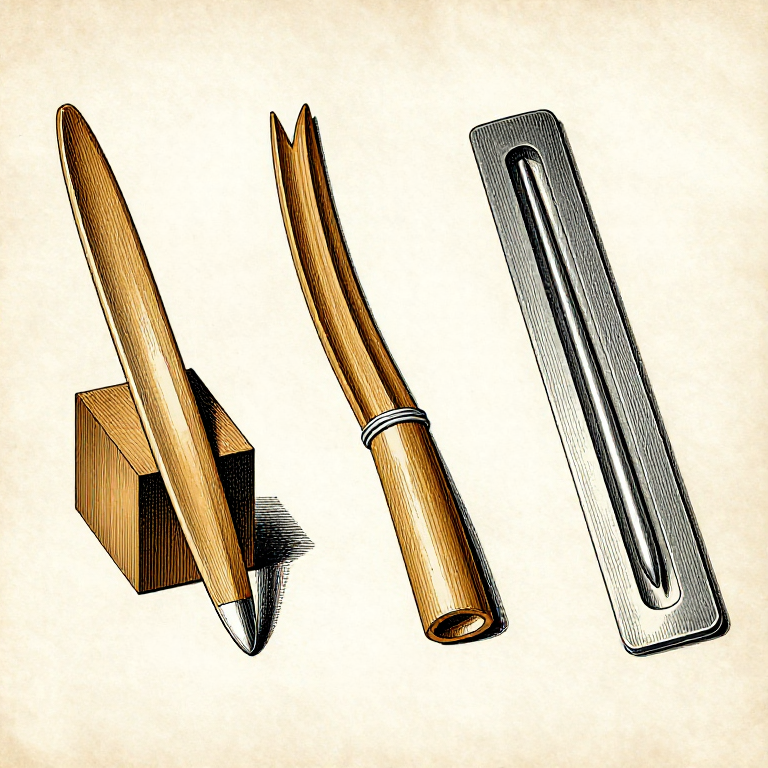


Reeds That Speak: Beating, Double and Free
A reed is a valve that opens and closes hundreds of times a second, chopping a steady breath into a train of puffs. Everything downstream — the bore, the tone holes, the bell — shapes what those puffs become.
There are three families and they work differently enough that a maker has to know which one is in hand. A **beating** reed slaps against a fixed surface. A **double** reed beats against another reed. A **free** reed swings through a slot it just fits and touches nothing at all.
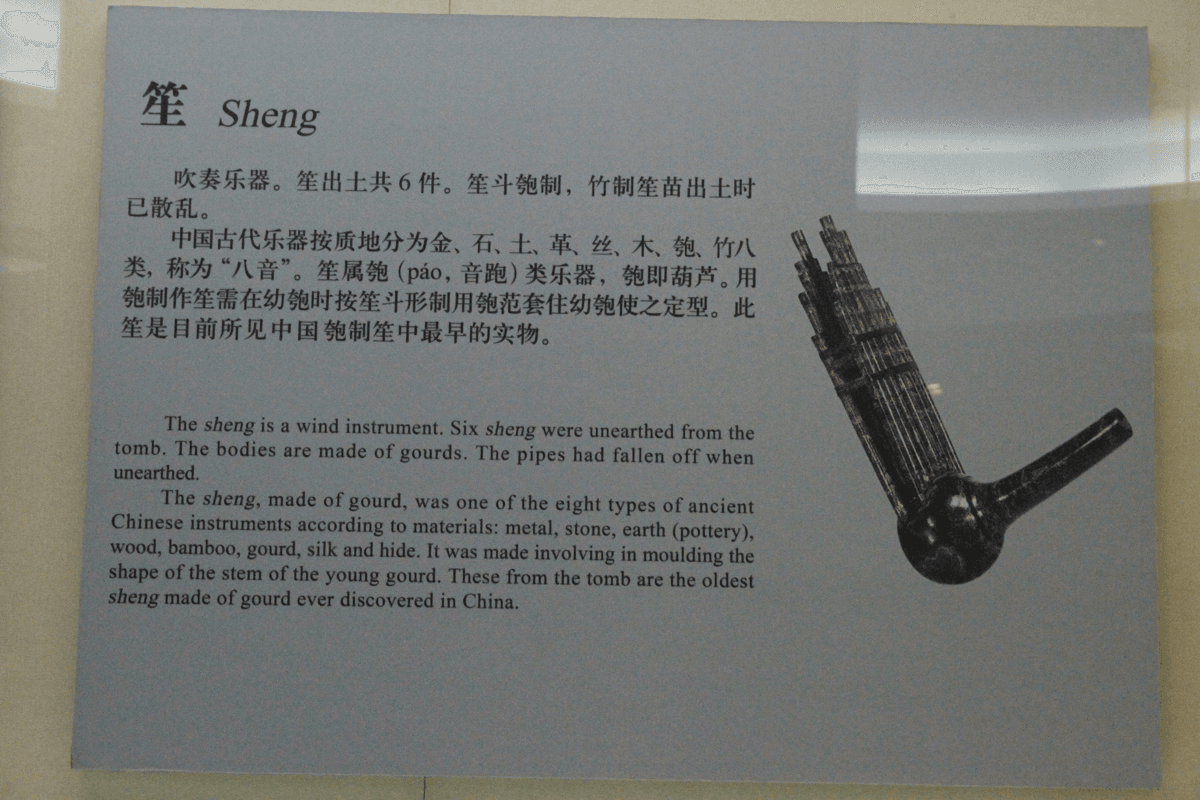
The first two let the air column set the pitch. The third sets its own, which is why the sheng and the khaen behave so unlike a clarinet.
Nâng cao
5 hours
Hướng dẫn
1
1
Beating reeds: the air column is in charge
Beating reeds: the air column is in charge
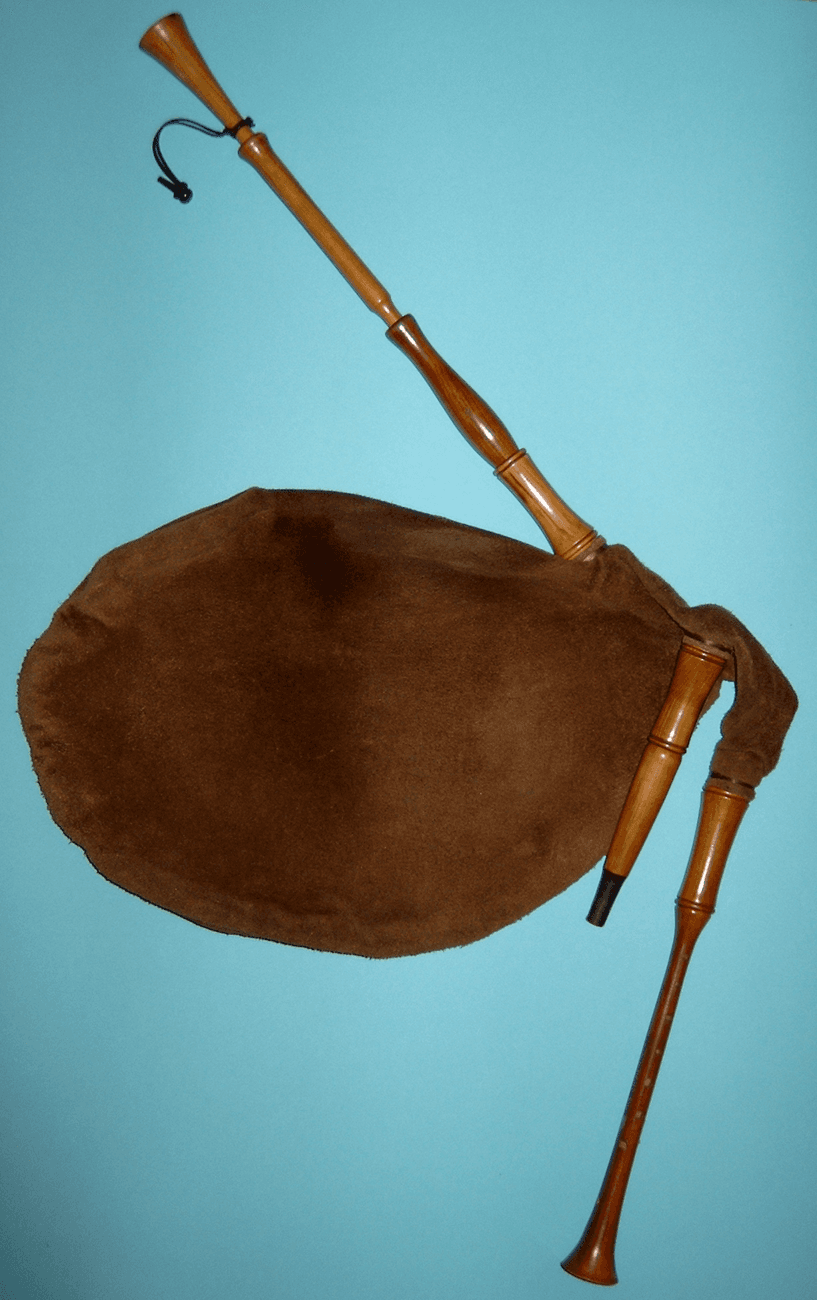
A single beating reed — a clarinet's, a bagpipe drone's, the idioglot tongue cut into the wall of a cane tube in the oldest instruments — is a flexible tongue held over an opening. Air flowing past it pulls it closed, the flow stops, the pressure equalises, it springs open, and the cycle repeats.
The crucial fact for the maker: **the reed does not choose the frequency, the air column does.** A reed whose own natural frequency is well above the pipe's resonance will be driven at the pipe's frequency. That is why one clarinet reed plays every note on the instrument.
What the reed's own stiffness decides is the RANGE it can be driven over, and how hard it is to play. Too soft and it slams shut under pressure and stops speaking; too hard and it barely moves and the instrument is exhausting to play.
A reed acts as a closed end, so a cylindrical reed pipe overblows to the twelfth and gives only odd harmonics — the same physics the bore rung worked through.
Vật liệu cho bước này:
 Bộ dăm kèn clarinet (độ cứng 2.5)1 gói
 Sậy khô2 cái
Công cụ cần thiết:
 Thước cặp điện tử 6 inch
 Bộ giũa kim
2
2
Double reeds: two blades, and the scrape is the instrument
Double reeds: two blades, and the scrape is the instrument
A double reed is two blades of cane bound around a tube, meeting at the tip. They beat against each other rather than against a table.
Almost all of the tone is in the **scrape** — the profile to which the blades are thinned. A blade is thickest at the spine and thinnest at the tip, and how that thickness falls away decides the pitch, the response and the sound. The scrape is measured in hundredths of a millimetre and it is why reed making is the craft it is.
Cane is *Arundo donax*, grown for the purpose, cut, sun-dried and seasoned for a year or more. The reed is split from a tube, gouged to an even thickness on the inside, shaped, folded, bound to a staple and then scraped.
Work from the calculation of nothing and the tip outwards: scrape a little, play it, scrape a little more. Cane cannot be put back, which makes this the same discipline as the tone hole rung.
A finished reed lasts a matter of weeks in use, so a player of an oboe, a bassoon or a shawm is a reed maker whether they wanted to be or not.
Vật liệu cho bước này:
 Bộ làm dăm kèn oboe1 cáiSậy khô3 cái
Công cụ cần thiết:
Thước cặp điện tử 6 inch PanmeBộ giũa kim
 Giấy nhám mịn
3
3
Free reeds: the tongue sets its own pitch
Free reeds: the tongue sets its own pitch
A free reed is a tongue cut so that it swings THROUGH its frame rather than onto it. It never closes the gap, so the airflow is modulated rather than chopped, and the tongue vibrates at its own natural frequency.
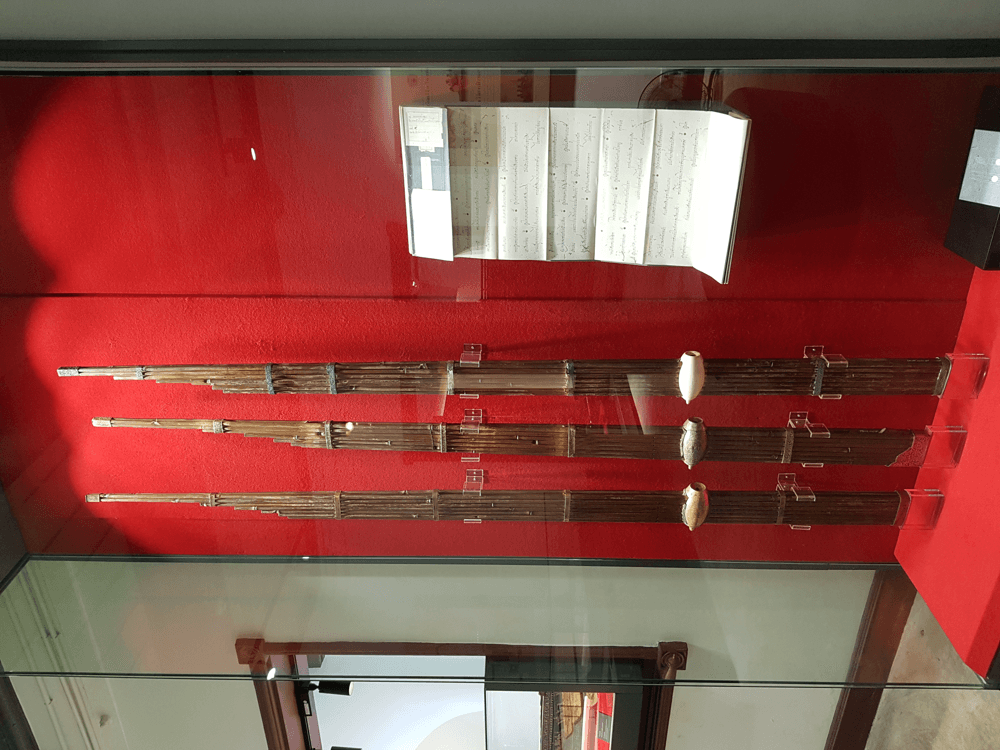
That changes everything for the maker. **One reed gives one note.** A sheng, a khaen, an accordion or a harmonica needs a separate reed for every pitch, and each is tuned individually.
Tuning is done by removing metal, and where matters:
**Thin the tongue near its free TIP** and you remove mass from where the motion is greatest. The pitch goes UP.
**Thin it near the fixed ROOT** and you remove stiffness from where the bending happens. The pitch goes DOWN.
Those two are the entire tuning vocabulary of every free-reed instrument, and they are worth testing on scrap before touching a finished reed.
The pipe over a free reed is a resonator that reinforces and colours the note the tongue has already chosen. It is tuned to the reed, not the other way about — the opposite of a clarinet.
Vật liệu cho bước này:
 Lá đồng thau mỏng (làm dăm kèn)2 cái
 Tre2 cái
 Sáp ong1 cái
Công cụ cần thiết:
Bộ giũa kimThước cặp điện tử 6 inch Máy lên dây bán cung và máy đếm nhịp (kẹp)
 Bộ căn lá
4
4
Seasoning, sealing and why reeds die
Seasoning, sealing and why reeds die
**Cane has to be seasoned.** Freshly cut *Arundo* is full of water and sugars; reeds made from it warp and go soft within days. A year of drying under cover, and two is better. This is the same requirement as any instrument timber and for the same reason.
**A cane reed dies from waterlogging and from fatigue.** The cane takes up moisture from the breath, the fibres soften, and the carefully scraped profile becomes a limp one. Drying between sessions extends its life; nothing saves it in the end.
**A metal free reed dies from fatigue or dirt.** The tongue is a spring bent millions of times; it eventually cracks at the root. Long before that, dust or a hair in the slot stops it dead — which is the commonest fault on an old accordion, and it is fixed with a sliver of paper, not a file.
**Seal the wind way.** On a free-reed instrument the reed is waxed into its plate, and any leak past it is air that does no work. Beeswax with a little rosin is the traditional mix and it is still what is used. A sheng or a khaen that has gone quiet and hard to blow usually needs its wax renewed, not its reeds replaced.
Vật liệu cho bước này:
Sậy khô3 cáiSáp ong1 cáiLá đồng thau mỏng (làm dăm kèn)1 cáiCông cụ cần thiết:
Thước cặp điện tử 6 inchBộ giũa kimVật liệu
6- Tạm thời
- 3 cáiTạm thời
- 1 cáiTạm thời
- Tạm thời
- 2 cáiTạm thời
- 2 cáiTạm thời
Blueprint liên quan
Các blueprint này chia sẻ kiến thức — kỹ thuật, vật liệu hoặc nguyên tắc
CC0 Phạm vi công cộng
Bản thiết kế này được phát hành theo CC0. Bạn tự do sao chép, sửa đổi, phân phối và sử dụng cho bất kỳ mục đích nào mà không cần xin phép.
Hỗ trợ nhà sáng tạo bằng cách mua sản phẩm qua bản thiết kế, nơi họ nhận Hoa hồng nhà sáng tạo do nhà bán hàng đặt, hoặc tạo phiên bản mới và kết nối trong bản thiết kế riêng để chia sẻ doanh thu.