NGHỆ THUẬT
LÀM ĐẸP VÀ SỨC KHỎE
THỦ CÔNG
VĂN HÓA VÀ LỊCH SỬ
GIẢI TRÍ
MÔI TRƯỜNG
THỰC PHẨM VÀ ĐỒ UỐNG
KỸ THUẬT NGƯỢC
KHOA HỌC
THỂ THAO
CÔNG NGHỆ
THIẾT BỊ ĐEO
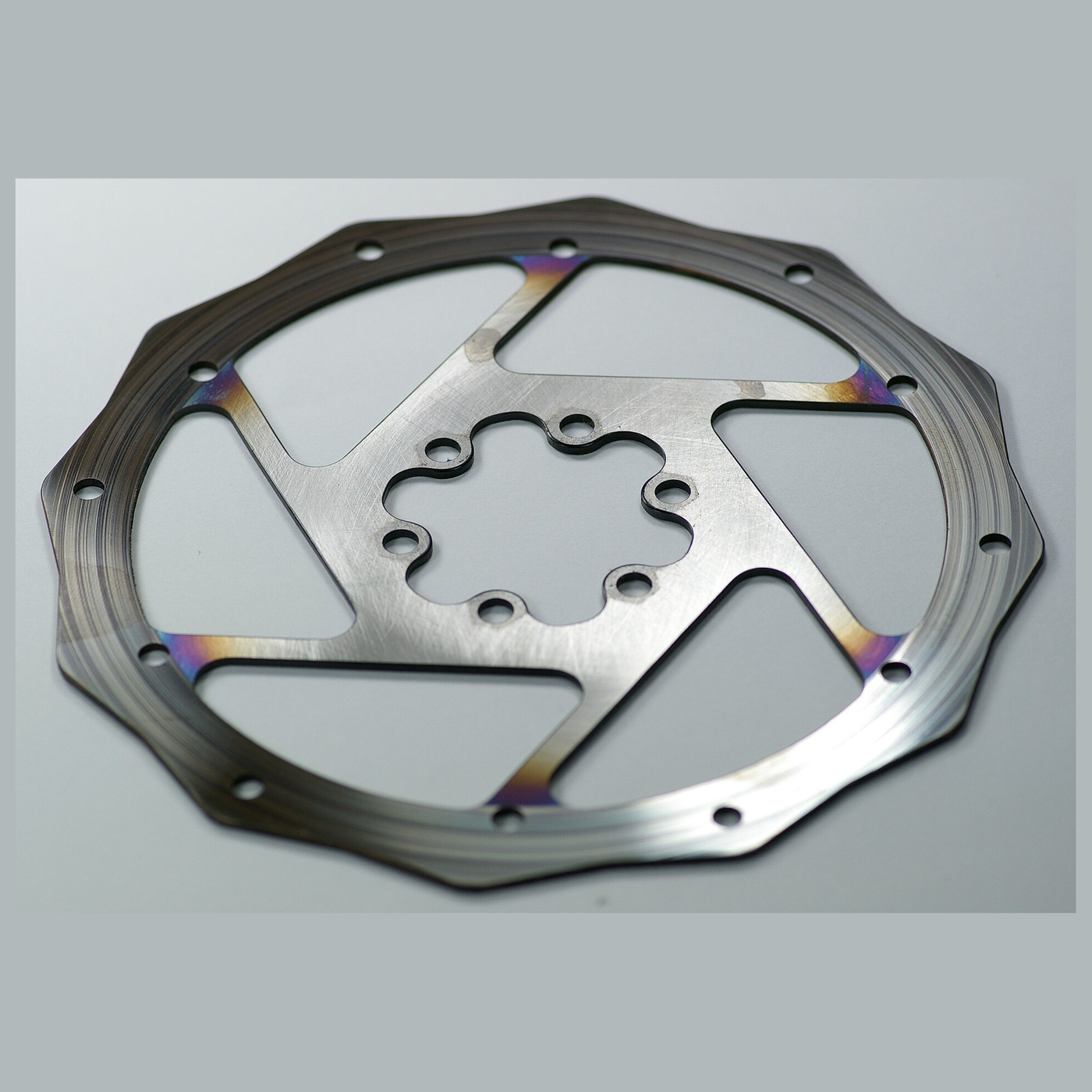


The Disc Brake: A Stop Is Heat, and the Disc Can Get Rid of It
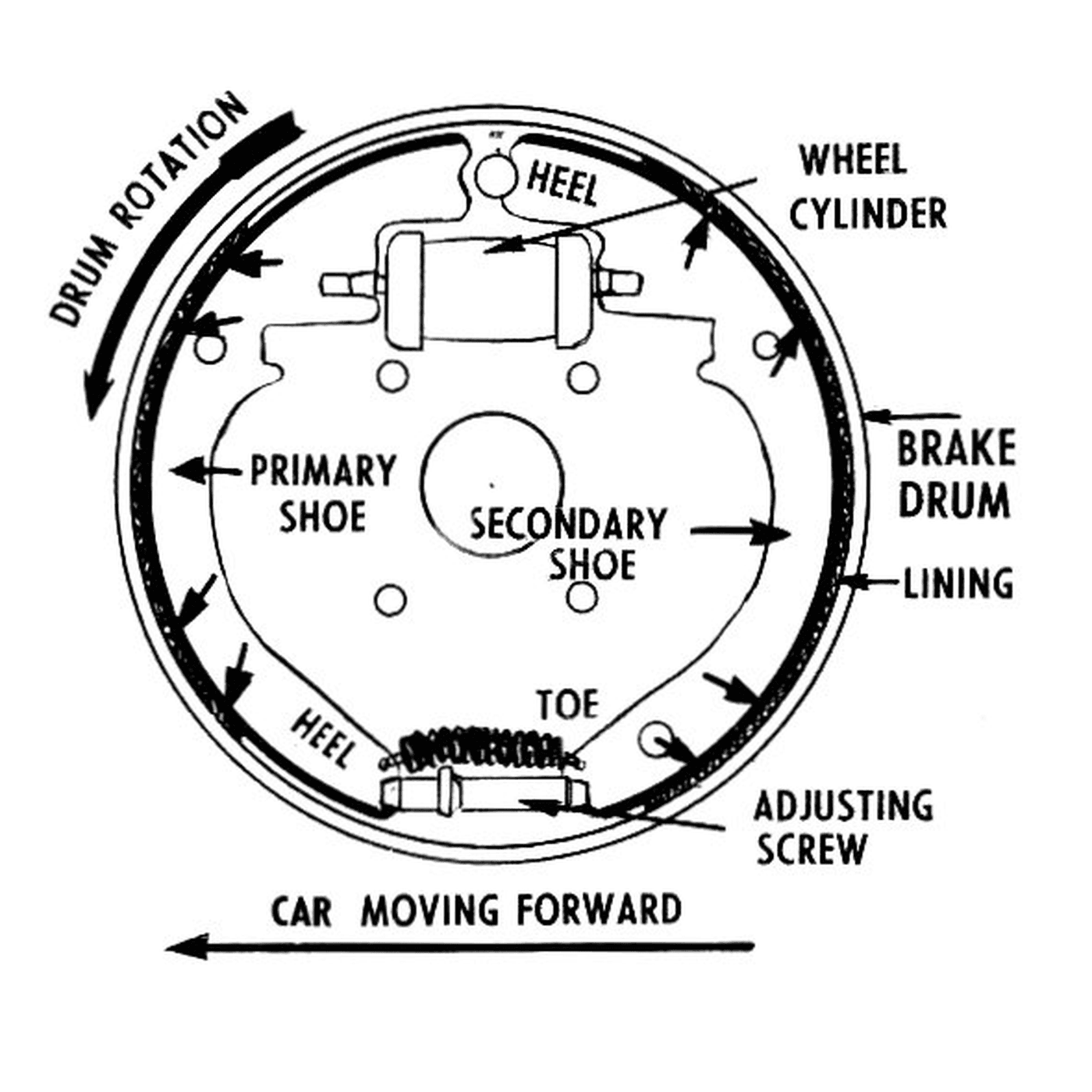
Frederick Lanchester, in Birmingham in 1902, fitted a car with a brake that clamped a disc between two pads, like a bicycle's calliper brake closing on a flat plate instead of a rim. The idea came back strongly in the 1950s, when faster cars were fading their drum brakes on long descents.
A brake turns the car's energy of motion into heat, and in a hard stop that heat has nowhere to go but into the brake itself. A disc's friction faces are open to the air, and a ventilated disc pumps air through its middle as it turns; there is no self-servo, so the braking stays steady as the pads heat.
This rung works out how hot a disc gets per stop and how hard the calliper must clamp, and measures a real disc's temperature after braking.
Trung cấp
About 2 hours
Hướng dẫn
1
1
Energy per stop and clamping force
Energy per stop and clamping force
Đang tải sổ tay Jupyter…
2
2
Measure a disc after braking
Measure a disc after braking
On a bicycle with disc brakes (or a car, with its owner's help and on private ground), measure the disc temperature with the infrared thermometer before a stop, then brake firmly from a steady speed to a halt and measure again straight away — on the braking surface, not the shiny spokes. Repeat three stops in quick succession and watch the temperature climb: each stop adds heat faster than the disc can lose it.
Wait five minutes and measure again: most of the heat has gone. That cooling rate is what a ventilated disc improves.
Do not touch a disc after braking; it can be well over 100 °C. Look at the pads through the calliper: glazed, shiny pads have been overheated.
Công cụ cần thiết:
 Nhiệt kế hồng ngoại
 Đồng hồ bấm giờ
 Găng tay da bảo hộ
3
3
History and context
History and context
**Frederick William Lanchester, Birmingham, 1902** — a calliper disc brake on a motor car. No patent number is asserted here. Disc brakes spread in aircraft in the 1930s and 40s; in cars they came back in the 1950s, when Jaguar raced with them at Le Mans in 1953, and from the 1960s they became standard at the front.
**Honest limits.** No self-servo, so a disc needs more clamping force than a drum — hence the servo assistance on most cars. Exposed discs collect water and dirt. And a disc can only absorb so much before its pads fade too: sustained descents still call for engine braking.
Công cụ yêu cầu
3- Tạm thời
- Tạm thời
- Tạm thời
Blueprint liên quan
Các blueprint này chia sẻ kiến thức — kỹ thuật, vật liệu hoặc nguyên tắc

CC0 Phạm vi công cộng
Bản thiết kế này được phát hành theo CC0. Bạn tự do sao chép, sửa đổi, phân phối và sử dụng cho bất kỳ mục đích nào mà không cần xin phép.
Hỗ trợ nhà sáng tạo bằng cách mua sản phẩm qua bản thiết kế, nơi họ nhận Hoa hồng nhà sáng tạo do nhà bán hàng đặt, hoặc tạo phiên bản mới và kết nối trong bản thiết kế riêng để chia sẻ doanh thu.