NGHỆ THUẬT
LÀM ĐẸP VÀ SỨC KHỎE
THỦ CÔNG
VĂN HÓA VÀ LỊCH SỬ
GIẢI TRÍ
MÔI TRƯỜNG
THỰC PHẨM VÀ ĐỒ UỐNG
KỸ THUẬT NGƯỢC
KHOA HỌC
THỂ THAO
CÔNG NGHỆ
THIẾT BỊ ĐEO
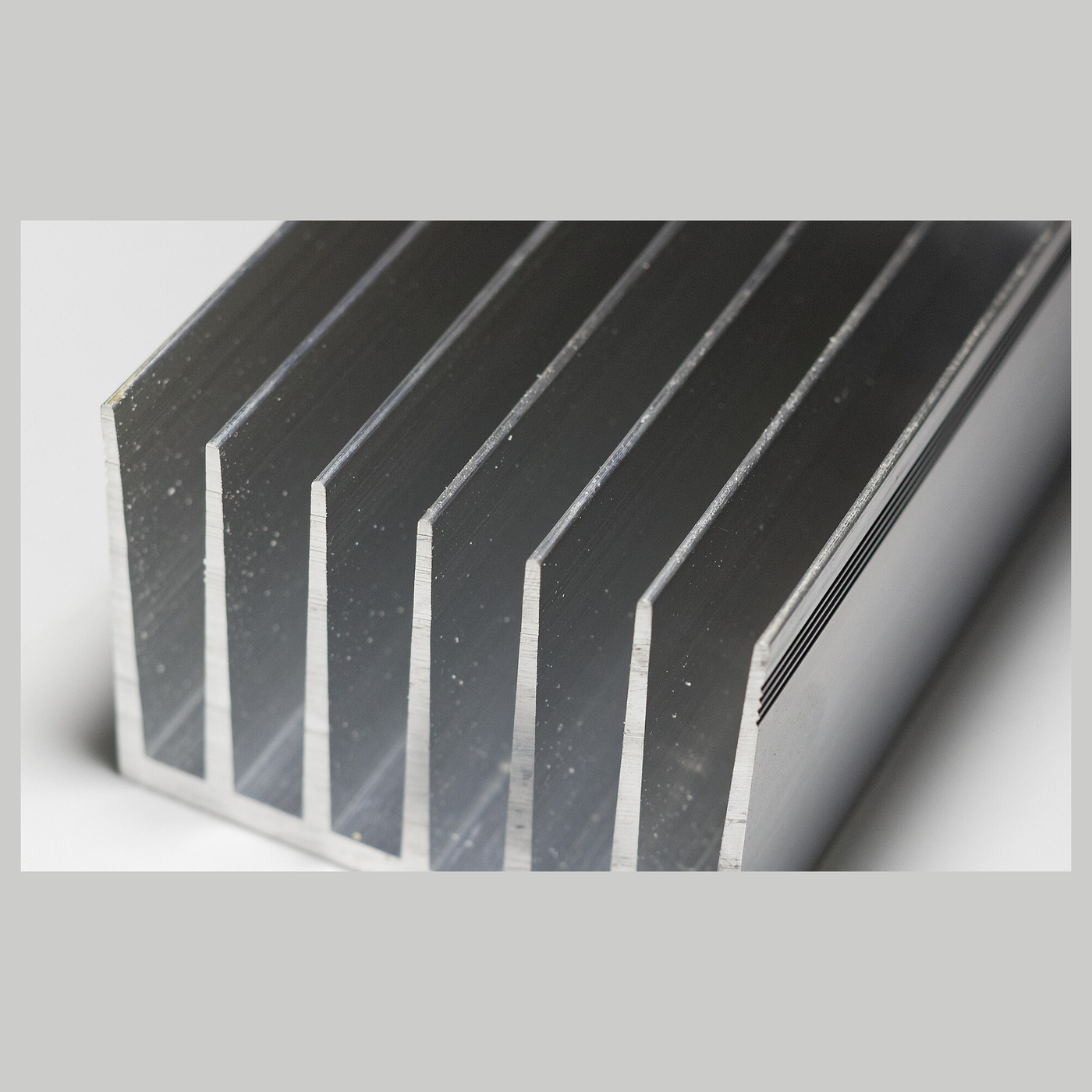

Fins and the Heat Sink: A Fin That Is Too Long Does Nothing
Every heat exchanger in this batch is limited by its gas side: air takes heat from a surface reluctantly. The answer is more surface — fins on a motorcycle cylinder, on a car radiator's tubes, on an air-conditioner's coil, on the aluminium block clipped to a computer chip.
But a fin is not free surface. Heat has to be conducted out along it, so its tip is cooler than its root, and past a certain length the extra metal does almost nothing. Fin efficiency is the idea that decides what fins are made of and how long they are.
This rung works out fin efficiency for four metals and two air speeds, then measures real heat sinks on a hot power resistor, with and without a fan, in kelvin per watt.
Cơ bản
About 3 hours
Hướng dẫn
1
1
Fin efficiency, and where a fin stops helping
Fin efficiency, and where a fin stops helping
Đang tải sổ tay Jupyter…
2
2
Measure thermal resistance in kelvin per watt
Measure thermal resistance in kelvin per watt
Take a 10 W power resistor. Run it from the bench power supply at a known power — for example 5 W: set the voltage to √(5 × R) — and read the current to confirm.
Tape a waterproof temperature probe to the resistor body and log its temperature until it stops rising, for four arrangements:
1. bare, lying on a wooden block;
2. clipped to a small heat sink with a thin layer of thermal paste;
3. on the largest heat sink in the assortment;
4. on the same large sink with a small fan blowing across it.
For each, **thermal resistance = (resistor temperature − air temperature) ÷ power**, in K/W. Expect the bare resistor to be many times worse than the fan-cooled sink. Try the large sink without paste: the rise shows how much a dry contact adds.
Vật liệu cho bước này:
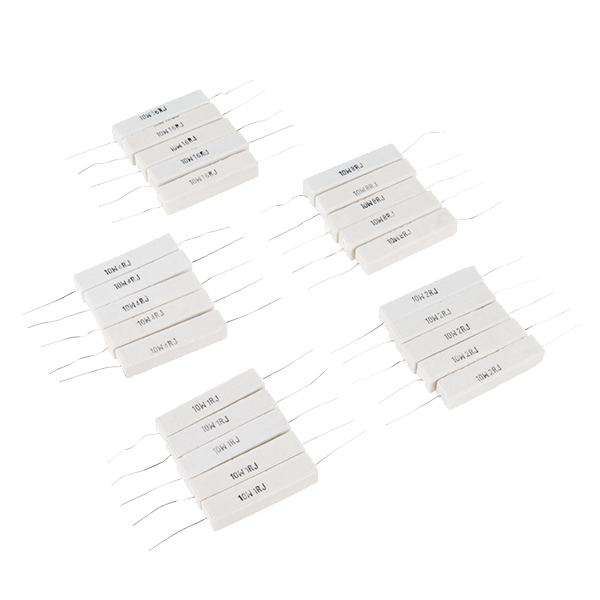 Power Resistor Kit - 10W (25 pack)1 gói
 Bộ tản nhiệt (nhôm)1 bộ
 Keo tản nhiệt (Arctic Silver)1 cái
 Dây nối1 bộ
Công cụ cần thiết:
 Nguồn điện một chiều
 Cảm biến nhiệt độ
 Nhiệt kế nhà bếp
 Quạt làm mát (PWM)
 Đồng hồ bấm giờ
3
3
Read a heat sink
Read a heat sink
Look at the heat sinks you just measured. The fins are short, closely spaced and made of aluminium — exactly what the notebook's tables recommend. Closer spacing adds surface, but in still air the fins' own warm boundary layers merge and choke each other; with a fan they can be closer. That is why sinks designed for fans have many thin fins, and passive sinks have fewer, wider-spaced ones, standing vertically so the warm air can rise out between them.
The thick base spreads the heat from a small hot component across all the fins. Where the source is far from the fins, a heat pipe (the previous rung) carries it there.
4
4
It still runs too hot: find out why
It still runs too hot: find out why
The usual reasons a component on a heat sink overheats, in order.
Flow
Loading...
5
5
Context
Context
A practice rung: extended surfaces appear in this catalogue on the steam engine's cylinder, the Seebeck thermocouple's cold junction and every air-cooled machine. The fin equation used in the notebook is standard heat-transfer theory.
**Honest limits of the numbers.** The convection coefficients are assumed round values; real ones depend on spacing, orientation and air speed, which is why step 2 measures rather than calculates. The fin model assumes a uniform coefficient and an insulated tip, both simplifications.
Vật liệu
4- Power Resistor Kit - 10W (25 pack)Hoa hồng 10%1 gói$5.80
- Bộ tản nhiệt (nhôm)Hoa hồng 10%1 bộTạm thời
- Tạm thời
- Tạm thời
Công cụ yêu cầu
5- Tạm thời
- 6 vendors sell this, none ship to you yetTạm thời
- Tạm thời
- Tạm thời
- Tạm thời
Tổng ước tính
Những gì người làm đã mua. Vật liệu không hiện giá thì bạn mua ở đâu tuỳ bạn.
Blueprint liên quan
Các blueprint này chia sẻ kiến thức — kỹ thuật, vật liệu hoặc nguyên tắc
The Fire-Tube Boiler: Surface, Not Fire, Makes Steam
bởi Martin
Cơ học
47
0
0
0
0
0
The Radiator: Mostly Convection, and Why Temperature Is Everything
bởi Emma
Cơ học
34
0
0
0
0
0
The Heat Pipe: Evaporation, Condensation and a Wick That Pumps
bởi Emma
Cơ học
47
0
0
0
0
0
Cooling Is a Process Too: Still Air, Insulated, or Quenched
bởi Penny
Gốm sứ và đất sét
45
0
0
0
0
0
Seebeck Thermocouple
bởi Ed
CÔNG NGHỆ
53
0
0
0
0
0
CC0 Phạm vi công cộng
Bản thiết kế này được phát hành theo CC0. Bạn tự do sao chép, sửa đổi, phân phối và sử dụng cho bất kỳ mục đích nào mà không cần xin phép.
Hỗ trợ nhà sáng tạo bằng cách mua sản phẩm qua bản thiết kế, nơi họ nhận Hoa hồng nhà sáng tạo do nhà bán hàng đặt, hoặc tạo phiên bản mới và kết nối trong bản thiết kế riêng để chia sẻ doanh thu.