NGHỆ THUẬT
LÀM ĐẸP VÀ SỨC KHỎE
THỦ CÔNG
VĂN HÓA VÀ LỊCH SỬ
GIẢI TRÍ
MÔI TRƯỜNG
THỰC PHẨM VÀ ĐỒ UỐNG
KỸ THUẬT NGƯỢC
KHOA HỌC
THỂ THAO
CÔNG NGHỆ
THIẾT BỊ ĐEO
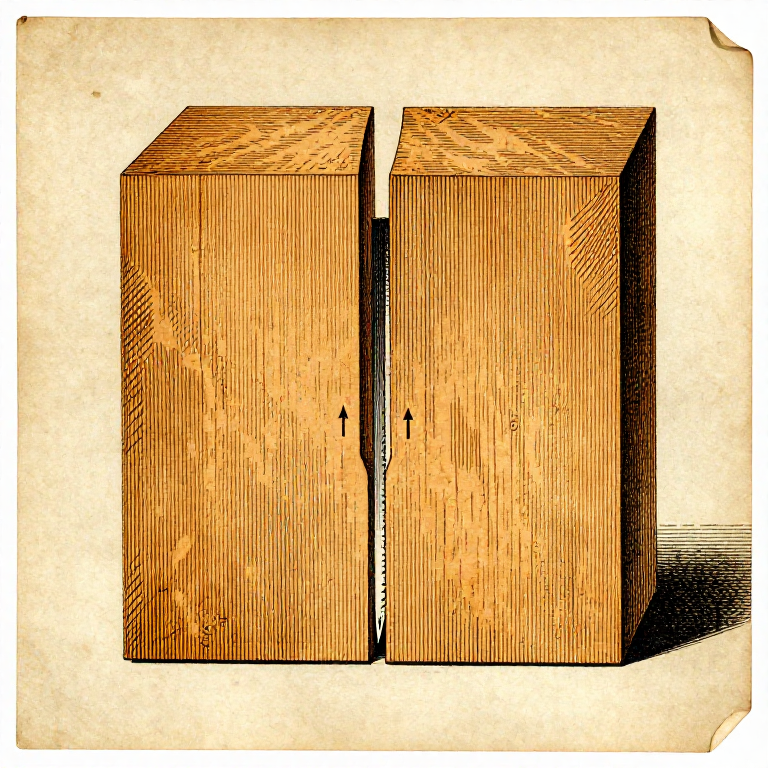


The Tooth and the Kerf: Why a Saw Cuts a Slot Wider Than Itself
A saw does not cut a line. It cuts a SLOT — the kerf — and that slot has to be wider than the blade, or the blade jams in its own cut.
Everything else follows. The teeth are bent alternately left and right, which is called SET, and the set is what makes the kerf wide. Too little and the saw binds; too much and it wanders, wastes wood and takes far more effort. It also means every cut loses a millimetre or two of material, which matters when you are cutting several pieces from one board.
331 published blueprints on Youblob list a saw among their tools, and until now not one explained how to use it. This is the first of eight rungs.
Cơ bản
2 hours
Hướng dẫn
1
1
Sight down the teeth and see the set
Sight down the teeth and see the set
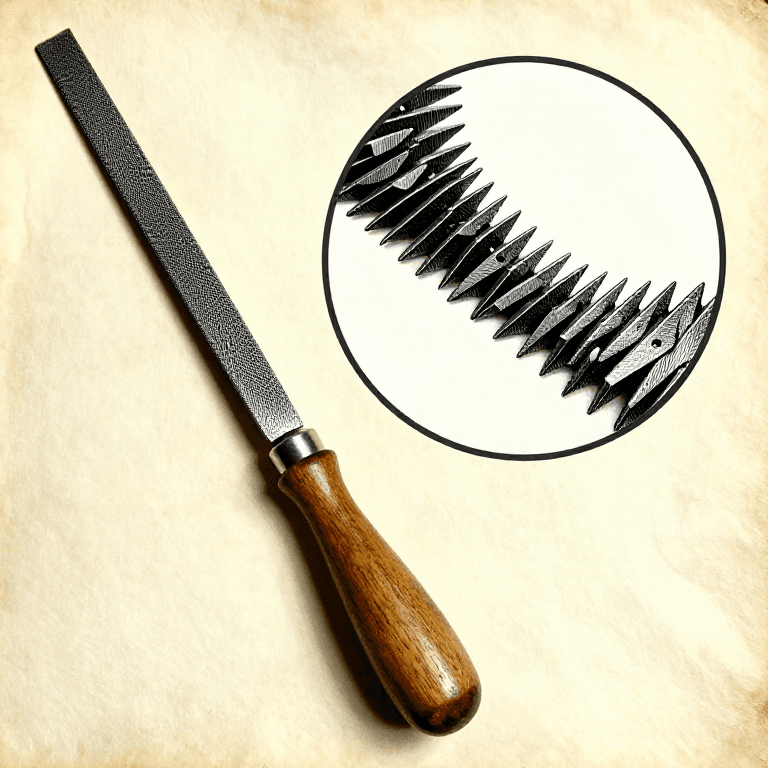
Hold a hand saw with the teeth pointing away from you and sight straight down the line of them, like looking down a rifle. The teeth are not in a single line — they zigzag, one leaning left, the next right.
Now look at the blade from the side. The body of the blade is thinner than the width that zigzag spans. That difference is the whole reason a saw works: the teeth cut a slot wider than the steel behind them, so the steel runs free.
A blade with no set at all will cut for a centimetre and then seize solid, because the wood closes on it. The exceptions prove the point: a Japanese pull saw has very little set and gets away with it because it cuts on the PULL, so the blade is in tension and cannot buckle.
Công cụ cần thiết:
 Cưa tay
 Cưa kéo Nhật
 Kính lúp thợ kim hoàn
2
2
Count the teeth: TPI decides speed against finish
Count the teeth: TPI decides speed against finish
Lay a rule on the blade and count the teeth in one inch. A coarse rip saw has four or five; a tenon saw has fourteen; a hacksaw blade for thin tube has thirty-two.
Fewer, bigger teeth each take a bigger bite, so the saw cuts fast and leaves a rough edge. More, smaller teeth cut slowly and leave a clean one. There is no setting that is simply better — the choice is the same speed-against-finish trade the sharpening grit progression makes, and for the same reason.
The other thing TPI decides is what the saw can cut at all, which the hacksaw rung takes up: too few teeth for the material's thickness and the teeth straddle it, catch, and snap off.
Công cụ cần thiết:
Cưa tay Cưa lưng cứng
 Cưa sắt
 Thước thẳng chuẩn
3
3
What the kerf costs you
What the kerf costs you
Đang tải sổ tay Jupyter…
Công cụ cần thiết:
 Máy tính bỏ túi
 Thước cặp
4
4
The kerf has a side, and you must choose it
The kerf has a side, and you must choose it
Because the kerf has width, the blade must run entirely on the WASTE side of your line. Cut down the middle of the line and the piece ends up half a kerf short.
Decide which side is waste before the saw touches the wood, and mark it — a scribble of pencil on the offcut side takes a second and is unambiguous. On a cutting list where several pieces come from one board, the waste side alternates, and this is exactly where people lose a piece.
The disciplined version is to leave the line visible on the piece you are keeping. That is the same rule as filing to a line, and for the same reason: material can come off afterwards, and it cannot go back on.
Vật liệu cho bước này:
 Tấm gỗ mềm đã khô1 cái
Công cụ cần thiết:
 Ê ke vuông cố địnhCưa tay
Vật liệu
1- 1 cáiTạm thời
Blueprint liên quan
Các blueprint này chia sẻ kiến thức — kỹ thuật, vật liệu hoặc nguyên tắc
CC0 Phạm vi công cộng
Bản thiết kế này được phát hành theo CC0. Bạn tự do sao chép, sửa đổi, phân phối và sử dụng cho bất kỳ mục đích nào mà không cần xin phép.
Hỗ trợ nhà sáng tạo bằng cách mua sản phẩm qua bản thiết kế, nơi họ nhận Hoa hồng nhà sáng tạo do nhà bán hàng đặt, hoặc tạo phiên bản mới và kết nối trong bản thiết kế riêng để chia sẻ doanh thu.