NGHỆ THUẬT
LÀM ĐẸP VÀ SỨC KHỎE
THỦ CÔNG
VĂN HÓA VÀ LỊCH SỬ
GIẢI TRÍ
MÔI TRƯỜNG
THỰC PHẨM VÀ ĐỒ UỐNG
KỸ THUẬT NGƯỢC
KHOA HỌC
THỂ THAO
CÔNG NGHỆ
THIẾT BỊ ĐEO
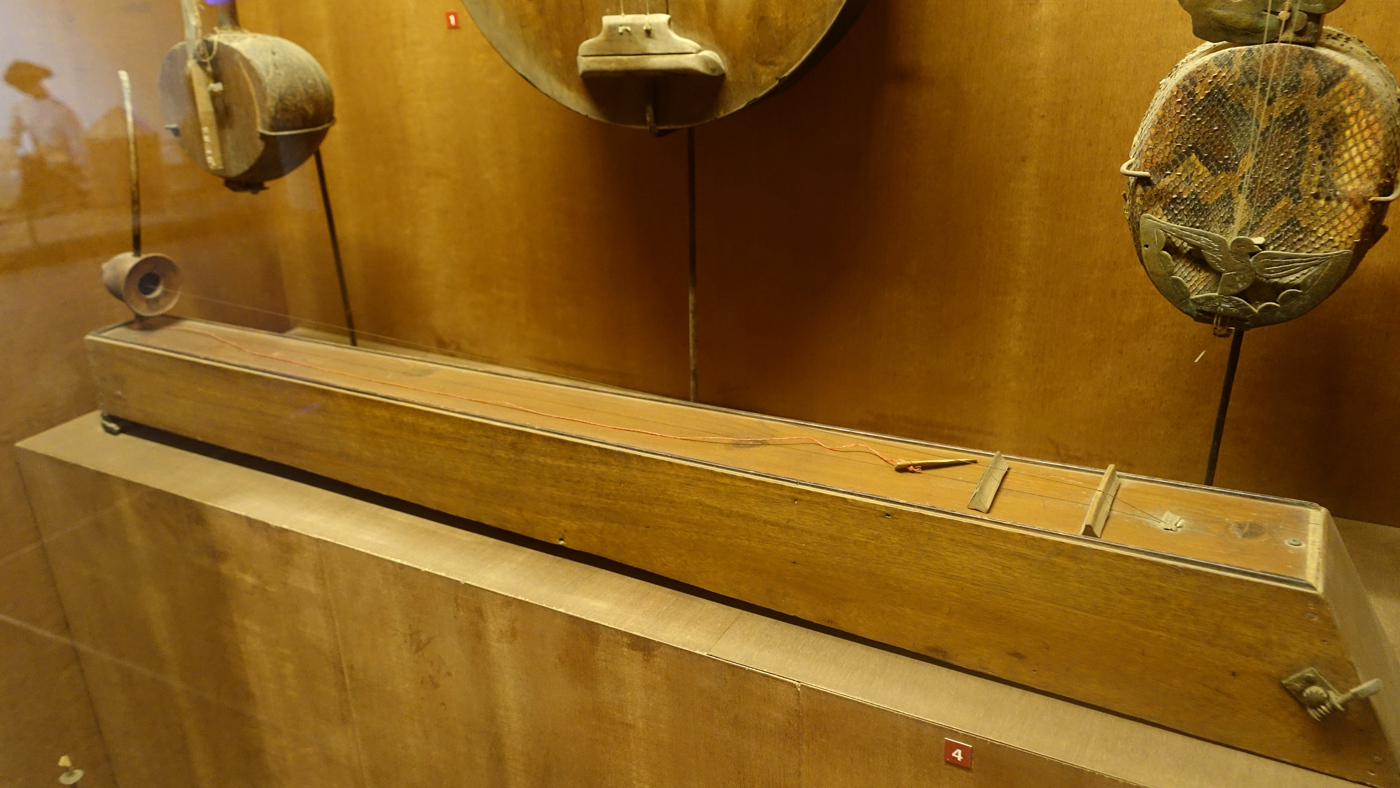


Building a Đàn Bầu — Vietnam's One-String Harmonic Zither
Build a đàn bầu: Vietnam's single-string instrument that plays only pure harmonics, with a flexible rod that bends every note like a singing voice. String it on a long box, learn to touch the nodes for flute-like overtones, then flex the rod to slide the pitch. A buildable school project in two deep ideas at once — string harmonics and how tension sets pitch.
Cơ bản
45 minutes
Hướng dẫn
1
1
One string, only harmonics
One string, only harmonics
The đàn bầu is Vietnam's one-string instrument. It plays only pure, bell-like harmonic notes, and a flexible rod bends every one of them, so a single string can sing like a voice.
2
2
Make the soundbox
Make the soundbox
Build a long, narrow, hollow wooden box about 90 cm long. This is the resonator that carries the quiet harmonics.
Vật liệu cho bước này:
 Tấm gỗ mềm đã khô1 cái
 Keo gỗ PVA1 cái
Công cụ cần thiết:
 Cưa sắt
3
3
Fit the flexible rod
Fit the flexible rod
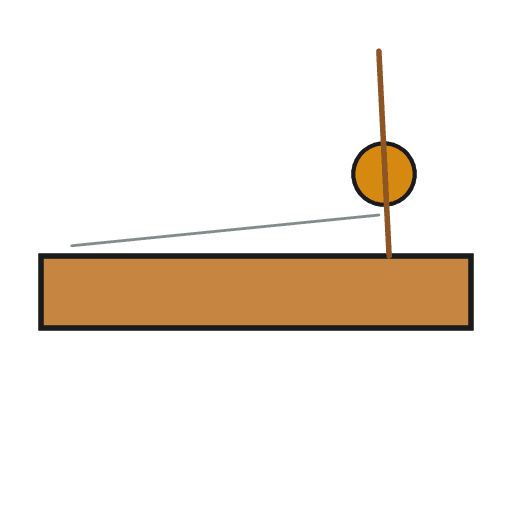
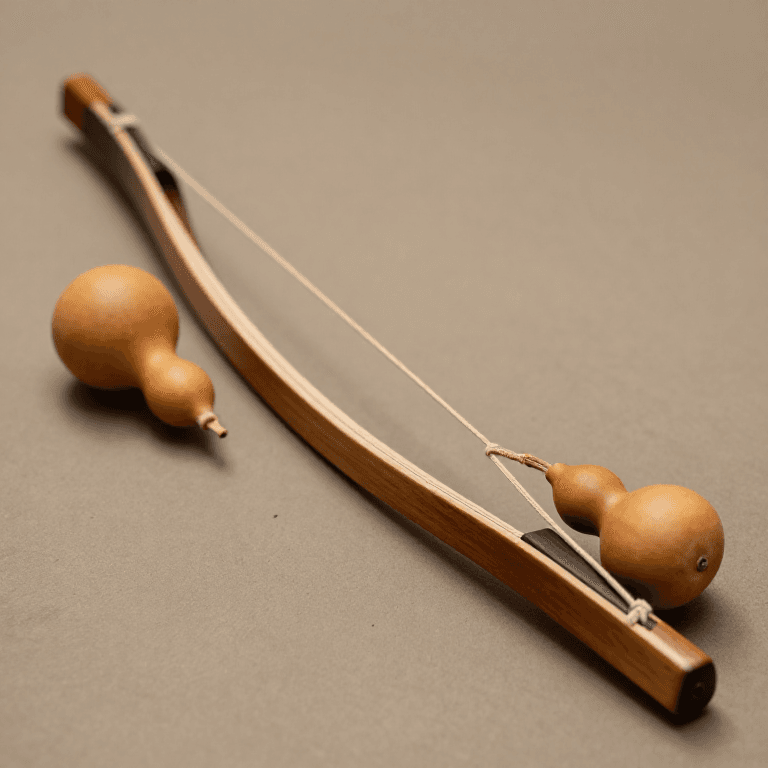
At one end, fix a springy vertical rod (bamboo, or traditionally buffalo horn) that can flex back and forth. This rod is the whammy that bends the notes.
Vật liệu cho bước này:
 Tre1 cái
Công cụ cần thiết:
 Dao khắc sloyd
4
4
Add the gourd
Add the gourd
Thread a small hollowed gourd onto the base of the rod, where it meets the string. The gourd softens and colours the tone — and gives the đàn bầu ('gourd instrument') its name.
Vật liệu cho bước này:
 Quả bầu khô già1 cái
5
5
Fit the tuning peg
Fit the tuning peg
Fit a single tuning peg at the far end of the box.
Vật liệu cho bước này:
 Trục lên dây1 cái
Công cụ cần thiết:
 Dùi
Dùi6
6
String it
String it
Tie the single string to the top of the flexible rod, run it the whole length of the box, and wind it onto the peg. Tune it to a clear, low note.
Vật liệu cho bước này:
 Dây thép đàn hồi 0,032"1 cái
7
7
Find the harmonic points
Find the harmonic points
Rest the SIDE of your hand lightly on the string exactly halfway along, pluck with a finger of that same hand, and lift instantly. A pure, flute-like note rings — a harmonic, an octave above the string's own note.
8
8
Climb the harmonic series
Climb the harmonic series
Touch and pluck at one-third, one-quarter and one-fifth of the string's length. Each point sounds a higher harmonic. The đàn bầu plays with these pure overtones alone.
9
9
Bend with the rod
Bend with the rod
While a harmonic rings, push the flexible rod toward the box to slacken the string and DROP the note, or pull it away to tighten the string and RAISE it. Bend slowly and smoothly.
10
10
Make it sing
Make it sing
Pluck a harmonic and waver the rod gently to make the note glide and shimmer — the way the đàn bầu shapes its tones to follow the rising and falling sounds of the Vietnamese language.
11
11
Compendium — string harmonics and the bending rod
Compendium — string harmonics and the bending rod
The đàn bầu rests on two beautiful pieces of physics. The first is the string harmonic. A plucked string does not only vibrate as a whole — it also vibrates in halves, thirds, quarters and more all at once, adding quiet higher notes, the harmonic series, on top of its main note. If you touch the string lightly at a still point (a node) of one of those patterns and pluck, you silence the main note and every pattern that moves at that spot, leaving only a harmonic that has a node there — so a single, pure, flute-like overtone rings out alone. Touch halfway for the note an octave up, at a third for the note higher still, and so on up the series; the đàn bầu plays with these harmonics only, which is why its voice is so pure and bell-like. The second idea is tension: a string's pitch rises when it is tightened and falls when it is slackened, and the flexible rod (the cần) is a lever for exactly that — flex it toward the box to loosen the string and bend the note down, flex it away to tighten and bend up — so any harmonic can be slid, wavered and swooped continuously, famously tracing the six tones of spoken Vietnamese. It is the same tension trick as the ektara's squeezed neck and the musical bow, and the same harmonic series that the kalyuka and conch hunt through inside a tube — here found on a single string. The little gourd softens the sound, and because bare harmonics are gentle, modern đàn bầu players usually add a magnetic pickup and amplifier.
Vật liệu
6- 1 cáiTạm thời
- 1 cáiTạm thời
- 1 cáiTạm thời
- 1 cáiTạm thời
- 1 cáiTạm thời
- Tạm thời
Bản thiết kế này làm ra
Blueprint liên quan
Các blueprint này chia sẻ kiến thức — kỹ thuật, vật liệu hoặc nguyên tắc
CC0 Phạm vi công cộng
Bản thiết kế này được phát hành theo CC0. Bạn tự do sao chép, sửa đổi, phân phối và sử dụng cho bất kỳ mục đích nào mà không cần xin phép.
Hỗ trợ nhà sáng tạo bằng cách mua sản phẩm qua bản thiết kế, nơi họ nhận Hoa hồng nhà sáng tạo do nhà bán hàng đặt, hoặc tạo phiên bản mới và kết nối trong bản thiết kế riêng để chia sẻ doanh thu.