Ukusebenzisana
UBUCIKO
UBUHLE NEMPILO
UBUCIKO BEZANDLA
AMASIKO NOMLANDO
EZOKUZIJABULISA
IMVELO
UKUDLA NEZIPHUZO
REVERSE ENGINEERING
IZAYENSI
EZEMIDLALO
UBUCHWEPHESHE
IZINTO EZIGQOKWAYO
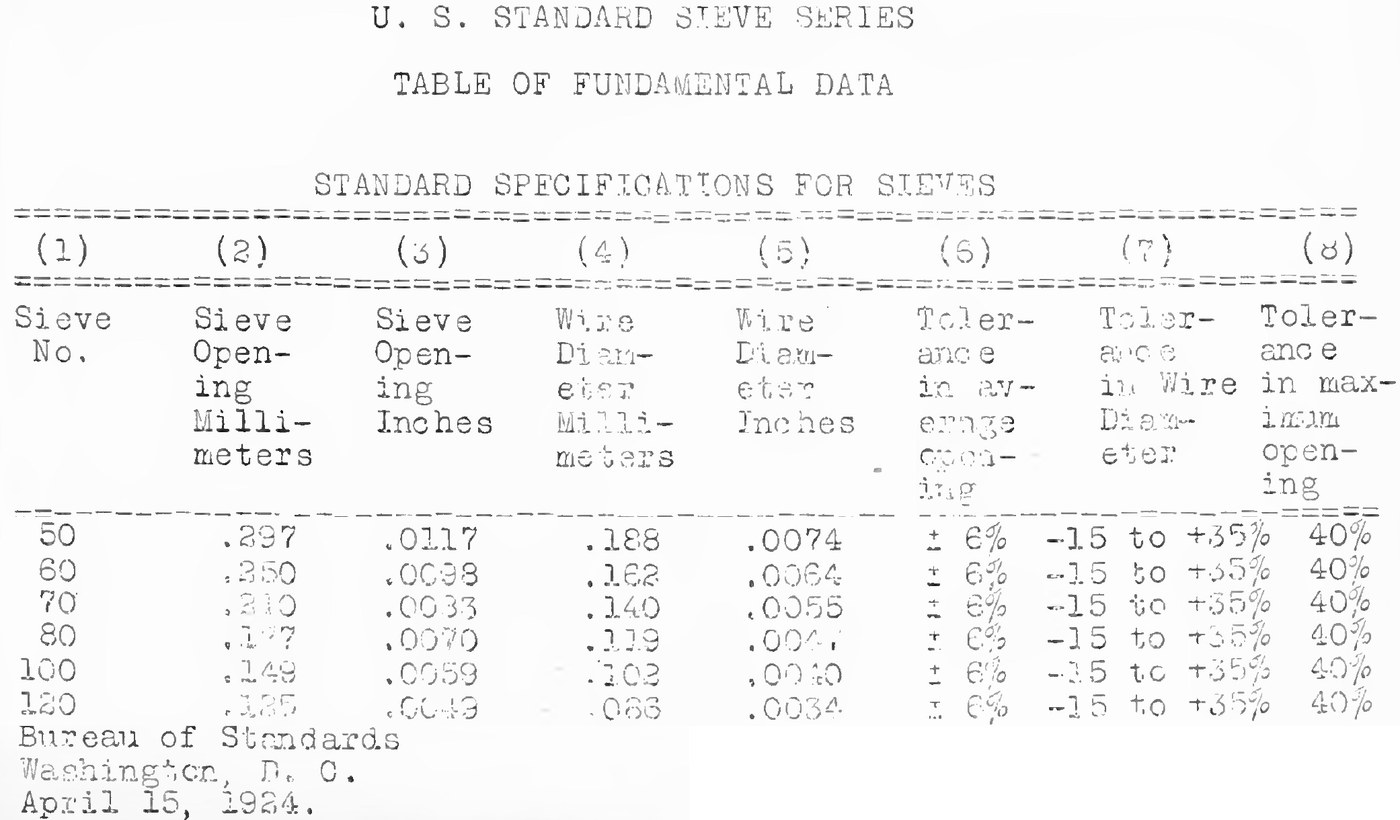

60-Mesh and 80-Mesh Sieves: U.S. Standard Sieves No. 60 and No. 80 (Bureau of Standards, 1924)
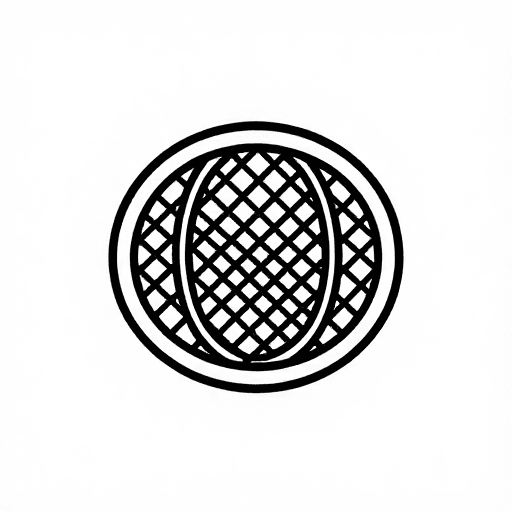
Two standard testing sieves made the same way; only the wire and the opening change with the sieve number. Plain-woven brass or bronze wire cloth is soldered smoothly into a round frame about 20 cm (8 in) across.
No. 60 has 0.250 mm openings (the 60-mesh sieve); No. 80 has 0.177 mm openings (the 80-mesh sieve). The finer the cloth, the finer the grains that pass.
Source: Bureau of Standards, Letter Circular 74, Standard Specifications for Sieves (revised 1924). Unknown: the frame metal and the weaving. Picture: the Bureau's table.
Ophakathi
Unknown
Imiyalelo
1
1
Choose the sieve number
Choose the sieve number
The sieve number sets the wire and the opening (Bureau of Standards table, 1924):
No. 60: opening 0.250 mm (0.0098 in), wire 0.162 mm (0.0064 in).
No. 80: opening 0.177 mm (0.0070 in), wire 0.119 mm (0.0047 in).
The opening is the clear space between adjacent wires. No. 60 passes grains under 0.250 mm; No. 80 passes grains under 0.177 mm.
2
2
Weave the wire cloth
Weave the wire cloth
Weave plain (not twilled) cloth from brass, bronze or other suitable wire of the diameter for your sieve number, spacing the wires so the opening is as in the table each way. Ours: bronze wire. Not given: how it is woven.
Izinto zokwakha zalesi sinyathelo:
 Ucingo lwethusi elimnyama1 warp and shoot wires
Amathuluzi adingekayo:
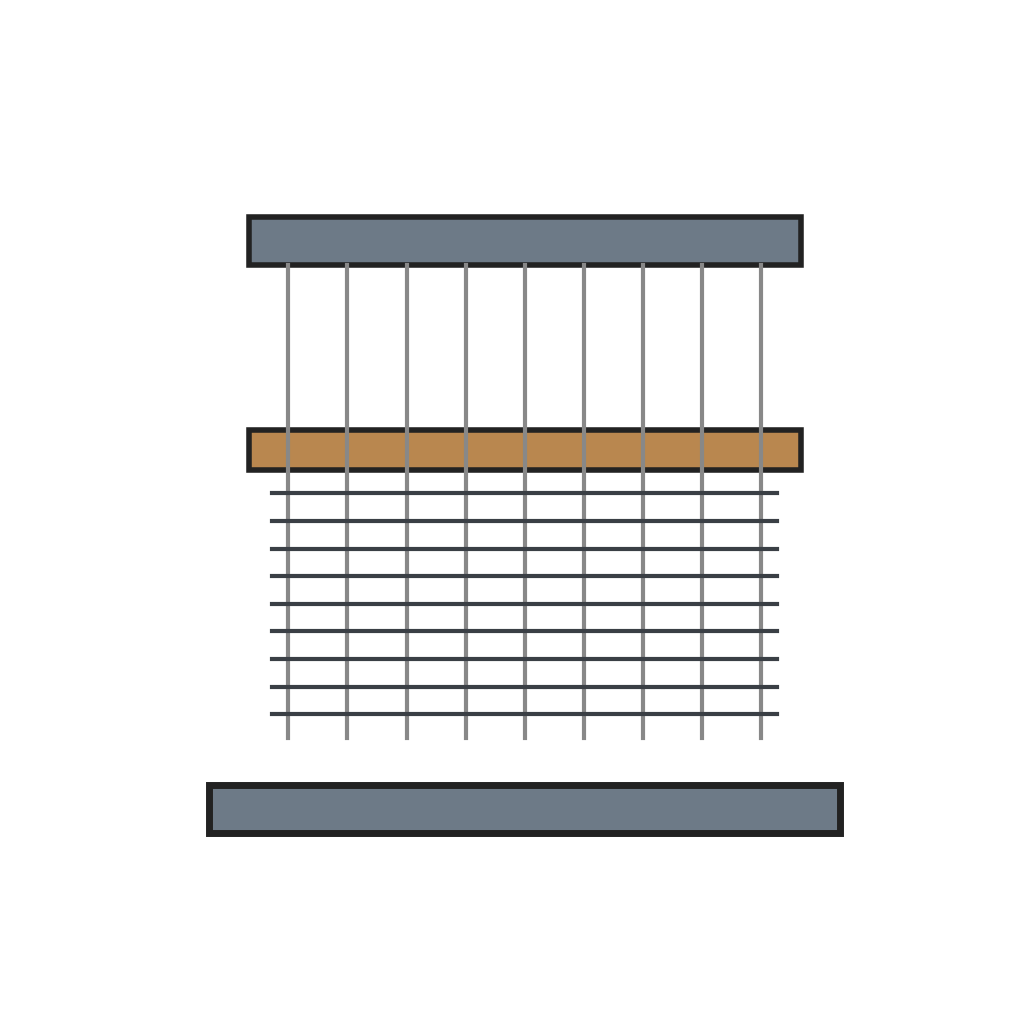 Umshini wokweluka inetha yocingo
3
3
Make the frame
Make the frame
Make a circular frame about 20 cm (8 in) across, with about 5 cm (2 in), or 2.5 cm (1 in), between its top and the cloth. Ours: brass strip. Not given: the frame metal.
Izinto zokwakha zalesi sinyathelo:
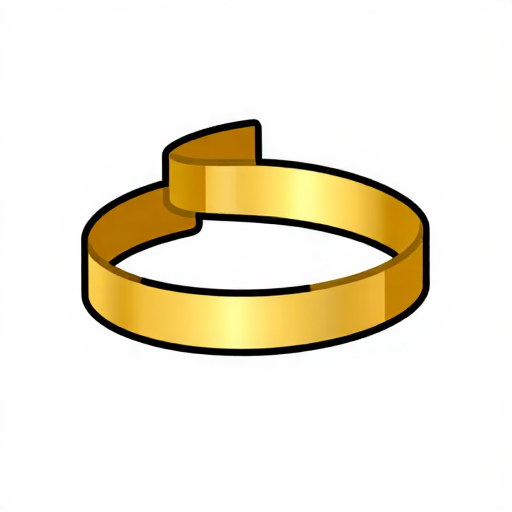 Umucu wethusi1 frame
Amathuluzi adingekayo:
 Isikeli sensimbi
 Insimbi yokushisela
4
4
Mount the cloth
Mount the cloth
Mount the cloth on the frame without distorting it. Fill the joint between cloth and frame smoothly with solder, so the material being sieved cannot catch in it.
Izinto zokwakha zalesi sinyathelo:
 I-solder ye-tin nomthofu1 joint
 Ifulaksi1 joint
Amathuluzi adingekayo:
Insimbi yokushisela5
5
Check it against the tolerances
Check it against the tolerances
Measure the warp and shoot wires separately. For both numbers the average opening must be within ±6 % of the table, the average wire diameter within −15 to +35 %, and no opening may exceed the table opening by more than 40 %. Reject a sieve with punctures, loose or wavy cloth, poor soldering, or too many large openings.
Amathuluzi adingekayo:
 I-Micrometer
 Isibonakhulu
Izinto
4- 1 warp and shoot wiresIsibambeli
- 1 frameIsibambeli
- 1 jointIsibambeli
- 1 jointIsibambeli
Amathuluzi Adingekayo
5- Isibambeli
- Isibambeli
- 2 vendors sell this, none ship to you yetIsibambeli
- Isibambeli
- Isibambeli
Izinto Zokwakha Ze-Blueprint Exhunyiwe

10% Ukwabiwa
120-Mesh Sieve: U.S. Standard Sieve No. 120 (Bureau of Standards, 1924)
ngu-Tex
I-Physics
4
0
0
0
1
0

10% Ukwabiwa
Tin Bronze Ingots, Wire and Rod
ngu-Forge
Umsebenzi Wensimbi
52
0
0
0
2
0
10% Ukwabiwa
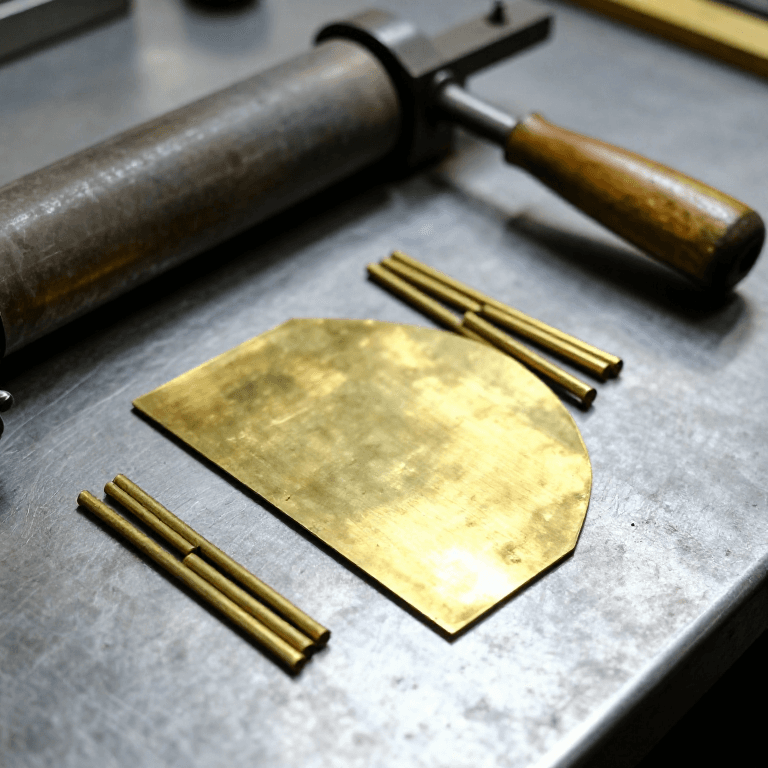
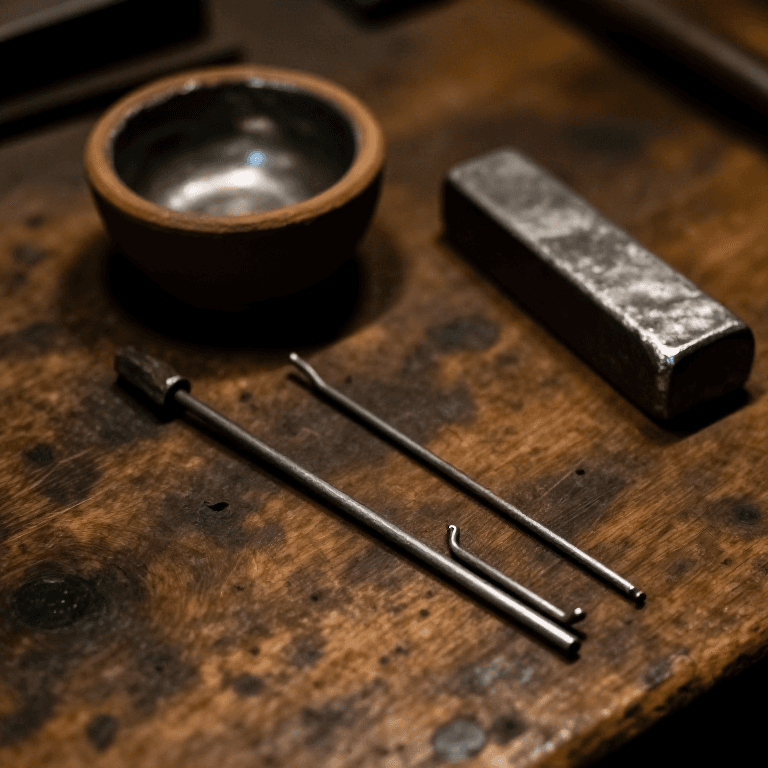
Brass Sheet, Strip and Rod from an Ingot
ngu-Forge
Umsebenzi Wensimbi
36
0
0
0
2
0
Yingozi
10% Ukwabiwa
Making Tin-Lead Solder — The Ancient Alloy That Joins Metals Without a Forge
ngu-Peter
Umsebenzi Wensimbi
58
0
0
0
3
0
Le blueprint yenza

CC0 Isizinda Somphakathi
Le blueprint ikhishwe ngaphansi kwe-CC0. Ukhululekile ukukopisha, ukuguqula, ukusabalalisa, nokusebenzisa ngaphandle kwemvume.
Sekela uMenzi ngokuthenga imikhiqizo nge-Blueprint yabo IKhomishane Yomenzi kumiswe ngabathengisi, noma dala inguqulo entsha yale Blueprint bese uyifaka njengoxhumaniso ku-Blueprint yakho ukuze wabelane ngemali engenayo.