
Ukusebenzisana
UBUCIKO
UBUHLE NEMPILO
UBUCIKO BEZANDLA
AMASIKO NOMLANDO
EZOKUZIJABULISA
IMVELO
UKUDLA NEZIPHUZO
REVERSE ENGINEERING
IZAYENSI
EZEMIDLALO
UBUCHWEPHESHE
IZINTO EZIGQOKWAYO
Brandy: Wine Distilled with a Little of Its Lees, the French Way (Byrn, 1868)
Alchometer

Yenziwe ngu-

Alchometer

18. uLwezi 2026GB
0
0
0
0
0

Brandy: Wine Distilled with a Little of Its Lees, the French Way (Byrn, 1868)

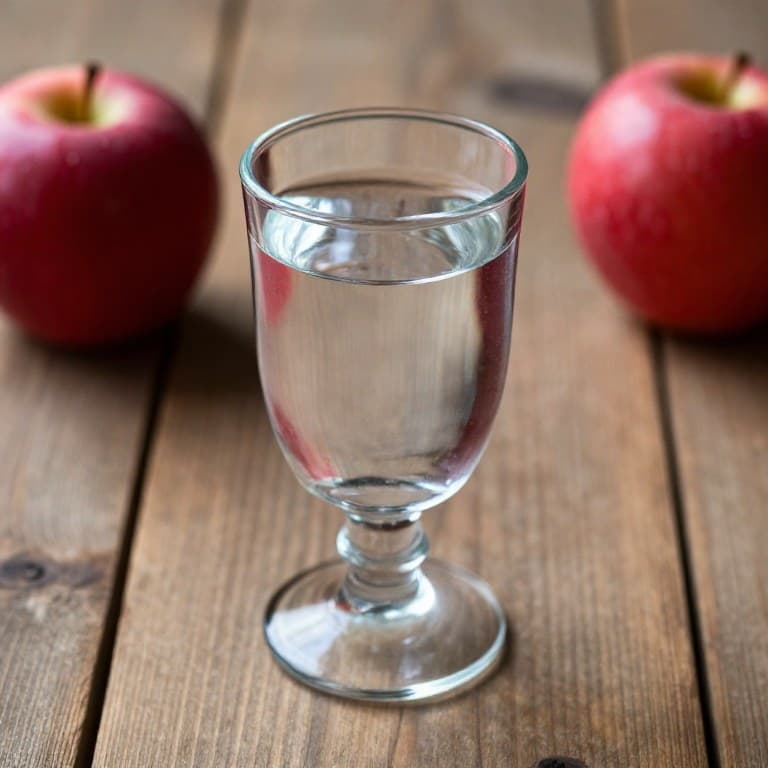
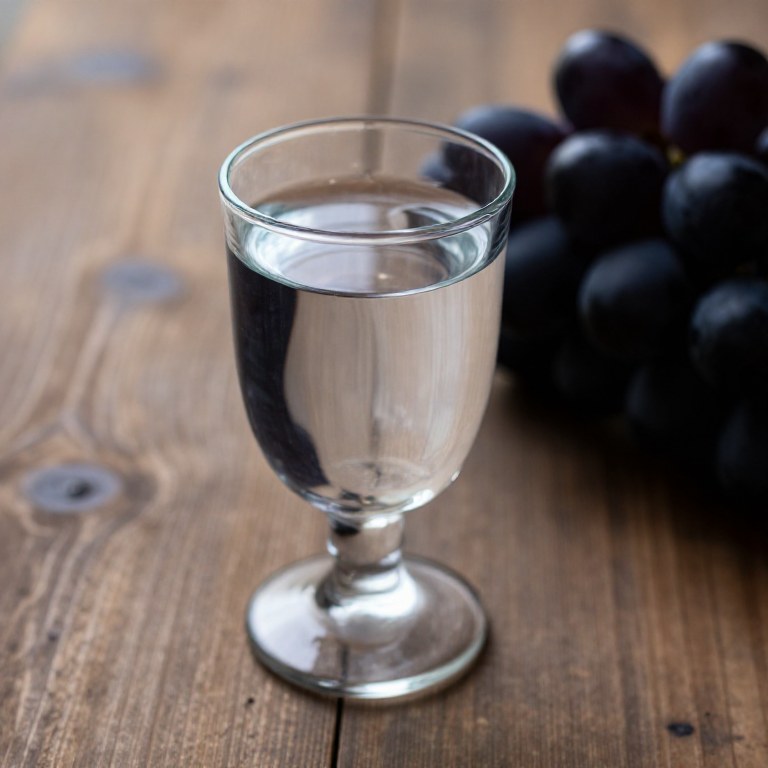
Brandy as M. La Fayette Byrn describes the French process in The Complete Practical Distiller (1868): wine distilled in a pot still with a little of its own lees thrown in for flavour, run to low wines, doubled, cut when the bead falls and brought to proof, the feints saved for redistilling. Distilling spirits without a licence is illegal in many countries: check your law first.
Osezingeni eliphezulu
About a week

Imiyalelo

1

Read Byrn, and the law

"This process differs in nothing from the ordinary process practiced in England and this country ... The French only observe, more particularly, to throw a little of the natural lees into the still along with the wine." (p. 93.) Ours: distilling spirits without a licence is illegal in many countries, Norway and the United States among them. Check your law first.
2

The still

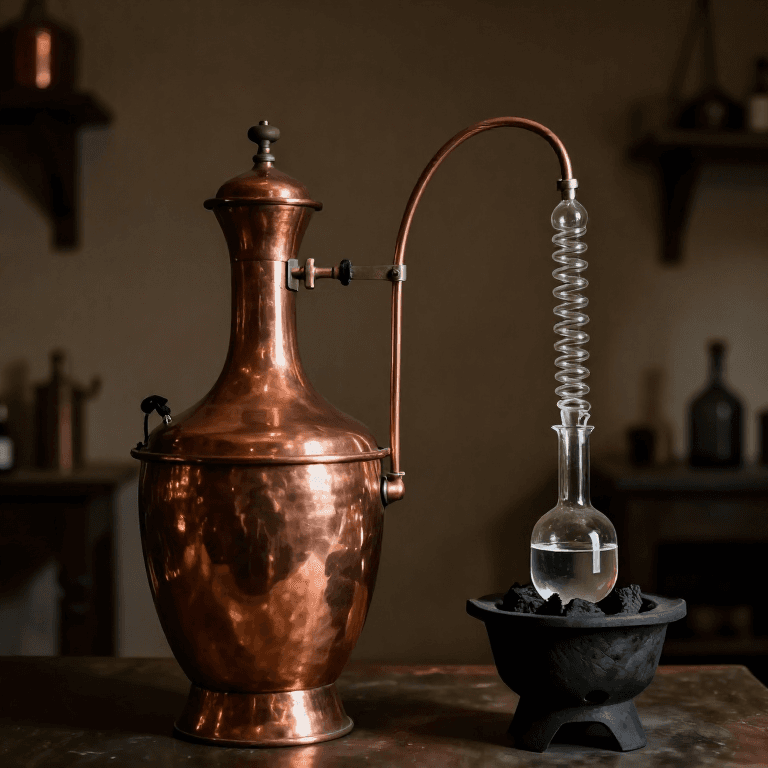
A pot still with a worm in a tub of cold water.
3

Choose the wine

Use plain, weak wine: "the weakest and lowest flavoured wines only are drawn for their spirit", and wines turned sour are "condemned to the still" too (p. 94).

Izinto zokwakha zalesi sinyathelo:

IwayiniIwayini1 as required

Amathuluzi adingekayo:

Umgqomo wokhuniUmgqomo wokhuni
4

Keep some of the lees

Keep back a little of the wine's natural lees: the French throw it into the still with the wine, for flavour.

Izinto zokwakha zalesi sinyathelo:

Inzika yewayiniInzika yewayini1 as required

Amathuluzi adingekayo:
Ujeke wokukalaUjeke wokukala
5

Charge and lute the still

Charge the still with the wine and the little lees. Lute the joints of body and head with a paste of half whiting and half rye meal. Keep a piece of paste in reserve.

Izinto zokwakha zalesi sinyathelo:

I-calcium carbonate (umcako omhlophe)I-calcium carbonate (umcako omhlophe)1 as required
Ufulawa we-ryeUfulawa we-rye1 as required
AmanziAmanzi1 as required

Amathuluzi adingekayo:
Isitsha sokuhluza ngomphungaIsitsha sokuhluza ngomphunga
6

Raise the fire by degrees

Start a moderate fire and increase it by degrees, feeling the body of the still with your hand. When the still-head grows hot, damp the fire. Keep candles and flames away from the spirit; have a wet woollen blanket ready.

Amathuluzi adingekayo:

Isitsha sokuhluza ngomphungaIsitsha sokuhluza ngomphunga
Woven Wool BlanketWoven Wool Blanket
7

Set aside the first runnings

Ours, not Byrn's: collect the first small portion that runs from the worm separately and do not drink it; the first runnings can carry methanol.

Amathuluzi adingekayo:

Ujeke wokukalaUjeke wokukala
8

Run the low wines

Distil as long as a little of what runs, thrown on the hot still-head, will take fire from a lighted paper or candle. This is the low wines, the first extraction.

Amathuluzi adingekayo:

Isitsha sokuhluza ngomphungaIsitsha sokuhluza ngomphunga
IkhandlelaIkhandlela
Umgqomo wokhuniUmgqomo wokhuni
9

Double the low wines

Keep the low wines of about three distillations; they fill the still for the doubling, the second extraction. Distil them again the same way.

Amathuluzi adingekayo:

Isitsha sokuhluza ngomphungaIsitsha sokuhluza ngomphunga
10

Cut at the bead

Keep trying the spirit in a glass phial. When the bead falls at once and does not stay on the surface, change the receiver: what follows is feints.

Amathuluzi adingekayo:

Ithoyizi lengilazi elincane (lemifanekiso)Ithoyizi lengilazi elincane (lemifanekiso)
Ujeke wokukalaUjeke wokukala
11

Collect the feints, stop the fire

Go on collecting the feints as long as they burn on the still-head. When they no longer burn, put out the fire and pour the feints into a cask of their own.

Amathuluzi adingekayo:

Umgqomo wokhuniUmgqomo wokhuni
IkhandlelaIkhandlela
12

Bring to proof

Lower the spirit with water to proof by the hydrometer.

Izinto zokwakha zalesi sinyathelo:

AmanziAmanzi1 as required

Amathuluzi adingekayo:

I-hydrometerI-hydrometer
Ujeke wokukalaUjeke wokukala
13

Redistil the feints

When you have enough feints, charge the still with them almost to the top, add 4 lb (1.8 kg) of salt, and draw off as long as the spirit is strong enough.

Izinto zokwakha zalesi sinyathelo:

UsawotiUsawoti1.8 kg

Amathuluzi adingekayo:

Isitsha sokuhluza ngomphungaIsitsha sokuhluza ngomphunga
14

Keep it in glass

"When brandy is kept in vessels the pores of which will not admit of any transmission of the liquor, (as glass, for instance,) the brandy will improve." (p. 95.)

Izinto zokwakha zalesi sinyathelo:

Amabhodlela engilazi anezivimboAmabhodlela engilazi anezivimbo1 ucezu

Amathuluzi adingekayo:

Ujeke wokukalaUjeke wokukala
15

Troubleshooting

Brandy problems and fixes.

Flow

Loading...
16

History and honest limits

**M. La Fayette Byrn**, *The Complete Practical Distiller* (Philadelphia, 1868), p. 93-95. He names Cognac's wines as the best for distilling and says the colour of French brandy "being found to have been derived from the oak of the cask". He gives no quantities or strengths for brandy; the still steps are his general pot-still rules (pp. 12-15, 142, 163). Ours: the law note and setting aside the first runnings.

Izinto

7

Amathuluzi Adingekayo

7

Le blueprint yenza

CC0 Isizinda Somphakathi

Le blueprint ikhishwe ngaphansi kwe-CC0. Ukhululekile ukukopisha, ukuguqula, ukusabalalisa, nokusebenzisa ngaphandle kwemvume.

Sekela uMenzi ngokuthenga imikhiqizo nge-Blueprint yabo IKhomishane Yomenzi kumiswe ngabathengisi, noma dala inguqulo entsha yale Blueprint bese uyifaka njengoxhumaniso ku-Blueprint yakho ukuze wabelane ngemali engenayo.

Ingxoxo

(0)

Ngena ukuze ujoyine ingxoxo

Kulayishwa amazwana...