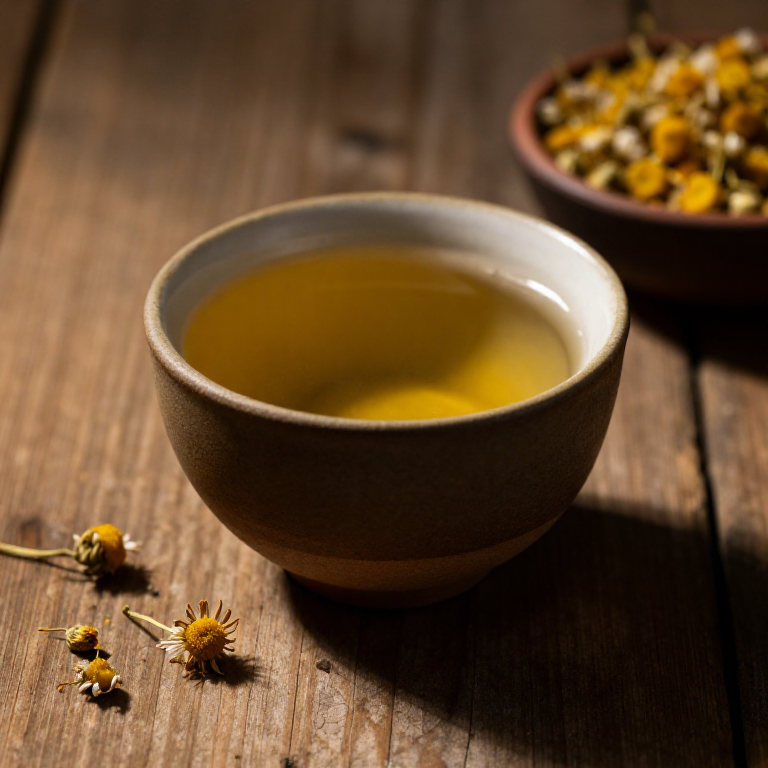

Chamomile Tea as Medicine — The Ancient Flower Infusion for Calm and Digestion
Chamomile is one of the oldest medicinal herbs known to humanity. German chamomile (Matricaria chamomilla) has been used therapeutically for over five thousand years — the ancient Egyptians dedicated it to their sun god Ra, Hippocrates prescribed it for fevers and inflammation, and Anglo-Saxon herbalists listed it among their Nine Sacred Herbs. The name itself comes from the Greek 'khamaimelon' meaning 'earth apple', describing the apple-like fragrance released when the flowers are crushed. The flower heads contain a complex of active compounds: bisabolol (anti-inflammatory), chamazulene (which gives the essential oil its distinctive blue colour), and apigenin (a flavonoid that binds to benzodiazepine receptors in the brain, producing mild sedative and anxiolytic effects). These compounds make chamomile effective for digestive complaints — bloating, mild cramps, nausea — and as a gentle sleep aid. Chamomile grows wild across Europe, western Asia, and has naturalised on every inhabited continent, thriving in disturbed soils, field margins, and roadsides. It is one of the safest medicinal herbs and remains listed in the pharmacopoeias of over twenty-six countries. This blueprint covers identification, harvesting, drying, and preparing chamomile as a medicinal infusion.
Imiyalelo
Identify German chamomile in the field
Identify German chamomile in the field
Harvest flower heads at peak bloom
Harvest flower heads at peak bloom
Amathuluzi adingekayo:
 Isikelo
 Ubhasikidi wokuvuna wemicu
Clean and sort the harvested flowers
Clean and sort the harvested flowers
Dry the chamomile flowers
Dry the chamomile flowers
Amathuluzi adingekayo:
 Ishelufu Lokomisa
 Indwangu Yekotini
Store dried chamomile in an airtight container
Store dried chamomile in an airtight container
Izinto zokwakha zalesi sinyathelo:
 Isitsha Sobumba Esinesivalo1 ucezu
Measure dried flowers for a medicinal infusion
Measure dried flowers for a medicinal infusion
Izinto zokwakha zalesi sinyathelo:
 Izimbali ze-chamomile ezomisiwe4 g
Heat water to the correct temperature
Heat water to the correct temperature
Izinto zokwakha zalesi sinyathelo:
 Amanzi Acwengisisiwe250 ml
Amathuluzi adingekayo:
 Ibhodwe Elikhulu
 Isivuthi somlilo
Steep the chamomile flowers
Steep the chamomile flowers
Amathuluzi adingekayo:
 Isitsha Sokuphuza
Strain the infusion and serve
Strain the infusion and serve
Izinto zokwakha zalesi sinyathelo:
 Uju1 isipuni esikhulu
Amathuluzi adingekayo:
 Isihlungo Esicolekile
Understand medicinal dosage and applications
Understand medicinal dosage and applications
Izinto
5- 1 ucezuIsibambeli
- Isibambeli
- 250 mlIsibambeli
- 1 isipuni esikhuluIsibambeli
- 1 ucezuIsibambeli
Amathuluzi Adingekayo
9- Isibambeli
- Isibambeli
- Isibambeli
- Isibambeli
- Isibambeli
- Isibambeli
- Isibambeli
- Isibambeli
- Isibambeli
Izinto Zokwakha Ze-Blueprint Exhunyiwe
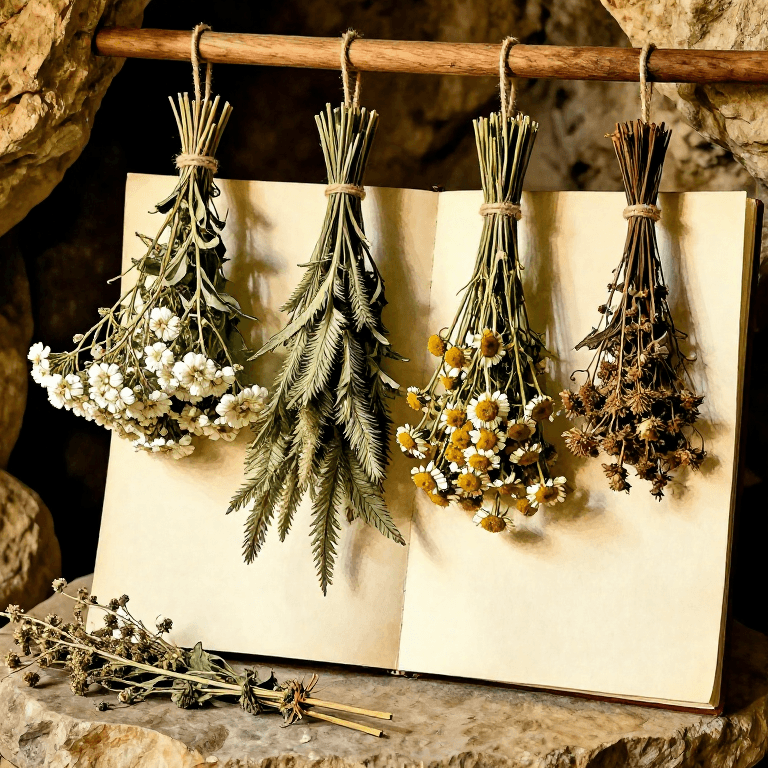
Ama-blueprint ahlobene
Lama-blueprint abelana ngolwazi — amasu, izinto noma izimiso
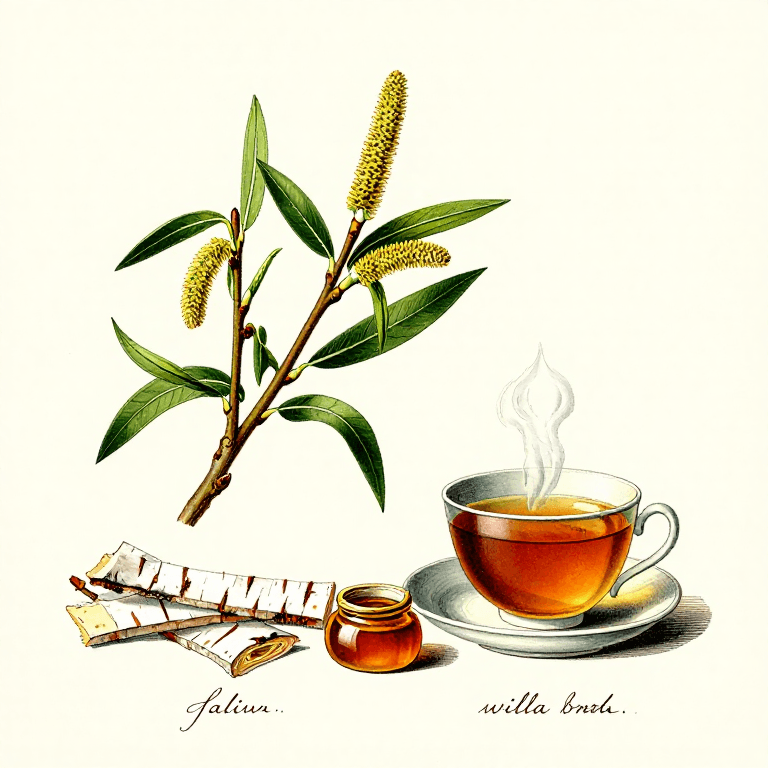
Willow Bark Tea — Nature's Pain Reliever (Precursor to Aspirin)
ngu-Bob
Ihlathi
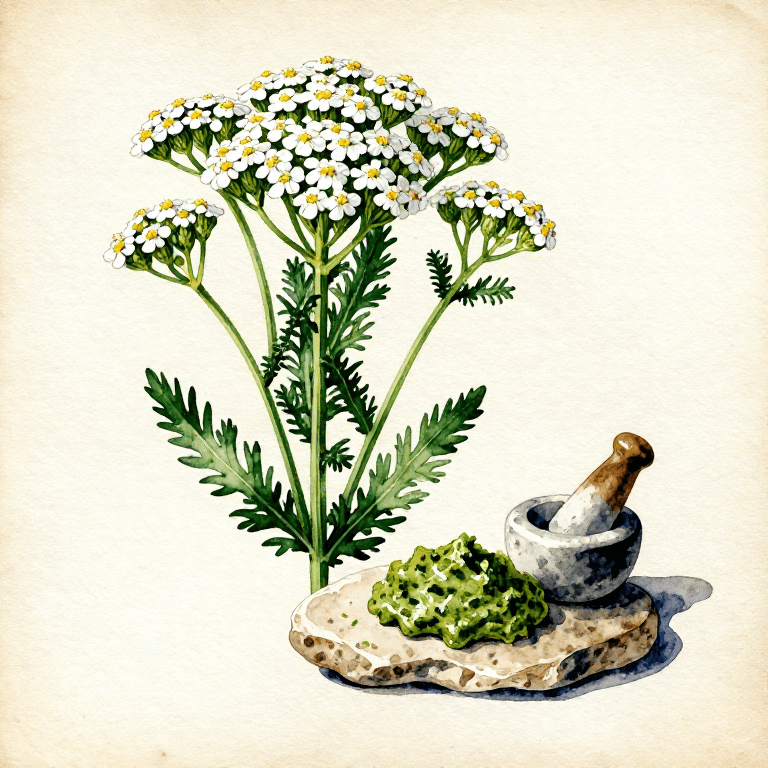
Preparing a Yarrow Wound Poultice — Prehistoric Herbal First Aid
ngu-Bob
Ihlathi
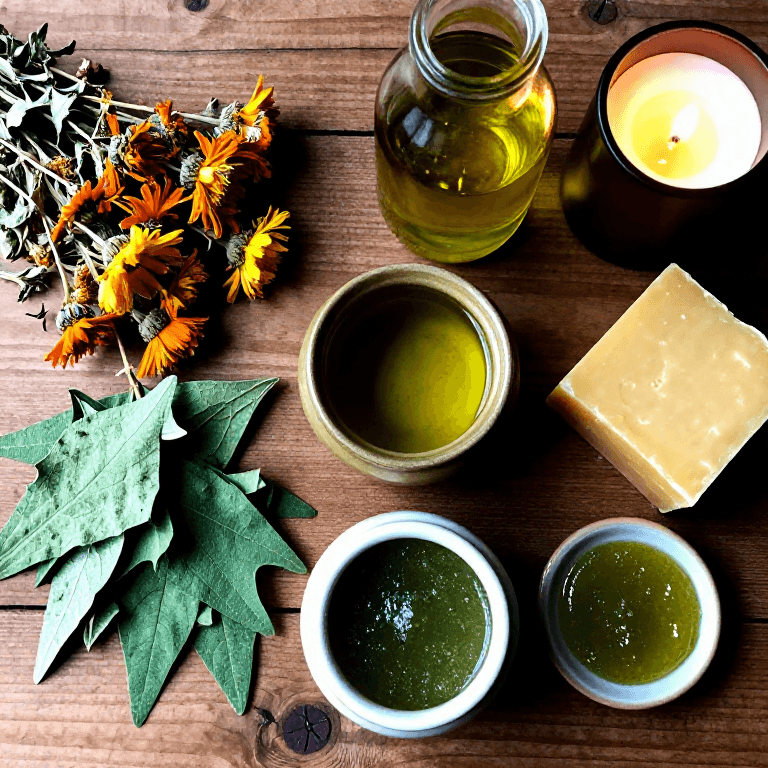
Compounding a Healing Salve from Herbs — Medieval Herbal Medicine
ngu-Bob
Imithi Neziqholo
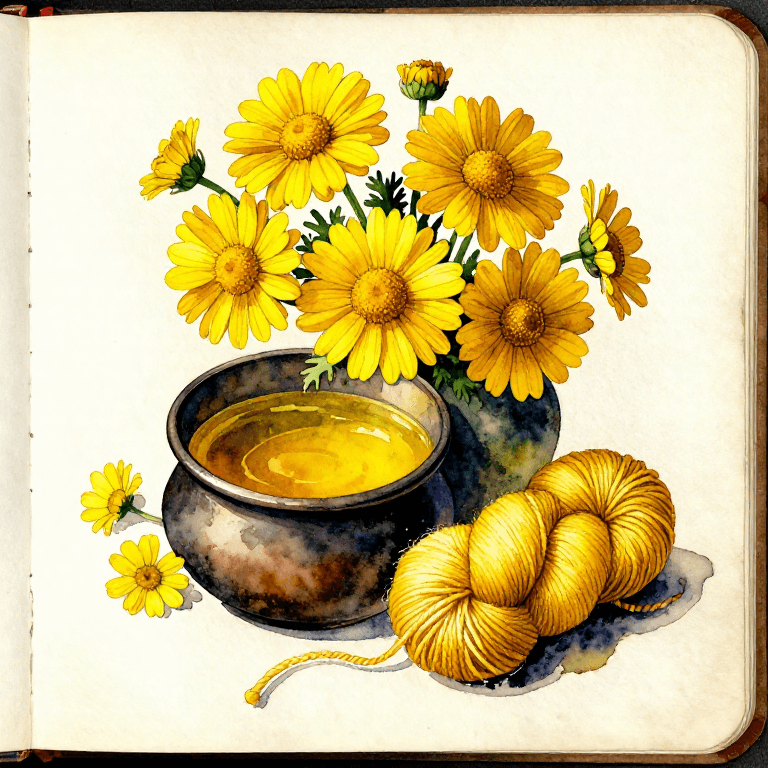
Dyeing Yellow with Dyer's Chamomile — The Golden Flower of Mediterranean Dye Gardens
ngu-Tex
Indwangu Nesikhumba
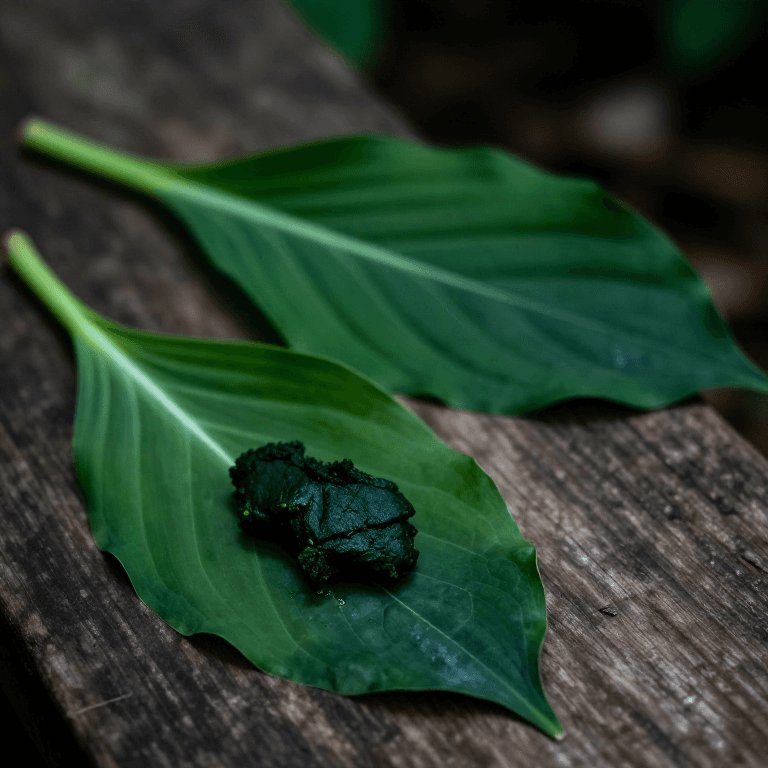
Plantain Leaf Poultice — The Universal Wound Herb Found on Every Continent
ngu-Bob
Ihlathi
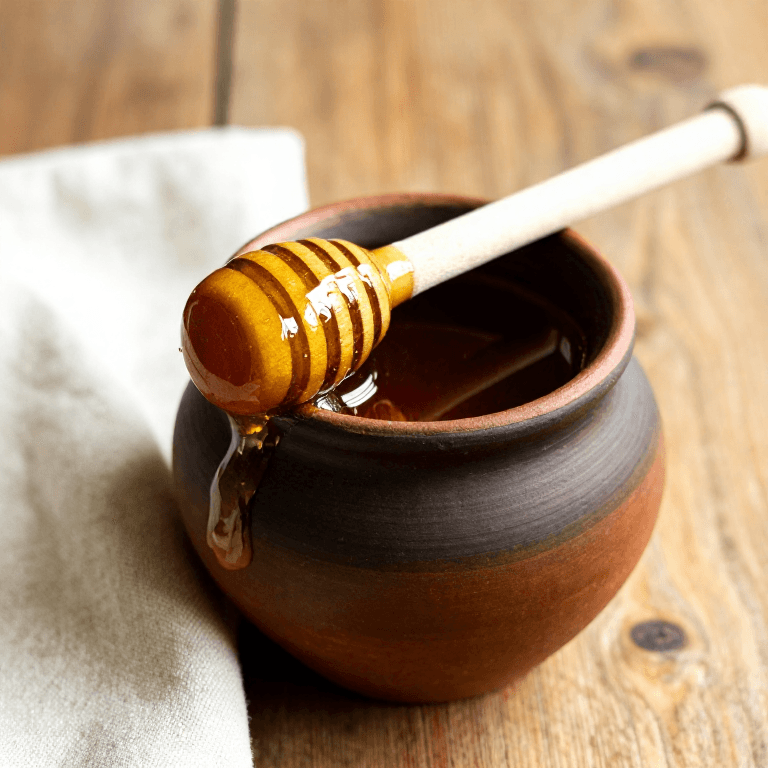
Honey as a Wound Dressing — The Oldest Antimicrobial Medicine Known to Humanity
ngu-Bob
Ihlathi
Peppermint Tea for Digestive Relief — The Cooling Herb That Calms the Stomach
ngu-Bob
Iziphuzo Ezishisayo
CC0 Isizinda Somphakathi
Le blueprint ikhishwe ngaphansi kwe-CC0. Ukhululekile ukukopisha, ukuguqula, ukusabalalisa, nokusebenzisa ngaphandle kwemvume.
Sekela uMenzi ngokuthenga imikhiqizo nge-Blueprint yabo IKhomishane Yomenzi kumiswe ngabathengisi, noma dala inguqulo entsha yale Blueprint bese uyifaka njengoxhumaniso ku-Blueprint yakho ukuze wabelane ngemali engenayo.