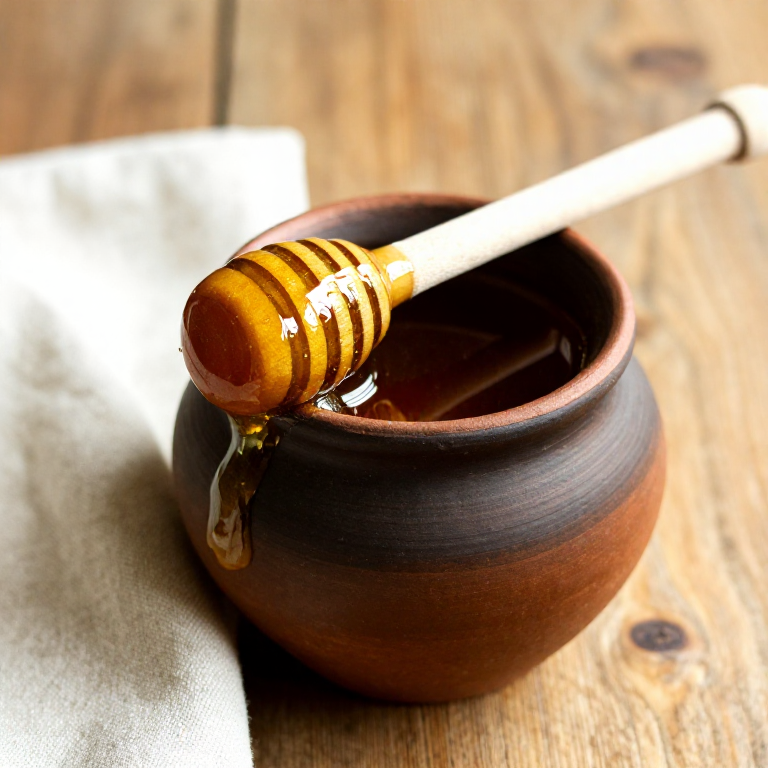

Honey as a Wound Dressing — The Oldest Antimicrobial Medicine Known to Humanity
Honey has been used to treat wounds for at least four thousand years and likely far longer — the Edwin Smith Papyrus (c. 1600 BCE, copied from texts a thousand years older) prescribes honey for wound treatment, and the Sumerians documented honey-based wound salves before that. Honey's antimicrobial power comes from multiple mechanisms working together: the enzyme glucose oxidase (added by bees during honey production) slowly generates hydrogen peroxide when honey is diluted by wound moisture, providing a sustained antiseptic effect without damaging tissue; the extremely low water activity (around 0.6) draws moisture out of bacterial cells by osmosis, dehydrating and killing them; the acidic pH of 3.2–4.5 inhibits most pathogenic bacteria; and the high sugar concentration creates an environment where bacteria cannot reproduce. These properties make honey effective against a broad range of wound pathogens including Staphylococcus aureus and even antibiotic-resistant MRSA strains. Raw, unprocessed honey retains all of these properties. Pasteurised commercial honey has reduced or absent glucose oxidase activity and is significantly less effective. Today, medical-grade honey (Medihoney) is used in hospitals worldwide — validating what prehistoric healers discovered through observation thousands of years ago.
Imiyalelo
Understand why honey works as medicine
Understand why honey works as medicine
Select the right honey
Select the right honey
Izinto zokwakha zalesi sinyathelo:
 Uju50 g
Clean the wound before applying honey
Clean the wound before applying honey
Izinto zokwakha zalesi sinyathelo:
 Amanzi Acwengisisiwe250 ml
Amathuluzi adingekayo:
 Indwangu Yekotini
Apply honey directly to the wound
Apply honey directly to the wound
Cover the honey dressing with a bandage
Cover the honey dressing with a bandage
Amathuluzi adingekayo:
 Indwangu emunca amanzi
Change the dressing daily
Change the dressing daily
Treat minor burns with honey
Treat minor burns with honey
Izinto zokwakha zalesi sinyathelo:
Amanzi Acwengisisiwe500 mlUse honey internally for sore throat and coughs
Use honey internally for sore throat and coughs
Store honey for long-term use
Store honey for long-term use
Amathuluzi adingekayo:
 Isitsha Sobumba Esinesivalo
Understand the limits of honey wound care
Understand the limits of honey wound care
Izinto
4- 50 gIsibambeli
- 750 mlIsibambeli
- 1 ucezuIsibambeli
- 1 ucezuIsibambeli
Amathuluzi Adingekayo
3- Isibambeli
- Isibambeli
- Isibambeli
Izinto Zokwakha Ze-Blueprint Exhunyiwe
Ama-blueprint ahlobene
Lama-blueprint abelana ngolwazi — amasu, izinto noma izimiso
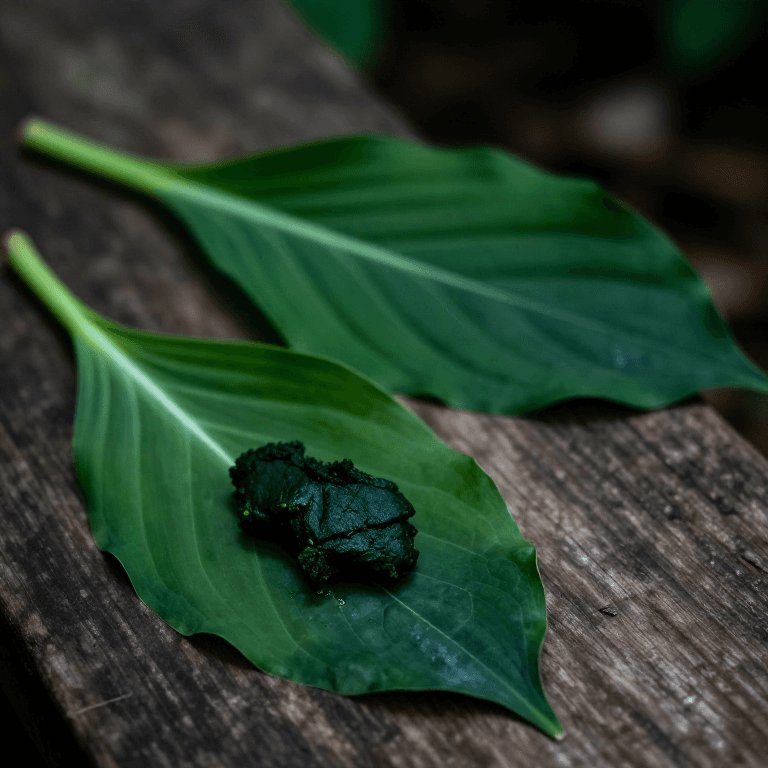
Plantain Leaf Poultice — The Universal Wound Herb Found on Every Continent
ngu-Bob
Ihlathi
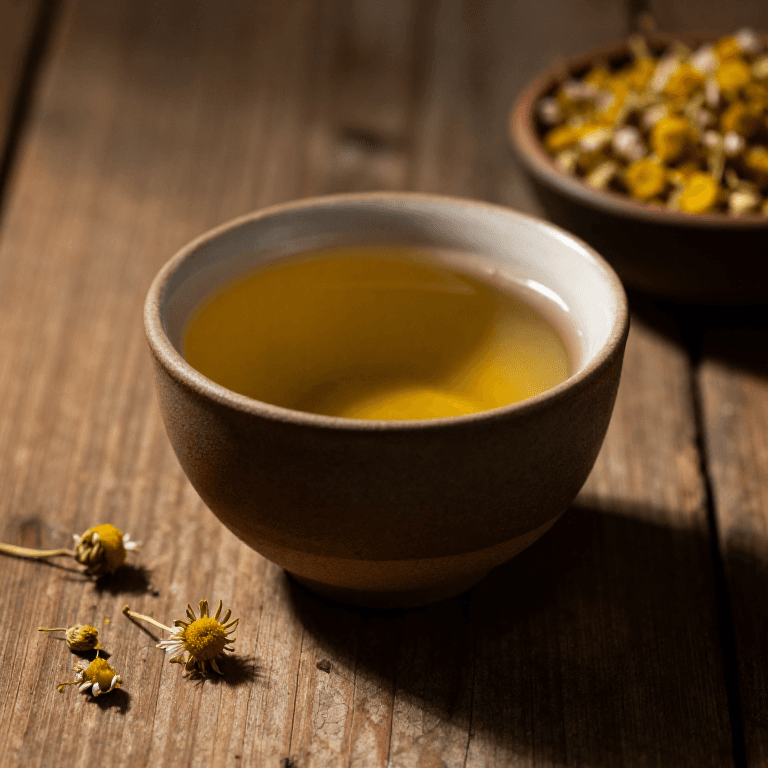
Chamomile Tea as Medicine — The Ancient Flower Infusion for Calm and Digestion
ngu-Bob
Iziphuzo Ezishisayo
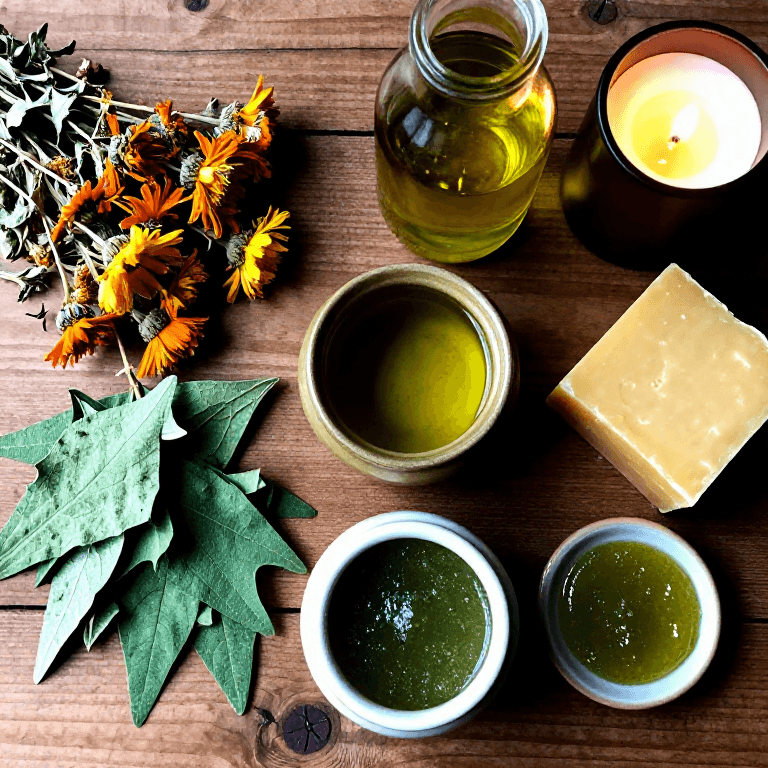
Compounding a Healing Salve from Herbs — Medieval Herbal Medicine
ngu-Bob
Imithi Neziqholo

Setting a Broken Bone with a Splint and Bandage — Prehistoric Fracture Treatment
ngu-Bob
Ihlathi
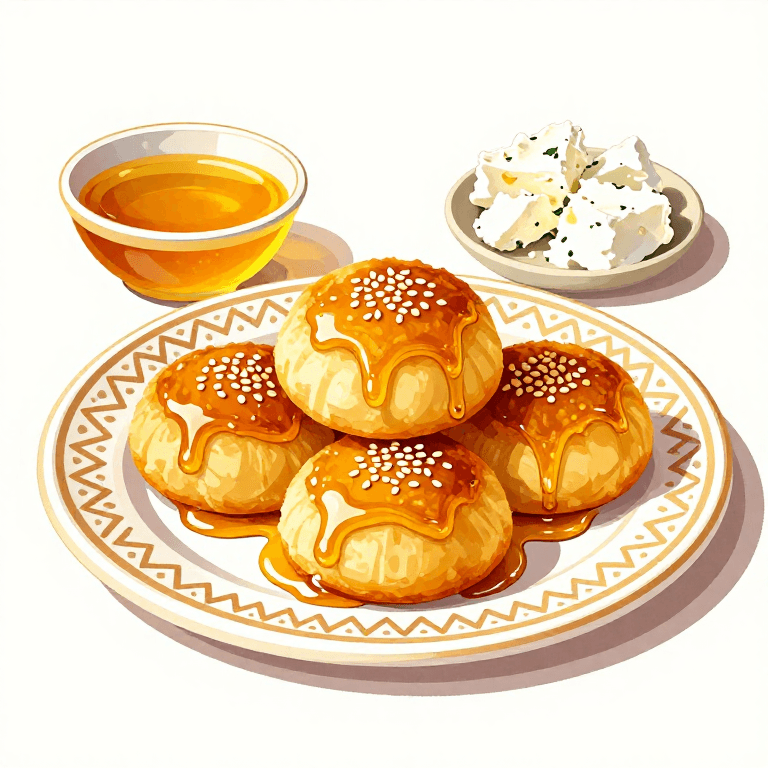
Greek Honey Cakes — Baking Honey Sesame Cakes (Plakous)
ngu-TheChef
Ukudla
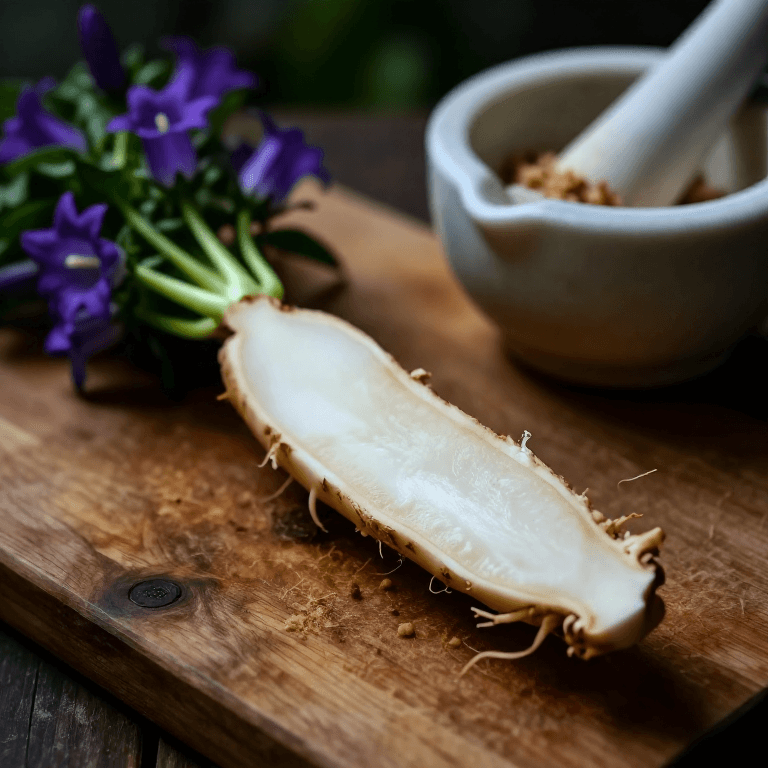
Comfrey Root Poultice — Knitbone, the Ancient Remedy for Sprains and Fractures
ngu-Bob
Ezezitshalo
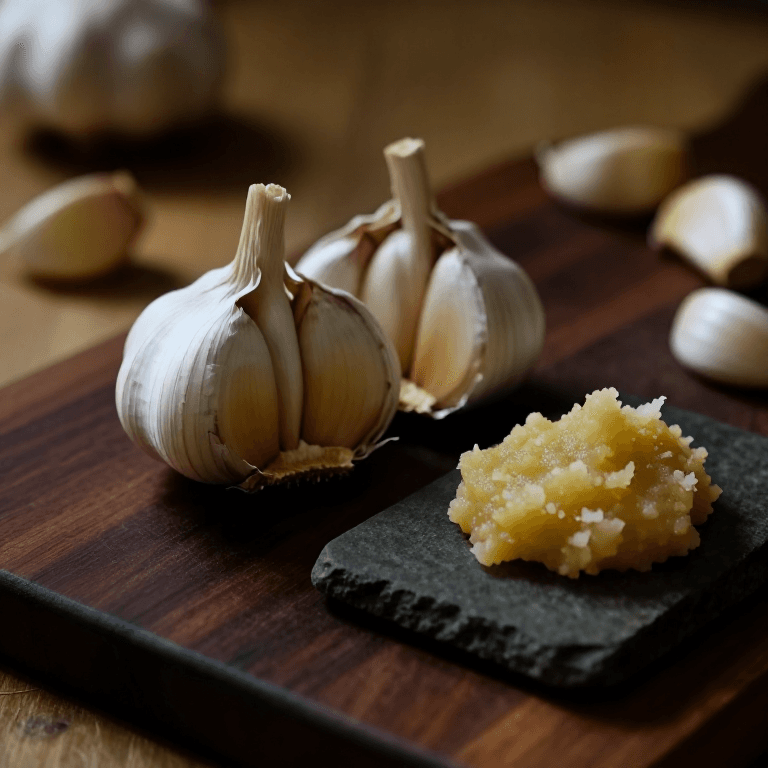
Garlic as Antiseptic Medicine — The Bulb That Fights Infection from the Inside Out
ngu-Bob
Imithi Neziqholo
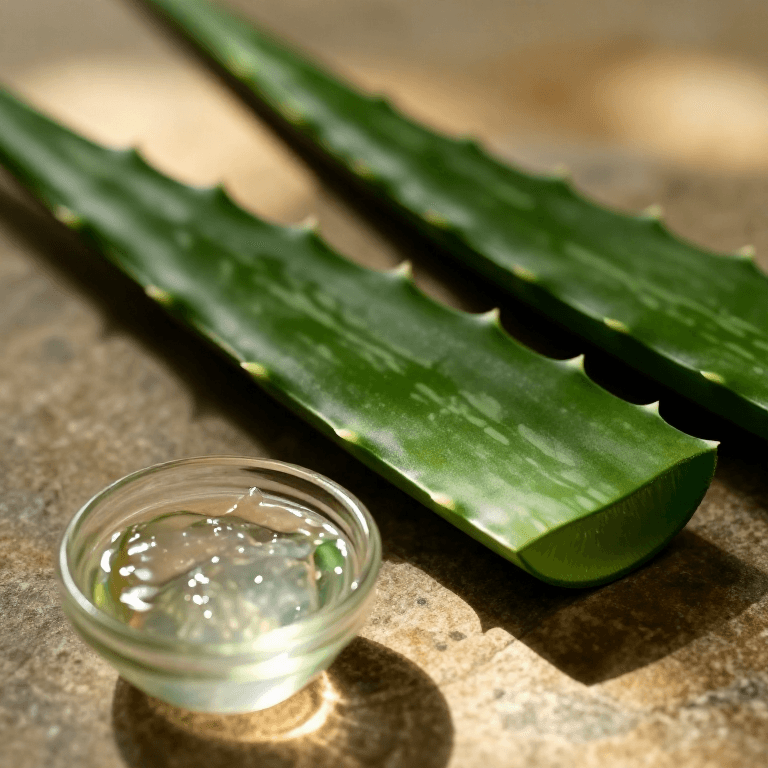
Aloe Vera Gel for Burns and Skin Healing — The Plant of Immortality
ngu-Bob
Ezezitshalo
CC0 Isizinda Somphakathi
Le blueprint ikhishwe ngaphansi kwe-CC0. Ukhululekile ukukopisha, ukuguqula, ukusabalalisa, nokusebenzisa ngaphandle kwemvume.
Sekela uMenzi ngokuthenga imikhiqizo nge-Blueprint yabo IKhomishane Yomenzi kumiswe ngabathengisi, noma dala inguqulo entsha yale Blueprint bese uyifaka njengoxhumaniso ku-Blueprint yakho ukuze wabelane ngemali engenayo.