Ukusebenzisana
UBUCIKO
UBUHLE NEMPILO
UBUCIKO BEZANDLA
AMASIKO NOMLANDO
EZOKUZIJABULISA
IMVELO
UKUDLA NEZIPHUZO
REVERSE ENGINEERING
IZAYENSI
EZEMIDLALO
UBUCHWEPHESHE
IZINTO EZIGQOKWAYO
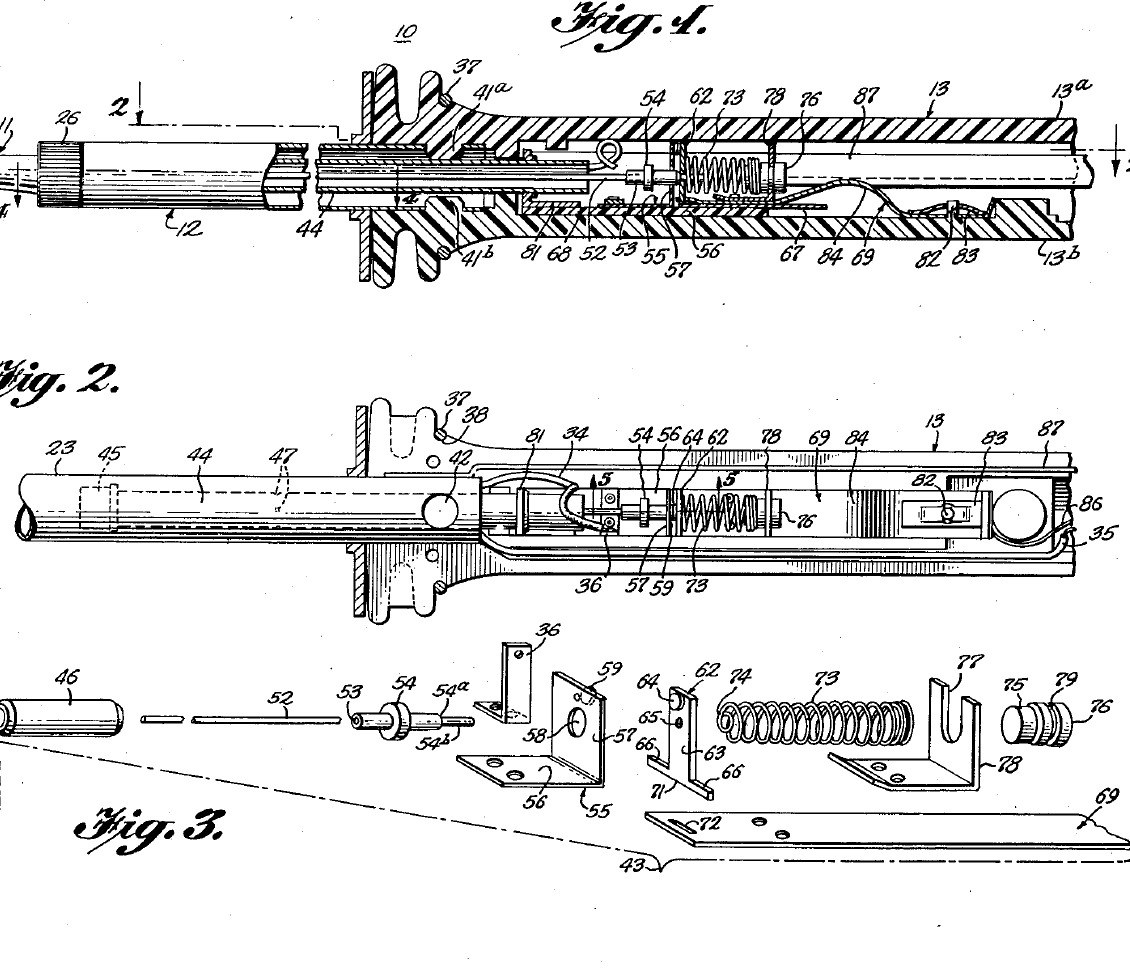


Soldering Iron: Temperature Controlled by a Curie-Point Tip and a Magnet Switch (Weller, US 3,188,448, 1965)
A soldering iron that holds its own tip temperature. At the back of the copper tip sits a slug of nickel-iron alloy that stops being magnetic above a set temperature (its Curie point). A small Alnico magnet behind it is pulled forward while the slug is cool, closing a switch that feeds the heater; once the tip is hot the slug lets go, a steel bushing pulls the magnet back and the switch opens. Swap tips to choose 600, 700 or 800 °F.
Result: a 55-watt temperature-controlled iron idling near 700 °F instead of running ever hotter.
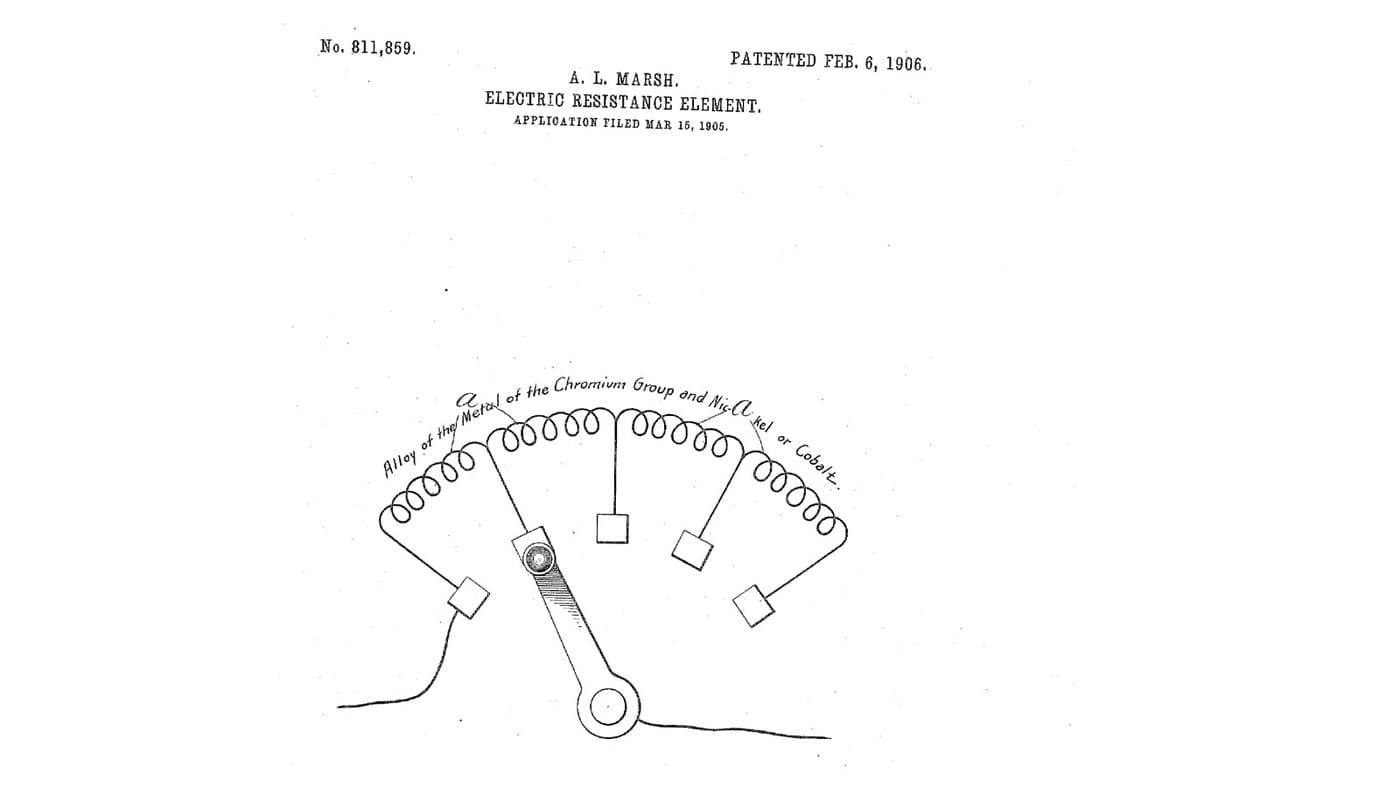
Source: C. E. Weller, US 3,188,448 (1965). Unknown: the plating baths, the heater wire and insulation, most sizes. Picture: the patent drawing.
Osezingeni eliphezulu
Unknown
Imiyalelo
1
1
Make the tip and control slug
Make the tip and control slug
Turn the tip from tellurium copper: a cylindrical body, a taper and a chisel end (any shape suits the work). Plate it first with iron, which keeps the copper out of the molten solder, then with nickel, which shuts out the air. Bore its rear end and fit tightly into it the shank of a slug of thermomagnetic nickel-iron alloy, such as 48 % nickel, 3 % molybdenum and the rest iron, or about 43 % nickel and the rest iron. The alloy sets the control point: make tips for 600, 700 and 800 °F. Not given: the plating baths, sizes.
Izinto zokwakha zalesi sinyathelo:
 Induku yethusi ene-tellurium1 tip
 Ingxube ye-nickel nensimbi ye-thermomagnetic1 control slug
Amathuluzi adingekayo:
 Umshini Wokuphendula Insimbi
 Isethi yokufaka insimbi ngogesi
 Izilinganiso ezingaziwa
2
2
Wind the heater barrel
Wind the heater barrel
Make the barrel of two stainless steel tubes: an inner spool the tip slides into snugly, and an outer cover tube joined to it at the front, with a thread and screw cap to hold the tip. In the space between them wind the heater from one length of resistance wire: an inner layer, then an outer layer wound the opposite way so their fields cancel, with insulating sheet inside, between and outside the layers. Silver-solder heat-resistant leads to its ends. Ours: nichrome wire. Not given: the insulating sheet, the turns.
Izinto zokwakha zalesi sinyathelo:
 Ishubhu lensimbi engagqwali2 spool and cover tube
 Ucingo lwe-nichrome1 heater
 Into evimbela ugesi engaziwa1 three sheet layers
 Insimbi engaziwa1 leads
 Isoda Lesiliva1 as needed
Amathuluzi adingekayo:
 Isibani Se-propaneUmshini Wokuphendula Insimbi
3
3
Build the magnet switch
Build the magnet switch
In a stainless steel sleeve about 2.4 in long, close the front with a non-magnetic thermal bushing. Behind it slides a cylindrical Alnico V magnet, then a non-magnetic spacer about 0.032 in thick, then a cold-drawn steel bushing about 0.50 in long held by dents in the sleeve; the magnet's stroke is about 0.015 in. A push rod runs from the magnet through the bushing to an insulator. On a melamine plate, hinge a moving contact between a thin conducting strip and a holding strip, facing a flexible contact; a spring of fourteen coils of 0.010 in music wire, 0.210 in across, presses the moving contact toward the flexible one. Rivet the spring bracket to the holding strip. Not given: the contact metals.
Izinto zokwakha zalesi sinyathelo:
Ishubhu lensimbi engagqwali1 sleeve Uzibuthe we-Alnico1 ucezu
 Ubhamu Oluyindilinga Lwensimbi Ethambile1 magnetic bushing, push rodInsimbi engaziwa1 thermal bushing, spacer, contacts, strips, brackets
 Okokwakha okungaziwa1 insulator
 Ishidi le-melamine1 base plate
 Ucingo lwensimbi ye-spring1 0.010 in music wire spring
Amathuluzi adingekayo:
Umshini Wokuphendula Insimbi Isethi yama-rivet
 Udlawu Olunezihloko Eziyindilinga
4
4
Assemble the handle and use
Assemble the handle and use
Mould the handle in two plastic halves with a socket at the front whose bosses lock the cover tube. Lay in the switch unit, held only by the bowed tail of its holding strip on an anchor pin with a speed nut, so it floats and its thermal bushing presses on the tip's slug. Wire the heater, the switch and a ground lead from the cover tube to the cord. Rivet the halves near the butt and fit a split ring near the front. In use, below the control point the slug pulls the magnet forward and the spring closes the contacts; above it the steel bushing pulls the magnet back and the push rod opens them. At idle the heater runs only about 30 to 40 % of the time. Not given: the plastic.
Izinto zokwakha zalesi sinyathelo:
Okokwakha okungaziwa1 handle halvesInsimbi engaziwa1 rivet, split ring, speed nut Intambo egobekayo enepulaki1 ucezu
Amathuluzi adingekayo:
 Umshini wokubumba ngokujovaIsethi yama-rivet
Izinto
13- Isibambeli
- 1 control slugIsibambeli
- 1 sleeveIsibambeli
- 1 heaterIsibambeli
- 1 three sheet layersIsibambeli
- 1 rivet, split ring, speed nutIsibambeli
- 1 as neededIsibambeli
- 1 ucezuIsibambeli
- 1 magnetic bushing, push rodIsibambeli
- 1 handle halvesIsibambeli
- 1 base plateIsibambeli
- 1 0.010 in music wire springIsibambeli
- 1 ucezuIsibambeli
Amathuluzi Adingekayo
7- Isibambeli
- Isibambeli
- Isibambeli
- Isibambeli
- Isibambeli
- Isibambeli
- Isibambeli
Izinto Zokwakha Ze-Blueprint Exhunyiwe

Le blueprint yenza

CC0 Isizinda Somphakathi
Le blueprint ikhishwe ngaphansi kwe-CC0. Ukhululekile ukukopisha, ukuguqula, ukusabalalisa, nokusebenzisa ngaphandle kwemvume.
Sekela uMenzi ngokuthenga imikhiqizo nge-Blueprint yabo IKhomishane Yomenzi kumiswe ngabathengisi, noma dala inguqulo entsha yale Blueprint bese uyifaka njengoxhumaniso ku-Blueprint yakho ukuze wabelane ngemali engenayo.