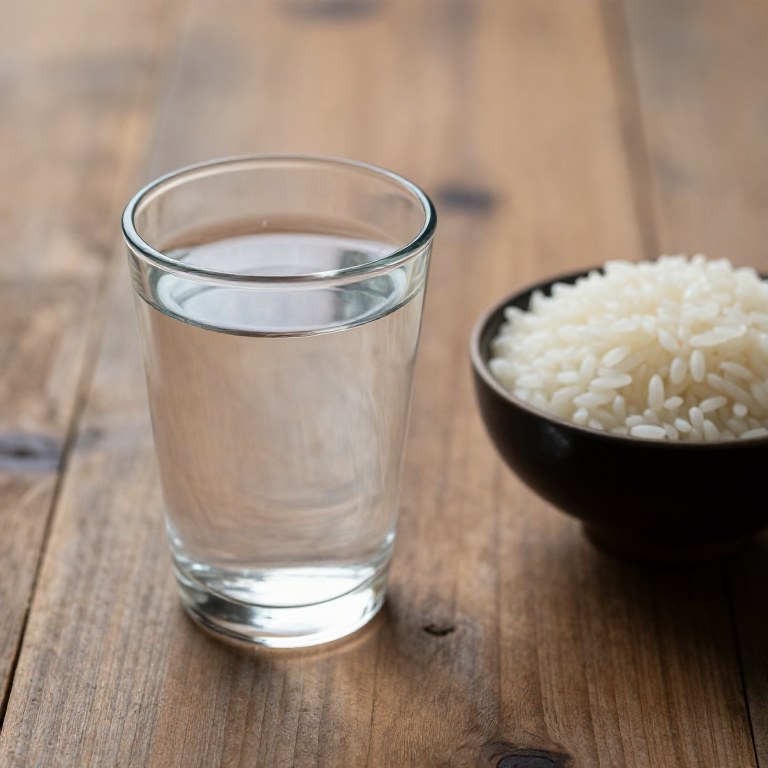

Arrack (Spirit of Rice): Rice Flour Gelatinised, Saccharified with Malt, Fermented and Distilled (Byrn, 1868)
Instruções
Read Byrn, and the law
Read Byrn, and the law
The still
The still
His measures in metric
His measures in metric
Grind rice and malt fine
Grind rice and malt fine
Materiais para este passo:
 Arroz branco1 as required
 Malte pálido1 as required
Ferramentas necessárias:
 Moinho de grão
Rice and water, 77-80 F
Rice and water, 77-80 F
Materiais para este passo:
 Água1 as required
Ferramentas necessárias:
 Tina de madeira
 Colher de pau
 Termómetro de cozinha
Steep the malt apart
Steep the malt apart
Materiais para este passo:
Água1 as requiredFerramentas necessárias:
 Panela grandeTermómetro de cozinha
Thicken to 180 F
Thicken to 180 F
Materiais para este passo:
Água1 as requiredFerramentas necessárias:
Panela grandeColher de pauTermómetro de cozinhaMash in the malt
Mash in the malt
Ferramentas necessárias:
Tina de madeiraColher de pauThin and cool
Thin and cool
Materiais para este passo:
Água1 as requiredFerramentas necessárias:
 DensímetroTermómetro de cozinha
Ferment as for corn
Ferment as for corn
Materiais para este passo:
 Levedura cervejeira1 as required
Ferramentas necessárias:
 Barril de madeiraTermómetro de cozinha
Charge and lute the still
Charge and lute the still
Materiais para este passo:
 Carbonato de cálcio (branco de espanha)1 as required
 Farinha de centeio1 as requiredÁgua1 as required
Ferramentas necessárias:
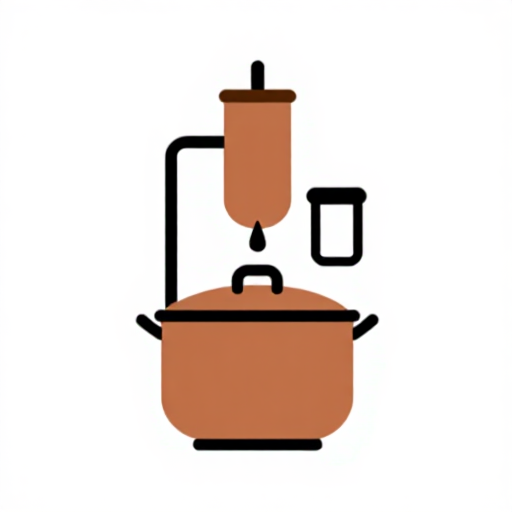 Alambique de destilação
Raise the fire by degrees
Raise the fire by degrees
Ferramentas necessárias:
Alambique de destilação Cobertor de lã tecido
Set aside the first runnings
Set aside the first runnings
Ferramentas necessárias:
 Jarro medidor
Run the low wines
Run the low wines
Ferramentas necessárias:
Alambique de destilação VelaBarril de madeiraDensímetro
Double the low wines
Double the low wines
Ferramentas necessárias:
Alambique de destilaçãoCut at the bead
Cut at the bead
Ferramentas necessárias:
 Frasco de vidro (pequeno, para amostras)Jarro medidor
Collect the feints, stop the fire
Collect the feints, stop the fire
Ferramentas necessárias:
Barril de madeiraVelaBring to proof
Bring to proof
Materiais para este passo:
Água1 as requiredFerramentas necessárias:
DensímetroJarro medidorRedistil the feints
Redistil the feints
Materiais para este passo:
 Sal1.8 kg
Ferramentas necessárias:
Alambique de destilaçãoKeep it in glass
Keep it in glass
Materiais para este passo:
 Garrafas de vidro com rolhas1 peça
Ferramentas necessárias:
Jarro medidorTroubleshooting
Troubleshooting
Flow
History and honest limits
History and honest limits
Materiais
8- 1 as requiredReferência
- 1 as requiredReferência
- 6 as requiredReferência
- 1 as requiredReferência
- 1 as requiredReferência
- 1 as requiredReferência
- 1.8 kgReferência
- Referência
Ferramentas necessárias
12- Referência
- Referência
- Referência
- Referência
- Referência
- Referência
- Referência
- Referência
- Referência
- Referência
- Referência
- Referência
Materiais de Blueprints conectados


Este projeto faz
Blueprints relacionados
Estes blueprints compartilham conhecimento — técnicas, materiais ou princípios
Malt Whisky: Malt and Barley Meal Mashed at 150 F, Fermented 8 to 12 Days and Distilled (Byrn, 1868)
por Alchometer
Bebidas Alcoólicas
Dutch Geneva (Genever): Malt and Rye Mashed at 162 F, Distilled Three Times with Juniper and Hops (Byrn, 1868)
por Alchometer
Bebidas Alcoólicas
Brewing Sake Rice Wine — Parallel Fermentation with Koji
por Alchometer
Cervejaria
CC0 Domínio Público
Este blueprint é liberado sob CC0. Você é livre para copiar, modificar, distribuir e usar este trabalho para qualquer finalidade, sem pedir permissão.
Apoie o Maker comprando produtos através do Blueprint, onde ele ganha uma Comissão Maker definida pelos vendedores, ou crie uma nova versão deste Blueprint e inclua-o como conexão no seu próprio Blueprint para compartilhar receita.