
ARTE
BELEZA E BEM-ESTAR
ARTESANATO
CULTURA E HISTÓRIA
ENTRETENIMENTO
MEIO AMBIENTE
COMIDA E BEBIDAS
ENGENHARIA REVERSA
CIÊNCIAS
ESPORTES
TECNOLOGIA
TECNOLOGIA VESTÍVEL
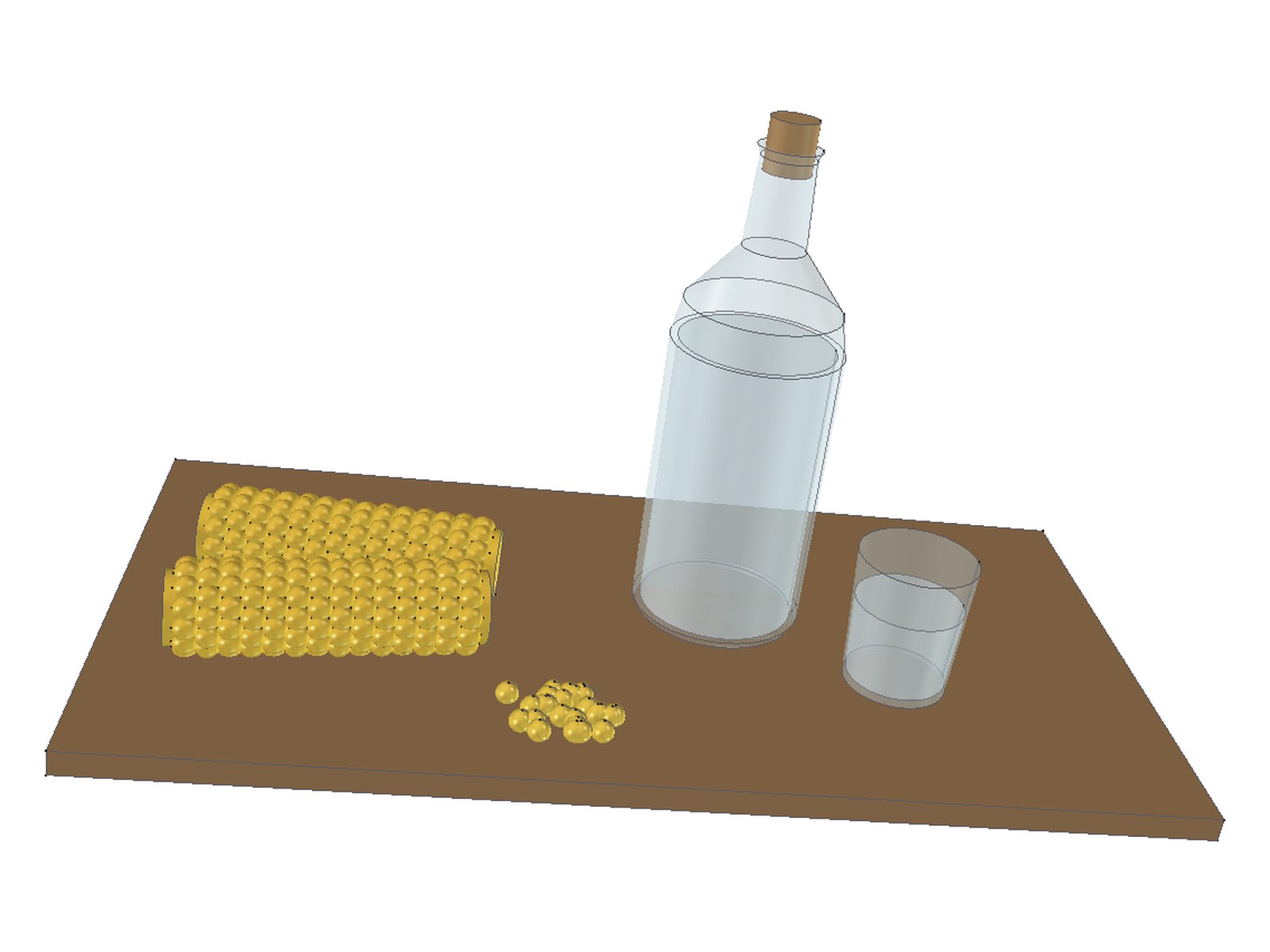
Corn Whiskey (Moonshine): Indian Corn Alone, Scalded, Malted, Singled and Doubled (Hall, 1818)
Alchometer

Criado por

Alchometer

19. novembro 2026GB
2
0
0
1
0

Corn Whiskey (Moonshine): Indian Corn Alone, Scalded, Malted, Singled and Doubled (Hall, 1818)

Plain corn whiskey, the clear spirit called moonshine, with no flavouring, as Harrison Hall mashes Indian corn alone in The Distiller (Philadelphia, 1818). Cornmeal is soaked at 110 F, scalded with boiling water and malted, then fermented with yeast and returns. It is distilled to singlings, then doubled, and cut when the proof is off. Distilling spirits without a licence is illegal in many countries: check your law first.
Avançado
About 1 week

Instruções

1

Read Hall, and the law

Hall on corn alone: "This should be avoided if possible, the weight of corn being very great, and having a very small proportion of bran, it sinks to the bottom of the hogshead and is consequently difficult to be fermented." Ours: distilling spirits without a licence is illegal in many countries, Norway and the United States among them. Check your law first.
2

The still

A pot still with a worm in a tub of cold water.
3

Your size

A carregar o notebook Jupyter…
4

Scald a clean cask

Scald the mashing cask completely and keep anything acid out of it. Hall: the grand secret of good fermentation is cleanliness.

Ferramentas necessárias:

Barril de madeiraBarril de madeira
Panela grandePanela grande
5

Soak the meal at 110 F

Put the first water, at about 110 F (43 C), in the cask. Stir in the cornmeal well and let it stand one to two hours.

Materiais para este passo:

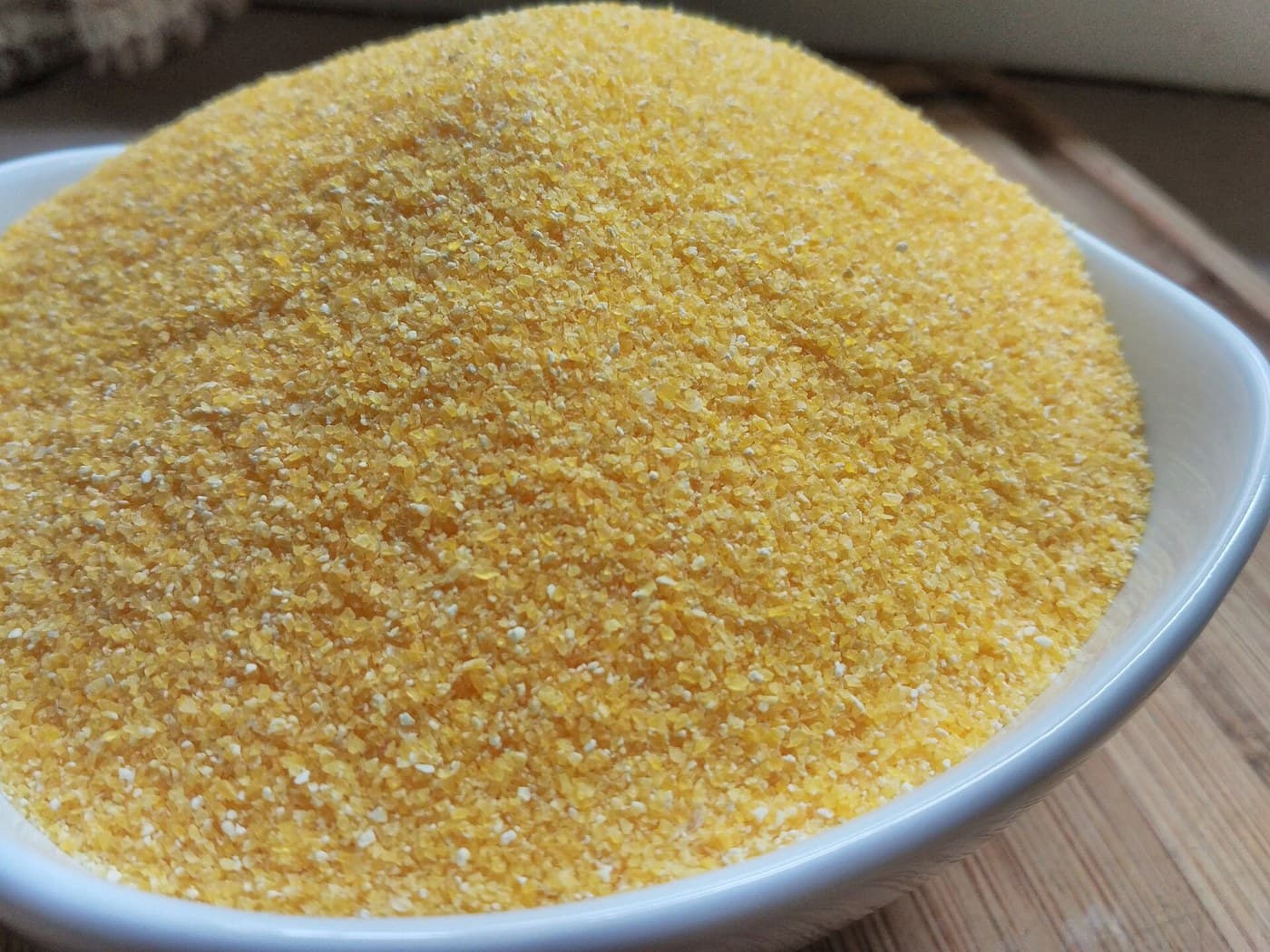
Fubá de milhoFubá de milho1 as required
ÁguaÁgua1 as required

Ferramentas necessárias:
Barril de madeiraBarril de madeira
Pá de madeiraPá de madeira
Termómetro de cozinhaTermómetro de cozinha
Balança digital de cozinhaBalança digital de cozinha
6

Scald with boiling water

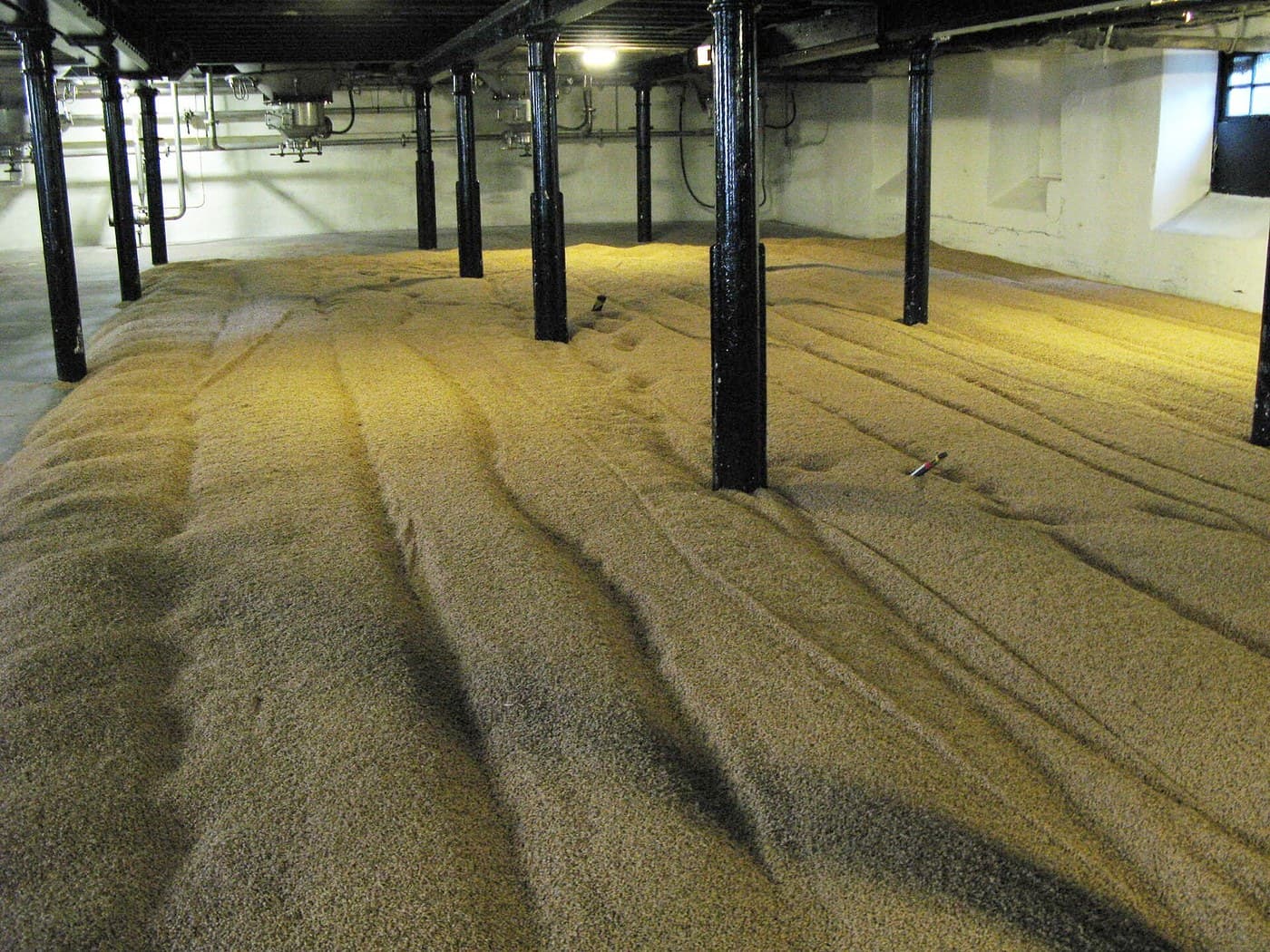
Add the boiling water (twice the first), stir it well and cover it for thirty minutes. Well scalded corn cracks, water oozes from the cracks, the oar moves freely and little sticks to it.

Materiais para este passo:

ÁguaÁgua1 as required

Ferramentas necessárias:

Panela grandePanela grande
Pá de madeiraPá de madeira
7

Add the malt

Add the ground malt and stir it often until it is fit to cool off. Hall's rate: 10 to 15 lb a hogshead in cold weather, less in warm.

Materiais para este passo:

Malte pálidoMalte pálido1 as required

Ferramentas necessárias:

Pá de madeiraPá de madeira
8

Cool off and yeast

Cool it off with returns and water, warmer than a mixed-grain mash (that one: 80-90 F in winter, 75 F in summer), and fill the cask within six inches of the top. Stir in yeast: corn alone needs more than the one or two quarts of a mixed mash. Cover it. Ours: on your first batch there are no returns yet, so use water.

Materiais para este passo:

Levedura cervejeiraLevedura cervejeira1 as required
ÁguaÁgua1 as required

Ferramentas necessárias:

Barril de madeiraBarril de madeira
Termómetro de cozinhaTermómetro de cozinha
Pá de madeiraPá de madeira
9

Ferment until fit for the still

Leave it covered and at rest. Hall's mixed mash is fit for the still in 50 or 60 hours.

Ferramentas necessárias:

Barril de madeiraBarril de madeira
10

Charge and paste the still

Charge the still with the wash. Keep stirring until it boils, so the corn does not burn on. Paste the joints with rye meal and water, well worked in the hand.

Materiais para este passo:

Farinha de centeioFarinha de centeio1 as required
ÁguaÁgua1 as required

Ferramentas necessárias:

Alambique de destilaçãoAlambique de destilação
Pá de madeiraPá de madeira
11

Run the singlings

Run the singlings through a flannel strainer. If wash runs out of the worm, damp the fire. Stop when a little thrown on the still head no longer burns at a candle.

Ferramentas necessárias:

Alambique de destilaçãoAlambique de destilação
Flanela de lã (para filtrar)Flanela de lã (para filtrar)
VelaVela
Jarro medidorJarro medidor
12

Keep the returns

Let the spent wash settle. The thin top part is the returns for the next mash. Hall: they add about a tenth to the yield, but leave them out for a week now and then.

Ferramentas necessárias:

Barril de madeiraBarril de madeira
13

Double: first shot back

Put the singlings in the still again. The first running, the first shot, goes back into the singlings.

Ferramentas necessárias:

Alambique de destilaçãoAlambique de destilação
Frasco de vidro (pequeno, para amostras)Frasco de vidro (pequeno, para amostras)
14

Cut when the proof is off

Run spirit into a clean receiver until the proof is off: no bubbles stay on top of the liquor in the receiver. That is your corn whiskey.

Ferramentas necessárias:

Jarro medidorJarro medidor
Frasco de vidro (pequeno, para amostras)Frasco de vidro (pequeno, para amostras)
15

Feints to the next doubling

Run the rest as long as it will burn: the feints. Keep them apart and run them again in the next doubling. Never mix feints into the whiskey. Keep a wet sheet ready for the doubling still.

Ferramentas necessárias:

Barril de madeiraBarril de madeira
VelaVela
Pano de algodãoPano de algodão
16

Bottle it clear

Bottle the clear whiskey and stopper it. Nothing is added: this is the plain spirit.

Ferramentas necessárias:

Garrafas de vidro com rolhasGarrafas de vidro com rolhas
17

Troubleshooting

Corn whiskey problems and fixes.

Flow

Loading...
18

History and honest limits

**Harrison Hall**, *The Distiller* (2nd ed., Philadelphia, 1818), pp. 100, 121-128, 150, 198, 225-226, 231. Hall does not say how much warmer to cool off corn alone, or how much more yeast it needs; neither do we. Ours: the metric figures, water in place of returns on the first batch, the law note.

Materiais

5

Ferramentas necessárias

12

CC0 Domínio Público

Este blueprint é liberado sob CC0. Você é livre para copiar, modificar, distribuir e usar este trabalho para qualquer finalidade, sem pedir permissão.

Apoie o Maker comprando produtos através do Blueprint, onde ele ganha uma Comissão Maker definida pelos vendedores, ou crie uma nova versão deste Blueprint e inclua-o como conexão no seu próprio Blueprint para compartilhar receita.

Discussão

(0)

Entrar para participar da discussão

Carregando comentários...