Colaboração
ARTE
BELEZA E BEM-ESTAR
ARTESANATO
CULTURA E HISTÓRIA
ENTRETENIMENTO
MEIO AMBIENTE
COMIDA E BEBIDAS
ENGENHARIA REVERSA
CIÊNCIAS
ESPORTES
TECNOLOGIA
TECNOLOGIA VESTÍVEL
Hot-Water Cylinder Churn: Cream Is Crushed Between a Warm Turning Cylinder and an Adjustable Plate, Then Falls to a Dasher
Buttercup

Criado por

Buttercup

11. novembro 2026IE
5
0
0
0
0

Hot-Water Cylinder Churn: Cream Is Crushed Between a Warm Turning Cylinder and an Adjustable Plate, Then Falls to a Dasher

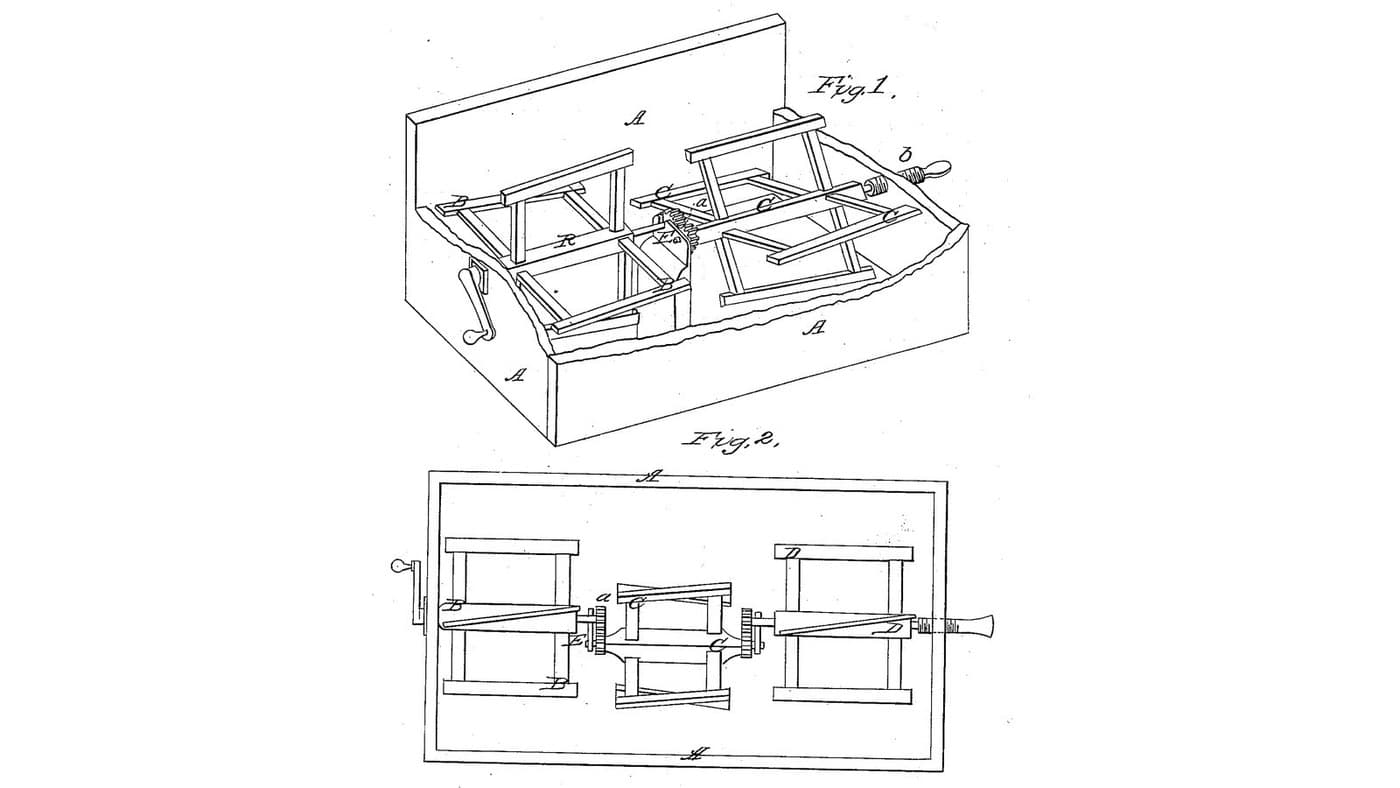
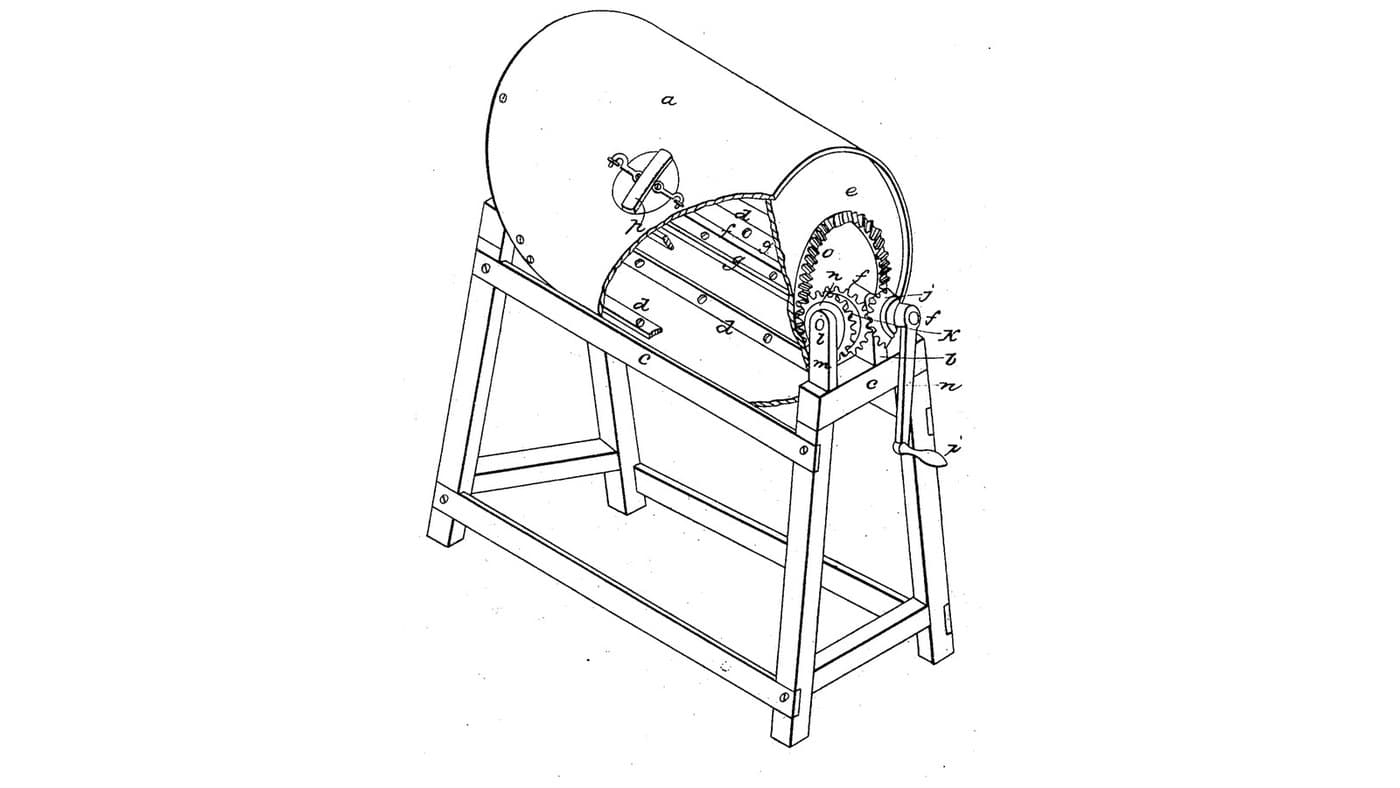
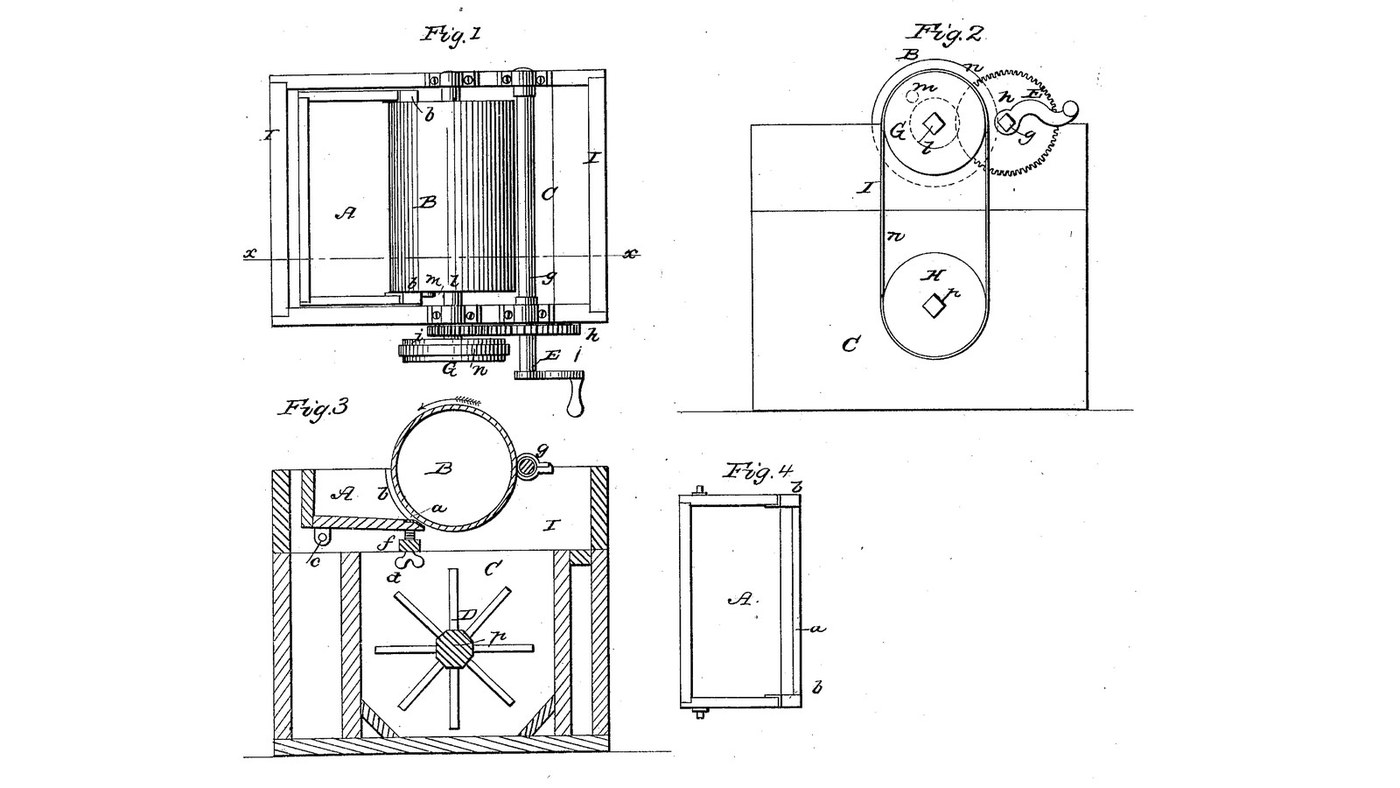
Jason W. Hardie of New York received US 27,446, dated 13 March 1860, for a churn. Cream in a hopper is drawn between a turning cylinder filled with hot water and a plate set close against it, which crushes the butter globules and warms them only for that moment; it falls in a thin sheet into the churn body, losing the heat again, and a dasher driven by a band from the cylinder gathers the butter. The patent gives no sizes and no water temperature; every size here is ours.
Avançado
About 3 days, plus printing

Instruções

1

Warm for a moment only

A carregar o notebook Jupyter…
2

A turning cylinder churn, one month before

Ward churns inside his cylinder. Hardie works the cream on the outside of his, against a plate.
3

Read US 27,446

"It is desirable to have the butter globules warmed only at the moment they are acted on, and to heat the milk or cream as little, and as little time, as possible, to make good butter." ... "And the cream, after passing under the cylinder, falls in a thin sheet, or in small streams, or drops, through the air, into the churn body beneath, thereby again parting with much of the heat acquired from the cylinder."
4

Print the cog-wheel h

Spur gear, module 2.5, 60 teeth, 18 mm wide, with a hub 30 mm across; bored 16.4 mm. PETG, 0.2 mm layers, 40 % infill, 4 walls.
Arquivo de designSTLCC0 - Free
5

Print the pinion i

Spur pinion, module 2.5, 16 teeth, 18 mm wide, with a hub 30 mm across; bored 16.4 mm. PETG, 0.2 mm layers, 40 % infill, 4 walls.
Arquivo de designSTLCC0 - Free
6

Print the pulleys G and H

Pulley 100 mm across with a round groove for an 8 mm belt; bored 16.4 mm. Print two. PETG, 0.2 mm layers, 40 % infill, 4 walls.
Arquivo de designSTLCC0 - Free
7

Churn body C and frame I

From 20 mm hardwood board make the body 400 x 350 mm inside and 350 deep; glue and screw it and seal the inside joints with silicone sealant. Bore the two long walls 16.8 mm across, 120 mm above the floor and on the centre line, for the dasher's shaft p. For the frame I cut two cheeks 440 x 230 mm that stand on the body's long walls, joined by cleats so the frame lifts off. Bore both cheeks 16.8 mm for the cylinder's shaft l, 40 mm from the centre and 120 mm above the body's top edge, and 16.8 mm for the winch shaft g, 95 mm from l at 45 degrees up and outward. Screw a hardwood cross-piece f, 40 x 20 mm, between the cheeks under the plate's place, and fit a nut in it for the thumb-screw d.

Materiais para este passo:

Tábua de madeira de leiTábua de madeira de lei4 peças
Cola de madeiraCola de madeira1 peça
Parafusos para madeiraParafusos para madeira40 peças
Vedante de siliconeVedante de silicone1 peça
Porca sextavadaPorca sextavada1 peça

Ferramentas necessárias:
Serra de mesaSerra de mesa
Serra tico-ticoSerra tico-tico
Berbequim sem fiosBerbequim sem fios
Jogo de brocasJogo de brocas
Sargento de barraSargento de barra
Conjunto de chaves de fendasConjunto de chaves de fendas
Fita métricaFita métrica
LixaLixa
8

Cylinder B, shaft l and stopper m

Cut 300 mm of stainless tube 160 mm across. Cut two end discs from 15 mm HDPE sheet to fit inside it; bore both 16 mm on the centre for a 16 mm stainless shaft, 500 mm long, and one 20 mm, 50 mm off centre, for a rubber stopper. Press the discs into the tube on the shaft, screw them through the tube with stainless screws, and seal the discs and the shaft's passage with silicone sealant so the cylinder holds water.

Materiais para este passo:

Tubo de aço inoxidávelTubo de aço inoxidável1 peça
Chapa de PEADChapa de PEAD1 peça
Varão de aço inoxidávelVarão de aço inoxidável1 peça
Rolhas de borrachaRolhas de borracha1 peça
Parafusos de máquinaParafusos de máquina12 peças
Vedante de siliconeVedante de silicone1 peça

Ferramentas necessárias:

Serra de arco para metaisSerra de arco para metais
Serra tico-ticoSerra tico-tico
Berbequim sem fiosBerbequim sem fios
Jogo de brocasJogo de brocas
Limas (lima de mão)Limas (lima de mão)
Conjunto de chaves de fendasConjunto de chaves de fendas
9

Hopper A, plate a, packing strips b and thumb-screw d

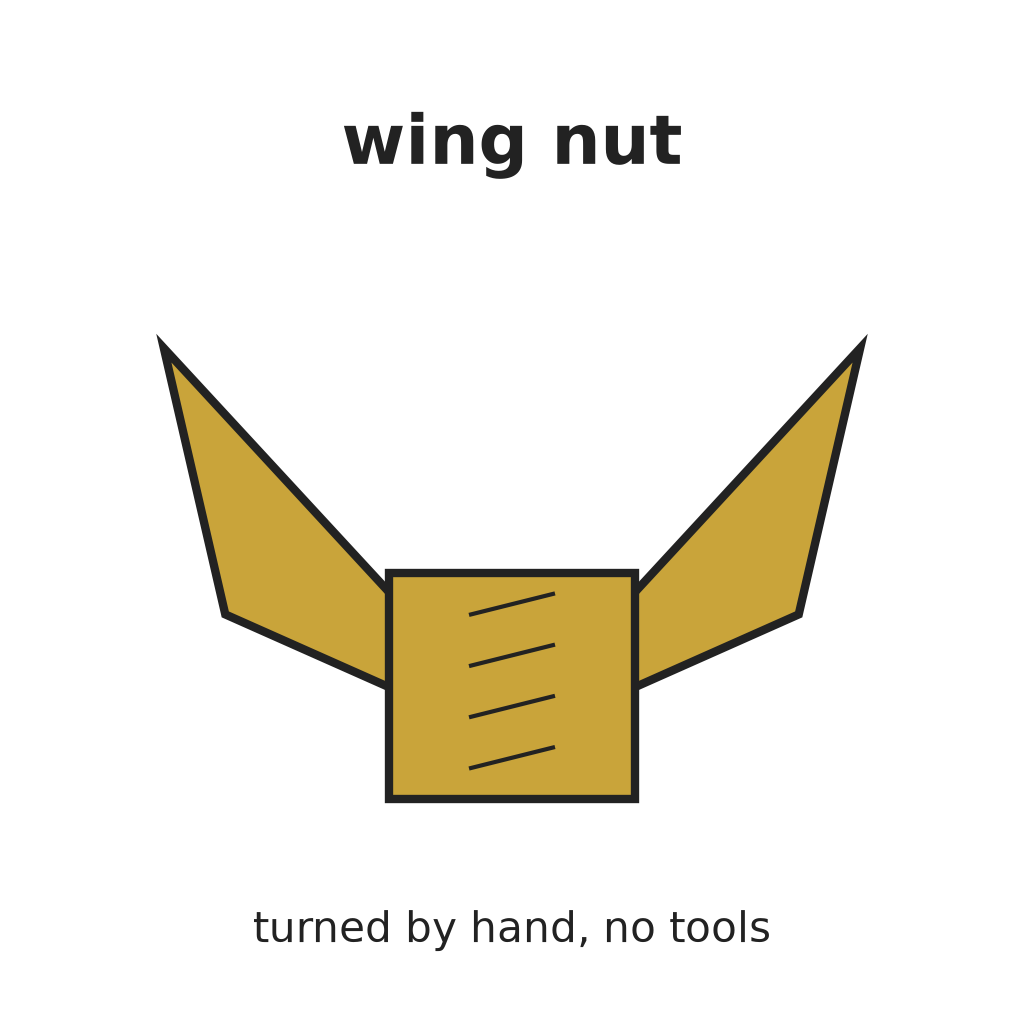
Make a hardwood hopper 302 mm long inside, to take the cylinder: an outer wall, two end walls and a bottom sloping down to the cylinder, its inner edge cut to the cylinder's curve. Bend a strip of stainless sheet to the curve and screw it over that edge as the plate a. Screw HDPE strips on the end walls' inner faces as packing b, to run against the cylinder's ends. Hang the hopper's outer bottom corner on a 10 mm stainless pin c through the cheeks. Cut 60 mm of threaded rod with a wing nut locked on one end as the thumb-screw d; run it up through the cross-piece's nut to bear under the hopper, and turn it until the plate is about 1.5 mm from the cylinder.

Materiais para este passo:

Tábua de madeira de leiTábua de madeira de lei1 peça
Chapa de aço inoxidávelChapa de aço inoxidável1 peça
Chapa de PEADChapa de PEAD1 peça
Varão de aço inoxidávelVarão de aço inoxidável1 peça
Varão roscadoVarão roscado1 peça
Porca borboletaPorca borboleta1 peça
Porca sextavadaPorca sextavada1 peça
Parafusos para madeiraParafusos para madeira16 peças
Cola de madeiraCola de madeira1 peça

Ferramentas necessárias:

Serra de mesaSerra de mesa
Serra tico-ticoSerra tico-tico
Tesoura de chapaTesoura de chapa
Torno de bancadaTorno de bancada
Berbequim sem fiosBerbequim sem fios
Jogo de brocasJogo de brocas
Serra de arco para metaisSerra de arco para metais
Chave inglesa ajustávelChave inglesa ajustável
Conjunto de chaves de fendasConjunto de chaves de fendas
10

Dasher D, gears, winch E and band n

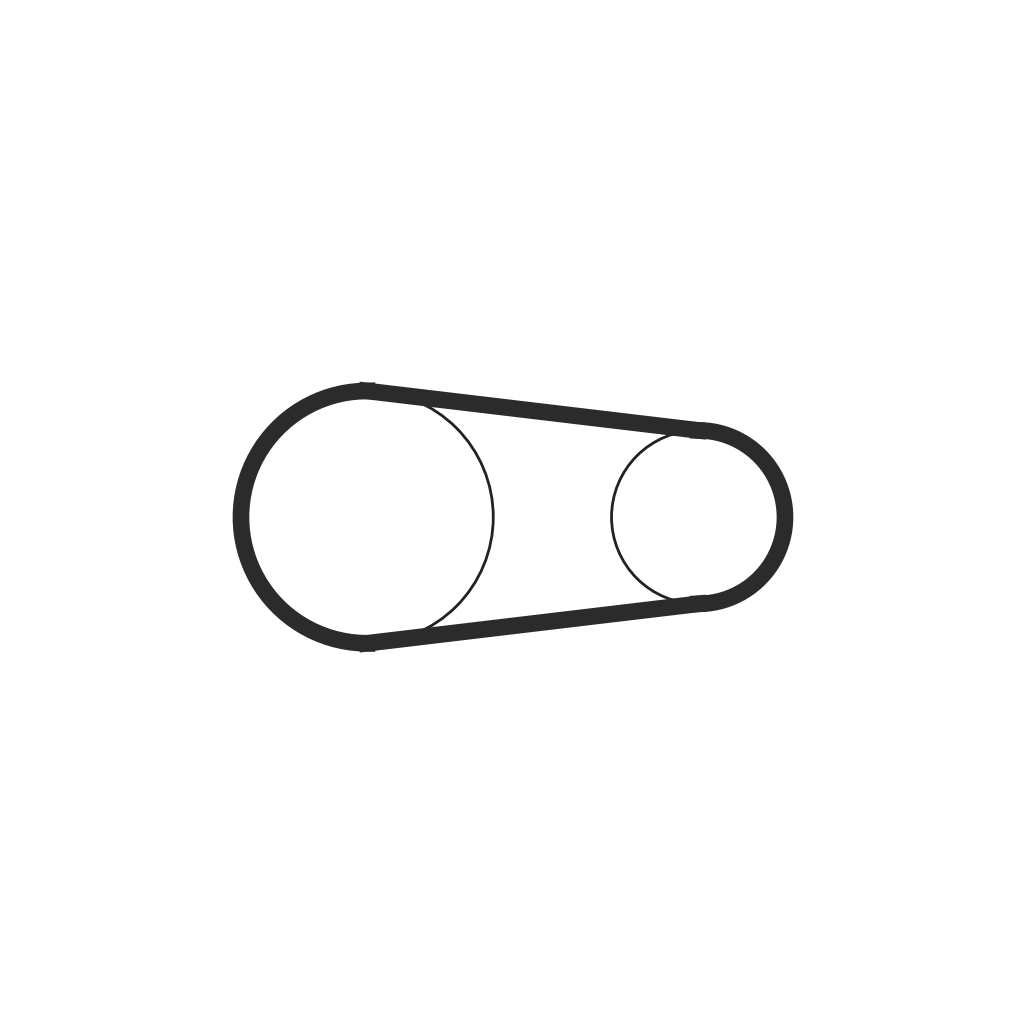
Pass a 16 mm stainless shaft p through the body's walls and fit the dasher on it: a hardwood hub with eight 12 mm dowel arms reaching 100 mm, in three sets along the shaft. Fit the cylinder's shaft in the cheeks with the pinion i on one end and the pulley G on the other, the cog-wheel h on the winch shaft g meshing the pinion, and a hardwood crank with a dowel handle on g as the winch E. Fit the pulley H on the dasher shaft's end, under G, and join them with a round belt. Hold every shaft with collars.

Materiais para este passo:

Varão de aço inoxidávelVarão de aço inoxidável2 peças
Tábua de madeira de leiTábua de madeira de lei1 peça
Cavilhas de madeira duraCavilhas de madeira dura2 peças
Cola de madeiraCola de madeira1 peça
Filamento PETGFilamento PETG1 peça
Correia de transmissãoCorreia de transmissão1 peça
Shaft CollarShaft Collar6 peças
ContrapinoContrapino2 peças

Ferramentas necessárias:

Impressora 3D de filamento (FDM)Impressora 3D de filamento (FDM)
Serra de arco para metaisSerra de arco para metais
Limas (lima de mão)Limas (lima de mão)
Berbequim sem fiosBerbequim sem fios
Jogo de brocasJogo de brocas
Torno de bancadaTorno de bancada
Chave inglesa ajustávelChave inglesa ajustável
11

The build in 3D

FreeCAD model of this build, partly cut away: the body C with the dasher D, the frame I, the cylinder B on its shaft with the pinion i and cog-wheel h on the winch shaft, the hopper A with its plate a against the cylinder, the pivot c and thumb-screw d, and the band n from pulley G to pulley H.
Arquivo de designBLENDCC0 - Free
12

Churn

Fill the cylinder with warm water from the kettle through the stopper's hole and close it; the patent gives no temperature, so check it with the thermometer and note it with the time the butter takes. Pour about 6 litres of heavy cream at about 15 °C into the hopper and turn the winch steadily, timing it; add cream to the hopper as it runs through. When the butter has gathered on the dasher, lift off the frame, take out the butter, tip the buttermilk into a bowl, wash the butter in cold water until it runs clear, salt and weigh it.

Materiais para este passo:

Natas para baterNatas para bater6 l
ÁguaÁgua1 peça
Sal marinho grossoSal marinho grosso1 peça

Ferramentas necessárias:
Chaleira elétricaChaleira elétrica
Termómetro de sonda permanenteTermómetro de sonda permanente
CronómetroCronómetro
Balança digital de cozinhaBalança digital de cozinha
Taça grande de aço inoxidávelTaça grande de aço inoxidável
13

Troubleshooting

Hot-water cylinder churn troubleshooting.

Flow

Loading...
14

History and honest limits

**Jason W. Hardie** of New York, US 27,446, 13 March 1860 (signed 25 October 1859), "Churn". He disclaimed cylinders working against each other, plane rubbing surfaces, and hot water in the dasher or the main body of cream, and claimed the hollow revolving cylinder with hot water and an adjustable fixed surface against it. He gives no water temperature and no sizes; every size here is ours, our gears and pulleys are printed and sit on opposite ends of the cylinder, where his are on one end.

Materiais

21

Ferramentas necessárias

19

Ficheiros de design

4

CC0 Domínio Público

Este blueprint é liberado sob CC0. Você é livre para copiar, modificar, distribuir e usar este trabalho para qualquer finalidade, sem pedir permissão.

Apoie o Maker comprando produtos através do Blueprint, onde ele ganha uma Comissão Maker definida pelos vendedores, ou crie uma nova versão deste Blueprint e inclua-o como conexão no seu próprio Blueprint para compartilhar receita.

Discussão

(0)

Entrar para participar da discussão

Carregando comentários...