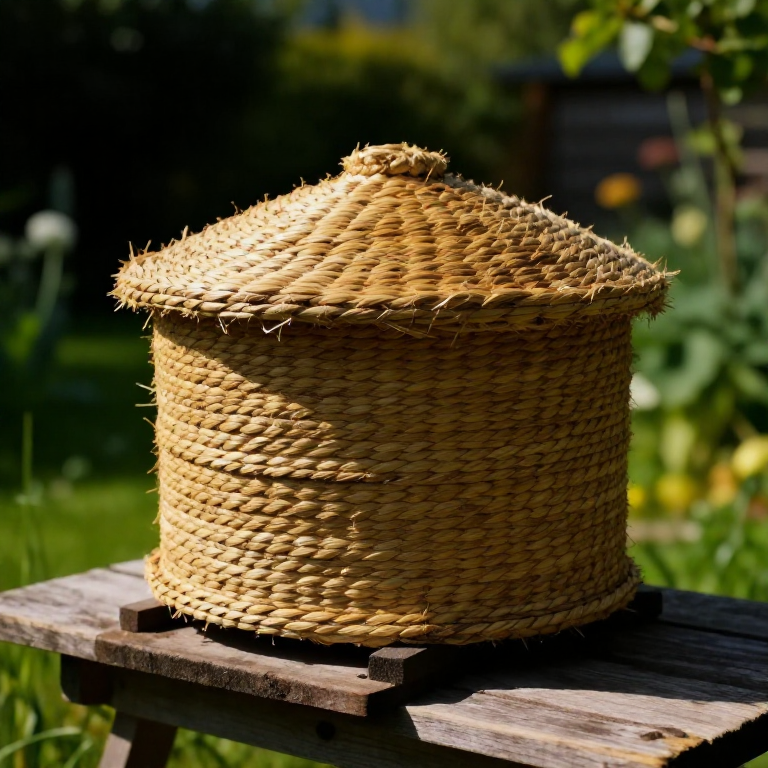


Making a Coiled-Straw Bee Skep — The Traditional Beehive Before Wooden Boxes
Instruções
Harvest and clean long rye straw
Harvest and clean long rye straw
Materiais para este passo:
 Palha de centeio1 feixe
Ferramentas necessárias:
 Faca
FacaSplit and soak the binding cane
Split and soak the binding cane
Materiais para este passo:
 Cana rachada1 feixe
 Água3 litros
Ferramentas necessárias:
FacaMake the girth gauge
Make the girth gauge
Ferramentas necessárias:
 Calibre de perímetro para colmeia de palha
Bind the crown
Bind the crown
Materiais para este passo:
Palha de centeio1 feixeCana rachada1 metroFerramentas necessárias:
 Sovela
Feed straw into an even rope
Feed straw into an even rope
Materiais para este passo:
Palha de centeio1 feixeFerramentas necessárias:
Calibre de perímetro para colmeia de palhaSew the first coils to the crown
Sew the first coils to the crown
Materiais para este passo:
Cana rachada1 metroFerramentas necessárias:
SovelaSpiral outward to start the dome
Spiral outward to start the dome
Materiais para este passo:
Palha de centeio1 feixeCana rachada1 metroFerramentas necessárias:
SovelaBuild the domed wall downward
Build the domed wall downward
Materiais para este passo:
Palha de centeio1 feixeCana rachada1 metroFerramentas necessárias:
SovelaCalibre de perímetro para colmeia de palhaKeep the courses even
Keep the courses even
Materiais para este passo:
Palha de centeio1 feixeFerramentas necessárias:
SovelaWiden to the finished base
Widen to the finished base
Materiais para este passo:
Palha de centeio1 feixeCana rachada1 metroFerramentas necessárias:
SovelaCut the flight entrance
Cut the flight entrance
Ferramentas necessárias:
FacaFinish and lock the base coil
Finish and lock the base coil
Materiais para este passo:
Cana rachada1 metroFerramentas necessárias:
SovelaTrim the skep clean
Trim the skep clean
Ferramentas necessárias:
FacaClom the outside for weatherproofing
Clom the outside for weatherproofing
Materiais para este passo:
 Bosta de vaca2 kg
 Argila plástica (ball clay)1 kg
Cure the finished skep
Cure the finished skep
Materiais
7- 1 feixeReferência
- 1 metroReferência
- 3 litrosReferência
- 2 kgReferência
- Referência
- 1 peçaReferência
- 1 peçaReferência
Materiais de Blueprints conectados
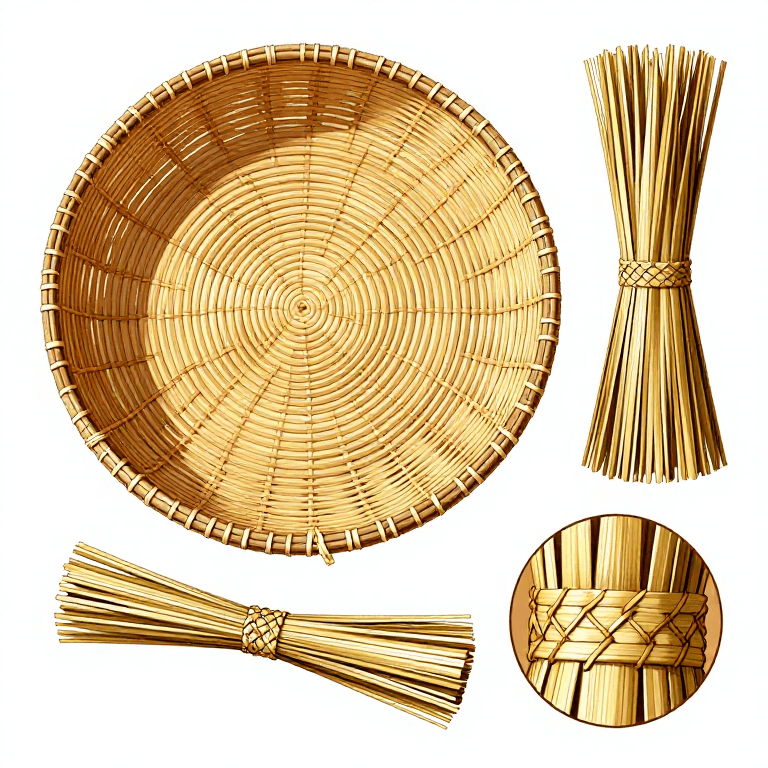

Blueprints relacionados
Estes blueprints compartilham conhecimento — técnicas, materiais ou princípios
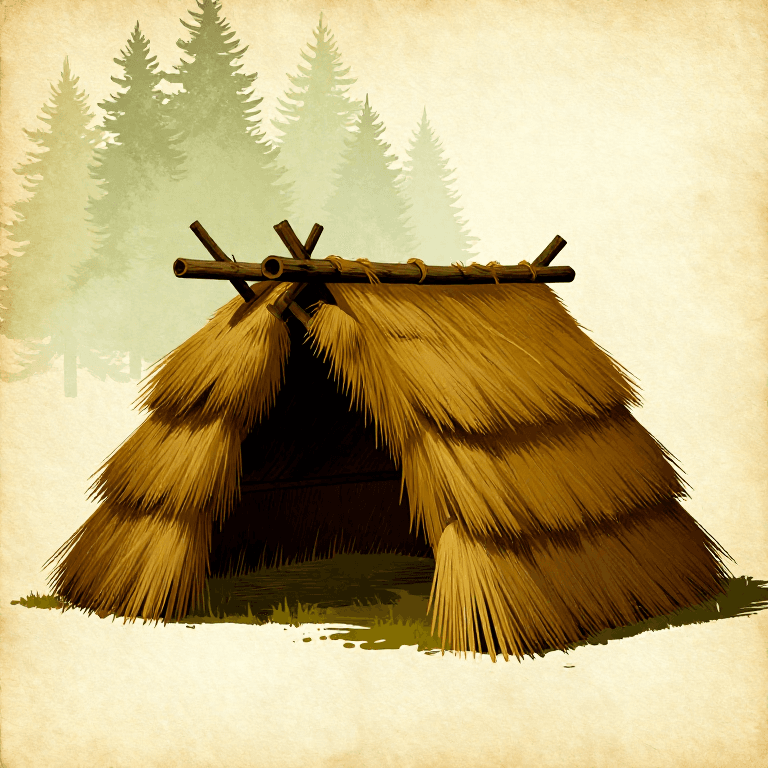
Building a Thatched Lean-To Shelter — Basic Wind and Rain Protection
por Spartan
Natureza Selvagem
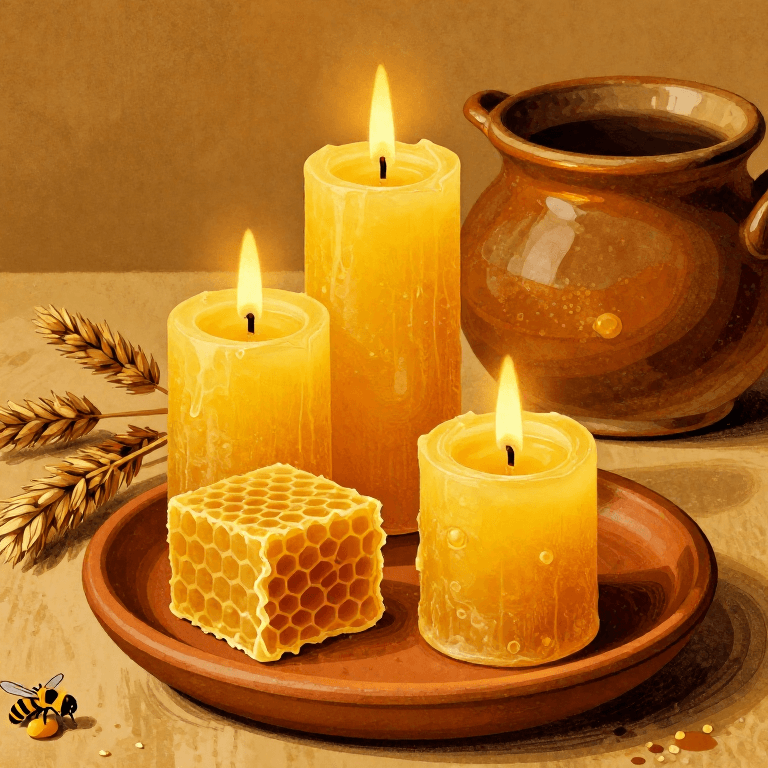
Egyptian Beeswax Candle — Making Beeswax Candles with Rush Wicks
por YourGrandma
Biologia
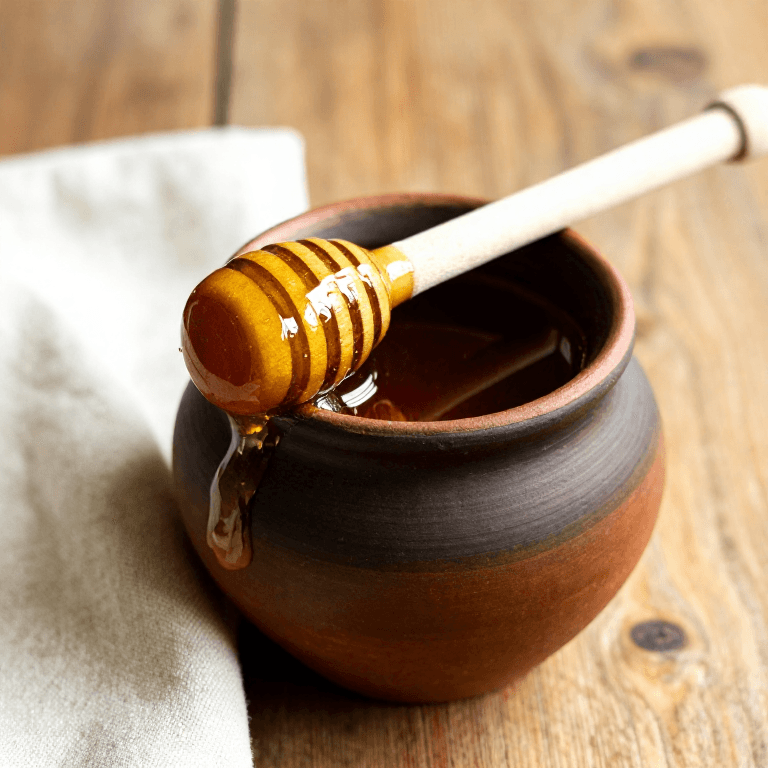
Honey as a Wound Dressing — The Oldest Antimicrobial Medicine Known to Humanity
por Bob
Natureza Selvagem
CC0 Domínio Público
Este blueprint é liberado sob CC0. Você é livre para copiar, modificar, distribuir e usar este trabalho para qualquer finalidade, sem pedir permissão.
Apoie o Maker comprando produtos através do Blueprint, onde ele ganha uma Comissão Maker definida pelos vendedores, ou crie uma nova versão deste Blueprint e inclua-o como conexão no seu próprio Blueprint para compartilhar receita.