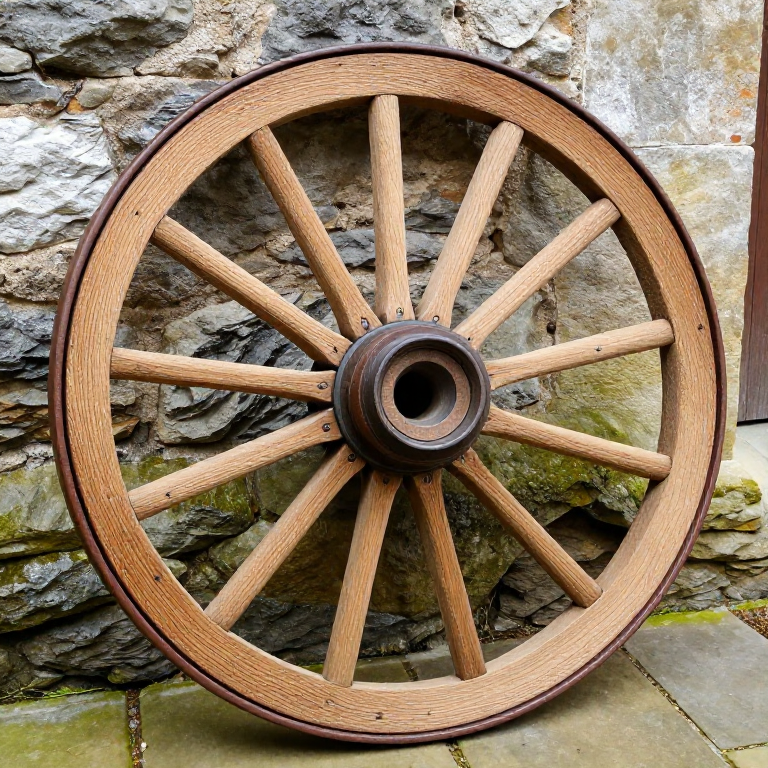


Building a Wooden Cart Wheel — Hub, Spokes, and Felloes
The spoked wheel is one of the greatest inventions in human history. First appearing around 2000 BCE, it made overland transport practical and remained essentially unchanged for nearly four thousand years. A wooden cart wheel is a precision assembly of three distinct components: a central hub (the nave) bored to fit the axle, a set of spokes radiating outward from the hub, and a rim (the felloe) made from curved segments joined end to end. Each component demands a different woodworking skill.
The hub is turned or carved from a single block of dense hardwood — elm is traditional because its interlocked grain resists splitting when mortised for the spokes. The spokes are riven from straight-grained oak for maximum strength. The felloes are sawn or carved from naturally curved timber — the crook of a branch that matches the wheel's curvature. Every joint must be tight: the spokes are driven into mortises in the hub and through mortises in the felloes, then wedged.
Wheelwrighting was one of the most skilled of the traditional trades. The wheel must be perfectly round, perfectly flat, and slightly dished (the spokes angled outward from the hub so the wheel tracks straight under load). A badly made wheel wobbles, wears unevenly, and collapses under the first heavy load.
Instruções
Turn or carve the hub
Turn or carve the hub
Ferramentas necessárias:
 Enxó
Enxó Plaina de dois punhos
Cut the spoke mortises in the hub
Cut the spoke mortises in the hub
Ferramentas necessárias:
 Verruma de mão
 Conjunto de formões para madeira
 Graminho
 Compasso de pontas
Rive and shape the spokes
Rive and shape the spokes
Ferramentas necessárias:
Plaina de dois punhos Rachadeira (froe)
Drive the spokes into the hub
Drive the spokes into the hub
Ferramentas necessárias:
 Maço de madeira
Shape and fit the felloes
Shape and fit the felloes
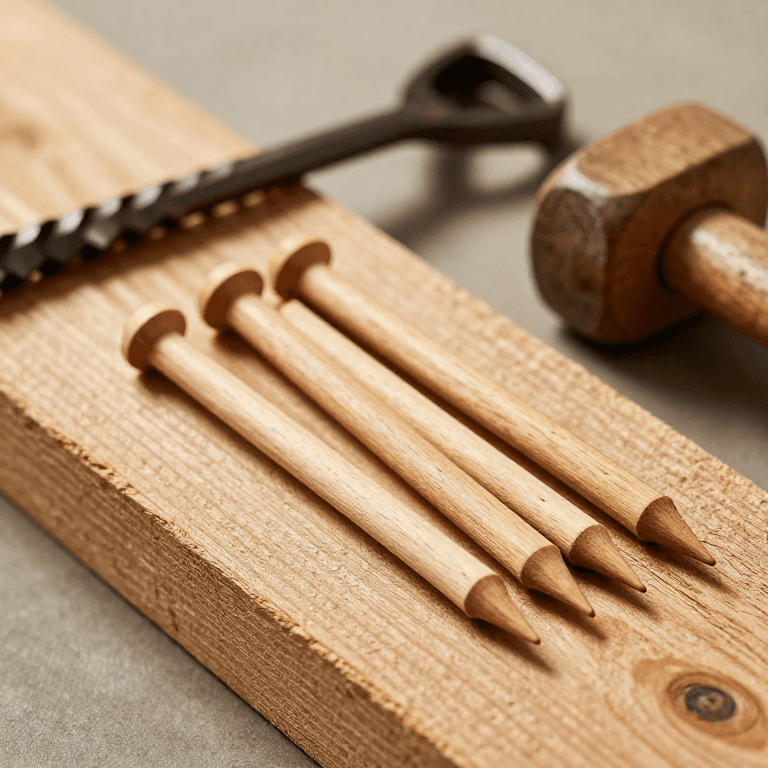
Materiais para este passo:
 Vareta de madeira (cavilha)1 peça
Fit the iron tyre (optional reinforcement)
Fit the iron tyre (optional reinforcement)
Materiais
1- Referência
Ferramentas necessárias
8- Referência
- Referência
- Referência
- Referência
- Referência
- Referência
- Referência
- Referência
Materiais de Blueprints conectados
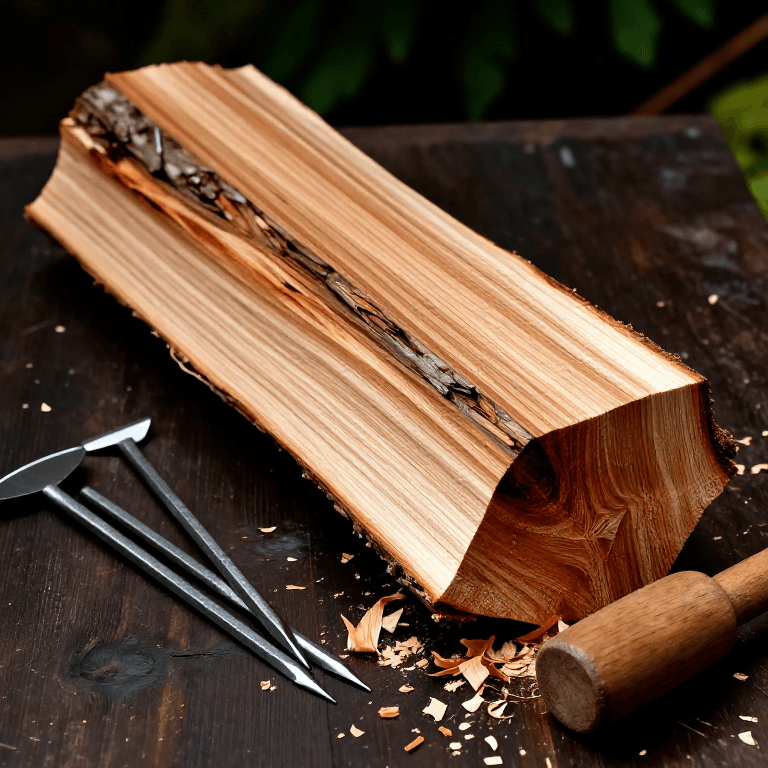
Blueprints relacionados
Estes blueprints compartilham conhecimento — técnicas, materiais ou princípios
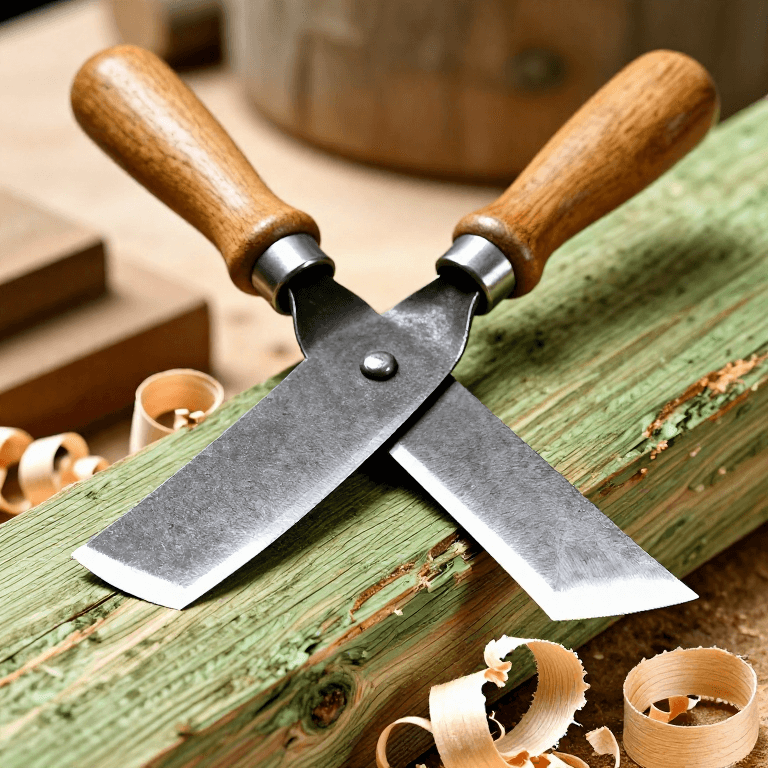

CC0 Domínio Público
Este blueprint é liberado sob CC0. Você é livre para copiar, modificar, distribuir e usar este trabalho para qualquer finalidade, sem pedir permissão.
Apoie o Maker comprando produtos através do Blueprint, onde ele ganha uma Comissão Maker definida pelos vendedores, ou crie uma nova versão deste Blueprint e inclua-o como conexão no seu próprio Blueprint para compartilhar receita.