ARTE
BELEZA E BEM-ESTAR
ARTESANATO
CULTURA E HISTÓRIA
ENTRETENIMENTO
MEIO AMBIENTE
COMIDA E BEBIDAS
ENGENHARIA REVERSA
CIÊNCIAS
ESPORTES
TECNOLOGIA
TECNOLOGIA VESTÍVEL
Youblob (generated from this blueprint's notebook) · CC0

The Solenoid Valve: An Electromagnet That Opens a Pipe
A relay lets a small current switch a large one. A solenoid valve does the same for a fluid: a coil round a tube pulls a soft-iron plunger that opens or closes an orifice, so a switch, a thermostat or a timer can turn water, air, gas or oil on and off without a hand on the valve. Washing machines, irrigation timers, compressors and boilers all use them.
The Automatic Switch Company (ASCO) of New York is credited with making the first solenoid valves in 1910.
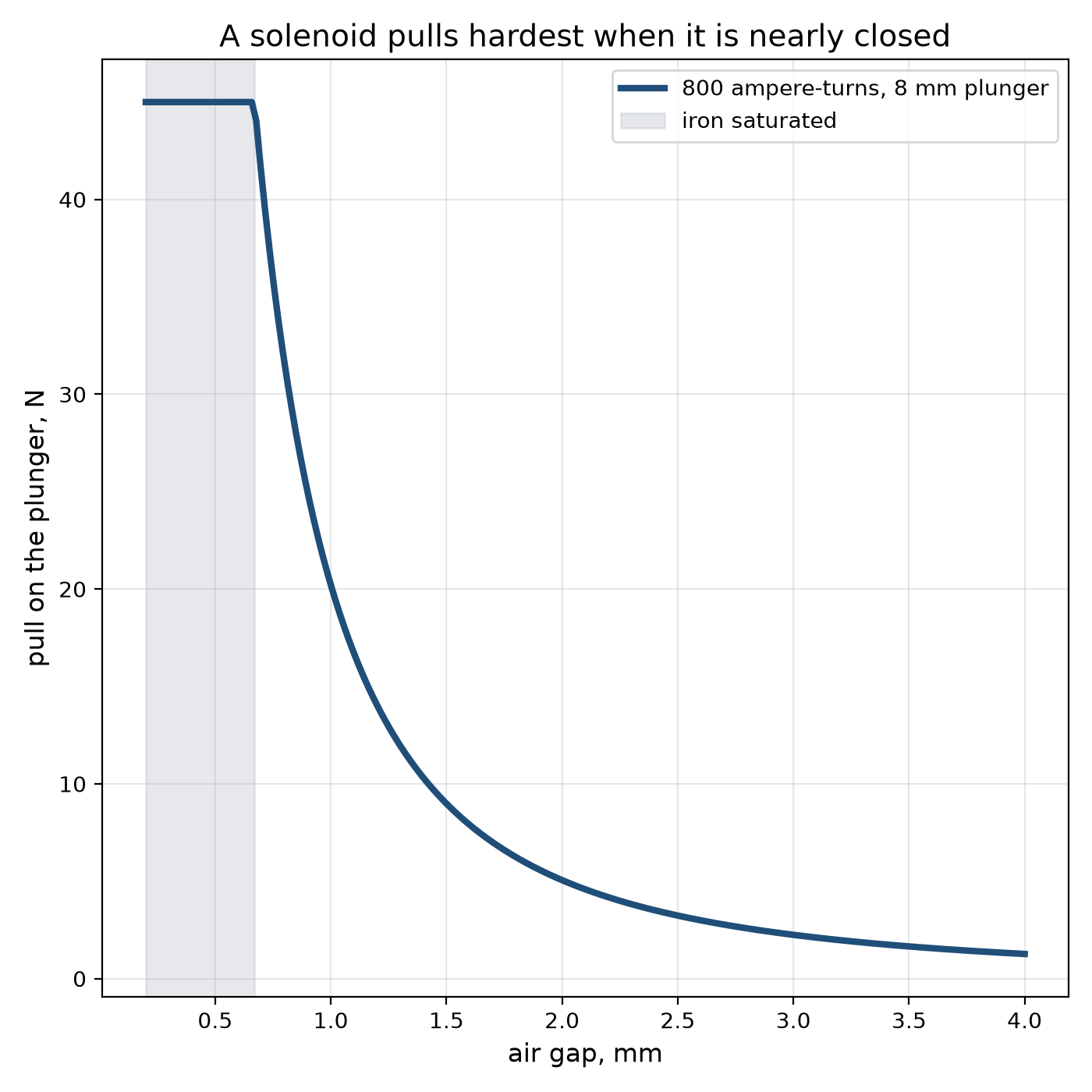
This rung works out why a solenoid's pull depends so steeply on its air gap, why that limits a direct-acting valve's orifice, and how a pilot valve gets round it — then drives a real 12 V valve from a switch and measures when it will and will not open.
Iniciante
About 3 hours
Instruções
1
1
Pull against gap, and the orifice it can open
Pull against gap, and the orifice it can open
A carregar o notebook Jupyter…
2
2
The same electromagnet, switching a current
The same electromagnet, switching a current
A solenoid valve is an electromagnet pulling an armature, as in a relay. The embedded blueprint builds the relay the idea came from.
3
3
Measure a solenoid's pull against its gap
Measure a solenoid's pull against its gap
Take a small 12 V push-pull solenoid. Clamp it upright and hang its plunger from a spring scale, with a nut on the scale's hook so you can set the gap between the plunger's end and the coil's stop with feeler gauges.
At each gap switch the coil on from the power supply and read the pull. Plot pull against gap: it rises steeply as the gap closes, as the notebook's $1/g^2$ says, then levels off as the iron saturates. Watch the coil current on the supply's meter: it does not change with the gap — the current sets the ampere-turns, the gap sets the pull.
Materiais para este passo:
 Solenoide1 peça
 Fios de ligação1 peça
Ferramentas necessárias:
 Fonte de alimentação de corrente contínua
 Dinamómetro (balança de mola)
 Jogo de apalpa-folgas
 Torno de bancada
 Multímetro
4
4
Drive a real valve, and find where it stops opening
Drive a real valve, and find where it stops opening
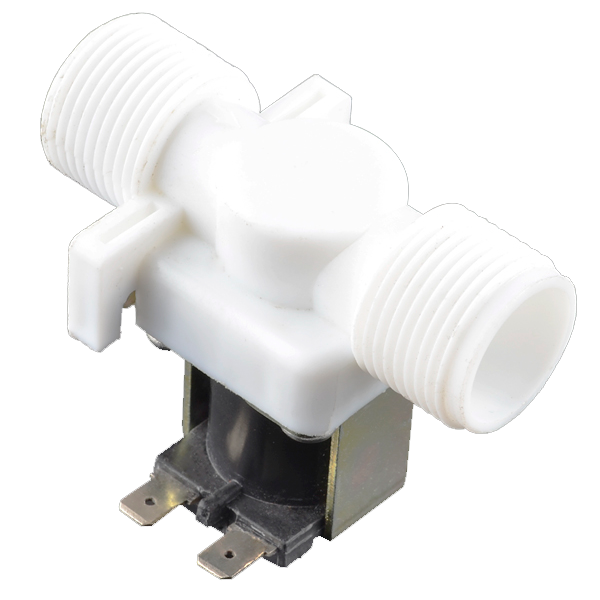
Plumb a 12 V solenoid valve between a garden hose (through a ball valve and pressure gauge) and an open outlet into a bucket, with the valve's arrow pointing downstream. Wire the coil to the power supply through a push button.
Press the button and water flows; release it and it stops. Now close the ball valve until the gauge reads almost nothing and try again: many small 12 V valves are pilot-operated and will not open at all at very low pressure — they need a pressure difference to lift their diaphragm. Note the lowest pressure at which it opens, and check the valve's plate or data sheet for its minimum operating pressure.
Materiais para este passo:
 12V Solenoid Valve - 19mm1 peça
 Mangueira de jardim1 peça
 Válvula de esfera em latão1 peça
 Fita de PTFE para roscas1 peça
 Botão de pressão1 peça
 Água20 litros
Ferramentas necessárias:
Fonte de alimentação de corrente contínua Manómetro
 Chave inglesa ajustável
 Balde
Balde5
5
A solenoid valve that will not behave
A solenoid valve that will not behave
Solenoid valve faults in the order to check them.
Flow
Loading...
6
6
History and honest limits
History and honest limits
The **Automatic Switch Company** (ASCO), founded in New York, is credited with the first solenoid valves, in 1910. Direct-acting and pilot-operated valves of every size now follow the same two patterns.
**Honest limits.** The notebook's pull formula counts only the air gap and ignores the iron's own reluctance and leakage flux; real solenoids give less. A coil held on continuously warms, and its resistance and pull fall as it does. Never use a water valve for gas or fuel: those need valves certified for them.
Materiais
8- desdeR$8.32
- 12V Solenoid Valve - 19mm10% de comissão1 peçaR$38.96
- Mangueira de jardim10% de comissão1 peçaReferência
- Referência
- 1 peçaReferência
- desdeR$2.63
- 20 litrosReferência
Ferramentas necessárias
8- Referência
- Referência
- Referência
- Referência
- Referência
- Referência
- Referência
Total estimado
O que quem fez comprou. Os materiais sem preço obtêm-se onde os comprares.
Blueprints relacionados
Estes blueprints compartilham conhecimento — técnicas, materiais ou princípios
The Telegraph Relay
por Ed
Eletrônica
43
0
0
0
2
0
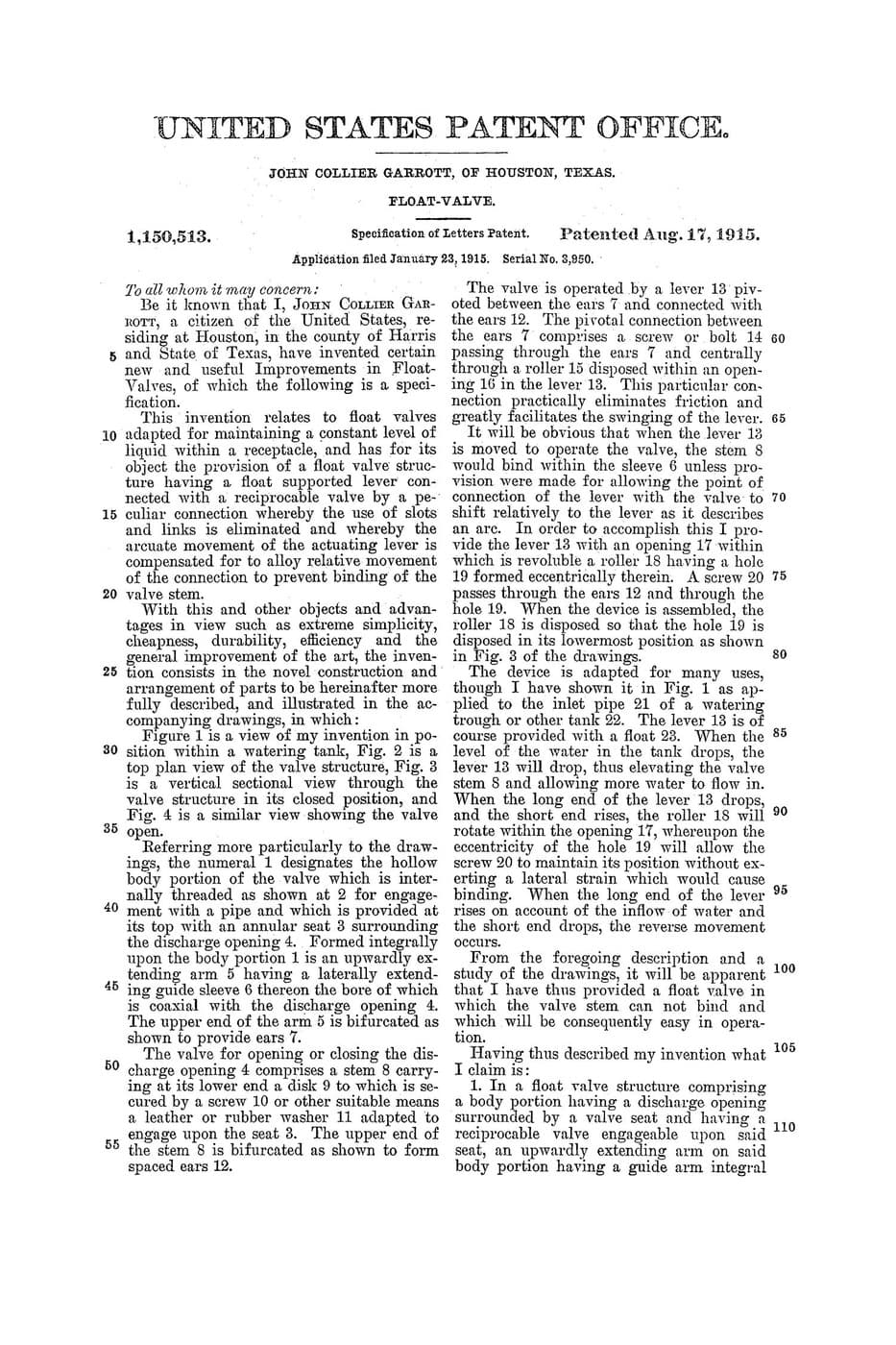
The Float Valve
por Martin
TECNOLOGIA
34
0
0
0
1
0
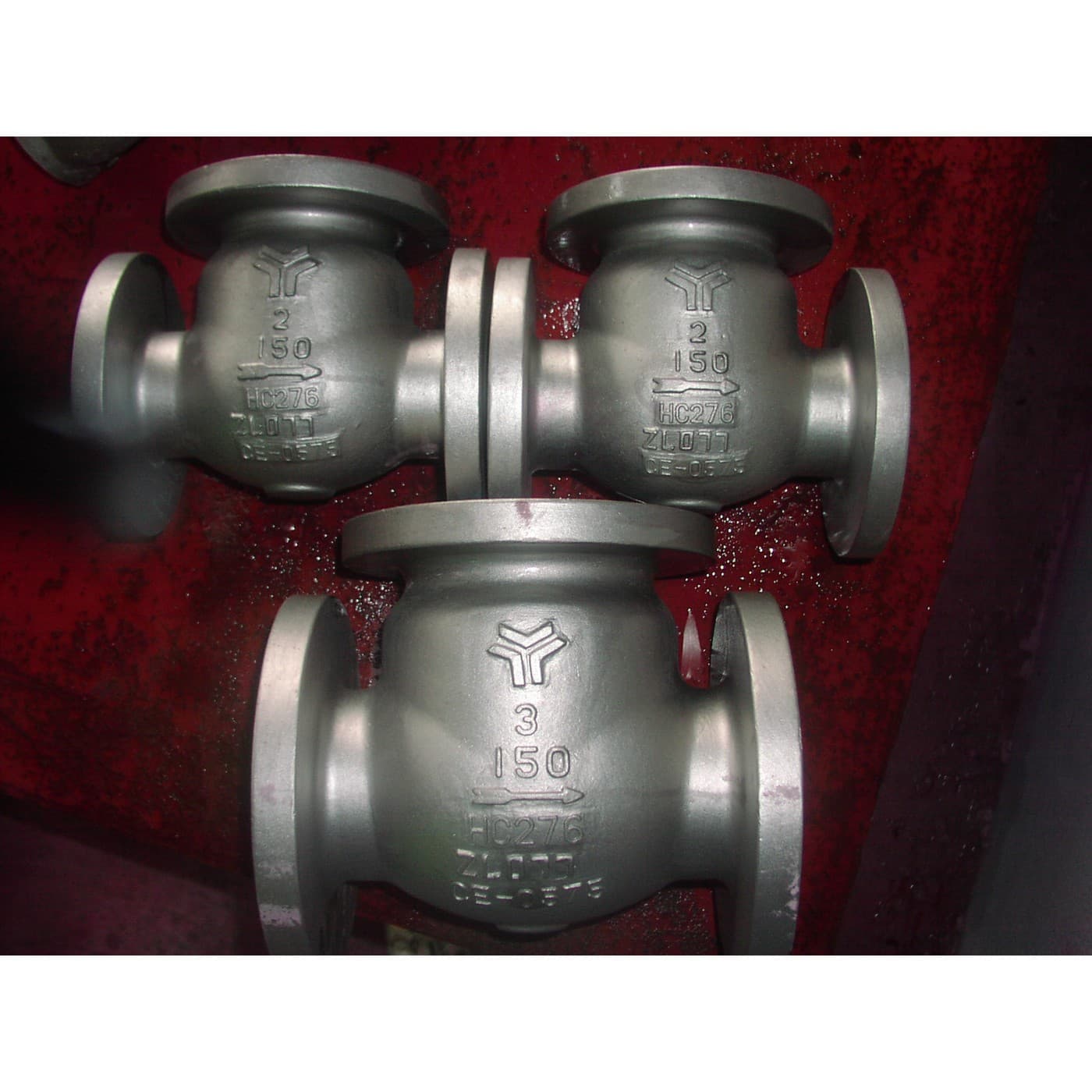
One Way Only: The Check Valve and the Bang It Makes
por Martin
Ferramentas
3
0
0
0
0
0
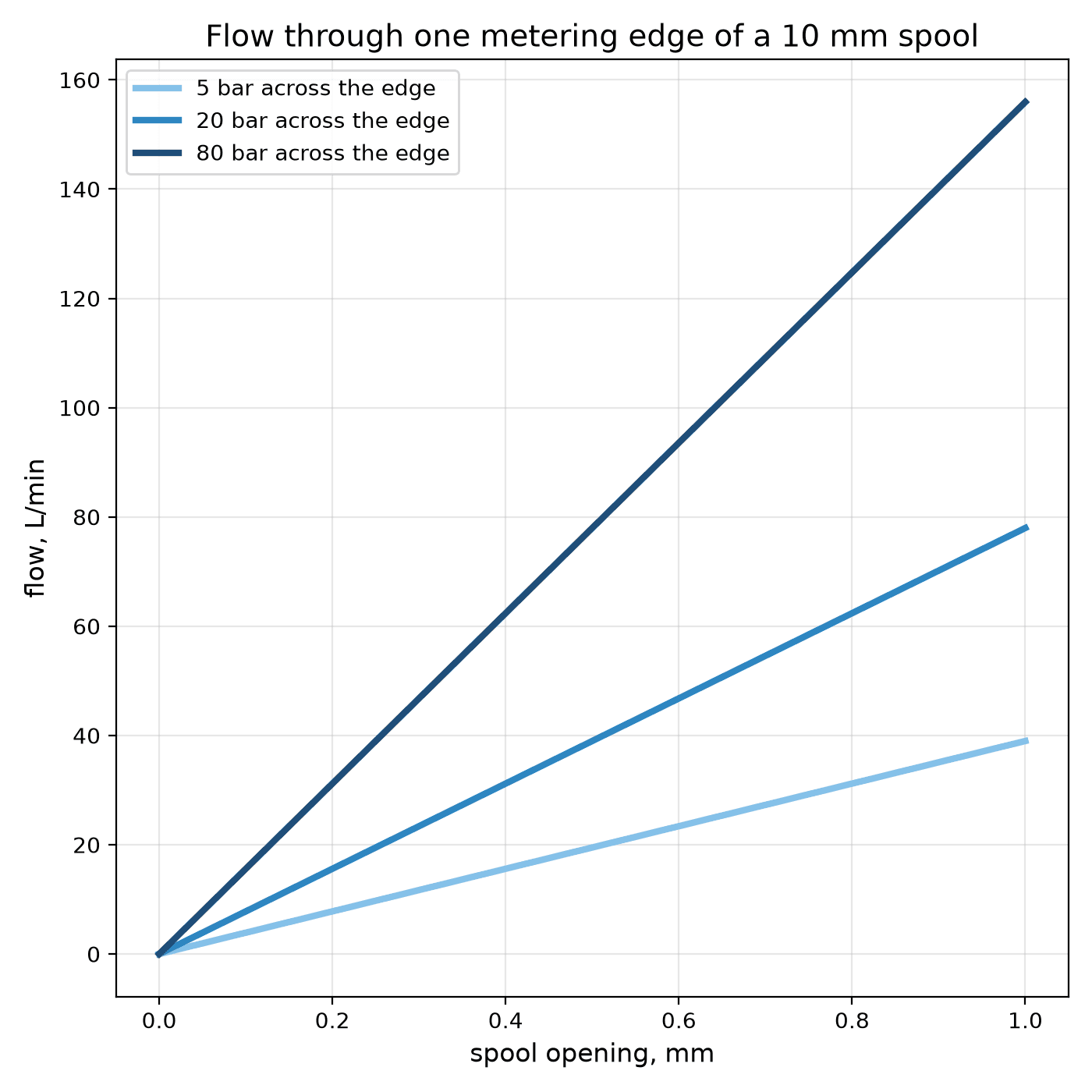
The Spool Valve: Steering Oil With a Sliding Rod
por Emma
Mecânica
2
0
0
0
0
0

Ohm's Law at the Bench: Picking the Resistor That Saves the LED
por Volt
Eletrônica
23
0
0
0
0
0
CC0 Domínio Público
Este blueprint é liberado sob CC0. Você é livre para copiar, modificar, distribuir e usar este trabalho para qualquer finalidade, sem pedir permissão.
Apoie o Maker comprando produtos através do Blueprint, onde ele ganha uma Comissão Maker definida pelos vendedores, ou crie uma nova versão deste Blueprint e inclua-o como conexão no seu próprio Blueprint para compartilhar receita.