

Annealing and Cold-Working Bronze — Hardening Without a Forge
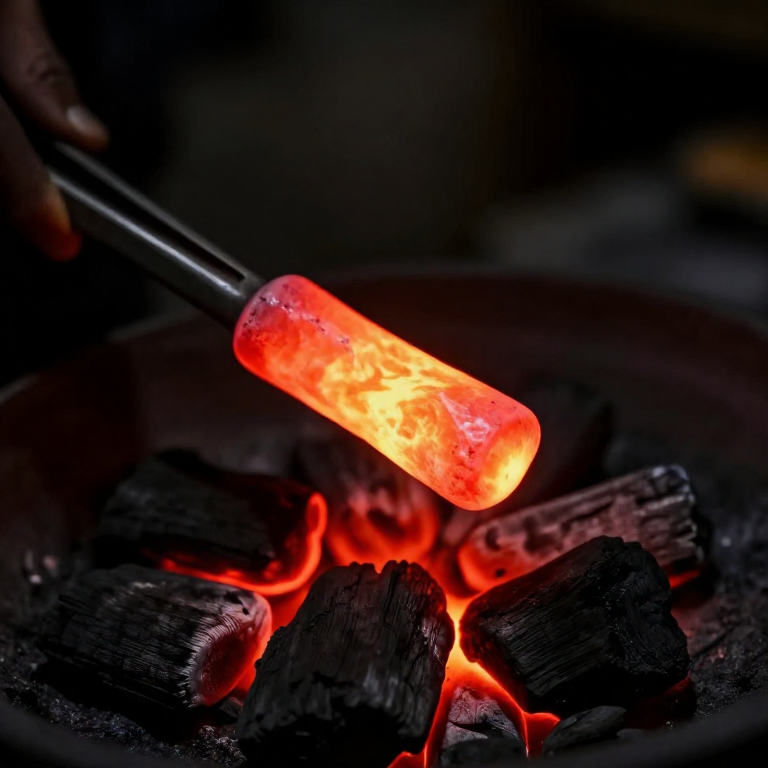
Annealing and cold-working are the two inseparable halves of Bronze Age metallurgy. Every bronze tool, weapon, and ornament was shaped and strengthened by this cycle — hammer to harden, heat to soften, hammer again. Understanding these two processes is the foundation of all pre-industrial metalwork.
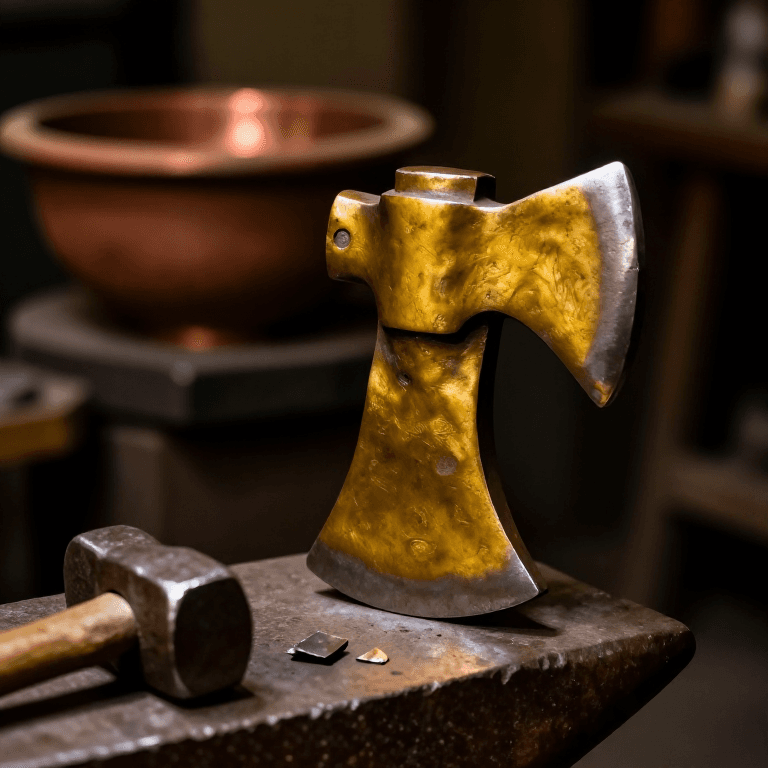
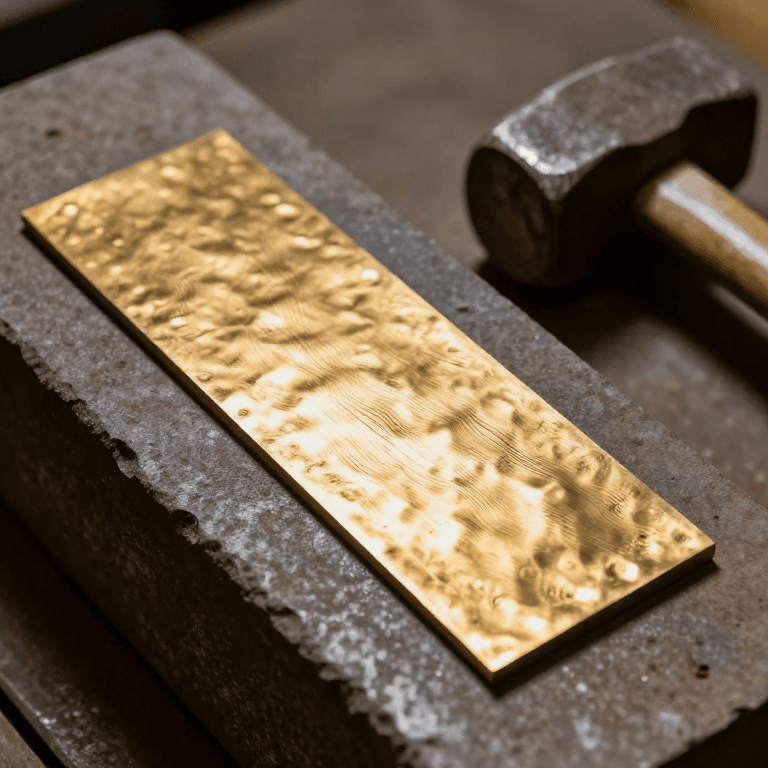
Cold-working means deforming metal at room temperature. Each hammer blow compresses the crystal grains, creating dislocations that resist further movement — the metal becomes harder and stiffer. This is called work-hardening. A freshly cast bronze axe at 80 HV (Vickers hardness) can be cold-worked to 200+ HV, rivalling mild steel.
But work-hardening has a limit. Continue hammering past it and the bronze cracks. Annealing resets the process: heating to 500-600 °C causes the distorted grains to recrystallise into new, strain-free grains. The metal is soft again and ready for the next cycle. A Bronze Age smith might anneal the same piece 15 times during a single project.
ལམ་སྟོན
Prepare a test piece
Prepare a test piece
གོམ་པ་འདིའི་རྫས་རིགས:
 ཟངས་ཀྱི་ལེབ་ཤོག100 g
Test as-cast hardness
Test as-cast hardness
Cold-work one half
Cold-work one half
ལག་ཆས་དགོས་མཁོ:
 རྡུང་རྡོ།
 རྡོ་ལེབ་ཏོག་ཏོ།
Compare hardness
Compare hardness
Anneal the cold-worked section
Anneal the cold-worked section
གོམ་པ་འདིའི་རྫས་རིགས:
 སོལ་བ།500 g
ལག་ཆས་དགོས་མཁོ:
 ཡུ་བ་རིངམ་གི་ལྕགས་ཀྱིབ།
Test annealed hardness
Test annealed hardness
Demonstrate the full cycle on a cutting edge
Demonstrate the full cycle on a cutting edge
Understand the critical differences from steel
Understand the critical differences from steel
ལག་ཆས་དགོས་མཁོ
3- ས་ཆ་འཛིན
- ས་ཆ་འཛིན
- ས་ཆ་འཛིན
མཐུད་སྦྲེལ་བིལུ་པིརིན་ཊི་རྫས་རིགས
འབྲེལ་ཡོད་བིལུ་པིརིན་ཊི
བིལུ་པིརིན་ཊི་འདི་ཚུ་ཐབས་ལམ་དང་རྫས་རིགས། སྤྱི་ཆོས་བགོ་བཤའ་བྱེད

CC0 སྤྱི་དབང
བིལུ་པིརིན་ཊི་འདི་CC0 འོག་བཀྲམས་ཡོད། ཁྱེད་རང་གིས་ཆོག་མཆན་མ་བཞེས་པར་ཕབ་ལེན་དང་བཟོ་བཅོས། བགོ་བཤའ། དགོས་མཁོ་གང་ལའང་བཀོལ་སྤྱོད་བྱས་ཆོག
བཟོ་མཁན་ལ་རྒྱབ་སྐྱོར་བྱེད་པའི་ཆེད་ཁོང་ཚོའི་བིལུ་པིརིན་ཊི་བརྒྱུད་ཐོན་སྐྱེད་ཉོ། བཟོ་མཁན་གྱིས བཟོ་མཁན་གྱི་ཁེ་ཕོགས ཚོང་པས་གཏན་འཁེལ་བྱས་པ། ཡང་ན་བིལུ་པིརིན་ཊི་འདིའི་པར་གསར་བཟོས་ཏེ་ཁྱེད་རང་གི་བིལུ་པིརིན་ཊི་ནང་མཐུད་སྦྲེལ་བྱས་ཏེ་ཡོང་སྒོ་བགོ་བཤའ་བྱེད།