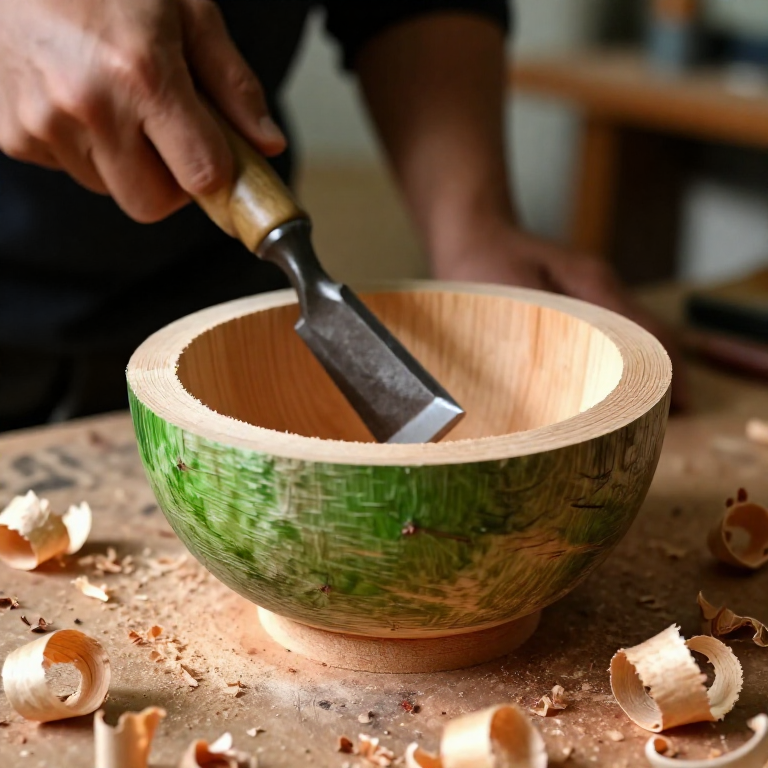


Carving a Wooden Bowl with an Adze — Hollowing from a Green Wood Blank
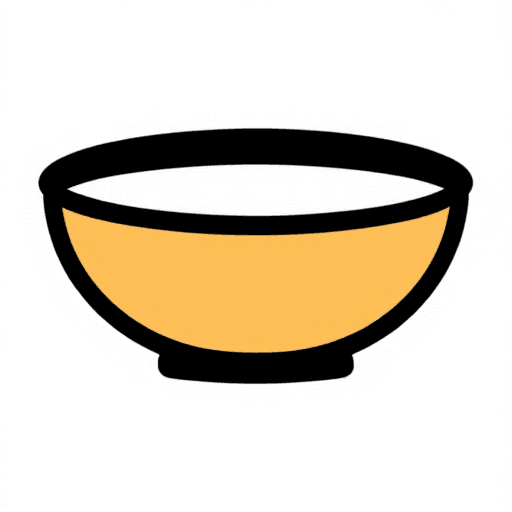
Before the lathe, every wooden bowl was carved by hand. The primary tool for hollowing was the adze — a blade set perpendicular to the handle, swung in short arcs to scoop out wood. A skilled worker can hollow a bowl from a green wood half-log in under an hour with nothing more than an adze and a gouge. The technique is ancient — wooden bowls carved with stone adzes have been found in Neolithic lake dwellings dating to 4000 BCE.
Green wood is essential. Freshly split wood is soft and forgiving — the adze bites cleanly and lifts chips without tearing. Seasoned wood is hard, punishes a slightly mis-angled blow, and tends to crack. The bowl is roughed out while green, then left to dry slowly. As it dries, a hand-carved bowl will move — the walls thin unevenly, and tension in the grain pulls the rim into a gentle oval. This is not a defect but a signature of hand work.
The combination of adze for roughing and gouge for finishing produces a bowl with visible tool marks that are both decorative and functional — the textured interior grips food better than a smooth turned surface, and the thick walls retain heat longer than thin-walled lathe work.
说明
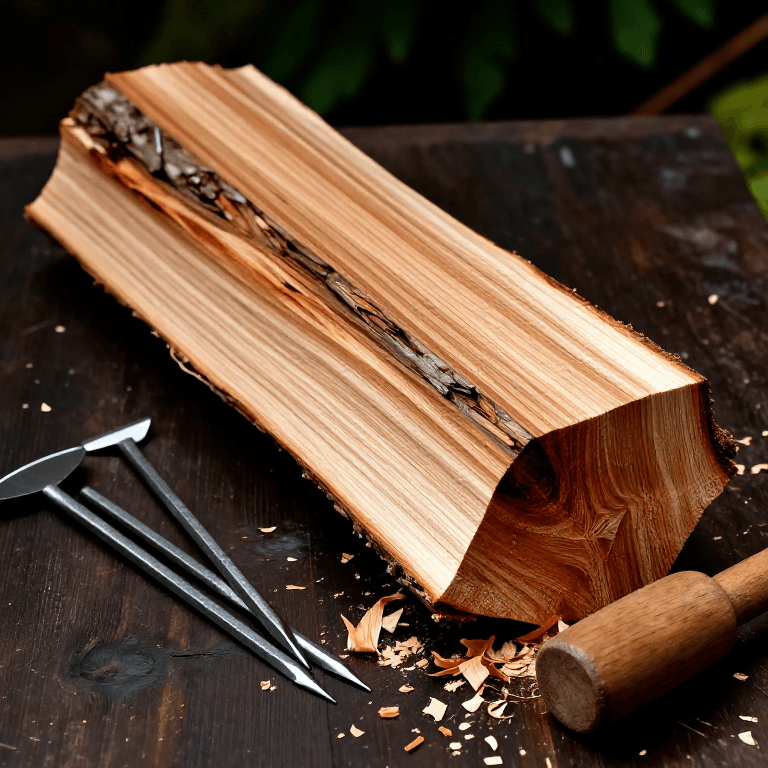
Split a bowl blank from a green log
Split a bowl blank from a green log
此步骤所需材料:
 桦木原木1 个
Shape the outside with a hatchet
Shape the outside with a hatchet
所需工具:
 手斧
手斧Hollow with the adze
Hollow with the adze
所需工具:
 锛子
锛子Refine with a gouge
Refine with a gouge
所需工具:
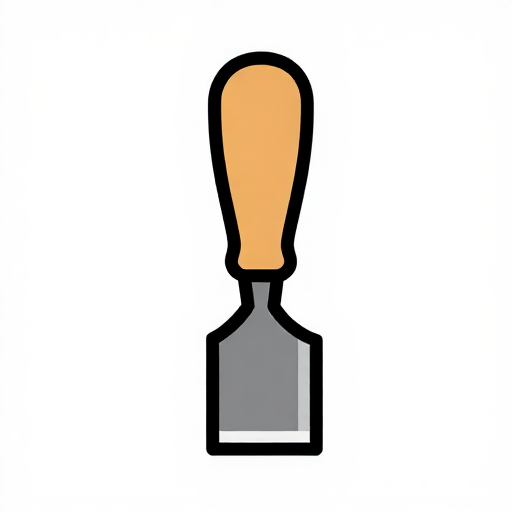 木工圆凿
木工圆凿 木槌
木槌Even the wall thickness
Even the wall thickness
Dry the bowl slowly
Dry the bowl slowly
此步骤所需材料:
 蜂蜡1 个
蜂蜡1 个已连接蓝图材料
相关蓝图
这些蓝图共享知识——技术、材料或原理
CC0 公共领域
此蓝图以 CC0 协议发布。你可以自由复制、修改、分发和使用此作品,无需征得许可。
通过购买蓝图中的产品支持创客,他们将获得 创客佣金 (由供应商设定),或创建此蓝图的新版本并将其作为连接包含在你自己的蓝图中以分享收入。