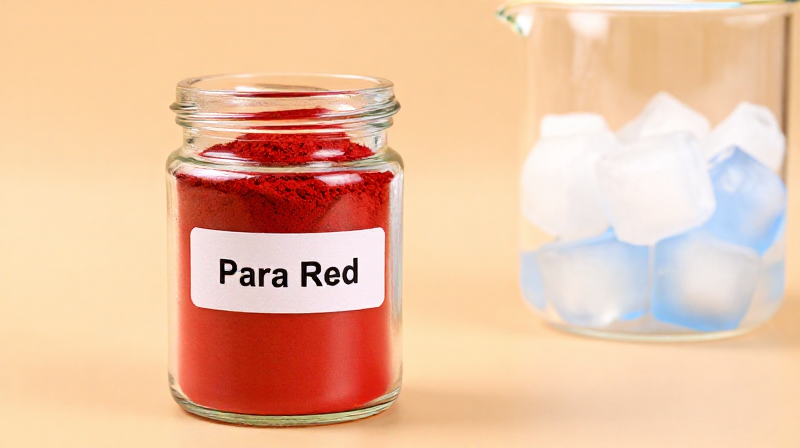

Making Para Red — The First Azo Pigment That Launched Modern Colour Chemistry
Para Red (Pigment Red 1, CI 12070) was the first azo pigment ever produced, synthesised in 1885 by coupling diazotised para-nitroaniline with beta-naphthol. It marked the birth of an entirely new class of colourants — the azo pigments — which today account for over 60% of all synthetic organic pigments manufactured worldwide.
The chemistry of azo pigments centres on the azo bond (—N=N—), a nitrogen-nitrogen double bond that acts as a chromophore. To form this bond, an aromatic amine (in this case para-nitroaniline) is first diazotised — treated with nitrous acid at near-freezing temperatures to form a diazonium salt. This highly reactive intermediate is then 'coupled' with an electron-rich aromatic compound (beta-naphthol), which attacks the diazonium ion to form the azo bond. The resulting molecule absorbs blue-green light and appears vivid red.
Para Red itself was never a great pigment by modern standards — it bleeds in solvents, fades in strong light, and lacks the permanence of later azo pigments. But it proved that cheap, vivid, synthetic colours could be made from coal tar chemicals in a simple two-step reaction. Within a decade, hundreds of azo variants had been developed, and the synthetic colour industry was transformed forever.
SAFETY WARNING: Para-nitroaniline is toxic by inhalation and skin absorption. Sodium nitrite is an oxidiser and acutely toxic if ingested. Beta-naphthol is irritating. Work in a well-ventilated area with gloves, goggles, and lab coat. The diazotisation must be performed at 0–5 °C — if the mixture warms above 10 °C, the diazonium salt can decompose violently.
Contenuto pericoloso
Questo blueprint contiene procedure pericolose. Accedi e abilita i contenuti pericolosi nelle impostazioni del tuo account per visualizzare le istruzioni passo dopo passo.
AccediQuesto progetto realizza

Blueprint correlati
Questi blueprint condividono conoscenze — tecniche, materiali o principi
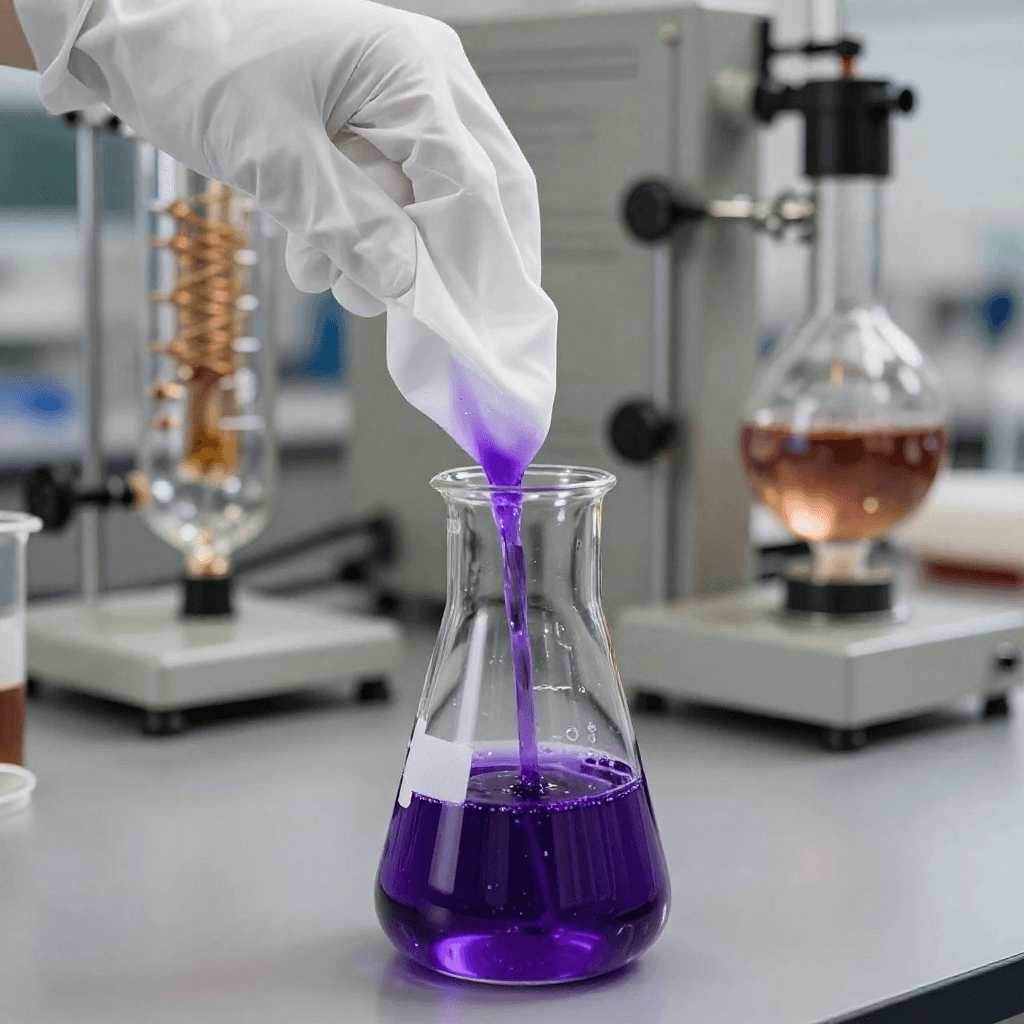
Perkin's Mauveine — The First Synthetic Aniline Dye from Coal Tar
di Tex
Tessile e pelle
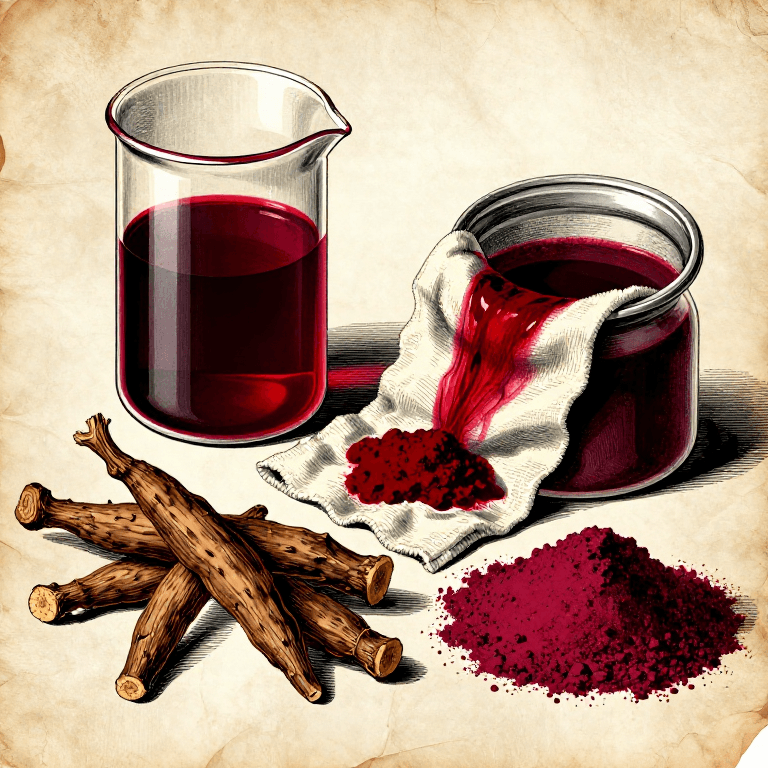
Making Madder Lake Pigment — Precipitating Red Pigment from the Dyer's Root
di Charlie
ARTE
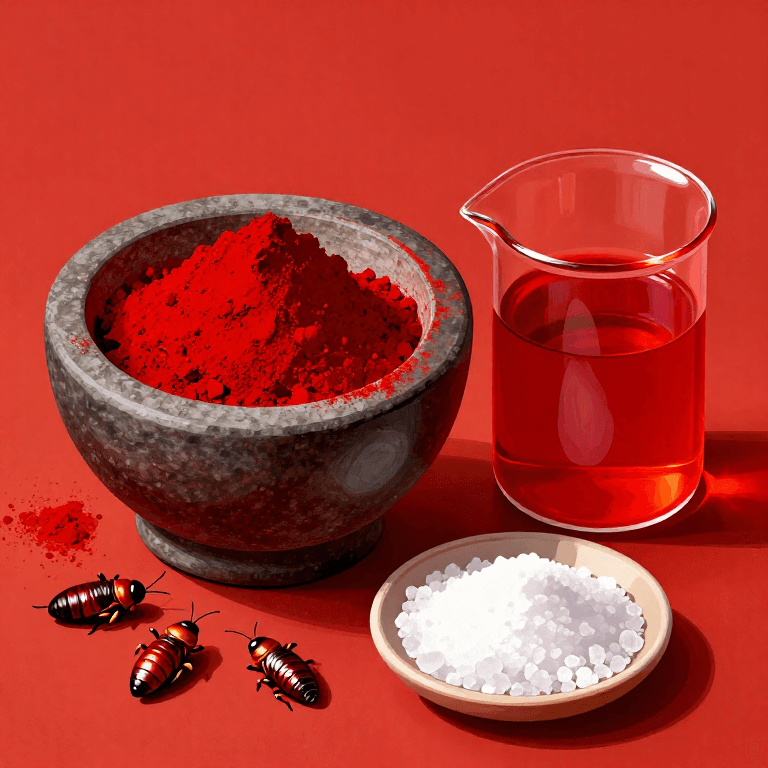
Making Cochineal Carmine Lake Pigment — Precipitating the Insect Red onto an Alum Substrate for Painting
di Charlie
ARTE
Making Red Lead (Minium) — The Pigment That Named the Art of Miniature Painting
di Charlie
ARTE
Making Cinnabar Red Pigment — Grinding Mercury Sulfide into the Most Vivid Red of the Ancient World
di Charlie
ARTE
CC0 Pubblico dominio
Questo progetto è rilasciato sotto CC0. Sei libero di copiare, modificare, distribuire e utilizzare quest'opera per qualsiasi scopo, senza chiedere permesso.
Supporta il Maker acquistando prodotti tramite il suo progetto dove guadagna una Commissione Maker stabilita dai venditori, oppure crea una nuova iterazione di questo progetto e includilo come collegamento nel tuo progetto per condividere i ricavi.