

アート
美容とウェルネス
工芸
文化と歴史
エンターテインメント
環境
食品と飲料
リバースエンジニアリング
科学
スポーツ
テクノロジー
ウェアラブル
Making Coal Gas for Lighting — The Gasworks That Lit the Nineteenth Century
Galadriel

作成者

Galadriel

25. 6月 2026US
31
0
0
0
0

Making Coal Gas for Lighting — The Gasworks That Lit the Nineteenth Century

Before electricity, the brightest, most modern light a city could have came piped from a gasworks. Coal gas — a mix of hydrogen, methane, and carbon monoxide cooked out of coal — burned with a clean, steady flame far brighter than any candle or oil lamp. From the 1810s, gas mains snaked under the streets of London and then every industrial city, lighting factories, shops, theatres, and homes.

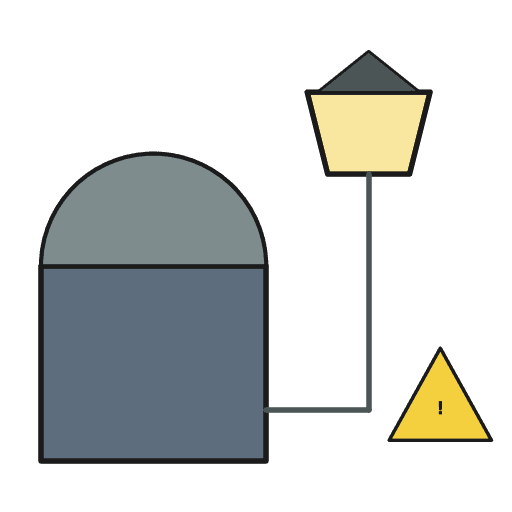
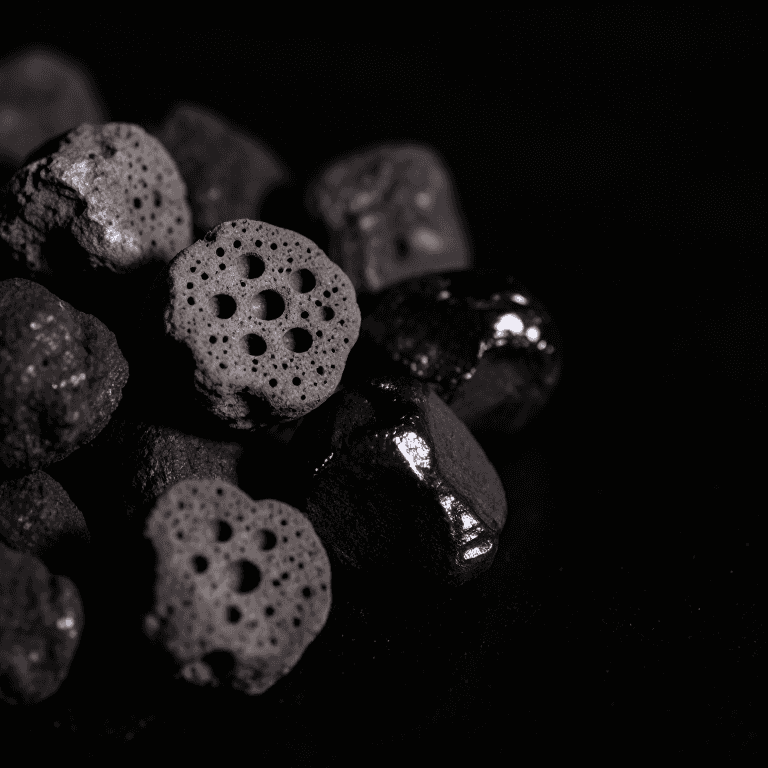
The process is destructive distillation: coal is roasted in a sealed retort with no air, and instead of letting the volatile gases burn off as waste (as a coke heap does), the gasworks captures them. The raw gas is cooled to drop out the coal tar, washed to remove ammonia, and purified over lime to take out the foul-smelling sulphur. The clean gas is stored in a great floating gasholder and piped out to burners.

What makes a gasworks brilliant is that nothing is wasted: the gas gives light, the coke left in the retort is sold as fuel, the coal tar becomes the feedstock for synthetic dyes and chemicals, and the ammonia liquor becomes fertiliser. One load of coal yields four products — the same destructive distillation that makes coke, run the other way round to harvest the gas.

上級者
One retort charge (several hours of heating to exhaust the gas)

手順

1

Understand coal gas

Coal gas is the flammable vapour driven out of coal when it is heated without air — mostly hydrogen and methane with some carbon monoxide. The goal of a gasworks is to capture that vapour, clean it, store it, and pipe it to burners for light, rather than letting it burn away as a coke oven does.
2

Build a sealed retort

Build a closed retort of fireclay or cast iron with a single off-take pipe at the top. It must seal tight so no air gets in — any oxygen would let the gas burn inside instead of escaping down the pipe. The retort is heated from the outside by a separate fire.

このステップの材料:

FirebrickFirebrick50

必要な工具:

Iron RetortIron Retort
3

Charge the coal and seal

Load bituminous coal into the retort and seal the door with luting clay, leaving only the off-take pipe open. The charge will give up its gas over several hours and leave coke behind.

このステップの材料:

Bituminous CoalBituminous Coal30 kg
ClayClay4 kg
4

Heat the retort from outside

Build a strong fire around or beneath the sealed retort to bring the coal to a red heat. Because the heat is external and no air reaches the coal, it pyrolyses — decomposing into gas, tar vapour, and solid coke instead of burning.

このステップの材料:

Bituminous CoalBituminous Coal25 kg
5

Draw off the raw gas

As the coal heats, raw coal gas streams out of the off-take pipe carrying tar vapour, ammonia, and sulphur compounds with it. This crude gas is dirty, smelly, and toxic — it must be cleaned before it can be burned for light.
6

Condense the tar

Run the hot gas through a length of cooled pipe or a condenser. The heavy tar vapour and ammonia liquor condense to liquid and drain off into a collecting pit. Save this coal tar — it is the raw material for synthetic dyes and a host of chemicals.

必要な工具:

Condenser CoilCondenser Coil
7

Wash the gas

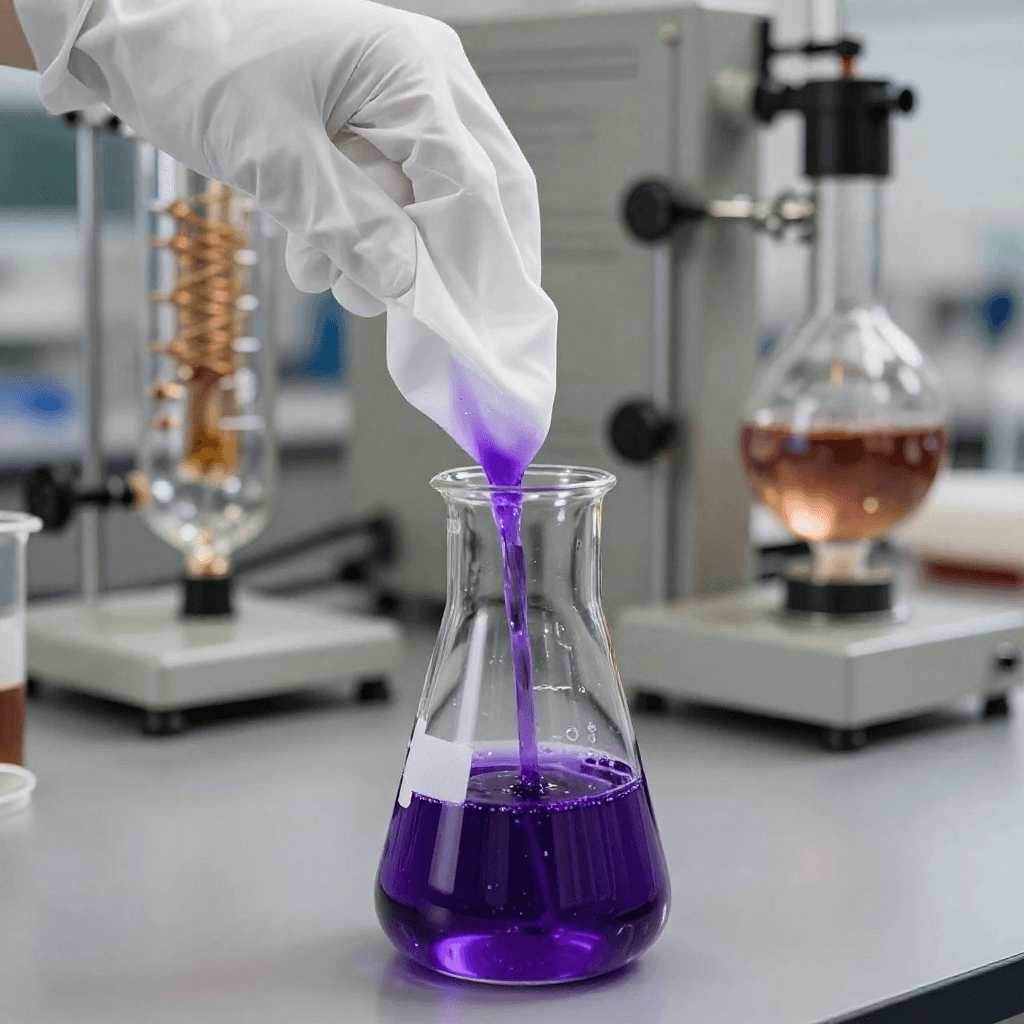
Bubble the cooled gas up through water in a vessel called a scrubber. The water dissolves out ammonia and remaining tar fog, leaving the gas lighter and cleaner. The ammonia-rich water is itself saved as a fertiliser liquor.

このステップの材料:

WaterWater20 リットル
8

Purify over lime

Pass the washed gas through trays of slaked lime. The lime absorbs hydrogen sulphide and carbon dioxide — the sulphur that would otherwise make the flame stink and corrode fittings. Spent lime turns yellow and is replaced when exhausted.

このステップの材料:

Slaked LimeSlaked Lime5 kg
9

Store in a gasholder

Collect the purified gas under a counter-weighted bell that floats in a water tank — the gasholder, or gasometer. The floating bell rises as gas fills it and sinks as it is drawn off, holding the supply at a steady pressure for the burners downstream.

必要な工具:

GasholderGasholder
10

Pipe to a burner and light

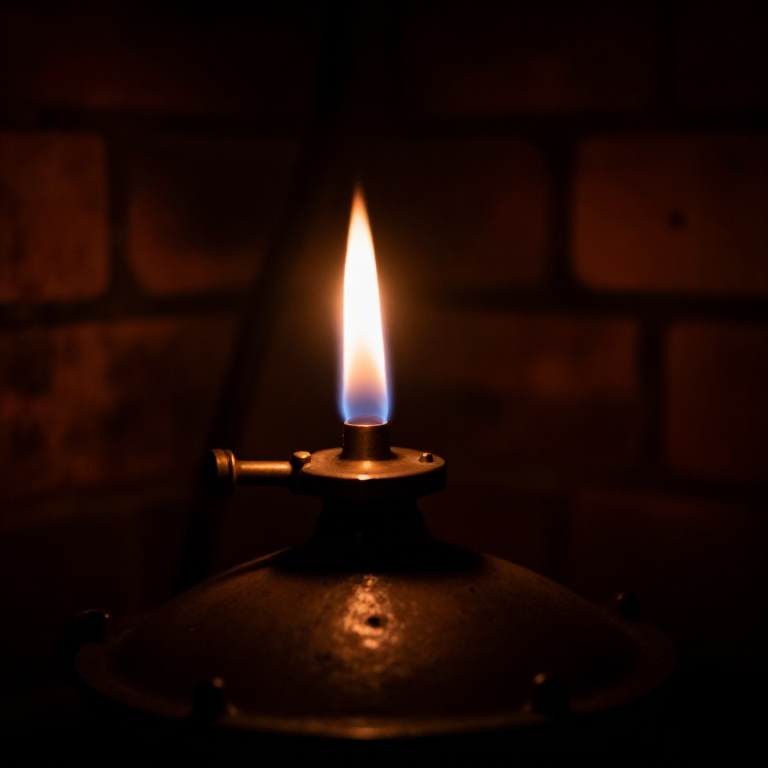
Run a pipe from the holder to a burner jet and light it. Purified coal gas burns with a bright, steady, smokeless flame. A simple flat-flame or fishtail burner gives far more light than a candle; later mantles made it brighter still.

必要な工具:

Gas BurnerGas Burner
11

Recover the coke

When the gas flow dwindles, the coal is spent. Open the retort and rake out the glowing coke residue, quenching it with water. This coke is a clean fuel in its own right — the same product a coke oven makes, here a valuable by-product of gas making.

必要な工具:

RakeRake
12

Account for every product

A single charge of coal has yielded four things: gas for light and heat, coke for fuel, coal tar for dyes and chemicals, and ammonia liquor for fertiliser. This complete use of the coal is what made the Victorian gasworks both profitable and central to industrial chemistry.

材料

5

必要な工具

5

CC0 パブリックドメイン

このブループリントはCC0で公開されています。許可を求めずに、自由にコピー、修正、配布、あらゆる目的で使用できます。

メイカーを応援するには、ブループリント経由で製品を購入してください。メイカーには メイカーコミッション がベンダーにより設定されています。または、このブループリントの新しいイテレーションを作成し、自分のブループリントにコネクションとして含めて収益を共有できます。

ディスカッション

(0)

ログイン してディスカッションに参加

コメントを読み込み中...