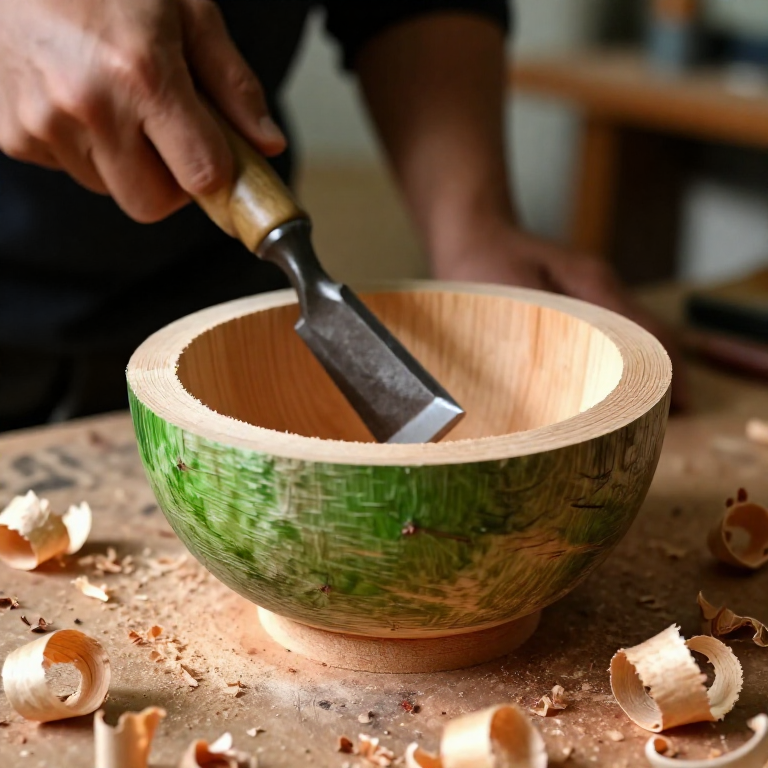


Carving a Wooden Bowl with an Adze — Hollowing from a Green Wood Blank
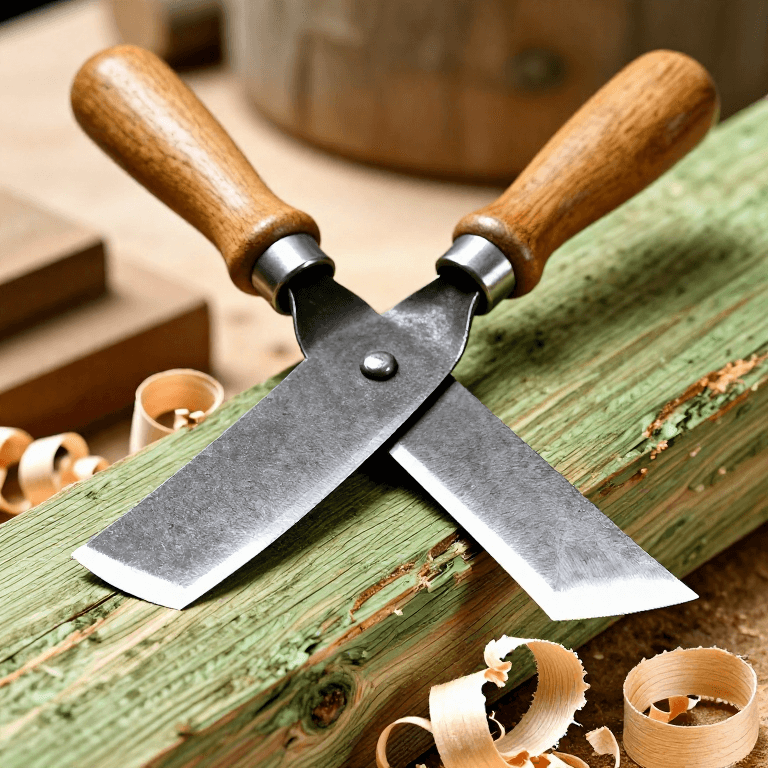
Before the lathe, every wooden bowl was carved by hand. The primary tool for hollowing was the adze — a blade set perpendicular to the handle, swung in short arcs to scoop out wood. A skilled worker can hollow a bowl from a green wood half-log in under an hour with nothing more than an adze and a gouge. The technique is ancient — wooden bowls carved with stone adzes have been found in Neolithic lake dwellings dating to 4000 BCE.
Green wood is essential. Freshly split wood is soft and forgiving — the adze bites cleanly and lifts chips without tearing. Seasoned wood is hard, punishes a slightly mis-angled blow, and tends to crack. The bowl is roughed out while green, then left to dry slowly. As it dries, a hand-carved bowl will move — the walls thin unevenly, and tension in the grain pulls the rim into a gentle oval. This is not a defect but a signature of hand work.
The combination of adze for roughing and gouge for finishing produces a bowl with visible tool marks that are both decorative and functional — the textured interior grips food better than a smooth turned surface, and the thick walls retain heat longer than thin-walled lathe work.
手順
Split a bowl blank from a green log
Split a bowl blank from a green log
このステップの材料:
 樺の丸太1 個
Shape the outside with a hatchet
Shape the outside with a hatchet
必要な工具:
 手斧
手斧Hollow with the adze
Hollow with the adze
必要な工具:
 ちょうな
ちょうなRefine with a gouge
Refine with a gouge
必要な工具:
 木工用丸のみ
 木槌
木槌Even the wall thickness
Even the wall thickness
Dry the bowl slowly
Dry the bowl slowly
このステップの材料:
 蜜蝋1 個
蜜蝋1 個接続ブループリントの材料
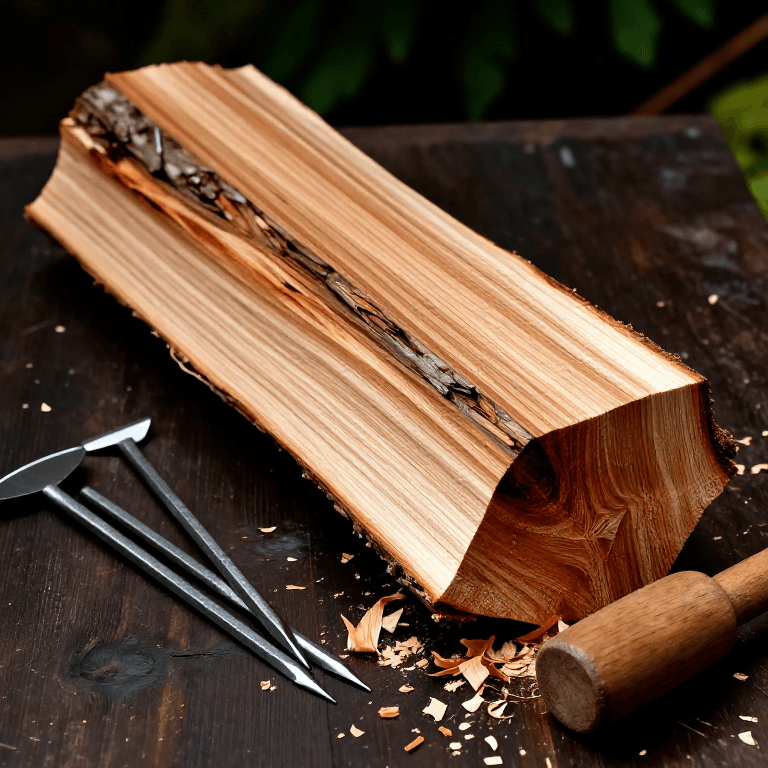
この設計図で作るもの
関連ブループリント
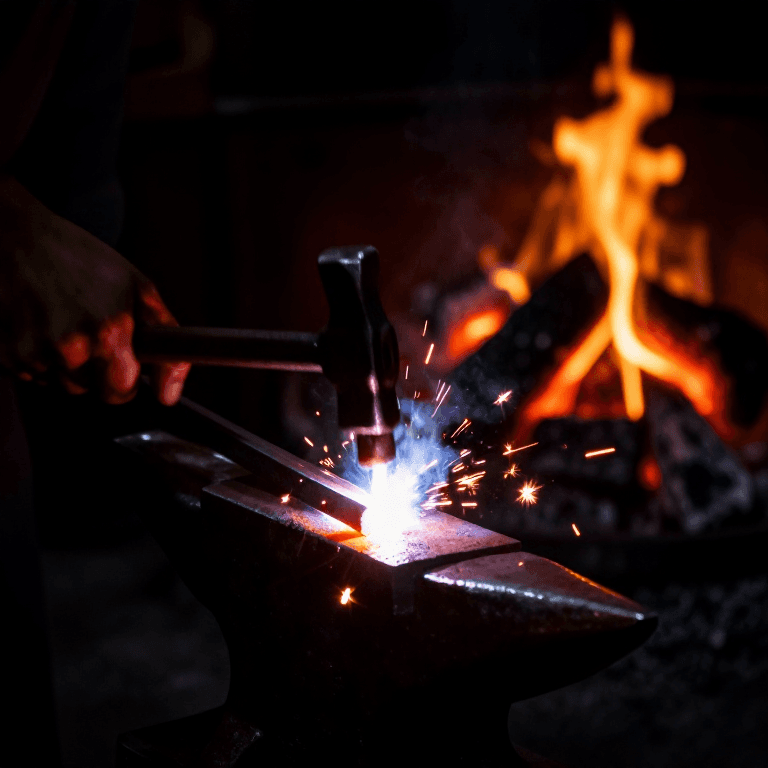
これらのブループリントは知識を共有しています — 技術、材料、原理
CC0 パブリックドメイン
このブループリントはCC0で公開されています。許可を求めずに、自由にコピー、修正、配布、あらゆる目的で使用できます。
メイカーを応援するには、ブループリント経由で製品を購入してください。メイカーには メイカーコミッション がベンダーにより設定されています。または、このブループリントの新しいイテレーションを作成し、自分のブループリントにコネクションとして含めて収益を共有できます。