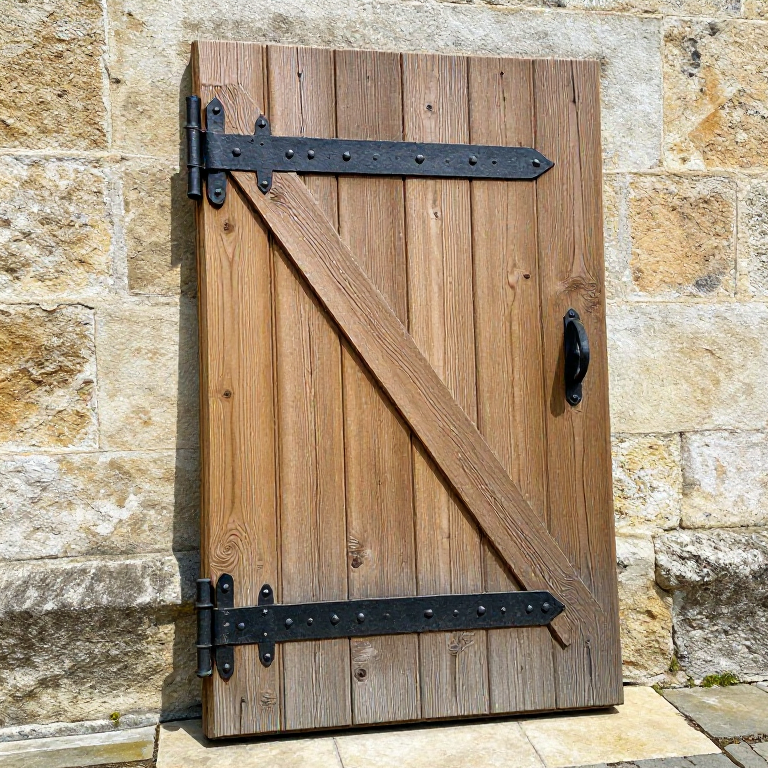


Building a Plank Door — A Battened Door from Riven Timber and Iron Nails
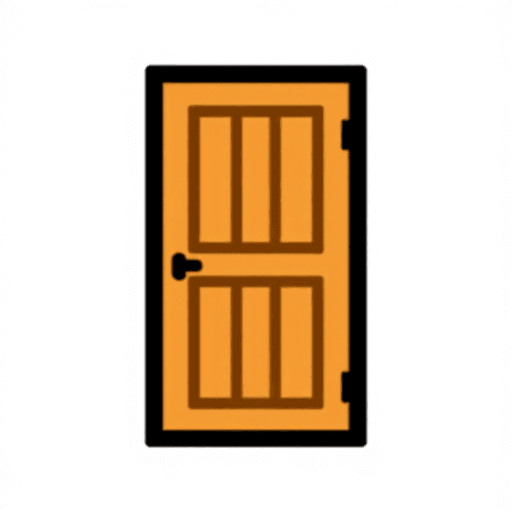
The simplest type of door — and the most common in medieval Europe — is the plank-and-batten door: several wide boards laid side by side and held together by horizontal battens nailed across the back. No frame, no panel, no joinery more complex than a nail. Despite this simplicity, a well-made plank door lasts for centuries — examples survive in English churches dating to the 12th century.
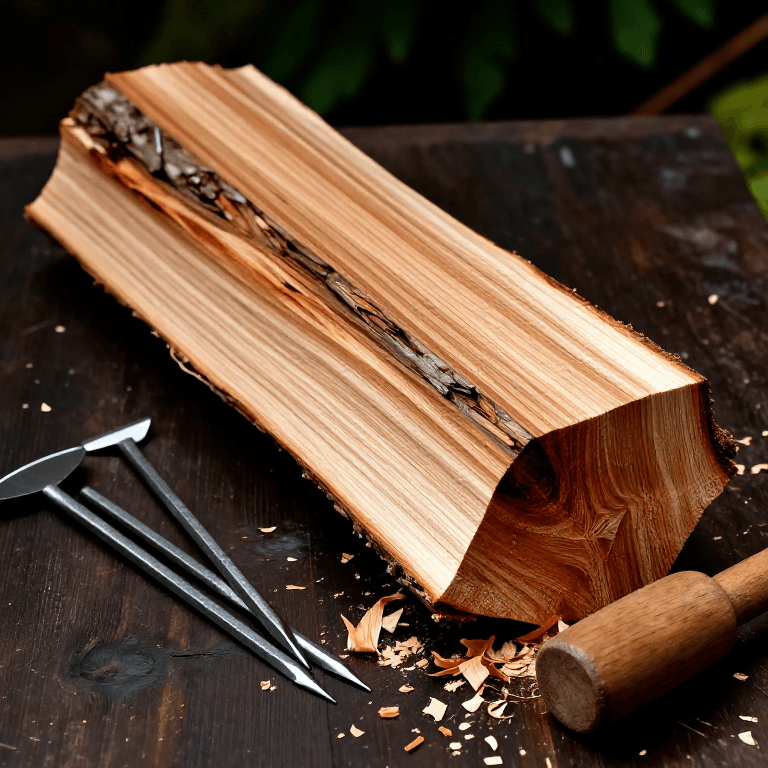
The planks must be riven, not sawn. Riven planks follow the natural grain of the wood, making them resistant to moisture penetration and warping. The battens (horizontal crosspieces) are nailed across the back, preventing the planks from cupping or separating. A diagonal brace running from the hinge side at the top to the latch side at the bottom prevents the door from sagging under its own weight — without this brace, a heavy plank door drops at the free corner within months.
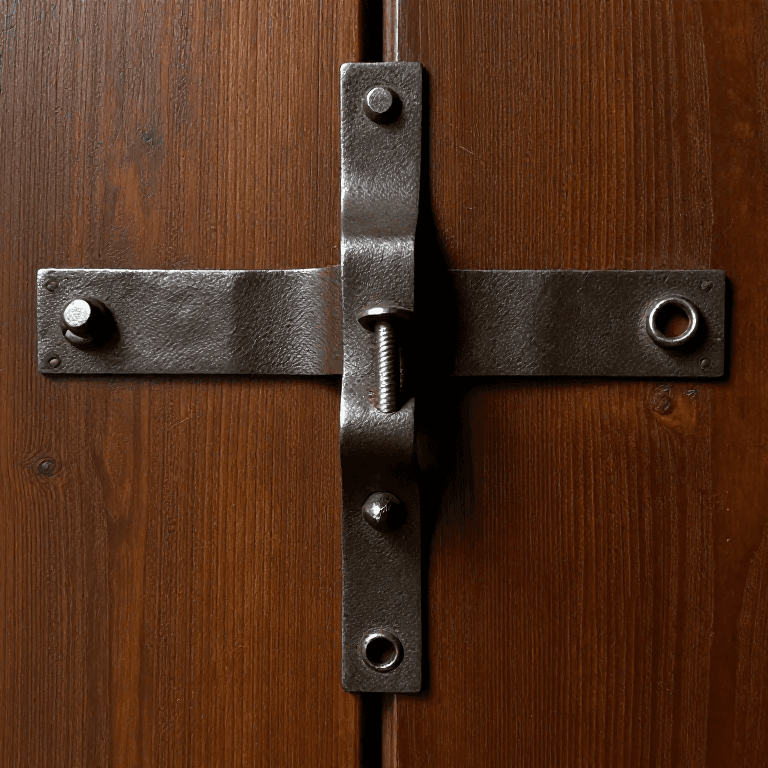
Iron hinges and a latch complete the door. The strap hinge — a long iron bar attached to the batten and pivoting on a pin driven into the door frame — is the traditional hinge for plank doors, distributing the weight across several battens rather than concentrating it at two points.
手順
Rive and dress the door planks
Rive and dress the door planks
必要な工具:
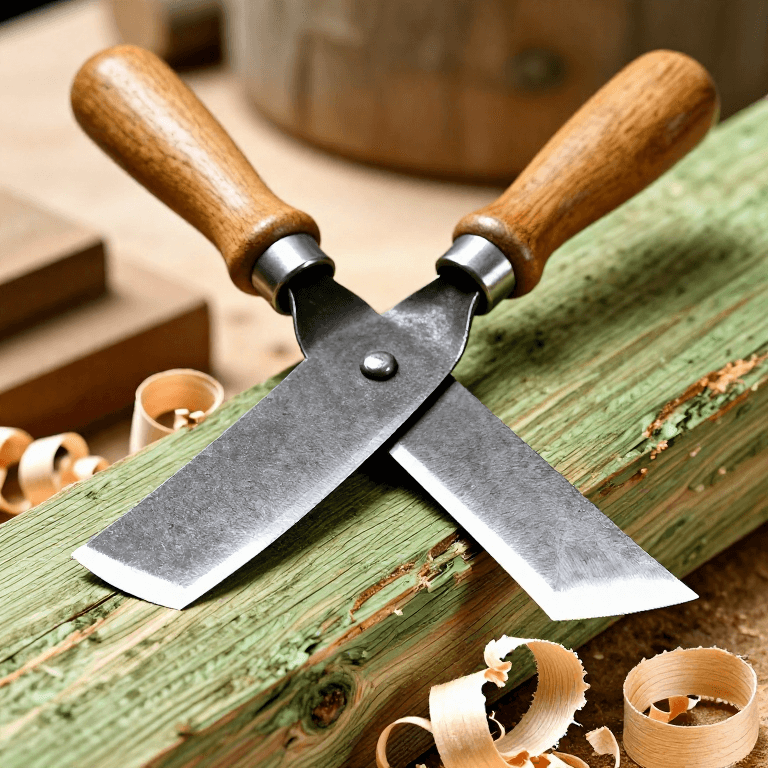
 ドローナイフ
Lay out the planks and mark the battens
Lay out the planks and mark the battens
Cut and attach the battens
Cut and attach the battens
このステップの材料:
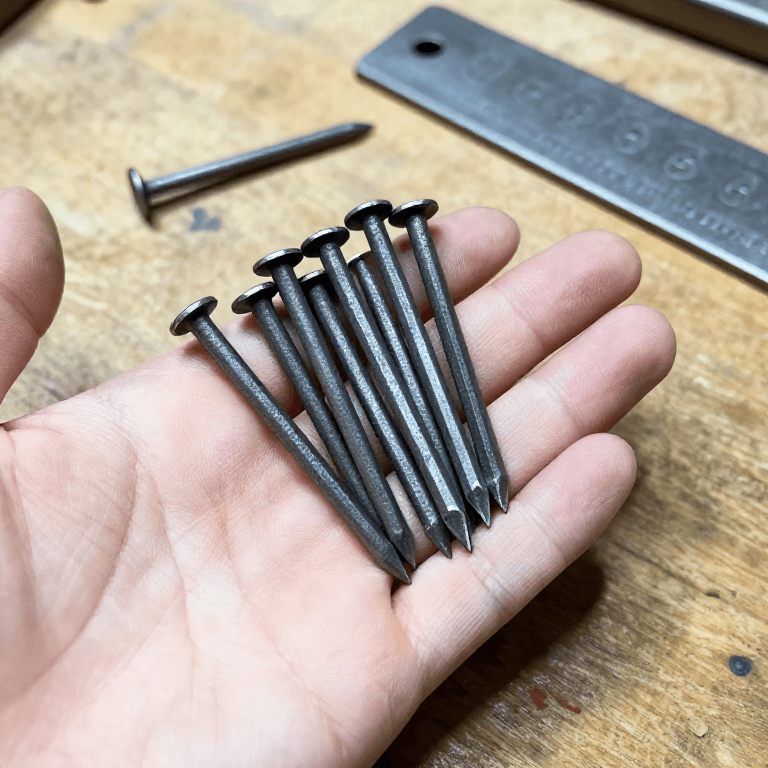
 鉄釘30 個
必要な工具:
 鍛造槌
鍛造槌Fit the diagonal brace
Fit the diagonal brace
Hang the door on strap hinges
Hang the door on strap hinges
必要な工具:
 鉄の長蝶番
鉄の長蝶番Fit a latch and check the swing
Fit a latch and check the swing
接続ブループリントの材料
この設計図で作るもの
関連ブループリント
これらのブループリントは知識を共有しています — 技術、材料、原理
CC0 パブリックドメイン
このブループリントはCC0で公開されています。許可を求めずに、自由にコピー、修正、配布、あらゆる目的で使用できます。
メイカーを応援するには、ブループリント経由で製品を購入してください。メイカーには メイカーコミッション がベンダーにより設定されています。または、このブループリントの新しいイテレーションを作成し、自分のブループリントにコネクションとして含めて収益を共有できます。